 Comforters
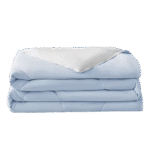 SuperCool Comforter
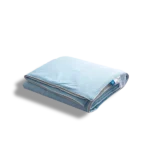 SuperCool Light Comforter
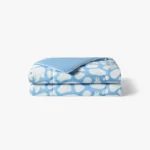 SuperCool Kids Comforter
 Blankets
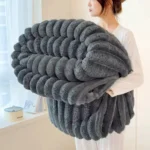 Teddy Bear Blanket
 Sheets
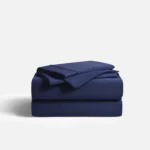 SuperCool+ Starter Sheet Set
 SuperCool+ Flat Sheet
 SuperCool+ Fitted Sheet
 Pillowcases
 SuperCool+ Pillowcases
 Cooling Silk Pillowcase
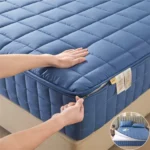 Mattress Protectors
 Quilted Mattress Protector
 Waterproof Mattress Protector
 Floor Mats

Why Use a Silk Pillowcase

The Science Behind Silk Pillowcases
Silk pillowcases offer distinct advantages over cotton and synthetic alternatives. The material consists of natural protein fibers produced by silkworms. These fibers create a smooth surface that reduces friction against skin and hair during sleep.
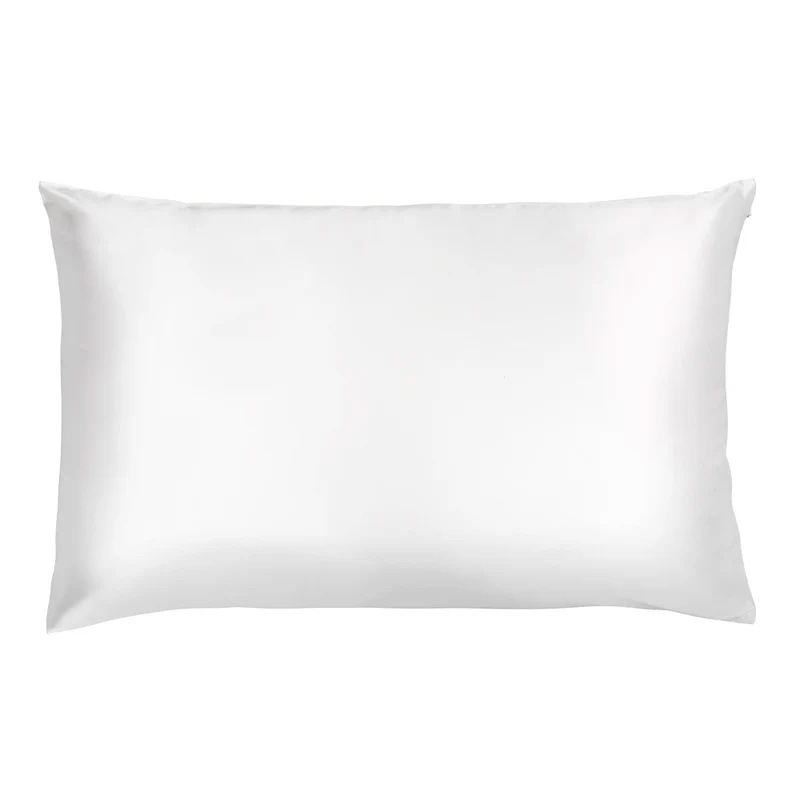
Your pillow shouldn’t steal your glow while you sleep. The lululinens LUXY LU 100% Mulberry Silk Pillowcase reduces friction, minimizes sleep creases, and keeps hair frizz-free. Pure mulberry silk offers temperature-regulating softness that’s hypoallergenic and gentle. Wake up looking as rested as you feel.
Mulberry silk represents the highest quality option. Manufacturers measure silk quality using momme weight, which indicates the fabric’s density. A range of 19-25 momme provides optimal durability and performance. Lower momme counts feel thin and wear quickly. Higher counts become unnecessarily heavy and expensive.
The protein structure in silk contains 18 amino acids. These amino acids share similarities with human skin proteins. This composition explains why silk causes minimal irritation even for sensitive skin types.
Benefits for Skin Health
Reduces Sleep Creases and Wrinkles
Cotton pillowcases create friction that tugs at facial skin during sleep. This friction forms temporary creases that can become permanent wrinkles over time. Silk’s smooth surface allows skin to glide freely. Your face experiences 43% less friction on silk compared to cotton.
Sleep position matters significantly. Side sleepers and stomach sleepers press their faces into pillows for 6-8 hours nightly. This prolonged contact accelerates wrinkle formation on cotton pillowcases. Silk minimizes this mechanical stress on skin.
Maintains Skin Hydration
Cotton absorbs moisture aggressively. A standard cotton pillowcase can pull significant amounts of water, natural oils, and skincare products from your face during sleep. This absorption leaves skin dehydrated by morning.
Silk absorbs minimal moisture. The material allows your skin to retain its natural hydration levels. Expensive night creams and serums stay on your face instead of transferring to your pillowcase. Users report improved skin texture within 2-3 weeks of switching to silk.
Reduces Acne and Breakouts
Cotton pillowcases harbor bacteria, dead skin cells, and oil buildup. These contaminants transfer back to your face each night. The absorption properties of cotton also mean the fabric stays damp from sweat and skincare products. This moisture creates an ideal environment for bacterial growth.
Silk’s smooth, less absorbent surface accumulates fewer bacteria. The material dries faster than cotton. Studies show silk pillowcases contain 67% fewer bacteria colonies after one week of use compared to cotton. Dermatologists recommend silk for acne-prone skin.
Benefits for Hair Care
Prevents Hair Breakage
Hair strands contain a protective outer layer called the cuticle. Cotton’s rough texture lifts and damages these cuticle scales. This damage appears as split ends, frizz, and breakage. You lose an estimated 20% more hair strands on cotton versus silk.
Silk allows hair to slide smoothly during sleep movements. The cuticle layer remains intact. This protection proves especially valuable for:
- Color-treated hair
- Chemically processed hair
- Curly or textured hair types
- Fine or thinning hair
- Hair extensions
Reduces Frizz and Tangles
Cotton creates static electricity through friction. This static causes hair strands to repel each other and stand up. The result is frizzy, unmanageable hair in the morning. Detangling becomes a painful process that causes additional breakage.
Silk generates minimal static. Hair maintains its natural smoothness. Users with curly hair report defined curls that last multiple days. Straight hair appears sleeker with enhanced shine.
Extends Hairstyle Longevity
Blowouts, curls, and straightened styles deteriorate rapidly on cotton pillowcases. The friction disrupts the hair pattern. Silk preserves your hairstyle’s shape and texture. Salon treatments last 2-3 days longer on average.
Professional hairstylists recommend silk pillowcases to clients who invest in expensive treatments like keratin smoothing or Brazilian blowouts. The reduced friction prevents premature style breakdown.
Temperature Regulation Properties
Silk functions as a natural temperature regulator. The material keeps you cool in summer and warm in winter. This thermoregulation occurs through silk’s unique fiber structure.
Breathability allows air circulation between silk fibers. Heat and moisture escape easily. You experience fewer night sweats and temperature fluctuations. Cotton traps heat and becomes uncomfortable as body temperature rises during sleep cycles.
The protein structure in silk wicks moisture away from skin 1.5 times faster than cotton. This moisture management prevents that clammy feeling common with cotton bedding.
Hypoallergenic Properties
Silk naturally resists common allergens. The material repels:
- Dust mites
- Mold spores
- Fungal growth
- Mildew
Dust mites cannot survive on silk because the smooth, tightly-woven fibers provide no suitable habitat. Cotton’s looser weave and moisture retention create ideal conditions for dust mite colonies. A single cotton pillowcase can harbor up to 16 species of fungi after regular use.
People with asthma, eczema, or allergic rhinitis report fewer symptoms after switching to silk pillowcases. The material also remains gentler on inflamed or irritated skin conditions.
Comparison: Silk vs. Other Pillowcase Materials
| Feature | Silk | Cotton | Satin (Polyester) | Bamboo |
|---|---|---|---|---|
| Friction Level | Very Low | High | Low | Medium |
| Moisture Absorption | Minimal (11%) | High (25%) | Minimal | High (40%) |
| Durability | High (5-10 years) | Medium (2-3 years) | Low (1-2 years) | Medium (3-5 years) |
| Temperature Control | Excellent | Poor | Poor | Good |
| Allergen Resistance | Excellent | Poor | Fair | Good |
| Price Range | $25-$100 | $5-$30 | $10-$25 | $15-$40 |
| Care Difficulty | Medium | Easy | Easy | Medium |
Your pillow shouldn’t steal your glow while you sleep. The lululinens LUXY LU 100% Mulberry Silk Pillowcase reduces friction, minimizes sleep creases, and keeps hair frizz-free. Pure mulberry silk offers temperature-regulating softness that’s hypoallergenic and gentle. Wake up looking as rested as you feel.
Selecting the Right Silk Pillowcase
Momme Weight Guidelines
Choose 19-22 momme for standard use. This weight provides sufficient durability while remaining soft and comfortable. Select 22-25 momme for extended longevity. Avoid products below 19 momme as they tear easily and lose shape quickly.
Silk Grade Categories
Grade 6A silk represents the highest quality. The silk comes from premium mulberry silkworms and contains no imperfections. Grade A silk contains minor irregularities but performs adequately. Grades B and C show visible defects and shorter lifespan.
Verify the product description specifies 100% pure mulberry silk. Blended products or unnamed silk varieties offer inferior performance.
Weave Type
Charmeuse weave creates silk’s signature smooth, glossy surface. One side appears shiny while the reverse shows a matte finish. Sleep on the shiny side for maximum benefits.
Habotai weave produces a lighter, more affordable option. The weave lacks charmeuse’s luxurious feel but still provides friction reduction.
Zipper vs. Envelope Closure
Zipper closures keep pillows secured inside the case. The zipper prevents bunching during sleep. Choose hidden zippers that won’t scratch your face.
Envelope closures use overlapping fabric flaps. These closures work adequately but allow pillows to shift position. The gap may irritate sensitive skin.
Proper Care and Maintenance
Washing Instructions
Hand wash silk pillowcases in cool water using pH-neutral detergent. Harsh detergents and hot water damage silk fibers permanently. Fill a basin with water, add 1 tablespoon of gentle detergent, and swirl the pillowcase for 3-5 minutes.
Machine washing requires a mesh laundry bag and delicate cycle. Use only cold water. Skip the fabric softener as it coats silk fibers and reduces their natural properties.
Drying Methods
Air drying preserves silk quality. Lay the pillowcase flat on a clean towel away from direct sunlight. UV rays degrade silk proteins and cause yellowing. Drying takes 4-6 hours depending on humidity levels.
Never use a machine dryer. High heat causes irreversible shrinkage and fiber damage. If urgent drying becomes necessary, use the coolest possible setting for under 10 minutes.
Washing Frequency
Wash silk pillowcases every 5-7 days. This schedule removes accumulated oils, skin cells, and product residue. More frequent washing causes unnecessary wear. Less frequent washing allows bacteria growth.
Own at least two pillowcases to maintain continuous use while washing one.
Storage Tips
Store clean silk pillowcases folded in a cool, dry location. Avoid plastic bags that trap moisture and encourage mildew. Use breathable cotton storage bags instead. Keep silk away from mothballs or cedar, which can leave permanent odors.
Cost Analysis and Value
Quality silk pillowcases cost $30-$80 per standard size. This price exceeds cotton by 5-10 times. However, silk lasts 5-10 years with proper care. Cotton pillowcases require replacement every 1-2 years.
Long-term cost breakdown:
- Silk: $50 initial cost ÷ 7 years = $7.14 per year
- Cotton: $10 initial cost ÷ 1.5 years = $6.67 per year
The slight cost difference becomes negligible considering silk’s superior benefits. Users also save money on:
- Fewer skincare products needed due to better hydration retention
- Reduced hair treatments and salon visits from less damage
- Lower allergy medication costs from improved allergen resistance
Common Concerns Addressed
Does silk feel too slippery? Silk provides smooth gliding without excessive slipping. Your pillow stays in place. The sensation takes 2-3 nights to adjust to initially.
Will my head overheat? Silk regulates temperature better than cotton. The material prevents overheating while maintaining comfortable warmth. Hot sleepers report improved comfort.
Is silk difficult to maintain? Hand washing takes 5 minutes. Machine washing on delicate cycle works effectively. Care requirements are manageable with minimal effort.
Do silk pillowcases work for all hair types? Silk benefits all hair textures. Curly, straight, fine, thick, and coily hair types all experience reduced friction and breakage.
Making the Switch
Start with one silk pillowcase to test the benefits. Most users notice skin and hair improvements within two weeks. Results become more pronounced after one month of consistent use.
Purchase from reputable sellers who specify silk grade, momme weight, and manufacturing details. Avoid suspiciously cheap products that likely contain synthetic materials or low-grade silk. Read customer reviews focusing on durability and actual results rather than initial impressions.
Your nightly sleep routine represents 1/3 of your life. The surface your face and hair contact for 8 hours deserves careful consideration. Silk pillowcases provide measurable improvements in skin health, hair quality, and sleep comfort. The investment pays returns through reduced damage and enhanced natural beauty.
Your pillow shouldn’t steal your glow while you sleep. The lululinens LUXY LU 100% Mulberry Silk Pillowcase reduces friction, minimizes sleep creases, and keeps hair frizz-free. Pure mulberry silk offers temperature-regulating softness that’s hypoallergenic and gentle. Wake up looking as rested as you feel.