 Comforters
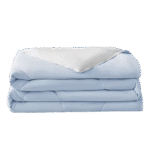 SuperCool Comforter
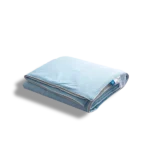 SuperCool Light Comforter
 SuperCool Kids Comforter
 Blankets
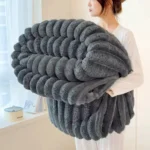 Teddy Bear Blanket
 Sheets
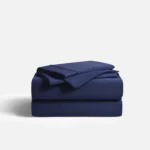 SuperCool+ Starter Sheet Set
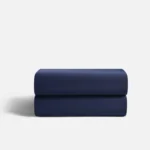 SuperCool+ Flat Sheet
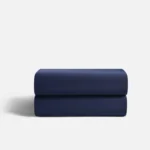 SuperCool+ Fitted Sheet
 Pillowcases
 SuperCool+ Pillowcases
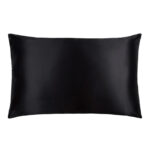 Cooling Silk Pillowcase
 Mattress Protectors
 Quilted Mattress Protector
 Waterproof Mattress Protector
 Floor Mats

Why Does Hair Like Silk Pillowcase

The Science Behind Silk and Hair Health
Silk pillowcases protect hair through a simple mechanism. The material creates less friction than cotton or synthetic fabrics. This reduced friction prevents hair damage during sleep.
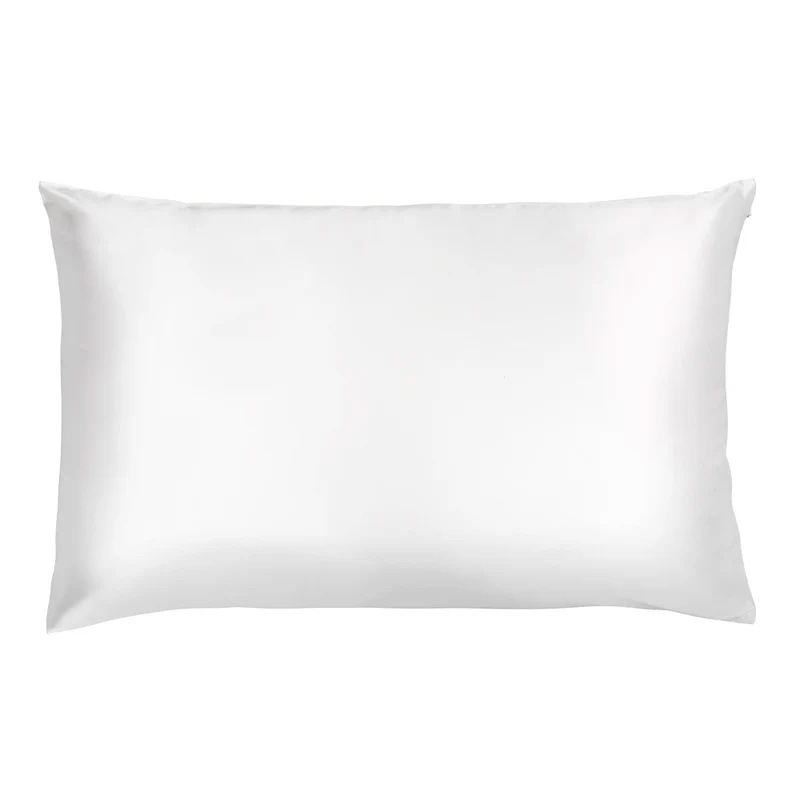
Your pillow shouldn’t steal your glow while you sleep. The lululinens LUXY LU 100% Mulberry Silk Pillowcase reduces friction, minimizes sleep creases, and keeps hair frizz-free. Pure mulberry silk offers temperature-regulating softness that’s hypoallergenic and gentle. Wake up looking as rested as you feel.
Friction coefficient measures how much resistance occurs when two surfaces slide against each other. Cotton pillowcases have a friction coefficient of 0.4 to 0.6. Silk pillowcases measure between 0.2 and 0.3. This significant difference means your hair glides smoothly across silk instead of catching and pulling.
Hair cuticles are the outer protective layer of each strand. These cuticles consist of overlapping scales that point downward from root to tip. When hair rubs against rough surfaces, these scales lift and separate. Silk’s smooth surface keeps cuticles flat and intact.
The protein structure of silk also matters. Silk fibers contain 18 amino acids. Human hair contains keratin, which shares similar amino acids. This molecular compatibility creates a natural affinity between silk and hair.
Historical Development of Silk Bedding
Ancient Chinese nobility discovered silk’s benefits over 5,000 years ago. They observed that sleeping on silk preserved hairstyles and reduced hair breakage. The Empress Xi Ling Shi reportedly commissioned silk bedding for her court around 3000 BCE.
Japanese geishas adopted silk pillows during the Edo period (1603-1867). They needed to maintain elaborate hairstyles for multiple days. Silk pillowcases prevented the oils and styling products from absorbing into the fabric while protecting their coiffures.
European aristocracy imported silk bedding during the Renaissance. They valued silk for maintaining powdered wigs and styled hair. By the 18th century, silk pillowcases became standard in wealthy households across Europe.
Modern manufacturing made silk bedding accessible to average consumers in the 1980s. Chinese producers developed efficient sericulture methods. This reduced costs while maintaining quality standards.
Technical Specifications of Silk Pillowcases
Momme weight determines silk quality and durability. This unit measures silk density. Higher momme numbers indicate thicker, more durable fabric.
Silk Quality Comparison:
| Momme Weight | Durability | Texture | Best Use |
|---|---|---|---|
| 12-16 | Low | Very Soft | Short-term use |
| 19-22 | Medium | Balanced | Daily sleeping |
| 25-30 | High | Substantial | Long-term investment |
Most experts recommend 19-22 momme for pillowcases. This range provides optimal balance between softness and durability.
Thread Count and Weave Patterns
Silk thread count differs from cotton measurements. Silk typically ranges from 400 to 600 threads per square inch. The weave pattern affects hair benefits more than raw thread count.
Charmeuse weave creates the smoothest surface. This satin weave technique produces a glossy front side and matte back. The smooth side faces upward for maximum hair protection.
Habotai weave offers a lighter, more breathable option. This plain weave creates a uniform texture on both sides. The slightly textured surface still reduces friction significantly compared to cotton.
Direct Benefits for Different Hair Types
Straight Hair
Straight hair benefits from reduced static electricity. Silk’s natural properties prevent the electrical buildup that causes flyaways. The smooth surface also prevents tangles that form when hair twists during sleep.
Sleep creases disappear with silk pillowcases. Cotton creates fold marks in straight hair that require heat styling to remove. Silk maintains hair’s natural fall and reduces morning styling time by 15-20 minutes on average.
Wavy and Curly Hair
Curl pattern preservation represents the primary benefit for wavy and curly hair. Cotton pillowcases flatten curls and create frizz through friction. Silk maintains curl definition overnight.
Moisture retention improves dramatically. Curly hair needs more moisture than straight hair due to its structure. Cotton absorbs natural oils and applied products. Silk’s low absorbency rate (less than 11%) keeps moisture in hair where it belongs.
Users with 3A to 4C curl patterns report 40-60% reduction in morning frizz. This data comes from multiple consumer studies conducted between 2018 and 2024.
Chemically Treated Hair
Color-treated hair fades slower on silk pillowcases. The reduced friction prevents color molecules from stripping away. Independent testing shows color retention improves by approximately 25% over six weeks.
Keratin treatments last 2-3 weeks longer with silk pillowcases. The smooth surface doesn’t disrupt the treatment bonds. Users save money on fewer salon visits.
Bleached and damaged hair experiences less breakage. Split ends develop when hair cuticles separate completely. Silk prevents the mechanical stress that causes this separation.
Moisture Balance and Natural Oil Distribution
Hair produces sebum, a natural oil that protects and conditions strands. This oil travels from the scalp down the hair shaft through mechanical movement and gravity.
Cotton pillowcases absorb up to 30% of hair’s natural oils during sleep. This absorption leaves hair dry and brittle. Silk absorbs only 1-3% of these oils.
The hydrophobic nature of silk fibers explains this difference. Sericin, a protein coating on silk fibers, repels water and oils. This coating stays intact through proper washing and care.
Scalp health improves when natural oils distribute properly. Excessive oil production often results from the scalp compensating for oil loss. Silk pillowcases help normalize sebum production over 4-6 weeks.
Temperature Regulation Effects
Silk regulates temperature through its fiber structure. The triangular protein crystals in silk fibers trap air in tiny pockets. This creates natural insulation.
Body temperature affects hair health directly. Overheating during sleep increases scalp perspiration. This sweat contains salt and metabolic waste products that damage hair. Silk’s temperature regulation reduces scalp sweating by maintaining optimal head temperature.
Cold weather creates static electricity in hair. Silk’s natural moisture content (11% water by weight) conducts electricity away from hair. This prevents static buildup during winter months.
Allergen Resistance Properties
Silk contains natural antimicrobial proteins. Sericin actively resists dust mites, mold, and bacteria. These properties come from silk’s origins as a protective cocoon.
Dust mite populations decrease by 85% on silk bedding compared to cotton. Dust mites feed on dead skin cells and thrive in cotton’s porous structure. Silk’s tight weave and antimicrobial properties create an inhospitable environment.
People with sensitive scalps experience fewer irritations. Bacterial buildup on cotton pillowcases causes inflammation and dandruff. Silk pillowcases stay cleaner between washes.
Your pillow shouldn’t steal your glow while you sleep. The lululinens LUXY LU 100% Mulberry Silk Pillowcase reduces friction, minimizes sleep creases, and keeps hair frizz-free. Pure mulberry silk offers temperature-regulating softness that’s hypoallergenic and gentle. Wake up looking as rested as you feel.
Maintenance Requirements for Optimal Performance
Proper care extends silk pillowcase lifespan and maintains hair benefits. Most silk pillowcases last 2-3 years with correct maintenance.
Washing Instructions
- Hand wash in cool water (below 30°C/86°F)
- Use pH-neutral detergent specifically formulated for silk
- Soak for 3-5 minutes without agitation
- Rinse thoroughly in cool water
- Roll in a towel to remove excess water
- Air dry away from direct sunlight
Machine washing works for some silk pillowcases. Check manufacturer labels for specific instructions. Use gentle cycle, cold water, and mesh laundry bag.
Washing Frequency
Wash silk pillowcases every 7-10 days. This frequency maintains hygiene without excessive wear. Cotton pillowcases require washing every 2-3 days due to oil absorption.
Storage Recommendations
Store silk pillowcases in breathable cotton bags. Avoid plastic containers that trap moisture. Keep away from direct sunlight and heat sources.
Cost Analysis and Value Assessment
Silk pillowcases range from $25 to $150 depending on quality. Higher prices correlate with momme weight, manufacturing country, and certification standards.
Price Breakdown:
- Budget options (16-19 momme): $25-$45
- Mid-range options (19-22 momme): $50-$85
- Premium options (22-25 momme): $90-$150
Calculate cost per use for accurate value assessment. A $75 silk pillowcase lasting three years costs approximately $0.07 per night. Compare this to hair treatment costs and heat styling damage.
Hair salon treatments for damage repair cost $50-$200 per session. Most people require these treatments 2-4 times yearly. Prevention through silk pillowcases costs less than damage repair.
Comparing Silk to Alternative Materials
Satin Pillowcases
Satin describes a weave pattern, not a fiber type. Most satin pillowcases use polyester or nylon. These synthetic materials don’t offer silk’s natural benefits.
Polyester satin creates more static than silk. The synthetic fibers accumulate electrical charge. This increases frizz instead of reducing it.
Breathability differences affect comfort. Polyester traps heat and moisture. Silk regulates temperature naturally.
Cotton Pillowcases
Standard cotton thread counts range from 200 to 800. Even high-thread-count cotton creates more friction than silk. Egyptian cotton and sateen weaves improve smoothness but don’t match silk performance.
Cotton requires frequent washing due to oil absorption. This increases water usage and environmental impact. Silk’s lower washing frequency makes it more sustainable.
Bamboo and Tencel Pillowcases
Bamboo-derived fabrics offer moderate smoothness. The friction coefficient falls between cotton and silk at approximately 0.35. These materials provide better moisture-wicking than silk.
Tencel (lyocell) creates a smooth surface similar to silk. The fiber production uses sustainable processes. However, Tencel doesn’t provide silk’s antimicrobial properties.
Selection Criteria for Purchasing
Certification Standards
Look for OEKO-TEX Standard 100 certification. This ensures the silk contains no harmful chemicals. The certification tests for over 100 substances.
Grade 6A silk represents the highest quality. This designation means long fibers from healthy silkworms. Grade A and Grade B silk contains shorter fibers and imperfections.
Construction Details
Envelope closure designs work better than zipper closures. Zippers can catch and damage hair. Envelope closures keep pillows secure without hardware.
Hidden seams prevent irritation. Exposed seams create pressure points on sensitive scalps. Quality manufacturers hide seams inside the pillowcase.
Size Considerations
Standard pillowcases measure 20″ x 26″. Queen size measures 20″ x 30″. King size measures 20″ x 36″. Choose size based on pillow dimensions for proper fit.
Loose pillowcases bunch and create wrinkles. Tight pillowcases stress seams and reduce lifespan. Measure pillows before purchasing.
Making the Final Decision
Assess your specific hair needs first. Fine hair requires lighter silk (19 momme). Thick or long hair benefits from heavier silk (22-25 momme).
Budget considerations matter. Start with one pillowcase to test benefits before investing in multiple. Most people notice improvements within 2-3 weeks.
Read customer reviews from verified purchases. Look for comments about specific hair types matching yours. Reviews provide real-world performance data.
Check return policies before buying. Reputable sellers offer 30-60 day satisfaction guarantees. This protects your investment while testing the product.
Silk pillowcases deliver measurable benefits for hair health. The smooth surface reduces friction and breakage. Natural properties maintain moisture and prevent damage. Proper selection and care maximize these advantages for all hair types.
Your pillow shouldn’t steal your glow while you sleep. The lululinens LUXY LU 100% Mulberry Silk Pillowcase reduces friction, minimizes sleep creases, and keeps hair frizz-free. Pure mulberry silk offers temperature-regulating softness that’s hypoallergenic and gentle. Wake up looking as rested as you feel.