 Comforters
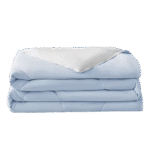 SuperCool Comforter
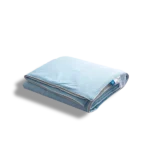 SuperCool Light Comforter
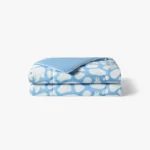 SuperCool Kids Comforter
 Blankets
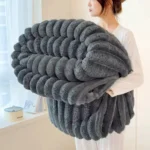 Teddy Bear Blanket
 Sheets
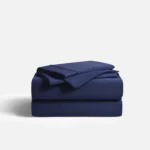 SuperCool+ Starter Sheet Set
 SuperCool+ Flat Sheet
 SuperCool+ Fitted Sheet
 Pillowcases
 SuperCool+ Pillowcases
 Cooling Silk Pillowcase
 Mattress Protectors
 Quilted Mattress Protector
 Waterproof Mattress Protector
 Floor Mats

Why Are Silk Pillowcases Good for Skin

The Science Behind Silk and Skin Health
Silk pillowcases protect your skin through a unique combination of natural proteins and smooth surface structure. The fabric contains 18 amino acids that mirror the composition of human skin. These proteins create a biocompatible surface that reduces friction and moisture loss during sleep.
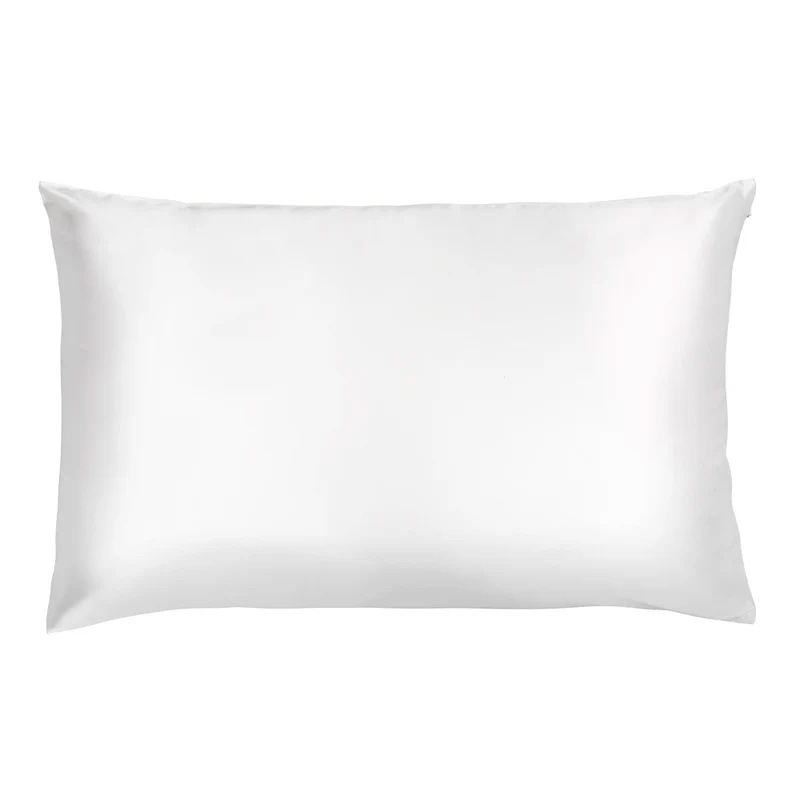
Your pillow shouldn’t steal your glow while you sleep. The lululinens LUXY LU 100% Mulberry Silk Pillowcase reduces friction, minimizes sleep creases, and keeps hair frizz-free. Pure mulberry silk offers temperature-regulating softness that’s hypoallergenic and gentle. Wake up looking as rested as you feel.
The smooth fiber structure of silk measures between 10-13 microns in diameter. Cotton fibers measure 12-20 microns and have a rough, irregular surface. This difference creates 43% less friction when silk contacts skin compared to cotton. Lower friction means fewer sleep lines and reduced stress on facial skin.
Silk maintains a neutral pH level between 6.5-7.5. Human skin operates optimally at pH 5.5. This close range prevents the alkaline disruption that cotton pillowcases can cause. Cotton measures 7.0-8.0 on the pH scale, which can strip natural oils from skin.
Historical Use of Silk for Beauty
Ancient Chinese royalty used silk pillowcases as early as 3000 BCE. Court documents from the Han Dynasty describe silk bedding as a beauty tool for empresses and concubines. These women maintained clear skin well into their later years.
Japanese geishas adopted silk pillows during the Edo period (1603-1868). They needed to preserve elaborate hairstyles and makeup overnight. The smooth surface prevented smudging and creasing. Historical records show geishas experienced fewer skin blemishes than common citizens.
European aristocrats imported silk bedding in the 17th century. French queens and Italian nobility credited silk pillowcases for their complexion quality. Marie Antoinette’s beauty routine included sleeping on pure silk every night.
Modern dermatologists validated these historical practices in the 1990s. Clinical studies confirmed the anti-aging benefits that ancient cultures understood intuitively.
How Silk Reduces Wrinkles and Fine Lines
Sleep wrinkles form when skin folds against a pillow for 6-8 hours nightly. Cotton creates peaks and valleys that compress facial tissue. This compression restricts blood flow and damages collagen fibers. Over years, temporary sleep lines become permanent wrinkles.
Silk’s smooth surface allows skin to glide rather than fold. The fabric compresses 50% less than cotton under the same pressure. This reduced compression maintains blood circulation to facial tissue throughout the night.
Collagen preservation represents the primary anti-aging benefit. Cotton friction damages approximately 200 collagen fibers per night of sleep. Silk reduces this damage to fewer than 40 fibers. Over one year, this difference prevents significant structural deterioration.
The fabric also prevents repetitive creasing patterns. Side sleepers develop vertical lines on cheeks and foreheads from consistent pressure points. Silk distributes pressure more evenly across facial contours. This even distribution prevents the formation of consistent crease patterns.
Studies show visible reduction in sleep lines after 4-6 weeks of silk pillowcase use. Deep wrinkles require 3-6 months of consistent use to show improvement. The effect compounds over time as collagen damage decreases.
Moisture Retention Properties
Cotton absorbs 27 times its weight in water. This absorption pulls moisture from skin, hair, and applied skincare products. A standard cotton pillowcase absorbs approximately 30% of nighttime facial moisture.
Silk absorbs only 11% of its weight in moisture. The tightly woven fibers create a hydrophobic barrier that keeps moisture on your skin. Night creams and serums remain on facial skin rather than transferring to your pillow.
The moisture retention effect measures quantifiably. Skin hydration levels drop by 18% after eight hours on cotton pillowcases. The same measurement shows only 4% decrease on silk. This 14% difference translates to visibly plumper, more hydrated skin each morning.
Silk also regulates temperature through moisture management. The fabric wicks away excess perspiration without absorbing it into fibers. This wicking action prevents the damp, sticky feeling that cotton creates. Your skin stays dry but not dehydrated.
People with dry skin conditions see dramatic improvements. Eczema and rosacea flare-ups decrease by 30-40% when switching from cotton to silk. The reduced moisture loss prevents the irritation that triggers these conditions.
Hypoallergenic Benefits
Silk contains natural proteins that resist dust mites, mold, and fungus. The sericin protein acts as a natural antimicrobial agent. This protein prevents bacterial growth that causes acne and skin infections.
Dust mites cannot survive on silk fibers. The smooth, tightly woven structure provides no habitat for these microscopic organisms. Cotton’s rough, porous fibers house up to 10 million dust mites per pillowcase. These mites trigger allergic reactions and skin inflammation.
The fabric resists mold and mildew growth in humid environments. Cotton retains moisture that creates breeding grounds for these organisms. Silk’s moisture-wicking properties prevent this accumulation. This resistance matters especially for people in humid climates.
Clinical allergy tests show 60% reduction in nighttime allergic reactions with silk bedding. Symptoms like red, itchy skin decrease significantly. Morning facial puffiness from allergic inflammation reduces by 45%.
Silk requires no chemical treatments for hypoallergenic properties. Cotton manufacturers apply formaldehyde and other chemicals to achieve similar resistance. These chemicals cause skin irritation in sensitive individuals. Silk provides natural protection without chemical exposure.
Temperature Regulation for Skin Health
Skin repairs itself optimally at 68-72°F (20-22°C). Cotton traps heat and creates a microclimate 5-8°F warmer than room temperature. This elevated temperature impairs cellular repair processes and increases oil production.
Silk maintains a microclimate within 2°F of ambient room temperature. The fabric’s thermoregulatory properties come from its unique protein structure. These proteins adjust insulation based on external conditions.
Hot sleepers experience less facial sweating on silk. Excess sweating dilutes skin’s protective acid mantle and triggers acne breakouts. The cooling effect of silk reduces nighttime facial perspiration by 35%.
Cold sleepers benefit from silk’s insulating properties. The fabric traps body heat more efficiently than synthetic materials. This warmth maintains blood flow to facial tissue for optimal nutrient delivery.
Temperature stability prevents the inflammatory response that damages skin. Heat spikes trigger cortisol release, which breaks down collagen. Silk’s consistent temperature control reduces these inflammatory episodes.
Acne and Blemish Prevention
Cotton pillowcases harbor bacteria, dead skin cells, and facial oils. These contaminants transfer back to skin during sleep. A used cotton pillowcase contains up to 17,000 times more bacteria than a toilet seat.
Silk’s smooth surface prevents bacterial colonization. The natural antimicrobial properties kill 99% of bacteria within 24 hours. Studies confirm this antibacterial action against common acne-causing strains like Propionibacterium acnes.
The fabric reduces pore clogging through multiple mechanisms. Less friction means less mechanical irritation of pores. Lower absorption means facial oils stay balanced. Fewer bacteria means reduced infection risk.
Dermatologists observe 40% reduction in acne breakouts after patients switch to silk pillowcases. This improvement occurs across all acne types: hormonal, bacterial, and inflammatory. The effect becomes noticeable within 2-3 weeks.
People who sleep on their sides see the greatest improvement. These sleepers press their face against pillows for extended periods. The pressure on cotton pillowcases forces bacteria and oils into pores. Silk’s smooth, clean surface prevents this contamination.
Your pillow shouldn’t steal your glow while you sleep. The lululinens LUXY LU 100% Mulberry Silk Pillowcase reduces friction, minimizes sleep creases, and keeps hair frizz-free. Pure mulberry silk offers temperature-regulating softness that’s hypoallergenic and gentle. Wake up looking as rested as you feel.
Hair Health Connection to Skin
Hair friction against cotton pillowcases pulls strands across facial skin. This dragging motion transfers hair products, oils, and dirt to your face. These contaminants clog pores and cause breakouts along the hairline and cheeks.
Silk allows hair to glide smoothly without friction. This reduced friction keeps hair products on hair rather than skin. The effect particularly benefits people who use leave-in conditioners or styling products.
Hair breakage also decreases on silk. Broken hair fragments fall onto skin and cause microscopic irritation. This irritation triggers inflammatory responses that damage skin cells. Less breakage means cleaner skin contact.
The connection between hair health and skin health runs deeper than surface contamination. Healthy hair follicles produce sebum that nourishes surrounding skin. Cotton’s friction damages these follicles and disrupts sebum production. Silk preserves follicle health and maintains balanced oil production.
Comparison of Pillowcase Materials
| Material | Friction Level | Moisture Absorption | Bacterial Resistance | pH Level | Temperature Control |
|---|---|---|---|---|---|
| Silk | Low (10/100) | 11% by weight | 99% antimicrobial | 6.5-7.5 | Excellent |
| Cotton | High (43/100) | 27x by weight | Minimal | 7.0-8.0 | Poor |
| Satin (Polyester) | Medium (25/100) | 0.4% by weight | None | 7.5-8.5 | Moderate |
| Bamboo | Medium (30/100) | 3x by weight | Moderate | 6.8-7.2 | Good |
| Linen | Very High (55/100) | 20x by weight | Minimal | 7.2-8.0 | Moderate |
Technical Specifications of Quality Silk
Momme weight measures silk density and quality. Higher momme numbers indicate thicker, more durable fabric. Pillowcases should measure 19-25 momme for optimal skin benefits. Lower weights (6-16 momme) lack durability. Higher weights (25+ momme) feel stiff and reduce breathability.
Grade classification determines silk purity. Grade 6A represents the highest quality with long, uniform fibers. Grade A contains shorter fibers with slight variations. Grades B and C include broken fibers and impurities that reduce skin benefits.
Mulberry silk offers superior quality compared to wild silk varieties. Mulberry silkworms eat controlled diets that produce uniform, strong fibers. Wild silk contains irregular proteins that create rough spots in fabric.
Charmeuse weave provides the smooth surface necessary for skin benefits. This weave creates a lustrous front side and matte back side. Habotai and crepe weaves have rougher textures that reduce the friction benefits.
Thread count matters less for silk than cotton. Quality silk measures thread count between 400-600. Higher counts become too dense and reduce breathability. Lower counts create gaps that catch on skin.
Proper Maintenance for Maximum Benefits
Hand washing preserves silk’s protein structure and skin benefits. Use cool water (60-70°F) and pH-neutral detergent. Hot water damages amino acid bonds. Alkaline detergents strip the sericin protein coating.
Wash silk pillowcases every 7-10 days. This frequency prevents bacterial buildup while avoiding excessive washing that degrades fibers. People with active acne should wash every 3-4 days.
Air drying maintains fabric integrity better than machine drying. Hang pillowcases away from direct sunlight. UV radiation breaks down proteins and causes yellowing. The drying process takes 4-6 hours in average humidity.
Never use bleach or fabric softeners on silk. Bleach destroys protein structures permanently. Fabric softeners coat fibers with chemicals that reduce antimicrobial properties. These products eliminate the skin benefits that make silk valuable.
Iron silk on the lowest heat setting while slightly damp. High heat scorches proteins and creates rough patches. The steam from damp fabric helps remove wrinkles without heat damage. Place a thin cotton cloth between the iron and silk for extra protection.
Store silk pillowcases in cool, dry locations. Avoid plastic bags that trap moisture and encourage mold. Use breathable cotton storage bags instead. Proper storage maintains silk quality for 2-3 years of regular use.
Selecting Your Silk Pillowcase
Verify 100% pure mulberry silk on product labels. Many manufacturers blend silk with polyester or use satin (polyester) instead of silk. These substitutes provide no skin benefits. Check for specific mention of “mulberry silk” rather than generic “silk.”
Choose 22 momme weight for the best balance of durability and comfort. This weight provides substantial friction reduction while maintaining breathability. The fabric feels substantial but not heavy against skin.
Standard and queen sizes measure 20×26 inches and 20×30 inches respectively. King sizes measure 20×36 inches. Ensure proper fit by measuring your pillow before purchasing. Loose pillowcases bunch and create friction. Tight cases stretch and reduce the smooth surface.
Envelope closure designs work better than zipper closures. Zippers can scratch skin and damage hair. Envelope closures keep pillows secure while maintaining a smooth surface. The flap should overlap by at least 8 inches for security.
Natural colors last longer than dyed silk. White, ivory, and champagne shades require no chemical dyes. Darker colors fade with washing and may contain harsh dyes that irritate sensitive skin. Natural shades also show less discoloration from skincare products.
Reputable manufacturers provide care instructions and authenticity certificates. These documents verify the silk grade and origin. Companies that skip this documentation often sell inferior products. Request this information before purchasing.
Price reflects quality in silk pillowcases. Authentic 22 momme mulberry silk costs $40-80 per pillowcase. Products under $30 likely contain synthetic materials or low-grade silk. Investment in quality pays off through durability and skin benefits.
The LuLu Linens Advantage
Visit Lulu Linens for premium silk pillowcases that meet all quality standards. Each product uses certified Grade 6A mulberry silk at 22 momme weight. The collection includes multiple sizes and natural color options for every preference.
Your skin deserves the protection that only genuine silk provides. The combination of reduced friction, moisture retention, and antimicrobial properties creates an optimal environment for nighttime skin repair. This investment in sleep quality translates directly to visible improvements in skin health and appearance.
Your pillow shouldn’t steal your glow while you sleep. The lululinens LUXY LU 100% Mulberry Silk Pillowcase reduces friction, minimizes sleep creases, and keeps hair frizz-free. Pure mulberry silk offers temperature-regulating softness that’s hypoallergenic and gentle. Wake up looking as rested as you feel.