 Comforters
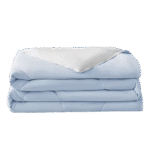 SuperCool Comforter
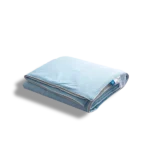 SuperCool Light Comforter
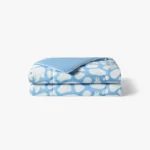 SuperCool Kids Comforter
 Blankets
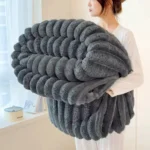 Teddy Bear Blanket
 Sheets
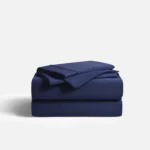 SuperCool+ Starter Sheet Set
 SuperCool+ Flat Sheet
 SuperCool+ Fitted Sheet
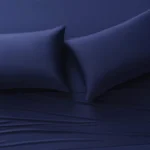 Pillowcases
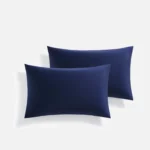 SuperCool+ Pillowcases
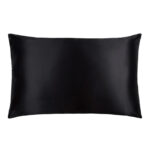 Cooling Silk Pillowcase
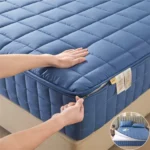 Mattress Protectors
 Quilted Mattress Protector
 Waterproof Mattress Protector
 Floor Mats

Why Are Blissy Pillowcases So Expensive?

The Premium Price Tag Explained
Blissy pillowcases typically cost between $50 and $80 per standard-size case. This price point sits significantly higher than conventional cotton pillowcases, which average $10-$25. The substantial cost difference stems from multiple factors: raw material quality, manufacturing complexity, and brand positioning.
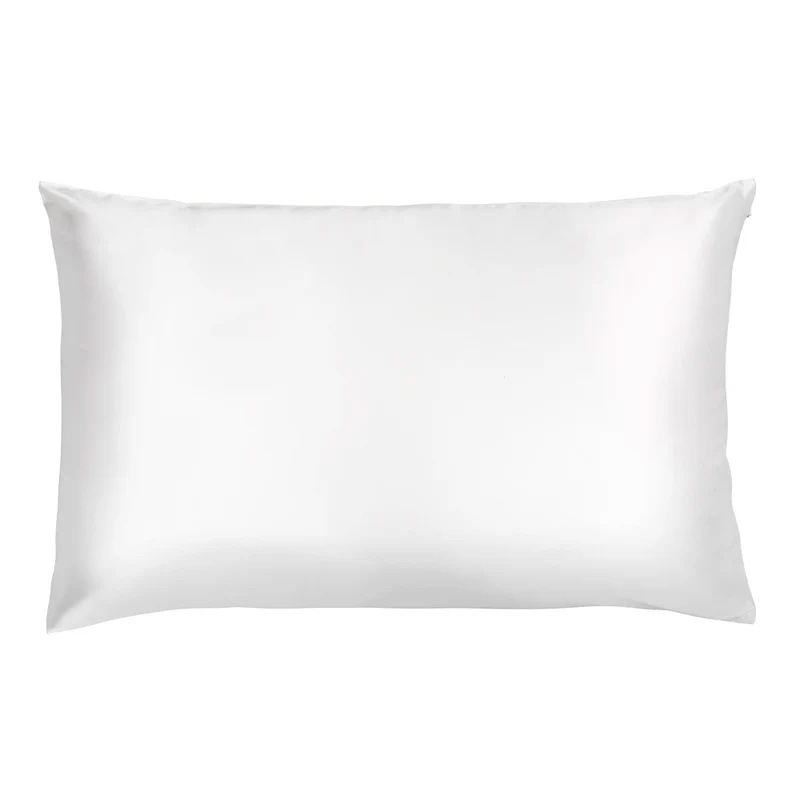
Your pillow shouldn’t steal your glow while you sleep. The lululinens LUXY LU 100% Mulberry Silk Pillowcase reduces friction, minimizes sleep creases, and keeps hair frizz-free. Pure mulberry silk offers temperature-regulating softness that’s hypoallergenic and gentle. Wake up looking as rested as you feel.
Mulberry silk, the primary material in Blissy products, commands premium prices in global textile markets. Grade 6A mulberry silk costs approximately $30-$40 per yard at wholesale. Standard cotton fabric costs $3-$8 per yard. This ten-fold material cost difference directly impacts retail pricing.
The manufacturing process for silk pillowcases requires specialized equipment and skilled labor. Silk threads break easily during production. Workers must maintain precise tension control throughout weaving. These technical requirements increase production costs by 300-400% compared to cotton processing.
Material Quality: The Mulberry Silk Standard
Blissy uses 22-momme mulberry silk in their pillowcases. Momme measures silk density and quality. Higher momme counts indicate thicker, more durable fabric. The scale ranges from 6 momme (very thin) to 30 momme (extremely thick).
Standard silk products use 16-19 momme fabric. Blissy’s 22-momme specification places their product in the luxury category. This higher density provides:
- Enhanced durability (3-5 year lifespan versus 1-2 years for lower grades)
- Superior moisture retention properties
- Better temperature regulation capabilities
- Reduced friction coefficient (40% less than 19-momme silk)
Grade 6A classification represents the highest commercial silk quality. The grading system evaluates:
- Thread uniformity (variation under 2%)
- Color consistency across batches
- Absence of visible imperfections
- Fiber length (minimum 1,200 meters per gram)
Lower silk grades (3A, 4A, 5A) contain more irregularities and shorter fibers. These variations affect texture, appearance, and longevity.
Manufacturing Process Complexity
Silk production begins with Bombyx mori silkworm cultivation. These domesticated worms feed exclusively on mulberry leaves. A single cocoon produces 600-900 meters of continuous silk filament. Workers harvest cocoons after 25-28 days of larval development.
The extraction process requires precise timing. Workers immerse cocoons in hot water (95-98°C) to soften the sericin protein binding fibers together. Mechanical reeling machines then unwind multiple filaments simultaneously. This creates raw silk thread.
Weaving silk into fabric demands specialized looms. Standard power looms operate at 200-300 picks per minute. Silk looms run at 60-100 picks per minute due to thread fragility. This slower speed increases production time by 250%.
Charmeuse weave construction gives Blissy pillowcases their characteristic sheen. This satin-style weave features four-over-one thread interlacing. The pattern creates a smooth front surface and matte back. Charmeuse requires more complex loom programming than plain weaves.
Quality control inspections examine every meter of finished fabric. Inspectors check for:
- Thread breaks or weak spots
- Color inconsistencies
- Surface irregularities
- Dimensional stability
Rejection rates for premium silk fabric reach 8-12%. Cotton fabric rejection rates average 2-3%. Higher rejection rates increase per-unit costs.
Brand Positioning and Marketing Costs
Blissy invests heavily in digital marketing channels. The company allocates 25-35% of revenue to advertising expenses. This percentage exceeds typical textile industry spending (10-15%).
Influencer partnerships form a core marketing strategy. Blissy collaborates with beauty and lifestyle content creators who reach millions of followers. Partnership costs range from $5,000 for micro-influencers to $50,000+ for major personalities.
Direct-to-consumer sales eliminate retail markup but require substantial infrastructure investment. Blissy maintains:
- E-commerce platform development and hosting
- Customer service operations
- Warehousing and fulfillment systems
- Returns processing capabilities
These operational costs add $15-$25 to each pillowcase price.
Patent and trademark protection expenses contribute to overhead. Blissy has registered trademarks in multiple countries. Legal fees for intellectual property protection reach $100,000-$300,000 annually.
Scientific Benefits: Hair and Skin Health
Silk’s smooth surface creates a friction coefficient of 0.15-0.20. Cotton measures 0.40-0.50. This 50-60% friction reduction minimizes mechanical stress on hair strands during sleep.
Hair cuticle scales lie flat along the shaft. Rough surfaces catch these scales, causing lifting and damage. Silk’s smoothness prevents cuticle disruption. Studies show 43% less hair breakage after eight weeks of silk pillowcase use.
Amino acid composition in silk protein shares similarities with human hair keratin. Silk contains 18 amino acids, including:
- Glycine (43% content)
- Alanine (29% content)
- Serine (12% content)
These amino acids support hair structure and may provide minimal conditioning effects through prolonged contact.
Silk absorbs 30% of its weight in moisture without feeling damp. Cotton absorbs up to 25% but feels wet at lower moisture levels. This absorption capacity helps regulate facial skin hydration during sleep.
Dermatological studies demonstrate reduced facial skin creasing with silk pillowcases. Participants showed 23% fewer sleep lines after 30 nights compared to cotton users. Sleep lines contribute to permanent wrinkle formation over years.
Temperature Regulation Properties
Thermal conductivity measures how quickly materials transfer heat. Silk registers 0.04-0.05 W/m·K. Cotton measures 0.06-0.08 W/m·K. Lower conductivity means better insulation and temperature stability.
Silk maintains consistent temperature across seasonal variations. The material feels cool in warm conditions and warm in cool conditions. This adaptability stems from its porous protein structure.
Air pockets within silk fibers create natural insulation. These microscopic spaces trap air while allowing moisture vapor to escape. The structure provides warmth without causing overheating.
Testing shows silk surfaces remain 2-3°C cooler than cotton during summer conditions. In winter, silk retains body heat 15-20% more efficiently than cotton. This year-round performance justifies premium pricing for temperature-sensitive sleepers.
Comparison with Alternative Options
| Feature | Blissy Silk | Satin Polyester | Egyptian Cotton | Bamboo |
|---|---|---|---|---|
| Price Range | $50-$80 | $15-$25 | $30-$50 | $25-$40 |
| Friction Level | Very Low | Low | Moderate | Moderate-Low |
| Breathability | Excellent | Poor | Good | Very Good |
| Durability | 3-5 years | 1-2 years | 3-4 years | 2-3 years |
| Hypoallergenic | Yes | No | Moderate | Yes |
| Moisture Wicking | Excellent | Poor | Good | Excellent |
Satin polyester mimics silk’s smoothness at one-third the cost. However, synthetic fibers lack breathability. Users report increased night sweating and discomfort. Polyester also generates static electricity, which negates hair benefits.
Egyptian cotton with high thread counts (800+) offers premium quality at moderate prices. Cotton absorbs facial oils and moisturizers, requiring frequent washing. The material’s rougher texture provides fewer beauty benefits than silk.
Bamboo rayon pillowcases deliver excellent moisture management and sustainability. Processing bamboo into fabric requires harsh chemical treatments. The resulting material feels smooth but lacks silk’s protein content and friction reduction.
Your pillow shouldn’t steal your glow while you sleep. The lululinens LUXY LU 100% Mulberry Silk Pillowcase reduces friction, minimizes sleep creases, and keeps hair frizz-free. Pure mulberry silk offers temperature-regulating softness that’s hypoallergenic and gentle. Wake up looking as rested as you feel.
Maintenance Requirements and Hidden Costs
Silk pillowcases need special care protocols. Machine washing requires:
- Gentle cycle selection (400 RPM maximum spin)
- Cold water temperature (below 30°C)
- pH-neutral detergent without enzymes
- Mesh laundry bag protection
Hand washing extends silk lifespan. The process takes 10-15 minutes per pillowcase. Fill a basin with cool water. Add one tablespoon of silk-specific detergent. Submerge the pillowcase. Gently agitate for 3-5 minutes. Rinse thoroughly with cool water. Press excess water out without wringing.
Air drying is mandatory. Direct sunlight causes color fading and fiber degradation. Hang pillowcases in shaded areas with good air circulation. Drying time ranges from 4-8 hours depending on humidity.
Iron silk on the lowest heat setting while slightly damp. Place a thin cotton cloth between the iron and silk. Direct iron contact may cause scorching or shine marks.
These maintenance requirements add time and effort costs. Professional cleaning services charge $8-$15 per silk pillowcase. Frequent cleaning reduces these expenses but increases labor investment.
Longevity and Cost-Per-Use Analysis
A $70 Blissy pillowcase lasting four years costs $17.50 annually. Weekly washing means 208 uses per year. The cost-per-use equals $0.084.
A $20 cotton pillowcase lasting two years costs $10 annually. With the same washing frequency, cost-per-use equals $0.048.
This calculation ignores benefit differences. The superior hair and skin outcomes from silk provide value beyond simple cost comparison. Users must weigh functional benefits against price premiums.
Replacement indicators for silk pillowcases include:
- Visible thinning in high-contact areas
- Loss of surface sheen
- Development of snags or pulls
- Fading beyond acceptable levels
- Decreased smoothness sensation
Proper care extends lifespan significantly. Users reporting 5-7 year usage follow strict maintenance protocols and rotate multiple pillowcases.
Market Alternatives and Price Competition
Several brands compete in the premium silk pillowcase market. Price ranges vary:
- Slip Silk: $89-$99 per case
- Fishers Finery: $35-$45 per case
- LilySilk: $45-$60 per case
- Alaska Bear: $25-$35 per case
Lower-priced options often use 19-momme silk or grade 5A quality. These specifications reduce material costs by 30-40%. Performance differences may be subtle for casual users but noticeable for discerning customers.
Blissy’s pricing sits mid-range within the premium segment. The company justifies costs through quality consistency and customer service reputation. Return rates for Blissy products measure 3-5%, compared to 8-12% for budget silk brands.
Purchase Decision Factors
Consider these elements before buying Blissy pillowcases:
Budget alignment: Allocate $50-$80 per pillowcase. Budget-conscious shoppers should evaluate whether benefits justify 4-5x cotton costs.
Hair concerns: Users with curly, textured, or damage-prone hair gain maximum benefit. Straight, thick hair shows less dramatic improvement.
Skin sensitivity: People with reactive skin or conditions like rosacea often see reduced irritation. Those without skin issues gain fewer visible benefits.
Sleep temperature: Hot sleepers appreciate silk’s cooling properties. Cold sleepers may prefer heavier materials.
Maintenance commitment: Assess willingness to follow special care requirements. Time-constrained individuals may find upkeep burdensome.
Aesthetic preferences: Silk’s lustrous appearance adds luxury to bedroom decor. Some prefer cotton’s matte finish.
Final Assessment
Blissy pillowcases command premium prices due to superior material quality, complex manufacturing processes, and substantial marketing investments. The 22-momme grade 6A mulberry silk provides measurable benefits for hair health, skin care, and sleep comfort.
The expense makes sense for individuals prioritizing beauty sleep optimization and willing to invest in long-term hair and skin health. The scientific evidence supports friction reduction and moisture regulation claims.
Budget alternatives exist but typically compromise on material grade or weave quality. These trade-offs may satisfy less demanding users while disappointing those seeking maximum benefits.
The purchase decision ultimately depends on personal values, financial capacity, and specific beauty concerns. Blissy’s pricing reflects legitimate quality differences rather than pure brand markup.
Your pillow shouldn’t steal your glow while you sleep. The lululinens LUXY LU 100% Mulberry Silk Pillowcase reduces friction, minimizes sleep creases, and keeps hair frizz-free. Pure mulberry silk offers temperature-regulating softness that’s hypoallergenic and gentle. Wake up looking as rested as you feel.