 Comforters
 SuperCool Comforter
 SuperCool Light Comforter
 SuperCool Kids Comforter
 Blankets
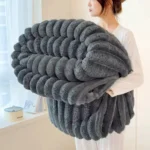 Teddy Bear Blanket
 Sheets
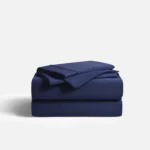 SuperCool+ Starter Sheet Set
 SuperCool+ Flat Sheet
 SuperCool+ Fitted Sheet
 Pillowcases
 SuperCool+ Pillowcases
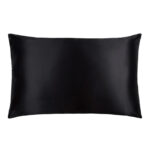 Cooling Silk Pillowcase
 Mattress Protectors
 Quilted Mattress Protector
 Waterproof Mattress Protector
 Floor Mats

Which Is Better Silk or Satin Pillowcases

Silk and satin pillowcases attract buyers who want smoother sleep surfaces. Buyers ask which option delivers better hair care, skin care, comfort, and value. This guide compares silk pillowcases and satin pillowcases using clear facts. Each section explains history, fabric structure, benefits, limits, care, and buying steps. The goal stays simple. You get data that supports a smart choice for your bed and budget.
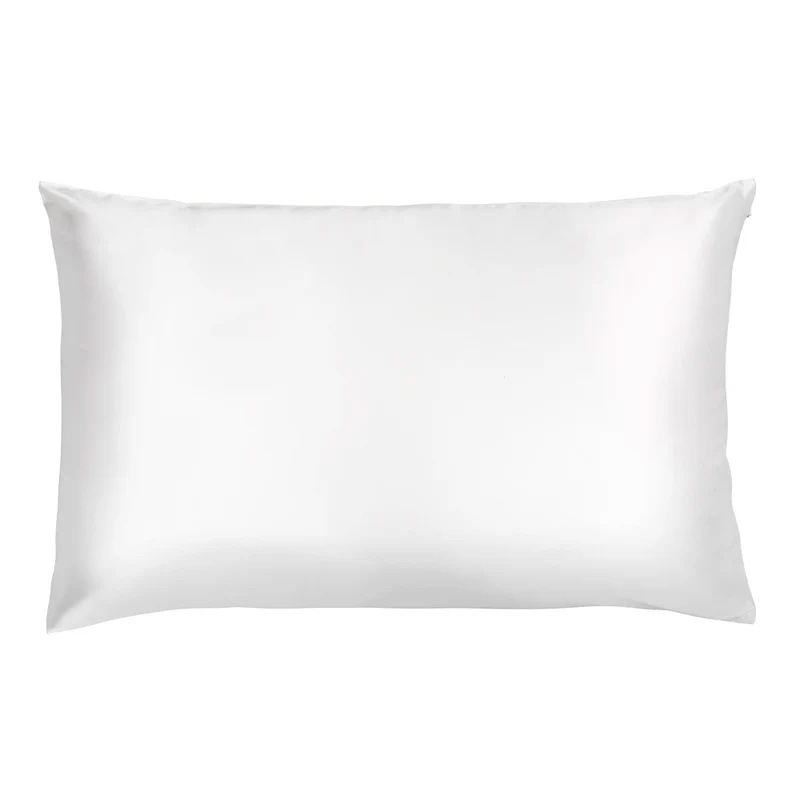
Your pillow shouldn’t steal your glow while you sleep. The lululinens LUXY LU 100% Mulberry Silk Pillowcase reduces friction, minimizes sleep creases, and keeps hair frizz-free. Pure mulberry silk offers temperature-regulating softness that’s hypoallergenic and gentle. Wake up looking as rested as you feel.
History of Silk Pillowcases
Silk production began in ancient China. Farmers raised silkworms to harvest silk fibers. Weavers spun fibers into fine threads. Artisans wove threads into soft fabric. Royal families valued silk for comfort and shine. Traders moved silk across Asia and Europe. Bedding makers later used silk for sheets and pillowcases. Modern brands still use silk for premium sleep products.
Silk pillowcases gained modern demand through beauty routines. Hair professionals promoted silk to reduce breakage. Skin specialists noted lower friction on facial skin. Consumers adopted silk pillowcases for comfort and care. Retailers like Lululinens now sell silk pillowcases in standard and luxury bedding sets.
History of Satin Pillowcases
Satin refers to a weave method. The weave creates a smooth and shiny surface. Early satin used silk fibers. European mills later used synthetic fibers. Polyester satin entered mass production. Prices dropped. Availability increased.
Bedding brands adopted satin pillowcases as an alternative to silk. Consumers embraced satin for shine and smooth texture. Satin pillowcases now appear in many home stores and online catalogs.
Fabric Structure Differences
Silk Fiber Structure
Silk uses natural protein fibers. Silkworms spin cocoons from fibroin. Manufacturers unwind cocoons into long filaments. Weavers twist filaments into threads. The threads create a soft and breathable fabric.
Silk fibers allow airflow. The fabric stays cool against skin. Silk absorbs some moisture without feeling damp. These features support sleep comfort.
Satin Weave Structure
Satin uses a floating weave pattern. Threads glide over the surface. This structure creates shine and slip. Satin can use polyester, nylon, or rayon fibers.
Synthetic fibers feel slick. Breathability stays limited. Heat retention increases with polyester satin. Moisture absorption stays low.
Key Feature Comparison
Silk pillowcases use natural protein fibers. Satin pillowcases usually use synthetic fibers. Silk feels soft and cool. Satin feels slick and glossy. Silk breathes well. Satin traps more heat. Silk costs more. Satin costs less. Silk needs gentle care. Satin supports machine washing.
Hair Benefits of Silk Pillowcases
Silk reduces friction during sleep. Hair strands slide across the surface. The surface limits pulling and snagging. Hair retains moisture overnight. Natural oils stay balanced.
Silk supports many hair types.
- Curly hair keeps shape and definition
- Fine hair resists breakage
- Color-treated hair holds pigment longer
- Dry hair keeps hydration
Silk pillowcases support protective styles. Braids and twists stay smooth. Edges show less frizz. Stylists often recommend silk for nightly hair routines.
Hair Benefits of Satin Pillowcases
Satin also reduces friction. The smooth surface allows hair movement. Satin limits tangles and knots. Synthetic fibers do not absorb oils. Hair moisture stays on the surface.
Satin suits many users.
- Budget-focused buyers choose satin
- Short-term use suits satin
- Travel use favors satin durability
Satin does not regulate heat like silk. Warm sleepers may feel discomfort.
Skin Benefits of Silk Pillowcases
Silk feels gentle on skin. The smooth surface limits sleep creases. Skin experiences less dragging during movement. Silk suits sensitive skin types.
Silk offers skin benefits.
- Reduced friction lowers irritation
- Balanced moisture supports hydration
- Natural fibers suit allergy-prone users
Many skin specialists suggest silk for acne-prone skin. Proper washing keeps the fabric clean and fresh.
Skin Benefits of Satin Pillowcases
Satin provides a smooth surface for skin. The weave reduces pulling on facial areas. Satin prevents deep pillow marks. The lower cost attracts many buyers.
Satin has limits.
- Synthetic fibers trap heat
- Sweat stays on the surface
- Sensitive skin may react to polyester
Users with normal skin often find satin comfortable.
Temperature Regulation and Sleep Comfort
Silk and Temperature Control
Silk regulates temperature well. Fibers allow airflow. Heat escapes during warm nights. Warmth stays during cool nights. This balance supports steady comfort.
Hot sleepers often prefer silk. Night sweating reduces with silk use.
Satin and Temperature Control
Satin retains more heat. Polyester fibers restrict airflow. Warm sleepers may feel hot. Cool sleepers may enjoy satin warmth in colder rooms.
Durability and Longevity
Silk Durability
Silk needs gentle care. Fibers weaken with harsh washing. Hand washing extends life. Machine washing shortens lifespan.
High-quality silk lasts years with proper care. Buyers should review momme weight before purchase.
Satin Durability
Satin lasts longer under daily use. Synthetic fibers resist tearing. Machine washing suits satin. Frequent use causes minimal damage.
Satin keeps shine longer. Pilling may appear over time.
Your pillow shouldn’t steal your glow while you sleep. The lululinens LUXY LU 100% Mulberry Silk Pillowcase reduces friction, minimizes sleep creases, and keeps hair frizz-free. Pure mulberry silk offers temperature-regulating softness that’s hypoallergenic and gentle. Wake up looking as rested as you feel.
Maintenance and Care Requirements
How to Care for Silk Pillowcases
Silk needs careful handling.
- Wash in cold water
- Use mild detergent
- Hand wash or gentle cycle
- Air dry flat
- Avoid direct sunlight
Low heat ironing works if needed. Steam offers a safer option.
How to Care for Satin Pillowcases
Satin supports easy care.
- Wash in cold or warm water
- Use regular detergent
- Tumble dry on low heat
- Remove promptly after drying
High heat can damage synthetic fibers.
Cost and Value Comparison
Silk costs more due to limited production. Silkworm farming takes time and labor. Skilled weaving increases price.
Satin costs less due to mass production. Synthetic fibers reduce manufacturing costs.
Value depends on priorities.
- Long-term comfort favors silk
- Budget savings favor satin
- Hair and skin focus favors silk
Environmental Impact
Silk uses natural resources. Farming affects land and water use. Silk biodegrades over time.
Satin relies on petroleum-based fibers. Polyester does not biodegrade easily. Washing may release microplastics.
Eco-focused buyers often prefer silk.
Who Should Choose Silk Pillowcases
Silk suits buyers who value comfort and care. The fabric supports hair and skin health. Sensitive users benefit most.
Choose silk if you want:
- Premium sleep comfort
- Lower hair breakage
- Better temperature balance
- Natural fibers
Silk fits luxury bedding collections from brands like Lululinens.
Who Should Choose Satin Pillowcases
Satin suits practical buyers. The fabric offers smoothness at a lower cost. Easy care supports busy routines.
Choose satin if you want:
- Affordable bedding
- Low maintenance
- Durable fabric
- Glossy appearance
Satin works well for guest rooms and travel.
Common Myths About Silk and Satin Pillowcases
Silk and satin often confuse buyers. Satin does not equal silk. Satin describes a weave. Silk describes a fiber. Satin may use polyester.
Silk does not trap heat. Silk regulates temperature. Satin does not damage hair when used correctly.
Buying Tips for Silk Pillowcases
Buyers should inspect details before purchase.
- Look for 100 percent mulberry silk
- Choose momme weight between 19 and 25
- Confirm pillow size
- Review care instructions
Higher momme silk lasts longer.
Buying Tips for Satin Pillowcases
Satin buyers should review construction.
- Check fiber content
- Inspect stitching
- Choose envelope or zipper closure
- Confirm colorfast dyes
Quality stitching improves durability.
Final Selection Steps
The choice becomes simple with clear steps.
- Set a budget
- Identify hair and skin needs
- Consider sleep temperature
- Review care habits
- Match style preferences
Silk delivers comfort and care. Satin delivers value and ease.
Final Verdict Which Is Better Silk or Satin Pillowcases
Silk pillowcases offer superior breathability, comfort, and care benefits. Satin pillowcases offer smooth texture, durability, and lower cost. The better choice depends on personal goals. Buyers who value luxury and wellness choose silk. Buyers who value savings and convenience choose satin.
Both options improve sleep surfaces compared to cotton. The right pillowcase supports better rest, healthier hair, and comfortable skin.
Your pillow shouldn’t steal your glow while you sleep. The lululinens LUXY LU 100% Mulberry Silk Pillowcase reduces friction, minimizes sleep creases, and keeps hair frizz-free. Pure mulberry silk offers temperature-regulating softness that’s hypoallergenic and gentle. Wake up looking as rested as you feel.