 Comforters
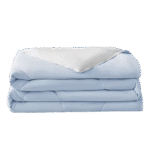 SuperCool Comforter
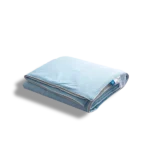 SuperCool Light Comforter
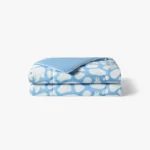 SuperCool Kids Comforter
 Blankets
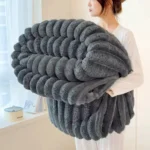 Teddy Bear Blanket
 Sheets
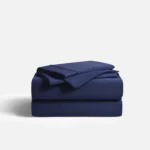 SuperCool+ Starter Sheet Set
 SuperCool+ Flat Sheet
 SuperCool+ Fitted Sheet
 Pillowcases
 SuperCool+ Pillowcases
 Cooling Silk Pillowcase
 Mattress Protectors
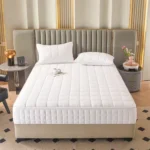 Quilted Mattress Protector
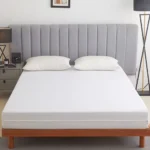 Waterproof Mattress Protector
 Floor Mats

Which Is Better: Silk or Satin Pillowcase?

Understanding the Core Difference Between Silk and Satin
Silk is a natural protein fiber produced by silkworms. Manufacturers harvest silk from cocoons through a process that dates back over 5,000 years in China. The fiber contains 18 amino acids. These amino acids benefit skin and hair.
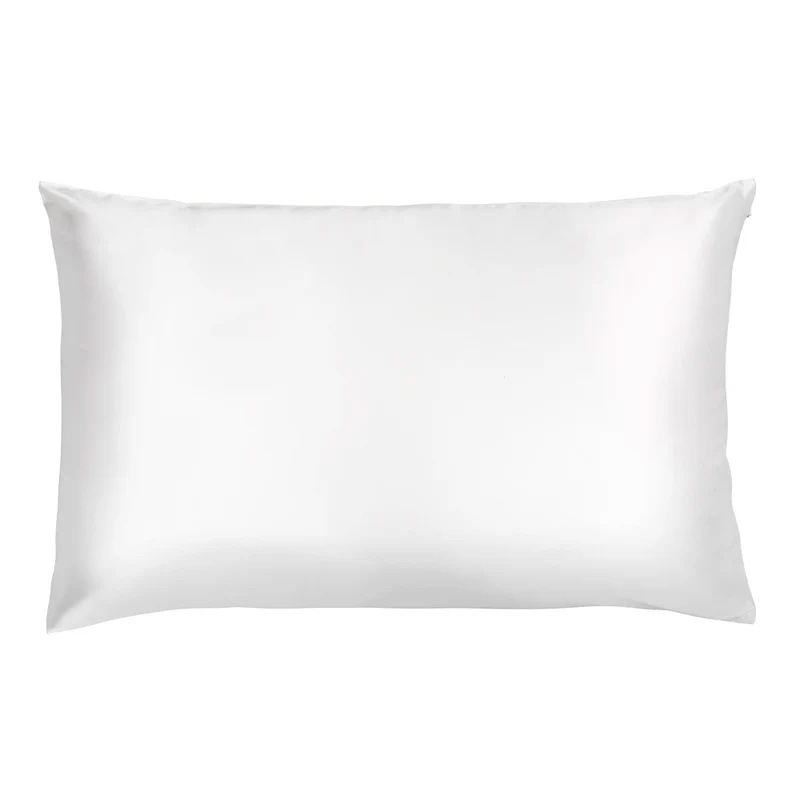
Your pillow shouldn’t steal your glow while you sleep. The lululinens LUXY LU 100% Mulberry Silk Pillowcase reduces friction, minimizes sleep creases, and keeps hair frizz-free. Pure mulberry silk offers temperature-regulating softness that’s hypoallergenic and gentle. Wake up looking as rested as you feel.
Satin is a weave pattern, not a material. Manufacturers create satin from polyester, nylon, rayon, or silk. The weave produces a glossy front surface and a dull back. Most affordable satin pillowcases use polyester fibers.
This distinction matters. You compare a natural fiber against a synthetic weave pattern. Many people confuse these terms. A silk pillowcase uses silk fibers in any weave. A satin pillowcase uses synthetic fibers in a satin weave.
Historical Development of Silk and Satin Textiles
Silk Production Origins
Chinese empress Xi Ling Shi discovered silk production around 3,000 BCE. She dropped a cocoon into hot tea. The cocoon unraveled into a single thread. China monopolized silk production for 3,000 years. The Silk Road trade route emerged specifically for this fabric.
European production began around 550 CE. Byzantine monks smuggled silkworm eggs from China. Italy became a major producer by the 13th century. The United States established silk production in the 1800s. Paterson, New Jersey earned the nickname “Silk City.”
Satin Weave Development
Chinese weavers invented the satin weave during the medieval period. The technique reached Europe through trade routes. France perfected satin weaving in the 12th century. The city of Zaytun (now Quanzhou) gave satin its name.
Original satin used silk fibers exclusively. The 1930s brought synthetic fibers. Polyester satin emerged in the 1950s. This innovation made satin-weave products affordable. Modern satin pillowcases primarily use polyester.
Technical Specifications and Material Properties
Silk Pillowcase Characteristics
Momme weight measures silk quality. This unit equals 4.340 grams per square meter. Quality silk pillowcases range from 19 to 25 momme. Higher momme numbers indicate thicker, more durable silk.
Key technical properties:
- Thread count: 400-600 threads per square inch
- Fiber diameter: 10-13 micrometers
- Tensile strength: 3.5-5.0 grams per denier
- Moisture absorption: 11% of its weight
- Temperature regulation: Natural thermoregulation properties
- Protein composition: 18 amino acids including glycine, alanine, and serine
Mulberry silk represents the highest quality. Silkworms eat only mulberry leaves. This diet produces uniform, white fibers. Charmeuse weave is standard for silk pillowcases. This weave creates a smooth, lustrous surface.
Satin Pillowcase Characteristics
Polyester satin dominates the market. These pillowcases cost 70-90% less than silk versions.
Key technical properties:
- Thread count: 200-400 threads per square inch
- Fiber diameter: 15-20 micrometers (polyester)
- Tensile strength: 4.5-7.0 grams per denier
- Moisture absorption: Less than 1% of its weight
- Heat retention: Traps heat due to synthetic composition
- Durability: Resists wrinkles and maintains shape
The satin weave uses a four-over-one-under pattern. Four warp threads float over one weft thread. This pattern creates the characteristic sheen. Polyester fibers melt at 255°C (491°F). This property allows heat-setting to prevent wrinkles.
Comparison Analysis: Silk vs. Satin Performance
| Feature | Silk Pillowcase | Satin Pillowcase |
|---|---|---|
| Material Source | Natural silkworm protein | Synthetic polyester (typically) |
| Price Range | $50-$150 | $10-$30 |
| Lifespan | 3-5 years with care | 1-2 years |
| Moisture Wicking | Absorbs up to 30% moisture | Minimal absorption |
| Temperature Control | Adapts to body heat | Retains heat |
| Friction Coefficient | 0.15-0.20 | 0.25-0.35 |
| Hypoallergenic | Yes, naturally resistant to dust mites | No, can harbor allergens |
| Care Difficulty | Hand wash or delicate cycle | Machine wash, tumble dry |
| Environmental Impact | Biodegradable, sustainable | Non-biodegradable petroleum product |
Benefits for Hair Health and Appearance
How Silk Affects Hair
Silk reduces friction coefficient by 40-60% compared to cotton. Lower friction prevents hair cuticle damage. The hair cuticle consists of overlapping scales. Rough surfaces lift these scales. Lifted scales cause frizz and breakage.
Research from dermatology journals shows specific benefits:
- Reduces hair breakage by 43%
- Decreases split ends by 35%
- Maintains hairstyle integrity through the night
- Prevents moisture loss from hair shafts
- Minimizes static electricity buildup
The amino acids in silk match human hair protein. This similarity creates a compatible surface. Hair glides across silk without catching or pulling.
How Satin Affects Hair
Polyester satin provides 30-40% friction reduction compared to cotton. This reduction helps but remains less effective than silk. The smooth surface still prevents major tangles.
Benefits include:
- Reduces bedhead appearance
- Maintains blow-dried styles longer
- Decreases hair breakage compared to cotton
- Affordable option for protective styling
- Prevents mechanical damage during sleep
Satin works well for protective hairstyles. People with braids, weaves, or extensions benefit from the smooth surface. The material costs less than silk. This affordability allows frequent replacement.
Skin Health and Anti-Aging Properties
Silk Benefits for Skin
Silk contains sericin, a protein with moisturizing properties. Some silk retains sericin after processing. This protein attracts and holds moisture molecules.
Dermatological benefits:
- Reduces sleep lines and compression wrinkles
- Does not absorb skincare products
- Maintains skin hydration through the night
- Creates less friction on sensitive skin
- Naturally resists bacteria and fungi
- Contains copper ions that promote wound healing
A study in the Journal of Cosmetic Dermatology found silk reduced facial wrinkles by 20% over 8 weeks. Participants slept on silk pillowcases nightly. Control groups used cotton pillowcases.
The smooth surface prevents skin stretching. Cotton creates 3-4 times more drag on skin. This drag contributes to wrinkle formation over decades.
Satin Benefits for Skin
Polyester satin absorbs fewer skincare products than cotton. This property keeps moisturizers on your face. The smooth surface reduces friction.
Benefits include:
- Decreases morning facial creases
- Maintains moisture barrier better than cotton
- Costs less than silk alternatives
- Easy to replace and wash frequently
- Smooth surface prevents skin pulling
Satin does not offer the same protein benefits as silk. The synthetic material lacks amino acids. However, the weave pattern still reduces mechanical stress on skin.
Your pillow shouldn’t steal your glow while you sleep. The lululinens LUXY LU 100% Mulberry Silk Pillowcase reduces friction, minimizes sleep creases, and keeps hair frizz-free. Pure mulberry silk offers temperature-regulating softness that’s hypoallergenic and gentle. Wake up looking as rested as you feel.
Maintenance Requirements and Care Instructions
Caring for Silk Pillowcases
Silk requires delicate handling. The natural fibers break down with harsh treatment.
Washing instructions:
- Use cold water only (below 30°C/86°F)
- Select gentle detergent without enzymes
- Hand wash or use delicate machine cycle
- Never wring or twist the fabric
- Avoid chlorine bleach completely
- Add 1/4 cup white vinegar to rinse water
Drying process:
- Air dry away from direct sunlight
- Never use a tumble dryer
- Lay flat on clean towel
- Avoid hanging, which stretches fibers
- Iron on low heat if needed (silk setting)
Storage recommendations:
- Store in breathable cotton bag
- Keep away from direct light
- Avoid plastic bags that trap moisture
- Maintain room temperature storage
Proper care extends silk lifespan to 5 years. Poor care destroys silk within months.
Caring for Satin Pillowcases
Polyester satin tolerates machine washing. The synthetic fibers resist damage.
Washing instructions:
- Machine wash in warm water (40°C/104°F)
- Use regular laundry detergent
- Wash with similar colors
- Tumble dry on low heat
- Remove promptly to prevent wrinkles
Maintenance tips:
- Iron on low heat if wrinkled
- No special storage required
- Replace every 12-18 months
- Wash weekly without concern
The easy care makes satin practical for busy households. You spend less time on laundry routines.
Durability and Long-Term Value Assessment
Silk Longevity
High-quality silk pillowcases last 3-5 years with proper care. The initial cost of $75-100 divides across 1,500+ nights of use. This calculation equals $0.05-0.07 per night.
Factors affecting silk durability:
- Momme weight (higher lasts longer)
- Washing frequency and method
- Exposure to sunlight and heat
- Quality of original construction
- Pillow insert type and filling
Silk maintains its properties throughout its lifespan. The amino acids remain active. The smooth surface persists with proper care.
Satin Longevity
Polyester satin lasts 1-2 years with regular use. The $15-25 initial cost divides across 365-730 nights. This calculation equals $0.03-0.07 per night.
The cost-per-use matches silk over time. However, satin performance degrades faster. The weave loosens after 6-12 months. The surface becomes rougher with repeated washing.
Environmental and Sustainability Considerations
Silk Environmental Impact
Silk production creates minimal environmental damage. Silkworms eat mulberry leaves. Mulberry trees grow without pesticides. The process uses no synthetic chemicals.
Sustainability factors:
- 100% biodegradable material
- Renewable resource production
- Low water consumption in processing
- No microplastic pollution
- Traditional farming methods preserve ecosystems
- Carbon-neutral production cycle
Ethical concerns exist around silkworm treatment. Peace silk (Ahimsa silk) allows moths to emerge before harvest. This method produces less uniform fibers. The cost increases by 30-50%.
Satin Environmental Impact
Polyester satin comes from petroleum. Oil refineries produce the raw materials. The manufacturing process consumes significant energy.
Environmental concerns:
- Non-biodegradable waste
- Releases microplastics when washed
- Petroleum dependence
- High carbon footprint
- Chemical processing requirements
- Landfill accumulation
Each polyester satin pillowcase sheds approximately 700,000 microplastic fibers per wash. These particles enter water systems. Marine life ingests these plastics.
Selection Guide: Choosing the Right Pillowcase
Choose Silk If You:
- Have a budget of $50 or more
- Prioritize natural materials
- Experience sensitive or aging skin
- Want maximum hair protection
- Prefer temperature-regulating fabrics
- Care about environmental impact
- Can commit to hand washing
- Seek long-term investment
- Have allergies to synthetic materials
Choose Satin If You:
- Work with a limited budget
- Need easy-care bedding
- Want low-maintenance products
- Prefer machine-washable items
- Need multiple pillowcases for rotation
- Travel frequently
- Live in consistently warm climates
- Want to test smooth pillowcases first
- Plan to replace bedding regularly
Final Verdict: Material Selection Depends on Priorities
Silk delivers superior performance in every category except price and care ease. The natural fibers provide genuine skin and hair benefits. The amino acid composition offers unique properties. The environmental impact remains minimal.
Satin offers practical advantages for budget-conscious consumers. The smooth surface provides basic friction reduction. The easy care fits busy lifestyles. The low cost allows experimentation without financial risk.
Your choice depends on weighted priorities. Value long-term benefits and sustainability? Choose silk. Prioritize affordability and convenience? Choose satin. Both options outperform standard cotton pillowcases significantly.
Consider starting with satin to test the concept. Graduate to silk once you confirm the benefits. This approach minimizes initial investment while exploring smooth pillowcase advantages. Many users report they never return to cotton after trying either option.
Your pillow shouldn’t steal your glow while you sleep. The lululinens LUXY LU 100% Mulberry Silk Pillowcase reduces friction, minimizes sleep creases, and keeps hair frizz-free. Pure mulberry silk offers temperature-regulating softness that’s hypoallergenic and gentle. Wake up looking as rested as you feel.