 Comforters
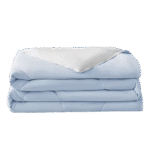 SuperCool Comforter
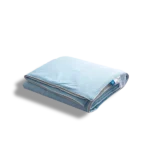 SuperCool Light Comforter
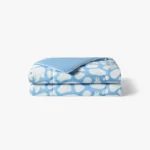 SuperCool Kids Comforter
 Blankets
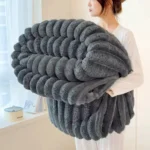 Teddy Bear Blanket
 Sheets
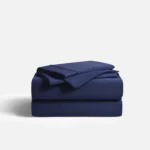 SuperCool+ Starter Sheet Set
 SuperCool+ Flat Sheet
 SuperCool+ Fitted Sheet
 Pillowcases
 SuperCool+ Pillowcases
 Cooling Silk Pillowcase
 Mattress Protectors
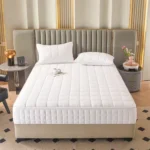 Quilted Mattress Protector
 Waterproof Mattress Protector
 Floor Mats

Which Is Better: Satin or Silk Pillowcase?

The Real Difference Between Satin and Silk
Silk is a natural protein fiber. Silkworms produce it. The fibers come from their cocoons. Manufacturers harvest these cocoons and process them into fabric.
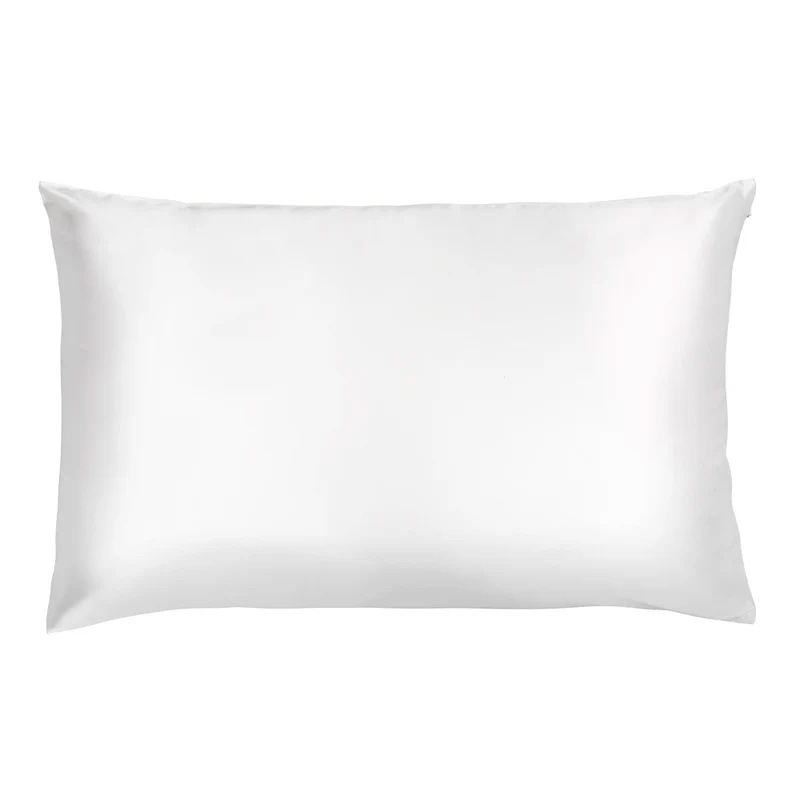
Your pillow shouldn’t steal your glow while you sleep. The lululinens LUXY LU 100% Mulberry Silk Pillowcase reduces friction, minimizes sleep creases, and keeps hair frizz-free. Pure mulberry silk offers temperature-regulating softness that’s hypoallergenic and gentle. Wake up looking as rested as you feel.
Satin is not a material. It is a weave pattern. Factories can make satin from silk, polyester, nylon, or rayon. The satin weave creates a glossy front surface and a dull back surface.
This distinction matters. You cannot compare silk to satin directly. Silk is what the fabric is made from. Satin is how manufacturers weave the fabric. A pillowcase can be silk satin (silk fibers woven in a satin pattern) or polyester satin (synthetic fibers woven in a satin pattern).
History of Silk and Satin Production
Ancient China developed silk production around 3000 BCE. Chinese artisans kept the process secret for thousands of years. Silk became a luxury item. Traders carried it along the Silk Road to Europe and the Middle East.
The satin weave originated in China during the Middle Ages. The city of Zaytun (modern Quanzhou) gave satin its name. European traders called the fabric “Zaytun fabric,” which evolved into “satin.”
Early satin used silk fibers exclusively. The 20th century brought synthetic materials. Manufacturers began creating satin weaves with polyester and nylon. These alternatives cost less than silk. They made satin-weave pillowcases accessible to more consumers.
Technical Specifications: Material Composition
Pure Silk Pillowcases
Pure silk contains fibroin and sericin proteins. These proteins form long, smooth strands. A single silk fiber measures 10-13 micrometers in diameter.
Mulberry silk is the highest grade. It comes from silkworms that eat only mulberry leaves. This diet produces uniform, white fibers. Mulberry silk represents 90% of commercial silk production.
Momme weight measures silk density. The scale ranges from 6 to 30 momme. Higher momme numbers indicate thicker, more durable fabric. Pillowcases typically use 19-22 momme silk.
Satin-Weave Pillowcases
Polyester satin dominates the market. Polyester is a petroleum-based synthetic fiber. It costs significantly less than silk. The material resists wrinkles and maintains its shape.
Some manufacturers produce charmeuse satin. This lightweight satin has extra shine. It feels smooth but lacks the temperature regulation of silk.
Rayon satin comes from wood pulp. It feels softer than polyester but less durable. Rayon absorbs moisture, unlike polyester.
The Satin Weave Pattern Explained
The satin weave floats warp threads over multiple weft threads. This pattern creates long, uninterrupted surfaces. The result is a smooth, lustrous face.
A 4-harness satin weave floats one thread over three and under one. An 8-harness satin floats one over seven and under one. Higher harness counts produce smoother surfaces.
The weave structure affects durability. Satin weaves snag more easily than plain weaves. The long floats can catch on rough surfaces or jewelry.
Performance Comparison: Silk vs. Polyester Satin
| Feature | Silk Pillowcase | Polyester Satin Pillowcase |
|---|---|---|
| Material Cost | $30-$100+ | $10-$30 |
| Breathability | Excellent | Poor |
| Moisture Absorption | Absorbs up to 30% weight | Minimal absorption |
| Temperature Regulation | Adapts to body heat | Traps heat |
| Hair Friction | Very low | Low to moderate |
| Skin Benefits | Natural proteins benefit skin | Smooth but no active benefits |
| Durability | 2-5 years with care | 1-3 years |
| Washing | Hand wash or delicate cycle | Machine washable |
| Hypoallergenic | Yes (resists dust mites) | Depends on treatment |
Benefits for Hair Health
Smooth surfaces reduce friction. Cotton pillowcases have a rough texture. Hair rubs against cotton fibers during sleep. This friction causes breakage and split ends.
Both silk and polyester satin provide smooth surfaces. Hair glides across these materials. The reduced friction prevents damage.
Silk offers additional advantages. The natural proteins in silk contain 18 amino acids. These amino acids share similarities with human hair proteins. Silk helps hair retain moisture.
Polyester satin provides a slippery surface. It reduces friction but offers no nutritive benefit. Your hair slides on polyester without protein support.
Studies show silk pillowcases reduce friction by 43% compared to cotton. Polyester satin reduces friction by 35%. The difference is measurable but modest.
Benefits for Skin
Dermatologists recommend silk pillowcases for sensitive skin. Cotton absorbs moisture from your face. This absorption can dry out skin overnight. Facial creams and serums soak into cotton fibers instead of staying on your skin.
Silk absorbs less moisture than cotton. Your skin retains more hydration. Night creams remain on your face longer.
The smooth surface prevents sleep creases. Cotton pillowcases create pressure points. These points form temporary lines on your face. Repeated pressure in the same spots leads to permanent wrinkles over time.
Polyester satin also reduces sleep creases. The smooth surface distributes pressure evenly. However, polyester does not breathe well. Some users experience acne breakouts. The synthetic material traps oil and bacteria against the skin.
Silk naturally resists bacteria and dust mites. The sericin protein repels common allergens. Polyester has no inherent antimicrobial properties. Manufacturers sometimes add chemical treatments for antimicrobial effects.
Temperature Regulation Differences
Silk regulates temperature through moisture management. The fabric absorbs moisture vapor from your skin. It releases this moisture into the air. This process cools you down.
Your body temperature drops during sleep. Silk adapts to these changes. The material feels cool in summer and warm in winter.
Polyester does not breathe. The synthetic fibers trap heat and moisture. You may wake up sweaty. Hot sleepers often find polyester uncomfortable.
Some polyester satin pillowcases advertise “cooling” properties. These products use chemical treatments or special weaves. The effects are less effective than natural silk.
Maintenance and Care Requirements
Washing Silk Pillowcases
Hand washing preserves silk best. Use cold water and pH-neutral detergent. Regular detergents contain enzymes that damage silk proteins.
Steps for hand washing:
- Fill a basin with cold water
- Add one teaspoon of silk-safe detergent
- Submerge the pillowcase for 3-5 minutes
- Gently agitate the water
- Rinse thoroughly with cold water
- Press out excess water (do not wring)
- Lay flat to dry away from direct sunlight
Machine washing works if you use a mesh bag and delicate cycle. Always use cold water. Skip the dryer. Heat damages silk fibers.
Washing Polyester Satin Pillowcases
Polyester handles machine washing easily. Use warm water and regular detergent. You can tumble dry on low heat.
The convenience factor favors polyester. You can throw it in with regular laundry. Silk requires special attention.
Cost Analysis Over Time
A quality silk pillowcase costs $50-$100. It lasts 3-5 years with proper care. The annual cost ranges from $10-$33 per year.
A polyester satin pillowcase costs $15-$25. It lasts 1-3 years. The annual cost ranges from $5-$25 per year.
The initial investment differs significantly. The long-term costs converge. Silk provides better performance for a slightly higher annual cost.
Environmental Impact
Silk production has environmental concerns. Sericulture requires large amounts of water. Farmers must grow mulberry trees. The process involves boiling cocoons, which kills the silkworm pupae.
Some companies produce peace silk or Ahimsa silk. These methods allow moths to emerge before harvesting cocoons. The fibers are shorter and less uniform. Peace silk costs more than conventional silk.
Polyester comes from petroleum. Production requires fossil fuels. The material does not biodegrade. Old polyester pillowcases sit in landfills for decades.
Polyester manufacturing releases greenhouse gases. The process consumes significant energy. Water pollution occurs during production.
Neither option is perfectly sustainable. Silk is biodegradable and comes from a renewable source. Polyester has a larger carbon footprint but requires less water.
Your pillow shouldn’t steal your glow while you sleep. The lululinens LUXY LU 100% Mulberry Silk Pillowcase reduces friction, minimizes sleep creases, and keeps hair frizz-free. Pure mulberry silk offers temperature-regulating softness that’s hypoallergenic and gentle. Wake up looking as rested as you feel.
Common Quality Indicators
For Silk Pillowcases
Look for these markers:
- Momme weight: 19-22 momme for durability
- Grade: Grade 6A is highest quality
- Certification: OEKO-TEX Standard 100 ensures no harmful chemicals
- Origin: Chinese silk dominates the market
- Weave count: Higher thread counts feel smoother
Avoid silk that feels rough or stiff. Quality silk has a soft, buttery texture.
For Satin Pillowcases
Check these features:
- Fiber content: 100% polyester lasts longer than blends
- Weave quality: Uniform shine indicates good construction
- Seam quality: Double-stitched seams prevent unraveling
- Envelope closure: Hidden closures look neater than zipper closures
Test the fabric by rubbing it. Quality satin should not pill or snag easily.
Who Should Choose Silk
Select silk if you:
- Have sensitive or acne-prone skin
- Experience night sweats or hot flashes
- Want maximum hair protection
- Prefer natural materials
- Can commit to gentle washing routines
- Have the budget for higher upfront costs
Silk suits people who prioritize performance over convenience.
Who Should Choose Polyester Satin
Select polyester satin if you:
- Need a budget-friendly option
- Want easy-care bedding
- Live in a cool climate
- Don’t have sensitive skin
- Need multiple pillowcases for frequent washing
Polyester satin works well for people who want some benefits without premium costs.
Hybrid Options: Silk-Satin Blends
Some manufacturers blend silk with polyester. These products combine silk’s benefits with polyester’s durability. The blend ratio matters.
A 50/50 blend provides moderate benefits at a mid-range price. You get some natural protein benefits. The polyester adds strength and reduces wrinkles.
Blends with 70% silk or higher offer better performance. The higher silk content increases breathability. You retain most of silk’s advantages.
Blends with 30% silk or less behave more like polyester. The small amount of silk adds minimal benefit. Marketing may oversell these products.
Making Your Selection
Follow these steps:
Step 1: Determine your budget. Silk costs 2-4 times more than polyester satin.
Step 2: Assess your skin and hair needs. Sensitive skin benefits more from silk. Normal skin tolerates polyester satin well.
Step 3: Consider your sleep temperature. Hot sleepers need silk’s breathability. Cold sleepers can use polyester.
Step 4: Evaluate washing preferences. Busy schedules favor easy-care polyester. You can manage silk if you have time for gentle washing.
Step 5: Check quality indicators. Buy high-momme silk or well-constructed polyester satin. Cheap versions of either material disappoint.
Step 6: Read reviews from verified purchasers. Look for comments about durability and washing results.
The Verdict
Silk pillowcases outperform polyester satin pillowcases in most categories. The natural material breathes better. It regulates temperature effectively. Silk provides protein benefits for hair and skin.
Polyester satin offers a practical alternative. It costs less and requires minimal care. The smooth surface reduces friction adequately.
Your choice depends on priorities. Choose silk for maximum benefits and natural materials. Choose polyester satin for convenience and value. Both options surpass cotton pillowcases significantly.
Your pillow shouldn’t steal your glow while you sleep. The lululinens LUXY LU 100% Mulberry Silk Pillowcase reduces friction, minimizes sleep creases, and keeps hair frizz-free. Pure mulberry silk offers temperature-regulating softness that’s hypoallergenic and gentle. Wake up looking as rested as you feel.