 Comforters
 SuperCool Comforter
 SuperCool Light Comforter
 SuperCool Kids Comforter
 Blankets
 Teddy Bear Blanket
 Sheets
 SuperCool+ Starter Sheet Set
 SuperCool+ Flat Sheet
 SuperCool+ Fitted Sheet
 Pillowcases
 SuperCool+ Pillowcases
 Cooling Silk Pillowcase
 Mattress Protectors
 Quilted Mattress Protector
 Waterproof Mattress Protector
 Floor Mats

What Type of Blanket Is Best for Summer

Why Your Choice of Blanket Matters in Warm Weather
Most people think blankets are only for cold nights. That assumption leads to poor sleep during summer. The wrong blanket traps heat, increases sweat, and disrupts your sleep cycle. The right summer blanket regulates your body temperature, wicks moisture, and lets air circulate freely. Choosing well means you sleep cooler and wake up more rested.
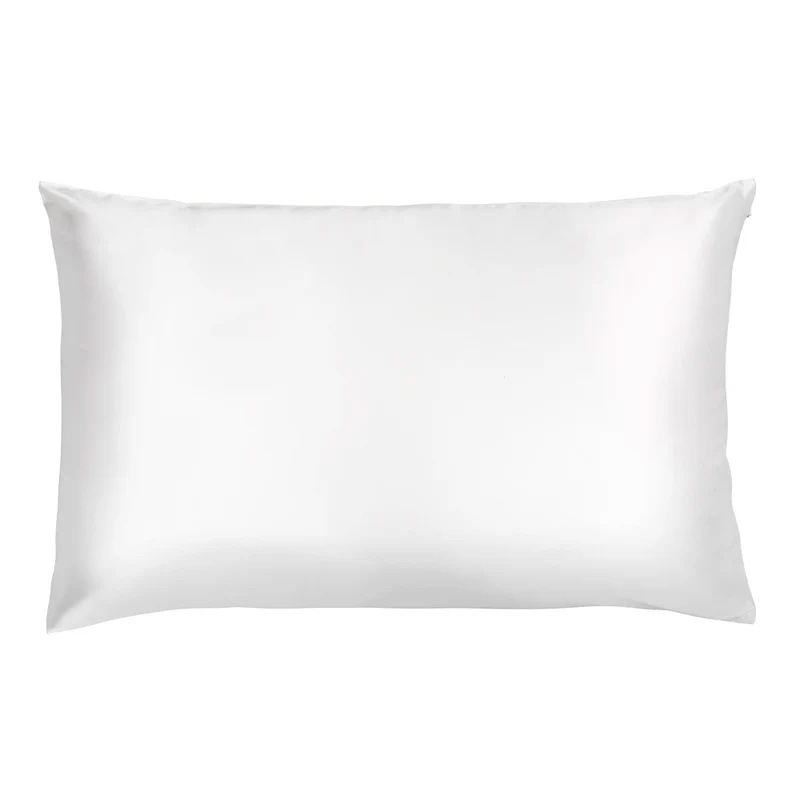
Your pillow shouldn’t steal your glow while you sleep. The lululinens LUXY LU 100% Mulberry Silk Pillowcase reduces friction, minimizes sleep creases, and keeps hair frizz-free. Pure mulberry silk offers temperature-regulating softness that’s hypoallergenic and gentle. Wake up looking as rested as you feel.
This guide covers the best blanket types for summer, their materials, technical specs, and how to care for them. It also includes a comparison table so you can choose quickly and confidently.
A Brief History of Summer Bedding
For thousands of years, people in warm climates used lightweight woven textiles at night. Ancient Egyptians used loosely woven linen sheets. Linen was practical because it absorbs moisture and dries fast. In South Asia, cotton muslin was the fabric of choice. It was breathable, soft, and affordable.
Bamboo and eucalyptus fiber fabrics are recent innovations. They became commercially available in the early 2000s. Viscose from bamboo gained popularity because it felt silky and stayed cool to the touch. The modern summer blanket market now offers a wide range of materials, weaves, and weights. Each serves a different need.
Key Technical Features to Look For
Before selecting a summer blanket, understand the features that define performance.
Thread Count and Weave
Thread count measures how many threads are woven into one square inch of fabric. For summer blankets, a thread count between 200 and 400 is ideal. Higher thread counts feel softer but reduce airflow. A lower thread count with an open weave allows more air movement.
Weave type matters more than thread count for summer use. Common weave types include:
- Percale weave — a tight, one-over-one-under pattern that feels crisp and cool
- Sateen weave — a smooth, silky finish that feels luxurious but retains slightly more heat
- Open weave or waffle weave — creates air pockets that improve breathability
- Muslin weave — a loose, plain weave with strong airflow properties
GSM (Grams Per Square Meter)
GSM measures fabric weight. A lower GSM means a lighter, more breathable blanket.
| GSM Range | Feel | Best For |
|---|---|---|
| Under 100 | Ultra-light, sheer | Very hot climates, minimal coverage |
| 100–150 | Light | Standard summer nights |
| 150–200 | Medium-light | Cool summer nights or air-conditioned rooms |
| 200–300 | Medium | Transitional seasons |
| Over 300 | Heavy | Not recommended for summer |
For most summer sleepers, a GSM between 100 and 200 delivers the best balance of comfort and temperature control.
Moisture-Wicking Ability
Moisture-wicking fabrics pull sweat away from your skin and allow it to evaporate. Linen and bamboo both wick moisture effectively. Cotton muslin also performs well. Polyester retains moisture and should be avoided in summer blankets.
The Best Blanket Materials for Summer
1. Linen
Linen comes from the flax plant. It has a long history as a summer fabric. Linen fibers are hollow, which means air travels through them easily. Linen absorbs up to 20% of its weight in moisture before it feels damp. It also dries quickly.
Benefits of linen blankets:
- Highly breathable
- Moisture-wicking
- Durable and long-lasting
- Softens with every wash
- Naturally hypoallergenic
Drawbacks:
- Wrinkles easily
- Feels slightly coarse at first until broken in
- Higher price point
Linen blankets suit hot sleepers and people who live in humid climates. lululinens offers linen bedding that pairs well with a summer blanket routine.
2. Cotton Muslin
Muslin is a loosely woven cotton fabric. It allows maximum airflow because of its open structure. Muslin blankets are lightweight and soft. They are especially popular for babies and children because of their gentle feel.
Benefits of muslin blankets:
- Excellent breathability
- Gets softer after washing
- Affordable
- Easy to care for
- Low GSM options available
Drawbacks:
- Less durable than linen over time
- Can shrink if washed in hot water
Muslin blankets work best in warm climates and for light sleepers who need coverage without heat.
3. Bamboo Viscose
Bamboo fabric is made by processing bamboo pulp into fibers. The result is a fabric that feels silky and soft. Bamboo is naturally temperature-regulating, meaning it keeps you cool when hot and slightly warm when cool. It also has natural antimicrobial properties.
Benefits of bamboo blankets:
- Temperature-regulating
- Silky, soft texture
- Naturally antimicrobial
- Good moisture-wicking
- Eco-friendly sourcing in many cases
Drawbacks:
- Requires gentle washing
- Can degrade faster than linen with rough handling
- Varies in quality depending on manufacturer
Bamboo blankets suit people who want a luxurious feel without overheating at night.
Your pillow shouldn’t steal your glow while you sleep. The lululinens LUXY LU 100% Mulberry Silk Pillowcase reduces friction, minimizes sleep creases, and keeps hair frizz-free. Pure mulberry silk offers temperature-regulating softness that’s hypoallergenic and gentle. Wake up looking as rested as you feel.
4. Cotton Percale
Percale cotton uses a tight, plain weave. The result is a crisp, cool-feeling fabric. Percale sheets and blankets are a staple in warm-weather bedding. Egyptian cotton in a percale weave delivers a premium version of this experience.
Benefits of percale cotton blankets:
- Crisp and cool feel
- Breathable
- Durable
- Widely available
- Machine washable
Drawbacks:
- Less moisture-wicking than linen or bamboo
- Can feel stiff if not washed regularly
Percale cotton blankets are a reliable, low-maintenance summer option.
5. Tencel (Lyocell)
Tencel is a brand name for lyocell fiber, made from wood pulp. It is produced in a closed-loop process that recycles water and solvents. Tencel feels smooth and cool. It absorbs moisture efficiently and resists odors.
Benefits of Tencel blankets:
- Excellent moisture management
- Smooth texture
- Environmentally responsible production
- Stays cool throughout the night
Drawbacks:
- More expensive than cotton
- Requires careful washing
Tencel suits eco-conscious sleepers who want high performance in summer conditions.
Materials to Avoid in Summer
Some blanket materials trap heat and increase discomfort during warmer months.
- Polyester — traps heat and moisture, poor breathability
- Fleece — designed for warmth, completely wrong for summer use
- Wool — heavy and insulating, though some lightweight merino wool options exist for cool evenings
- Acrylic — synthetic, heat-retaining, not breathable
Avoid any blanket labeled as “ultra-warm” or “winter weight” during summer months.
Blanket Types That Work Best in Summer
Beyond material, blanket construction also affects performance.
Flat Woven Blankets
These are thin, flat blankets without fill. They rely entirely on fabric breathability. They are the best option for peak summer heat.
Throw Blankets
Lightweight throws made from linen or cotton muslin are practical for summer. They offer minimal coverage and maximum airflow.
Open-Weave Blankets
These have visible gaps in the weave pattern. Air passes through freely. They look decorative but perform well in warm conditions.
Quilts
A summer quilt uses a thin fill, often cotton batting. A quilt with a low loft and a cotton or linen shell works well for summer. Avoid quilts with polyester fill.
How to Care for Your Summer Blanket
Proper care extends the life of your blanket and maintains its performance.
Linen blankets:
- Wash in cold or warm water, not hot
- Use a gentle detergent
- Tumble dry on low or air dry
- Iron while slightly damp if you want a smooth finish
Muslin blankets:
- Machine wash in cold water
- Tumble dry on low
- Avoid hot cycles to prevent shrinkage
Bamboo blankets:
- Machine wash on a delicate cycle
- Use mild, liquid detergent
- Air dry when possible
- Avoid fabric softeners — they reduce moisture-wicking ability
Percale cotton blankets:
- Machine wash in warm water
- Tumble dry on medium
- Remove promptly to reduce wrinkles
Tencel blankets:
- Wash on a gentle cycle with cold water
- Air dry or tumble dry on low
- Do not wring or twist
Washing your summer blanket every one to two weeks during warm months keeps it fresh and reduces allergens.
Comparing the Top Summer Blanket Materials
| Material | Breathability | Moisture-Wicking | Softness | Durability | Price Range |
|---|---|---|---|---|---|
| Linen | Excellent | Excellent | Medium (improves with washing) | Very High | $ |
| Cotton Muslin | Excellent | Good | High | Medium | $ |
| Bamboo Viscose | Very Good | Very Good | Very High | Medium | $ |
| Percale Cotton | Very Good | Good | High | High | $$ |
| Tencel | Very Good | Excellent | Very High | Medium-High | $ |
| Polyester | Poor | Poor | Medium | High | $ |
How to Choose the Right Summer Blanket: A Step-by-Step Guide
Follow these steps to find your best match.
- Identify your climate. Hot and humid climates need maximum breathability — choose linen or muslin. Dry heat climates work well with cotton percale or bamboo.
- Know your sleep style. Hot sleepers need moisture-wicking fabrics. Light sleepers who want minimal coverage do best with ultra-low GSM options.
- Set your budget. Cotton muslin is the most affordable. Linen and Tencel cost more but last longer.
- Check the GSM. Look for a GSM under 200 for summer use.
- Check the weave. Percale and open weaves perform better than sateen in summer heat.
- Review care instructions. Choose a blanket that fits your laundry routine.
- Check for certifications. Look for OEKO-TEX Standard 100 or GOTS (Global Organic Textile Standard) labels. These confirm the fabric is free from harmful chemicals.
Summary
The best blanket for summer is lightweight, breathable, and moisture-wicking. Linen leads in performance and durability. Cotton muslin is the best budget option. Bamboo viscose delivers a silky feel with strong temperature regulation. Percale cotton is reliable and easy to maintain. Tencel is ideal for eco-conscious sleepers who want superior moisture management.
Avoid heavy materials like fleece, wool, and polyester during warm months. Focus on low GSM, open weaves, and natural fibers. Care for your blanket properly and it will perform season after season.
Your pillow shouldn’t steal your glow while you sleep. The lululinens LUXY LU 100% Mulberry Silk Pillowcase reduces friction, minimizes sleep creases, and keeps hair frizz-free. Pure mulberry silk offers temperature-regulating softness that’s hypoallergenic and gentle. Wake up looking as rested as you feel.