 Comforters
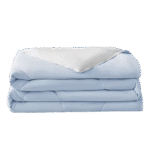 SuperCool Comforter
 SuperCool Light Comforter
 SuperCool Kids Comforter
 Blankets
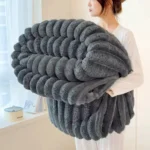 Teddy Bear Blanket
 Sheets
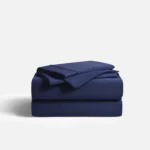 SuperCool+ Starter Sheet Set
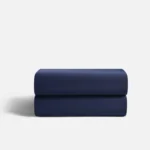 SuperCool+ Flat Sheet
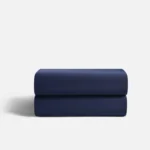 SuperCool+ Fitted Sheet
 Pillowcases
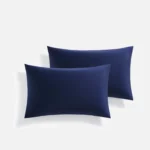 SuperCool+ Pillowcases
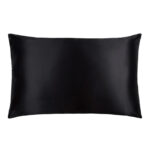 Cooling Silk Pillowcase
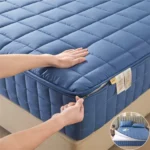 Mattress Protectors
 Quilted Mattress Protector
 Waterproof Mattress Protector
 Floor Mats

What to Do with Old Pillowcases

Creative Household Uses for Old Pillowcases
Old pillowcases serve multiple practical purposes around your home. These fabric items offer solutions for storage, cleaning, and organization problems.
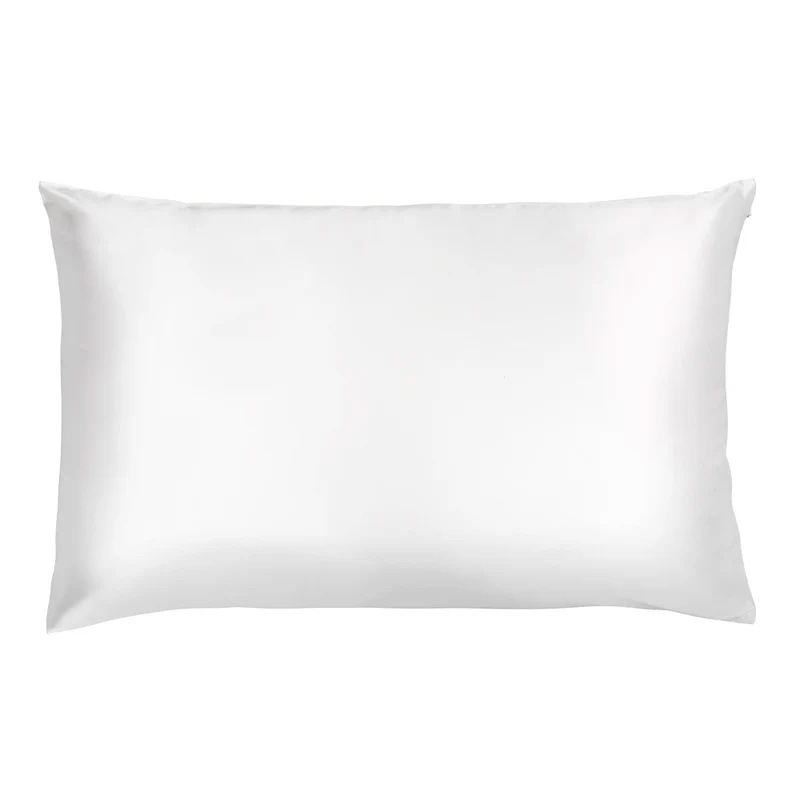
Your pillow shouldn’t steal your glow while you sleep. The lululinens LUXY LU 100% Mulberry Silk Pillowcase reduces friction, minimizes sleep creases, and keeps hair frizz-free. Pure mulberry silk offers temperature-regulating softness that’s hypoallergenic and gentle. Wake up looking as rested as you feel.
Dust covers for hanging clothes protect garments in closets. Slip a pillowcase over formal wear, wedding dresses, or seasonal clothing. The breathable fabric prevents dust accumulation while allowing air circulation. Cut a small hole at the seam for the hanger hook.
Laundry bags for delicates keep small items safe during washing. Place lingerie, baby socks, or mesh items inside a pillowcase. Tie the open end with a rubber band or string. The pillowcase protects delicate fabrics from snags and tangles.
Storage sacks for seasonal items organize holiday decorations efficiently. Pack string lights, ornaments, or small decorations inside pillowcases. Label each case with a permanent marker. The soft fabric prevents scratching on delicate items.
Travel shoe bags keep footwear separate from clothing in luggage. Insert one shoe per pillowcase to prevent dirt transfer. The cases also work for storing shoes in closets between seasons.
Gift wrap alternatives create eco-friendly packaging. Place gifts inside decorative pillowcases and tie with ribbon. Recipients gain both a present and reusable fabric. This method eliminates paper waste.
Organizing Small Items
Pillowcases excel at corralling loose household items. Transform unused cases into practical organizers.
- Toy storage: Keep stuffed animals contained in a hanging pillowcase organizer
- Pet toy collection: Store dog toys or cat supplies in designated cases
- Craft supply organization: Sort yarn, fabric scraps, or ribbon by color
- Sports equipment: Keep balls, jump ropes, or small gear organized
- Extension cord management: Prevent tangling by storing each cord separately
Cleaning Applications for Worn Pillowcases
Old pillowcases function as effective cleaning tools. The soft cotton absorbs liquid and dust efficiently.
Dusting cloths work on furniture, blinds, and electronics. Slip your hand inside the pillowcase and wipe surfaces directly. The fabric traps dust particles instead of spreading them. Wash the case after each use.
Fan blade cleaners simplify a frustrating task. Slide the pillowcase over each ceiling fan blade. Pull the case back along the blade. Dust collects inside the pillowcase instead of falling on furniture below.
Floor rags for pet accidents absorb spills quickly. Keep old pillowcases in a designated spot for emergencies. The absorbent fabric soaks up liquid faster than paper towels. Dispose of heavily soiled cases or wash separately.
Car cleaning cloths handle interior and exterior jobs. Cut pillowcases into smaller squares for multiple uses. The soft fabric won’t scratch paint or dashboard surfaces. Store a stack in your garage or trunk.
Window washing helpers leave glass streak-free. Dampen a pillowcase section and wipe windows in circular motions. Follow with a dry section to polish. The fine cotton weave prevents lint residue.
Craft Projects Using Old Pillowcases
Crafters repurpose pillowcases into new textile items. These projects require basic sewing skills and minimal supplies.
Tote bags convert quickly from standard pillowcases. Sew the open end closed. Cut two strips from the excess fabric for handles. Attach handles to the closed end with strong stitching. Reinforce stress points with double stitching.
Reusable produce bags reduce plastic waste at grocery stores. Cut pillowcases into smaller rectangles measuring 10 x 12 inches. Sew three sides closed using a sewing machine. Add a drawstring through the top hem. Create multiple bags from one pillowcase.
Decorative throw pillow covers refresh existing pillows. Measure your pillow insert dimensions. Cut the pillowcase to size with a 1-inch seam allowance. Sew three sides and add zipper or button closures. This project works best with patterned pillowcases.
Fabric bunting for parties creates festive decorations. Cut triangles from multiple colored pillowcases. Sew or glue triangles along bias tape or ribbon. Hang the bunting across walls or outdoor spaces.
Pet beds for small animals use soft fabric fill. Sew two pillowcases together on three sides. Fill with fabric scraps, old towels, or polyester stuffing. Close the fourth side with tight stitching. Small dogs and cats appreciate the washable bed.
Sewing Pattern Ideas
Experienced sewers transform pillowcases into garments and accessories. These projects require intermediate skills.
- Aprons: Cut and reshape pillowcases into kitchen aprons with pockets
- Children’s clothing: Simple dresses or shorts use minimal cutting
- Headbands: Narrow strips create comfortable fabric headbands
- Face masks: Layer cotton pillowcase fabric for reusable masks
- Scrunchies: Long strips sewn into tubes make hair accessories
Donation and Recycling Options
Many organizations accept clean, gently used pillowcases. These items help people and animals in need.
Animal shelters use pillowcases for multiple purposes. Shelters create bedding, towels, and comfort items for animals. Contact local shelters to verify their specific needs and drop-off procedures. Most shelters accept stained or worn items.
Homeless shelters distribute pillowcases to residents. These facilities often need bedding supplies for their guests. Call ahead to confirm acceptance policies. Some shelters only accept new or like-new condition items.
Veterinary clinics use soft fabric for patient care. Clinics place pillowcases under recovering animals during surgery. The fabric provides warmth and comfort. Donate to local vet offices or animal hospitals.
Textile recycling programs accept damaged pillowcases unsuitable for donation. Companies like H&M and The North Face run in-store collection programs. These programs convert old textiles into insulation, carpet padding, or industrial rags.
Churches and religious organizations distribute household items to families in transition. Many faith-based groups run clothing closets that include bedding supplies. These organizations typically accept all condition levels.
Historical Context of Textile Reuse
Fabric conservation has roots in economic necessity. Understanding this history provides context for modern reuse practices.
American households during the Great Depression (1929-1939) repurposed all textile items. Women cut worn sheets and pillowcases into cleaning rags, quilting squares, and children’s clothing. Fabric waste was minimal due to economic hardship.
The World War II era (1941-1945) saw government-encouraged textile conservation. Rationing programs limited new fabric purchases. Citizens repaired and repurposed household linens as a patriotic duty. “Make Do and Mend” campaigns taught creative reuse techniques.
Post-war prosperity (1950s-1960s) shifted consumer attitudes. Disposable culture emerged with increased manufacturing capacity. Households discarded items more frequently instead of repairing them. This trend continued through the late 20th century.
The environmental movement (1990s-present) revived interest in textile reuse. Concerns about landfill waste and fast fashion prompted consumers to reconsider disposal habits. Modern reuse practices combine environmental awareness with creative expression.
Environmental Impact of Pillowcase Disposal
Textile waste creates significant environmental problems. Understanding these issues motivates better disposal choices.
Landfill statistics reveal the scope of textile waste. Americans discard approximately 11.3 million tons of textile waste annually. Cotton pillowcases decompose slowly in landfills, taking 1-5 months under ideal conditions. Synthetic blend cases may persist for decades.
Water consumption in cotton production makes disposal wasteful. One cotton pillowcase requires approximately 713 gallons of water to produce. Discarding usable pillowcases wastes this resource investment.
Carbon emissions from textile manufacturing impact climate change. Producing new pillowcases generates 5.5 kg of CO2 per kilogram of cotton fabric. Extending pillowcase lifespan through reuse reduces demand for new production.
Chemical pollution from textile dyes enters water systems. Disposing of pillowcases adds to the total textile waste stream requiring processing. Reuse eliminates the need for new dyeing processes.
Your pillow shouldn’t steal your glow while you sleep. The lululinens LUXY LU 100% Mulberry Silk Pillowcase reduces friction, minimizes sleep creases, and keeps hair frizz-free. Pure mulberry silk offers temperature-regulating softness that’s hypoallergenic and gentle. Wake up looking as rested as you feel.
Pillowcase Condition Assessment Guide
Determine the best reuse option based on your pillowcase condition. This assessment helps match items to appropriate uses.
| Condition Level | Description | Best Uses | Not Suitable For |
|---|---|---|---|
| Excellent | No stains, tears, or fading | Donation to shelters, resale | Cleaning rags |
| Good | Minor fading, no damage | Animal shelters, craft projects | Human donation |
| Fair | Small stains or thin spots | Cleaning cloths, dust covers | Donation, quilting |
| Poor | Large stains, small tears | Garage rags, pet cleanup | Any donation |
| Damaged | Multiple tears or holes | Textile recycling only | Reuse projects |
Teaching Children About Reuse
Old pillowcases offer learning opportunities for young people. These activities build environmental awareness and practical skills.
Art projects encourage creativity. Children decorate plain pillowcases with fabric markers or paint. The finished products become personalized storage bags or laundry sacks. This activity teaches both art skills and resourcefulness.
Sewing lessons introduce basic hand-stitching. Guide children through simple projects like drawstring bags or pet toys. These skills build confidence and self-sufficiency. Start with large needles and thick thread for safety.
Donation preparation teaches social responsibility. Involve children in sorting, folding, and delivering pillowcases to shelters. This hands-on experience demonstrates community service. Discuss how donated items help others in need.
Science experiments demonstrate decomposition rates. Bury small pillowcase pieces in soil. Check weekly for breakdown progress. Compare natural fibers versus synthetic blends. This experiment illustrates environmental impact concepts.
Converting Pillowcases into Home Decor
Interior designers repurpose vintage and patterned pillowcases into decorative elements. These transformations add character to living spaces.
Wall art displays colorful or vintage patterns. Stretch pillowcases over canvas frames or embroidery hoops. Hang as standalone pieces or create gallery walls. This method preserves family heirloom textiles.
Table linens repurpose pillowcases into placemats or napkins. Cut cases into rectangles and hem edges. Match patterns for coordinated table settings. This works especially well with holiday-themed pillowcases.
Curtain panels create cottage-style window treatments. Sew multiple pillowcases together for larger windows. Add clip rings or sew rod pockets. The lightweight fabric filters light while maintaining privacy.
Cushion covers for outdoor furniture resist fading. Use weathered pillowcases on patio cushions. The already-faded fabric looks intentionally vintage. Replace seasonally as needed.
Fabric garland decorates for special occasions. Cut pillowcases into strips and tie along twine or ribbon. Alternate colors and patterns for visual interest. This decoration is reusable and customizable.
Garden and Outdoor Applications
Pillowcases serve practical functions in outdoor spaces. Gardeners find multiple uses for these fabric items.
Plant protection bags shield delicate plants from frost. Cover small bushes or potted plants overnight. The breathable fabric allows air circulation while insulating against cold. Remove during daylight hours.
Seed storage containers organize garden supplies. Label pillowcases by plant type or planting season. Store in a cool, dry location. The fabric prevents moisture accumulation better than plastic.
Harvest collection bags gather produce from gardens. Carry a pillowcase while picking tomatoes, beans, or herbs. The soft fabric prevents bruising. Rinse vegetables directly in the case using a hose.
Compost material adds carbon to compost piles. Cut 100% cotton pillowcases into small pieces. Mix with kitchen scraps and yard waste. Cotton decomposes quickly and improves soil structure.
Garden knee pads protect joints during weeding. Fold pillowcases into thick squares. Place under knees while gardening. The cushioning reduces strain and discomfort.
Commercial and Industrial Reuse Options
Businesses repurpose bulk quantities of pillowcases. These commercial applications prevent large-scale waste.
Auto shops use cotton pillowcases as shop rags. The absorbent fabric handles oil and grease effectively. Mechanics prefer cotton over synthetic materials for cleaning tools and surfaces.
Painting companies protect surfaces during jobs. Painters drape pillowcases over furniture, doorknobs, and fixtures. The fabric catches drips without leaving residue. Disposal after use is simple.
Moving companies wrap fragile items in soft fabric. Pillowcases protect glassware, ceramics, and electronics during transport. Professional movers keep supplies of various sizes on hand.
Industrial cleaning services cut pillowcases into standardized cleaning cloths. Large-scale operations process donated textiles into uniform squares. These cloths serve commercial and residential cleaning contracts.
Making the Decision: Reuse or Recycle
Choose the best option for your specific pillowcases using this framework.
Step 1: Assess condition using the guide above. Honest evaluation determines viable options.
Step 2: Consider your skill level and available time. Simple reuse requires no special skills. Craft projects need basic sewing ability.
Step 3: Identify local donation centers accepting your condition level. Call ahead to verify current needs.
Step 4: Research textile recycling programs in your area. Many municipalities offer curbside textile collection.
Step 5: Select projects matching your needs and abilities. Start with simple applications before attempting complex crafts.
Step 6: Gather necessary supplies for your chosen reuse method. Basic tools include scissors, thread, and needles for most projects.
Step 7: Execute your plan within a reasonable timeframe. Avoid hoarding pillowcases indefinitely with vague reuse intentions.
Old pillowcases deserve consideration before disposal. Multiple reuse options exist for every condition level. Household applications provide immediate utility. Craft projects create new items from old fabric. Donation helps communities and reduces waste. Textile recycling processes damaged items responsibly. Select the method that matches your pillowcase condition and personal circumstances. Each reused pillowcase reduces environmental impact and extends the fabric’s useful life.
Your pillow shouldn’t steal your glow while you sleep. The lululinens LUXY LU 100% Mulberry Silk Pillowcase reduces friction, minimizes sleep creases, and keeps hair frizz-free. Pure mulberry silk offers temperature-regulating softness that’s hypoallergenic and gentle. Wake up looking as rested as you feel.