 Comforters
 SuperCool Comforter
 SuperCool Light Comforter
 SuperCool Kids Comforter
 Blankets
 Teddy Bear Blanket
 Sheets
 SuperCool+ Starter Sheet Set
 SuperCool+ Flat Sheet
 SuperCool+ Fitted Sheet
 Pillowcases
 SuperCool+ Pillowcases
 Cooling Silk Pillowcase
 Mattress Protectors
 Quilted Mattress Protector
 Waterproof Mattress Protector
 Floor Mats

What Size Pillowcase for Body Pillow

Understanding Body Pillow Dimensions
Body pillows come in several standard sizes. You need to know your pillow measurements before buying a pillowcase.
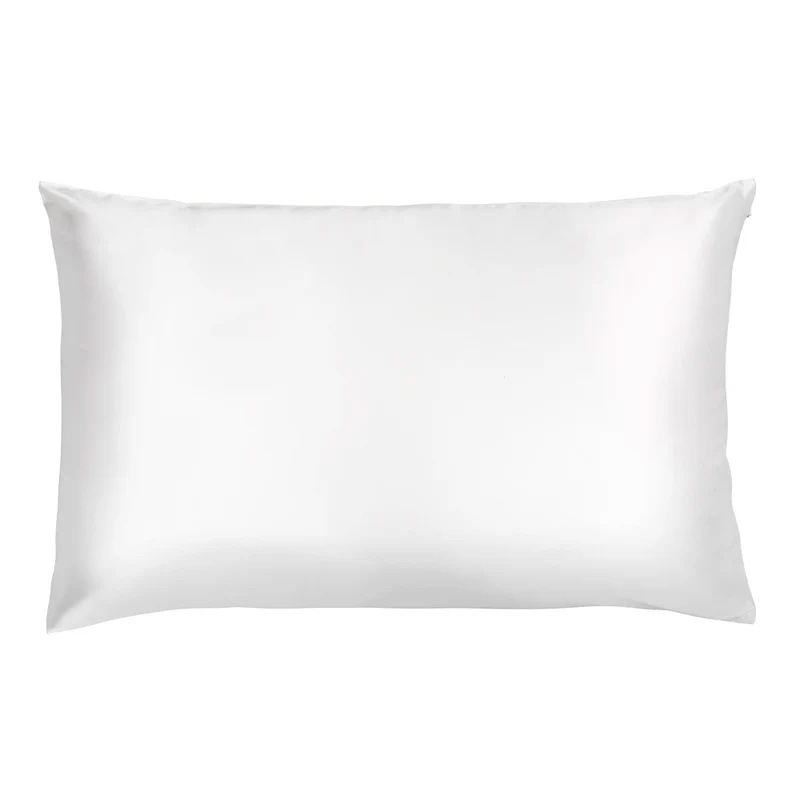
Your pillow shouldn’t steal your glow while you sleep. The lululinens LUXY LU 100% Mulberry Silk Pillowcase reduces friction, minimizes sleep creases, and keeps hair frizz-free. Pure mulberry silk offers temperature-regulating softness that’s hypoallergenic and gentle. Wake up looking as rested as you feel.
The most common body pillow size measures 20 x 54 inches. This standard size fits most adult users. Some manufacturers produce longer versions at 20 x 60 inches or 20 x 72 inches.
Pregnancy body pillows often use different dimensions. These specialty pillows can measure 20 x 48 inches for shorter versions or extend to full-length options.
Key measurement points:
- Length: 48 to 72 inches
- Width: 20 to 22 inches
- Thickness: 4 to 8 inches (affects fit)
Measure your body pillow before shopping. Use a tape measure across the length and width. Add the thickness to your width measurement if your pillow is very plump.
Standard Pillowcase Sizes for Body Pillows
Body pillowcases use specific sizing standards. The industry recognizes these dimensions as standard options.
20 x 54 inches represents the most common size. This pillowcase fits standard body pillows sold by major retailers. The case provides a snug fit without excess fabric.
20 x 60 inches works for extra-long body pillows. Side sleepers who need additional length prefer this size. The extra six inches prevent your feet from touching bare pillow fabric.
20 x 72 inches suits the longest body pillows available. Tall individuals over six feet often choose this option. The extended length covers the entire pillow surface.
Some brands offer 22-inch width options. These wider cases accommodate fluffier pillows or allow for slight shrinkage after washing.
Specialty Body Pillow Sizes
Pregnancy pillows require different measurements. C-shaped pregnancy pillows need specialized cases that follow their unique contours. U-shaped pillows demand cases designed for their wraparound structure.
J-shaped body pillows typically use standard 20 x 54 inch cases for the straight portion. Some manufacturers create custom-fit cases for these specialized shapes.
Historical Development of Body Pillow Cases
Body pillows gained popularity in the United States during the 1990s. Before this period, people used regular bed pillows for side support.
Early body pillow adopters faced a sizing problem. No standardized pillowcases existed for these longer pillows. Users improvised by sewing two standard pillowcases together or purchasing custom-made options.
The bedding industry responded in the late 1990s. Manufacturers introduced the 20 x 54 inch standard based on average user height and comfort research. This size matched the most commonly sold body pillow dimensions.
By the early 2000s, maternity brands expanded the market. Pregnancy support pillows created demand for additional sizes and shapes. The industry developed C-shaped, U-shaped, and J-shaped options with corresponding pillowcases.
Online retail changed the market again in the 2010s. Direct-to-consumer brands offered more size variations. The 20 x 60 inch and 20 x 72 inch options became widely available.
Material Options and Their Impact on Sizing
Pillowcase fabric affects fit and comfort. Different materials behave differently after washing and during use.
Cotton pillowcases shrink approximately 3-5% after the first wash. Buy a case slightly larger than your pillow if you choose 100% cotton. Pre-washed cotton options minimize this issue.
Microfiber cases resist shrinking better than cotton. These synthetic materials maintain their size through multiple wash cycles. The fabric stretches slightly to accommodate your pillow.
Bamboo and rayon blends offer moderate stretch. These materials conform to your pillow shape while maintaining durability. Expect minimal shrinkage with proper care.
Jersey knit fabric provides maximum stretch. This material adapts to various pillow thicknesses. A 20 x 54 inch jersey case can fit pillows ranging from 19 to 21 inches wide.
Thread Count Considerations
Higher thread counts create denser fabric. This density affects how the pillowcase fits your body pillow.
- 200-400 thread count: Looser weave allows more give
- 400-600 thread count: Balanced fit with moderate stretch
- 600+ thread count: Tighter fit requires precise measurements
How to Measure Your Body Pillow Correctly
Accurate measurements ensure proper pillowcase fit. Follow these steps for precise results.
- Lay your pillow flat on a hard surface
- Measure the length from end to end at the longest point
- Measure the width across the middle at the widest point
- Measure the thickness (loft) by wrapping a tape measure around the middle
- Add 2 inches to width if your pillow is thicker than 6 inches
Record all measurements. Compare them against pillowcase specifications before purchasing.
Accounting for Pillow Fill
Fill material affects pillow dimensions over time. Different fills compress at different rates.
Memory foam maintains consistent size. These pillows rarely change dimensions after initial expansion. Buy cases matching exact measurements.
Polyester fill compresses with use. New polyester body pillows may need cases 1-2 inches larger. The fill settles after several weeks.
Down and feather fills fluctuate most. These natural materials compress significantly. Choose cases at the larger end of your measurement range.
Shredded foam offers moderate compression. These pillows maintain shape better than polyester but compress more than solid memory foam.
Pillowcase Fit Comparison Table
| Pillow Size | Recommended Case Size | Fabric Type | Fit Description |
|---|---|---|---|
| 20 x 54 inches | 20 x 54 inches | Cotton/Microfiber | Snug, minimal excess |
| 20 x 54 inches | 20 x 56 inches | Cotton (high thread count) | Comfortable with slight room |
| 20 x 60 inches | 20 x 60 inches | Jersey knit | Stretchy, form-fitting |
| 20 x 60 inches | 20 x 62 inches | Cotton | Relaxed fit |
| 20 x 72 inches | 20 x 72 inches | Microfiber | Precise fit |
| 22 x 54 inches | 22 x 54 inches | Any material | Custom fit for wider pillows |
Benefits of Proper Pillowcase Sizing
A correctly sized pillowcase improves sleep quality. The benefits extend beyond simple aesthetics.
Pillow longevity increases with proper coverage. Cases that fit well protect against oils, dirt, and wear. Your body pillow lasts longer with appropriate protection.
Comfort improves when cases don’t bunch or slide. Tight cases restrict pillow loft. Loose cases create wrinkles that press against your skin.
Hygiene maintenance becomes easier. Well-fitted cases stay in place during sleep. You avoid exposed pillow areas that collect dust and allergens.
Temperature regulation works better. Cases sized correctly allow proper airflow. Oversized cases trap heat in excess fabric folds.
Your pillow shouldn’t steal your glow while you sleep. The lululinens LUXY LU 100% Mulberry Silk Pillowcase reduces friction, minimizes sleep creases, and keeps hair frizz-free. Pure mulberry silk offers temperature-regulating softness that’s hypoallergenic and gentle. Wake up looking as rested as you feel.
Common Sizing Mistakes to Avoid
Many buyers choose incorrect pillowcase sizes. These errors compromise comfort and pillow lifespan.
Buying standard pillowcases for body pillows represents the most common mistake. Standard cases measure 20 x 26 inches or 20 x 36 inches. These sizes leave most of your body pillow exposed.
Ignoring fabric shrinkage causes fit problems after washing. Always check care instructions and fabric content before purchasing.
Measuring while the pillow is compressed gives inaccurate dimensions. Allow your pillow to fully expand before measuring.
Forgetting to account for pillow thickness creates tight-fitting cases. Measure around the pillow, not just flat dimensions.
Assuming all 20 x 54 inch cases fit the same. Fabric stretch and construction methods create variation between brands.
Where to Find Body Pillow Cases
Multiple retailers stock body pillowcases. Each source offers different advantages.
Online specialty bedding stores provide the widest selection. Sites like lululinens.com offer various sizes, materials, and colors. You can filter by exact measurements.
Major department stores carry basic options. These retailers stock standard 20 x 54 inch cases in common materials. Selection is limited but prices are competitive.
Pregnancy and maternity shops specialize in C-shaped and U-shaped cases. These stores understand specialty sizing needs.
Custom sewing services create cases for unusual dimensions. This option costs more but guarantees perfect fit.
Direct from pillow manufacturers ensures compatibility. Many body pillow brands sell matching cases designed specifically for their products.
Maintenance Tips for Extended Case Life
Proper care keeps your pillowcases fitting correctly. Follow these guidelines for best results.
Wash in cold water to prevent shrinkage. Hot water breaks down elastic fibers and causes cotton to contract.
Avoid high heat drying. Tumble dry on low or air dry flat. High heat damages fabric elasticity.
Pre-treat stains immediately. Body oils and sweat break down fabric over time. Quick treatment prevents permanent damage.
Rotate between two cases. This practice reduces wear on any single case. Each case gets proper drying time between uses.
Check zippers and seams regularly. Replace cases when closures fail or seams weaken. Damaged cases don’t protect your pillow adequately.
Making the Final Selection
Choose your body pillowcase by following this decision framework.
Step 1: Measure your body pillow accurately using the method outlined above.
Step 2: Identify your fabric preference based on comfort needs and maintenance willingness.
Step 3: Add 1-2 inches to measurements if choosing high thread count cotton or if your pillow has very thick fill.
Step 4: Compare prices across retailers for your specific size and material combination.
Step 5: Read customer reviews focusing on shrinkage and fit comments.
Step 6: Order from retailers with good return policies for your first purchase.
Step 7: Wash according to care instructions before first use.
Additional Considerations for Special Needs
Some users have specific requirements that affect pillowcase selection.
Allergy sufferers benefit from tightly woven cases in the 400-600 thread count range. These fabrics block more allergens while maintaining breathability.
Hot sleepers should choose cooling fabrics like bamboo or moisture-wicking microfiber. Standard cotton retains more heat.
Sensitive skin responds well to organic cotton or silk cases. These natural materials cause less irritation.
Budget-conscious buyers can find quality microfiber options at lower price points. These cases perform well despite lower costs.
The correct pillowcase size for your body pillow depends on precise measurements and material choice. Standard body pillows at 20 x 54 inches need matching cases in that size. Longer pillows require proportionally longer cases. Account for fabric shrinkage and pillow thickness in your calculations. A well-fitted case protects your investment and improves sleep quality. Take time to measure accurately and select appropriate materials for your needs.
Your pillow shouldn’t steal your glow while you sleep. The lululinens LUXY LU 100% Mulberry Silk Pillowcase reduces friction, minimizes sleep creases, and keeps hair frizz-free. Pure mulberry silk offers temperature-regulating softness that’s hypoallergenic and gentle. Wake up looking as rested as you feel.