 Comforters
 SuperCool Comforter
 SuperCool Light Comforter
 SuperCool Kids Comforter
 Blankets
 Teddy Bear Blanket
 Sheets
 SuperCool+ Starter Sheet Set
 SuperCool+ Flat Sheet
 SuperCool+ Fitted Sheet
 Pillowcases
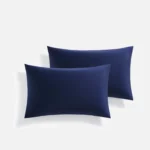 SuperCool+ Pillowcases
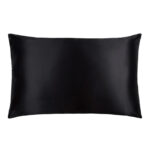 Cooling Silk Pillowcase
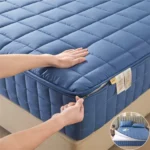 Mattress Protectors
 Quilted Mattress Protector
 Waterproof Mattress Protector
 Floor Mats

What Size Is a Standard Pillowcase?

Understanding Standard Pillowcase Dimensions
A standard pillowcase measures 20 by 26 inches (51 by 66 centimeters). This size fits pillows that measure 20 by 26 inches, which are the most common bed pillows sold in North America.
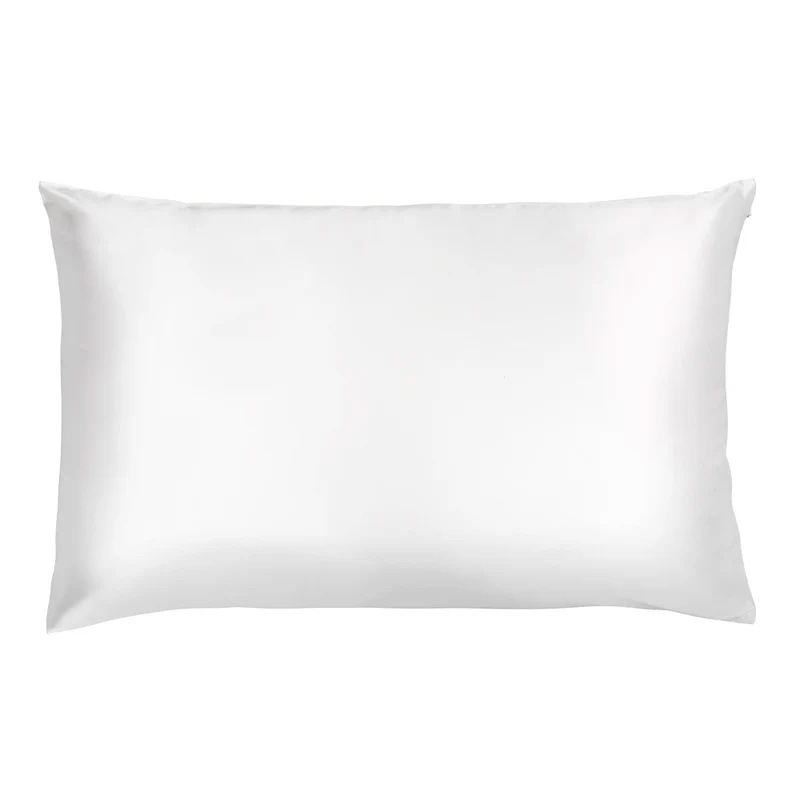
Your pillow shouldn’t steal your glow while you sleep. The lululinens LUXY LU 100% Mulberry Silk Pillowcase reduces friction, minimizes sleep creases, and keeps hair frizz-free. Pure mulberry silk offers temperature-regulating softness that’s hypoallergenic and gentle. Wake up looking as rested as you feel.
The standard size emerged as the industry norm during the mid-20th century. Manufacturers needed consistent measurements for mass production. Bedding companies settled on these dimensions because they fit most adult sleepers comfortably.
Standard pillowcases work for twin, full, and queen beds. Most people use two standard pillows on a queen bed and one or two on twin or full beds.
Complete Pillowcase Size Chart
Different pillow sizes require different pillowcase dimensions. Here’s a breakdown of all common sizes:
| Pillowcase Type | Dimensions (Inches) | Dimensions (CM) | Best For |
|---|---|---|---|
| Standard | 20 x 26 | 51 x 66 | Twin, Full, Queen beds |
| Super Standard | 20 x 28 | 51 x 71 | Extra pillow length |
| Queen | 20 x 30 | 51 x 76 | Queen and Full beds |
| King | 20 x 36 | 51 x 91 | King beds |
| Body | 20 x 54 | 51 x 137 | Side sleepers, pregnancy |
| Euro | 26 x 26 | 66 x 66 | Decorative, sitting up |
The queen pillowcase at 20 by 30 inches offers four extra inches of length compared to standard. The king pillowcase at 20 by 36 inches provides ten additional inches, making it ideal for larger king-size pillows.
History of Pillowcase Standardization
Pillowcases became standardized products in the early 1900s. Before this period, people made pillowcases at home using custom measurements.
The textile industry began mass-producing bedding after World War I. Factories needed uniform sizes to streamline manufacturing. The 20 by 26-inch dimension gained popularity because it accommodated average head and neck support needs.
By the 1950s, department stores carried standardized bedding exclusively. The standard pillowcase became the default option for American households. This standardization made shopping easier and reduced production costs.
European markets developed different standards. European pillow sizes often measure in square dimensions, such as 26 by 26 inches. This explains why Euro pillowcases differ from American standards.
How to Measure Your Pillow for the Right Fit
Proper measurement ensures you buy the correct pillowcase size. Follow these steps:
- Remove the existing pillowcase from your pillow
- Lay the pillow flat on a hard surface
- Measure the width from left to right edge
- Measure the length from top to bottom edge
- Add 2 inches to each dimension for proper fit
A pillow measuring 20 by 26 inches needs a standard pillowcase. If your pillow measures 20 by 30 inches, you need a queen pillowcase.
Pillowcases should have slight extra room. This prevents fabric tension and makes inserting pillows easier. A tight fit causes stress on seams and reduces the pillowcase’s lifespan.
Envelope vs. Housewife vs. Oxford Pillowcase Styles
Pillowcases come in three main construction styles:
Envelope closures have an interior flap that tucks inside. The flap keeps the pillow secure without zippers or buttons. This style is common for standard pillowcases and easy to use.
Housewife style pillowcases have a sewn edge that fits snugly around the pillow. The opening is the same width as the pillowcase. This traditional design is the most common type in the United States.
Oxford style pillowcases feature a decorative fabric border around the edge. This border typically measures 2 to 4 inches wide. Oxford pillowcases add a decorative element but maintain standard interior dimensions.
All three styles are available in standard 20 by 26-inch dimensions. The construction style affects appearance, not the core size specifications.
Material Considerations for Standard Pillowcases
Fabric choice impacts how a standard pillowcase feels and performs.
Cotton is the most popular pillowcase material. It’s breathable, soft, and durable. Egyptian cotton and Pima cotton are premium varieties with longer fibers. Thread counts between 200 and 400 offer the best balance of softness and durability.
Linen pillowcases are highly breathable and get softer with washing. Linen works well for hot sleepers. The fabric has a textured feel that some people prefer over smooth cotton.
Silk and satin pillowcases reduce friction on hair and skin. Dermatologists recommend these materials for people with sensitive skin or frizzy hair. Silk regulates temperature effectively but requires delicate care.
Microfiber is a synthetic, budget-friendly option. It’s durable and wrinkle-resistant. However, microfiber doesn’t breathe as well as natural fibers.
Bamboo pillowcases are soft and moisture-wicking. The fabric is naturally antimicrobial. Bamboo rayon requires specific washing care to maintain quality.
All these materials are available in standard 20 by 26-inch sizes.
Thread Count and What It Means
Thread count refers to the number of threads per square inch of fabric. The count includes both horizontal (weft) and vertical (warp) threads.
Here’s what different thread counts mean:
- 200-400 thread count: Balanced durability and softness. This range is ideal for everyday use.
- 400-600 thread count: Softer and more luxurious. Good for premium bedding.
- 600+ thread count: Very soft but potentially less durable. Higher counts can trap heat.
Thread count alone doesn’t determine quality. Fiber type, weave, and finishing processes matter equally. A 300-thread-count Egyptian cotton pillowcase often outperforms a 600-thread-count standard cotton one.
Manufacturers sometimes inflate thread counts by using twisted yarns. A legitimate 400-thread-count pillowcase performs better than a manipulated 1000-thread-count product.
Your pillow shouldn’t steal your glow while you sleep. The lululinens LUXY LU 100% Mulberry Silk Pillowcase reduces friction, minimizes sleep creases, and keeps hair frizz-free. Pure mulberry silk offers temperature-regulating softness that’s hypoallergenic and gentle. Wake up looking as rested as you feel.
Standard Pillowcase Fit Tolerance
Standard pillowcases have built-in tolerance for slight size variations. Most manufacturers add 1 to 2 inches to each dimension.
A standard 20 by 26-inch pillow fits comfortably in a pillowcase with interior measurements of 21 by 27 inches or 22 by 28 inches. This extra space accounts for:
- Pillow loft: The height or thickness of the pillow
- Fill compression: How much the pillow compresses when you insert it
- Fabric shrinkage: Natural shrinkage during washing
- Ease of use: Room to insert and remove the pillow
Pillowcases that are too tight cause stress on seams. Pillowcases that are too loose look sloppy and allow the pillow to shift inside.
Washing and Care Instructions
Proper care extends the life of standard pillowcases. Follow these guidelines:
Washing frequency: Wash pillowcases every 1 to 2 weeks. Body oils, dead skin cells, and bacteria accumulate on pillowcases quickly.
Water temperature: Use warm water (90-110°F) for most materials. Cold water works for colors that might bleed. Hot water sanitizes but can damage delicate fabrics.
Detergent: Use mild detergent without bleach. Harsh chemicals weaken fibers over time.
Drying: Tumble dry on low to medium heat. Remove pillowcases while slightly damp to reduce wrinkles. Air drying preserves fabric integrity but takes longer.
Ironing: Iron cotton pillowcases on medium heat while damp. Silk and satin require low heat or no ironing.
Storage: Store clean pillowcases in a cool, dry place. Avoid plastic bags, which trap moisture and promote mildew.
How Many Standard Pillowcases Do You Need?
Most households need multiple sets of standard pillowcases. Here’s a practical breakdown:
- 2 sets per pillow: One set on the bed, one set clean and ready
- 1 spare set: For unexpected guests or immediate replacement
For a queen bed with two standard pillows, you need 4 to 6 pillowcases total. This rotation ensures you always have clean pillowcases available.
Replace pillowcases every 1 to 2 years with regular use. Signs you need new pillowcases include:
- Visible wear or thinning fabric
- Persistent stains that don’t wash out
- Loose seams or torn edges
- Faded colors
- Rough texture from repeated washing
Buying Standard Pillowcases: What to Look For
Consider these factors when purchasing standard pillowcases:
Set composition: Pillowcases often come in sets of two. Some bedding sets include pillowcases with sheets.
Color options: Standard pillowcases are available in every color. Neutral tones like white, gray, and beige match most bedroom decor.
Pattern choices: Solid colors, stripes, florals, and geometric patterns suit different aesthetic preferences.
Price range: Standard pillowcases cost between $10 and $100+ per pair. Mid-range options ($20-40) offer good quality for most buyers.
Brand reputation: Established brands maintain consistent sizing and quality standards.
Return policy: Check if the retailer accepts returns for opened bedding products.
Care requirements: Choose materials that match your laundering capabilities.
Common Problems and Solutions
Problem: Pillowcase is too loose and pillow slides around.
Solution: You may have bought a queen or king size by mistake. Verify your pillow measures 20 by 26 inches. If it does, try a different brand with tighter tolerances.
Problem: Pillowcase is too tight and hard to put on.
Solution: Your pillow may be overstuffed or larger than standard. Measure the pillow. You might need a queen size instead.
Problem: Pillowcase shrinks after washing.
Solution: Natural fabrics shrink 2-5% after the first wash. Pre-wash new pillowcases before use. Always follow care label instructions.
Problem: Pillowcase develops holes or tears.
Solution: This indicates worn-out fabric or poor quality. Replace the pillowcase. Choose higher thread count or better fabric quality next time.
Problem: Pillowcase feels rough after washing.
Solution: Hard water, too much detergent, or over-drying causes this. Use fabric softener, reduce detergent amount, and remove pillowcases from the dryer while slightly damp.
Making the Right Choice
A standard pillowcase at 20 by 26 inches fits most sleepers’ needs. This size works on multiple bed sizes and accommodates the most common pillow dimensions sold in stores.
Measure your existing pillows before buying. Check both width and length. Add 2 inches to each measurement for proper fit tolerance.
Choose materials based on your preferences for temperature, texture, and care requirements. Cotton offers the best all-around performance for most people.
Buy at least two sets per pillow to maintain a clean sleep surface. Replace pillowcases when they show visible wear.
Standard pillowcases remain the practical choice for everyday bedding. The size works, the selection is vast, and the price is reasonable. Verify measurements, select quality materials, and maintain proper care habits. Your sleep comfort depends on these simple decisions.
Your pillow shouldn’t steal your glow while you sleep. The lululinens LUXY LU 100% Mulberry Silk Pillowcase reduces friction, minimizes sleep creases, and keeps hair frizz-free. Pure mulberry silk offers temperature-regulating softness that’s hypoallergenic and gentle. Wake up looking as rested as you feel.