 Comforters
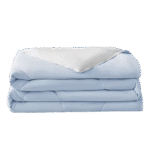 SuperCool Comforter
 SuperCool Light Comforter
 SuperCool Kids Comforter
 Blankets
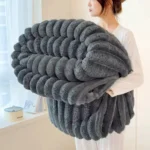 Teddy Bear Blanket
 Sheets
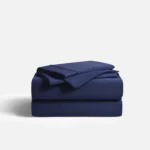 SuperCool+ Starter Sheet Set
 SuperCool+ Flat Sheet
 SuperCool+ Fitted Sheet
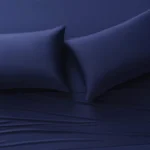 Pillowcases
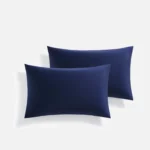 SuperCool+ Pillowcases
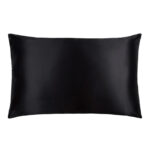 Cooling Silk Pillowcase
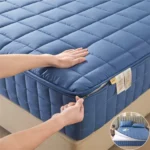 Mattress Protectors
 Quilted Mattress Protector
 Waterproof Mattress Protector
 Floor Mats

What Size Is a Queen Size Pillowcase?

Standard Queen Pillowcase Dimensions
A queen size pillowcase measures 20 x 30 inches (51 x 76 cm). This standard dimension fits most queen-sized pillows sold in North America. The measurement refers to the interior space of the pillowcase, not the fabric dimensions before sewing.
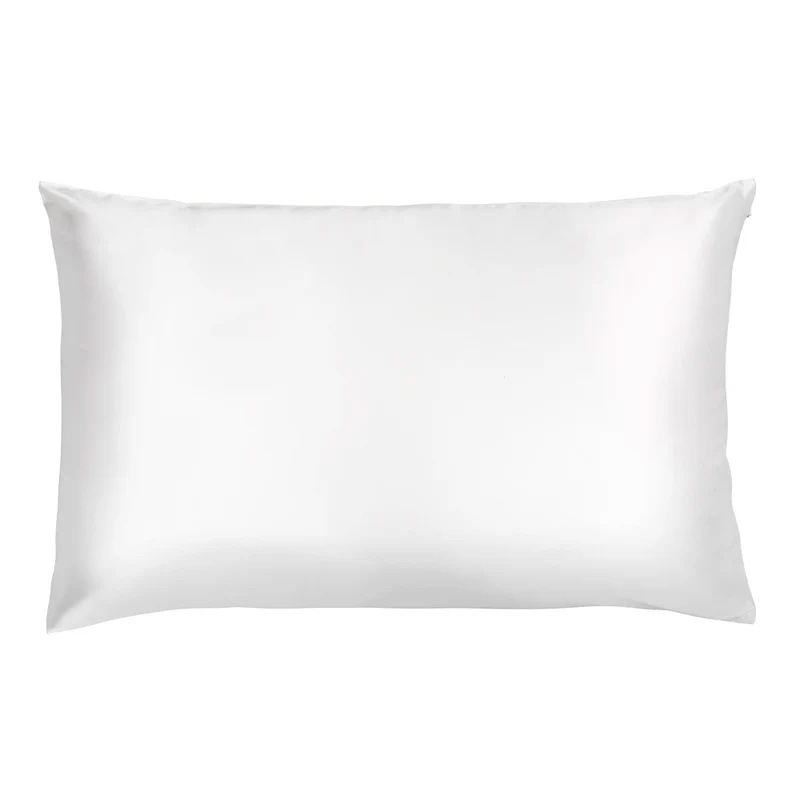
Your pillow shouldn’t steal your glow while you sleep. The lululinens LUXY LU 100% Mulberry Silk Pillowcase reduces friction, minimizes sleep creases, and keeps hair frizz-free. Pure mulberry silk offers temperature-regulating softness that’s hypoallergenic and gentle. Wake up looking as rested as you feel.
Queen pillowcases differ from standard pillowcases, which measure 20 x 26 inches. The four extra inches in length accommodate the fuller dimensions of queen pillows. Standard pillows measure 20 x 26 inches, while queen pillows measure 20 x 30 inches.
Key measurements for queen pillowcases:
- Width: 20 inches
- Length: 30 inches
- Closure allowance: Additional 2-4 inches for envelope or flap closures
- Seam allowance: 0.5 inches per side (factored into manufacturing)
Most manufacturers add fabric beyond the 20 x 30 inch interior measurement. This extra fabric creates the closure mechanism. Envelope closures typically add 3-4 inches to the total fabric length.
History of Standardized Pillowcase Sizing
Pillowcase standardization began in the early 20th century. Before 1900, most households used custom-made linens. Families measured their pillows and sewed cases to match.
The bedding industry adopted standard sizes in the 1920s. Mass production required uniform dimensions. Retailers needed predictable inventory. Consumers wanted guaranteed fit without measuring each pillow.
Evolution of pillowcase standards:
- 1920s-1930s: Introduction of standard and king sizes
- 1950s-1960s: Queen size emerged as mattress dimensions expanded
- 1980s-1990s: Global trade established international size variations
- 2000s-present: Specialty sizes proliferated for European and body pillows
The queen size gained popularity in the 1960s. Larger homes and bedrooms allowed bigger beds. Manufacturers created the queen mattress as a middle option between full and king sizes. Bedding accessories, including pillowcases, followed this sizing trend.
European countries maintain different standards. A European queen pillowcase often measures 65 x 65 cm (approximately 26 x 26 inches square). This square format differs significantly from American rectangular designs.
Queen vs. Standard vs. King Pillowcase Comparison
Understanding size differences helps you select the right pillowcase. Using the wrong size creates bunching, slipping, or incomplete coverage.
| Pillowcase Size | Width | Length | Best For |
|---|---|---|---|
| Standard | 20 inches | 26 inches | Twin and full beds, children, single sleepers |
| Queen | 20 inches | 30 inches | Queen beds, couples, average adult sleepers |
| King | 20 inches | 36 inches | King beds, large pillows, side sleepers needing extra support |
| Body | 20 inches | 54 inches | Body pillows, pregnancy support, full-length cushions |
The width remains consistent across standard, queen, and king sizes. Only the length changes. This uniform width simplifies manufacturing and maintains compatibility with pillow construction methods.
Standard pillowcases work for smaller beds. Children’s beds and guest rooms often use standard sizes. The shorter length suits thinner, less filled pillows.
Queen pillowcases serve as the most versatile option. Most households with queen beds use these exclusively. They accommodate medium-fill pillows without excess fabric.
King pillowcases fit oversized pillows. Side sleepers and those who prefer substantial neck support benefit from king-sized pillows and cases. The extra six inches prevents the pillow from protruding.
Material Considerations for Queen Pillowcases
Fabric choice affects fit and function. Different materials behave differently even with identical dimensions.
Cotton remains the most popular pillowcase material. Cotton pillowcases maintain their shape after washing. Thread counts range from 200 to 1000. Higher thread counts feel softer but may reduce breathability.
Percale cotton provides a crisp, cool feel. The tight weave creates a matte finish. Percale works well in warm climates. It resists wrinkling less than sateen.
Sateen cotton offers a silky, lustrous surface. The weave technique creates a slight sheen. Sateen feels warmer than percale. It drapes more smoothly over pillows.
Linen delivers exceptional breathability. Linen pillowcases feel stiff initially but soften with use. The material naturally wicks moisture. Linen wrinkles easily but many users appreciate the relaxed aesthetic.
Silk provides the smoothest surface. Silk reduces friction against hair and skin. Dermatologists recommend silk for people with sensitive skin or hair concerns. Silk requires more delicate care than cotton.
Microfiber offers an affordable synthetic option. Microfiber resists stains and fading. The material dries quickly. Some users find microfiber less breathable than natural fibers.
Bamboo fabrics combine softness with sustainability. Bamboo rayon feels similar to silk. The material regulates temperature effectively. Processing methods vary, affecting environmental impact.
How to Measure Your Pillow for the Right Fit
Measuring ensures you purchase the correct pillowcase size. A proper fit prevents shifting during sleep.
Step-by-step measuring process:
- Remove any existing pillowcase
- Lay the pillow flat on a hard surface
- Measure the width from seam to seam
- Measure the length from seam to seam
- Add 1-2 inches to each measurement for proper case fit
Most queen pillows measure exactly 20 x 30 inches. Some premium or overstuffed pillows measure slightly larger. Pillows measuring 20 x 32 inches still fit queen pillowcases but may feel snug.
Check your pillow’s fill and loft. High-loft pillows with substantial fill require more interior space. A pillowcase that fits a medium-fill pillow may barely close over a high-fill version.
Consider pillow compression. Memory foam and down alternative pillows compress differently than traditional down. Memory foam maintains its shape rigidly. Down compresses easily, allowing more flexibility in case fit.
Common Fit Problems and Solutions
Even with correct dimensions, fit issues occur. Understanding common problems helps you adjust.
Problem: Pillowcase slides off during sleep
- Solution: Choose cases with deeper envelope closures
- Solution: Select materials with more grip, like percale over sateen
- Solution: Verify your pillow measures 20 x 30 inches, not 20 x 26 inches
Problem: Excess fabric bunches inside the case
- Solution: Confirm you have a queen pillow, not a standard pillow
- Solution: Try a standard size pillowcase if your pillow measures under 28 inches long
- Solution: Fold excess fabric under the pillow before sleeping
Problem: Pillow corners don’t fill the case corners
- Solution: Fluff and redistribute fill before inserting into case
- Solution: Add more fill to the pillow if possible
- Solution: Accept that some materials, like down, settle away from corners naturally
Problem: Seams tear or stress at closure
- Solution: Don’t overstuff a case with an oversized pillow
- Solution: Replace worn pillowcases before seams fail completely
- Solution: Hand-wash delicate materials instead of machine washing
Your pillow shouldn’t steal your glow while you sleep. The lululinens LUXY LU 100% Mulberry Silk Pillowcase reduces friction, minimizes sleep creases, and keeps hair frizz-free. Pure mulberry silk offers temperature-regulating softness that’s hypoallergenic and gentle. Wake up looking as rested as you feel.
Thread Count and Its Impact on Queen Pillowcase Fit
Thread count refers to the number of threads per square inch of fabric. Higher thread counts create denser weaves.
Thread count ranges:
- 200-400: Basic, breathable, budget-friendly
- 400-600: Mid-range, balanced softness and durability
- 600-800: Premium, silky feel, less breathable
- 800-1000: Luxury, very soft, may feel heavy
Thread count affects how pillowcases fit. Higher thread counts create stiffer fabric initially. This stiffness makes insertion slightly harder but helps the case hold its shape better.
Lower thread counts produce more flexible fabric. These pillowcases slide onto pillows more easily. The looser weave allows more stretch and give.
Neither high nor low thread count changes the actual dimensions. A 300-thread-count queen pillowcase and an 800-thread-count version both measure 20 x 30 inches. The feel and drape differ, not the size.
Closure Types for Queen Pillowcases
Closure design affects practical fit and security. Three main closure types dominate the market.
Envelope closure folds fabric over the pillow opening. This design requires no fasteners. The overlapping fabric keeps the pillow secure. Envelope closures add 3-4 inches to the total fabric length but maintain the 20 x 30 inch interior dimension.
Flap closure extends fabric beyond the opening with a simple fold. Flap closures provide less security than envelope designs. The pillow may slip out more easily. This style works best for decorative shams rather than sleeping pillowcases.
Zipper closure uses a sewn-in zipper along one edge. Zippers provide the most secure closure. Pillows cannot escape during sleep. Some users dislike the feel of zippers against their skin. Hidden zippers solve this concern.
Button closure features buttons along the opening edge. Buttons offer adjustable security. You can button or unbutton based on preference. Buttons require more maintenance as they may fall off over time.
Most queen pillowcases sold for daily use feature envelope closures. This design balances security, comfort, and ease of use.
Caring for Queen Pillowcases to Maintain Fit
Proper care preserves pillowcase dimensions and fabric integrity. Shrinkage and stretching alter fit over time.
Washing guidelines:
- Wash in cold or warm water, never hot
- Use mild detergent without harsh chemicals
- Separate colors to prevent dye transfer
- Turn pillowcases inside out to protect the exterior
- Wash every 1-2 weeks for hygiene
Drying recommendations:
- Tumble dry on low or medium heat
- Remove promptly to minimize wrinkles
- Hang dry natural fibers like linen to prevent shrinkage
- Avoid over-drying, which weakens fibers
Ironing and storage:
- Iron cotton and linen on appropriate heat settings
- Skip ironing for wrinkle-resistant materials
- Store folded in a cool, dry location
- Avoid plastic bags, which trap moisture
Cotton pillowcases may shrink 2-5% after the first wash. Pre-washed or pre-shrunk options minimize this effect. Always check care labels before washing new pillowcases.
Where to Buy Quality Queen Pillowcases
Retailers offer queen pillowcases at various price points. Quality varies significantly across brands and sellers.
Department stores stock multiple brands and materials. You can feel fabrics in person before purchasing. Sales associates can answer sizing questions. Prices range from budget to premium.
Specialty bedding stores focus exclusively on sleep products. These retailers carry higher-end options. Staff expertise typically exceeds general retailers. Expect higher prices for specialized knowledge and premium products.
Online marketplaces provide the widest selection. Customer reviews help gauge quality. Return policies vary by seller. Always verify dimensions match your needs. Sites like lululinens.com specialize in quality linens with detailed size information.
Direct-to-consumer brands sell through their own websites. These companies eliminate middlemen, potentially offering better prices. Customer service quality varies. Check return policies carefully.
Home goods stores balance price and quality. Stores like HomeGoods or TJ Maxx offer discounted premium brands. Selection changes frequently. Stock may be limited.
How Many Queen Pillowcases Do You Need?
Adequate pillowcase inventory ensures you always have clean options available. Most households require multiple sets.
Recommended quantities:
- Minimum: 2 pillowcases per pillow (one in use, one clean)
- Comfortable: 3 pillowcases per pillow (rotation for washing)
- Ideal: 4 pillowcases per pillow (seasonal options and backups)
A queen bed typically uses two queen pillows. This setup requires four pillowcases minimum, six for comfortable rotation, and eight for ideal coverage.
Consider seasonal variations. Lightweight percale cotton works well for summer. Warmer sateen or flannel suits winter months. Having seasonal options increases your total inventory.
Keep at least one decorative pillowcase set separate from daily-use cases. Decorative shams maintain better appearance when used less frequently.
Queen Pillowcase Selection Summary
Selecting the right queen pillowcase requires attention to several factors. Follow this decision framework:
Size verification: Confirm your pillow measures 20 x 30 inches. Measure existing pillows before purchasing new cases.
Material selection: Choose based on climate, skin sensitivity, and personal preference. Cotton offers versatility for most users.
Thread count decision: Select 400-600 thread count for balanced comfort and durability. Adjust up or down based on budget and preferences.
Closure preference: Envelope closures work best for most sleeping situations. Consider zippers for pillows that shift frequently.
Care requirements: Match pillowcase materials to your willingness to follow care instructions. Low-maintenance options suit busy households.
Quantity planning: Purchase at least two cases per pillow, preferably three or more for rotation.
Budget allocation: Quality pillowcases last years with proper care. Invest in durable options rather than replacing cheap cases frequently.
Queen pillowcases measuring 20 x 30 inches fit standard queen pillows perfectly. This size dominates the North American market. Understanding dimensions, materials, and care requirements helps you select pillowcases that maintain their fit and appearance for years. Proper sizing ensures comfort and prevents common fit problems that disrupt sleep quality.
Your pillow shouldn’t steal your glow while you sleep. The lululinens LUXY LU 100% Mulberry Silk Pillowcase reduces friction, minimizes sleep creases, and keeps hair frizz-free. Pure mulberry silk offers temperature-regulating softness that’s hypoallergenic and gentle. Wake up looking as rested as you feel.