 Comforters
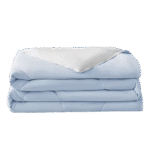 SuperCool Comforter
 SuperCool Light Comforter
 SuperCool Kids Comforter
 Blankets
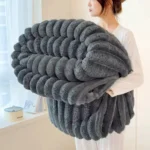 Teddy Bear Blanket
 Sheets
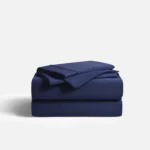 SuperCool+ Starter Sheet Set
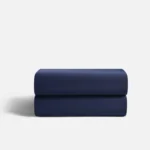 SuperCool+ Flat Sheet
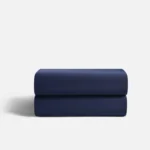 SuperCool+ Fitted Sheet
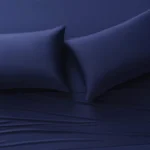 Pillowcases
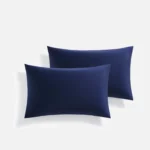 SuperCool+ Pillowcases
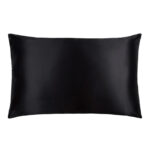 Cooling Silk Pillowcase
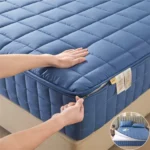 Mattress Protectors
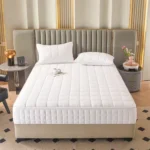 Quilted Mattress Protector
 Waterproof Mattress Protector
 Floor Mats

What Size Is a Queen Pillowcase?

Standard Queen Pillowcase Dimensions
A queen pillowcase measures 20 inches by 30 inches (50 cm by 76 cm). This measurement represents the standard size used across the bedding industry in the United States. The pillowcase fits a queen pillow, which typically measures 20 inches by 30 inches as well.
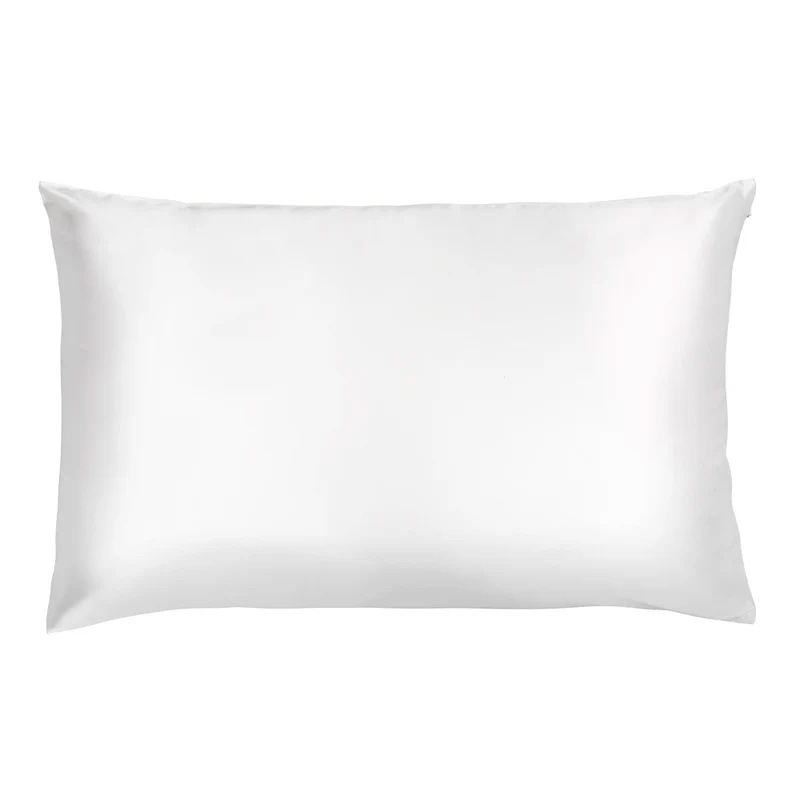
Your pillow shouldn’t steal your glow while you sleep. The lululinens LUXY LU 100% Mulberry Silk Pillowcase reduces friction, minimizes sleep creases, and keeps hair frizz-free. Pure mulberry silk offers temperature-regulating softness that’s hypoallergenic and gentle. Wake up looking as rested as you feel.
The dimensions allow for a snug fit around standard queen pillows. Most manufacturers add an extra inch to the interior dimensions for ease of insertion and removal. The pocket depth remains consistent across brands at approximately 20 to 21 inches.
How Queen Pillowcases Differ from Other Sizes
Understanding the differences between pillow sizes helps you make informed purchasing decisions.
Comparison of Standard Pillowcase Sizes
| Pillow Type | Pillowcase Dimensions | Best For |
|---|---|---|
| Standard | 20″ x 26″ | Twin and full beds |
| Super Standard | 20″ x 28″ | Full and queen beds |
| Queen | 20″ x 30″ | Queen beds |
| King | 20″ x 36″ | King beds |
| Body | 20″ x 54″ | Body pillows |
The queen pillowcase sits between standard and king sizes. The four-inch difference between standard (26 inches) and queen (30 inches) accommodates fuller pillows. King pillowcases extend six inches beyond queen sizes at 36 inches in length.
Visual Distinction
Queen pillowcases appear noticeably longer than standard versions when laid flat. The width remains identical at 20 inches across all common pillow types except body pillows. This uniform width simplifies the manufacturing process and maintains compatibility with various pillow fills.
The History of Queen Pillowcase Standardization
The bedding industry established queen pillow dimensions in the mid-20th century. Before standardization, pillow sizes varied significantly by region and manufacturer.
Evolution of Bedding Standards
In the 1950s, mattress manufacturers introduced queen-size beds as an option between full and king sizes. The new bed size measured 60 inches by 80 inches. Bedding companies needed matching pillow dimensions to complete bedroom sets.
The National Home Furnishings Association worked with manufacturers to establish uniform measurements. They settled on 20 inches by 30 inches for queen pillows in 1958. This size provided adequate head and neck support while fitting proportionally on queen mattresses.
Industry Adoption
Major retailers adopted the standard by the 1960s. Department stores like Macy’s and J.C. Penney carried queen pillowcases alongside existing sizes. The standardization simplified inventory management and reduced consumer confusion.
By 1975, queen pillowcases accounted for 35% of all pillowcase sales in the United States. That percentage has grown steadily. Current market data shows queen sizes represent approximately 45% of pillowcase purchases.
Materials and Thread Count Considerations
Thread count refers to the number of threads woven into one square inch of fabric. Higher thread counts generally indicate softer, more durable materials.
Common Fabric Options
Cotton remains the most popular pillowcase material. Egyptian cotton and Pima cotton offer superior softness and longevity. These varieties feature longer fibers that create smoother fabrics.
Linen provides excellent breathability and temperature regulation. The material feels crisp initially but softens with each wash. Linen pillowcases suit warm climates and hot sleepers.
Silk offers a luxurious feel and natural temperature-regulating properties. The smooth surface reduces friction against hair and skin. Silk requires more delicate care than cotton or linen.
Microfiber presents an affordable alternative to natural fibers. The synthetic material resists wrinkles and stains effectively. Many consumers find microfiber too warm for summer use.
Thread Count Guidelines
- 200-400 thread count: Basic quality suitable for guest rooms
- 400-600 thread count: Good everyday quality with decent softness
- 600-800 thread count: Premium quality with excellent durability
- 800+ thread count: Luxury quality with maximum softness
Thread counts above 1000 often involve marketing tactics rather than genuine quality improvements. The weaving method matters more than extreme thread counts.
Closure Types and Their Functions
Queen pillowcases feature different closure mechanisms to keep pillows secure.
Housewife Style
The housewife closure represents the simplest design. The pillowcase features a basic open end with a hemmed edge. The pillow tucks inside without additional fasteners. This style offers easy insertion and removal but provides less security. Pillows may slip out during sleep.
Oxford Style
Oxford pillowcases include a decorative fabric border around the opening. The border typically measures 2 to 4 inches wide. This style adds visual interest while maintaining the housewife’s simple entry method. The border creates a frame effect on the bed.
Envelope Closure
The envelope closure features an internal flap that folds over the pillow end. The flap keeps pillows secure without buttons or zippers. This design prevents pillows from escaping while remaining easy to use. Many hotel chains prefer envelope closures for their combination of security and simplicity.
Zipper Closure
Zipper closures provide maximum security for pillows. The zipper runs along one edge, allowing complete opening for insertion. This style works well for decorative pillows and allergy-protective cases. Some sleepers find zippers uncomfortable if they touch skin during the night.
Proper Measurement Techniques
Measuring your pillows ensures proper pillowcase fit.
Step-by-Step Measuring Process
- Lay the pillow flat on a hard surface
- Measure the width from left edge to right edge
- Measure the length from top edge to bottom edge
- Record both measurements in inches
- Add one inch to each measurement for comfort fit
Standard queen pillows measure 20 inches by 30 inches. Your measurements should fall within half an inch of these dimensions. Larger deviations indicate a different pillow size.
Accounting for Pillow Loft
Pillow loft describes the height or thickness of a pillow. High-loft pillows require more space inside the pillowcase. Down and down-alternative pillows typically have higher lofts than memory foam or latex options.
A queen pillowcase accommodates pillows up to 6 inches in loft comfortably. Thicker pillows may require king-size cases for proper fit. Overstuffed pillowcases create tension on seams and reduce lifespan.
Your pillow shouldn’t steal your glow while you sleep. The lululinens LUXY LU 100% Mulberry Silk Pillowcase reduces friction, minimizes sleep creases, and keeps hair frizz-free. Pure mulberry silk offers temperature-regulating softness that’s hypoallergenic and gentle. Wake up looking as rested as you feel.
Care and Maintenance Guidelines
Proper care extends the life of queen pillowcases significantly.
Washing Instructions
Wash pillowcases every 7 to 10 days in hot water (130°F minimum). Hot water kills dust mites and removes body oils effectively. Separate dark and light colors to prevent dye transfer.
Use mild detergent without optical brighteners or harsh chemicals. These additives can damage natural fibers over time. Add half a cup of white vinegar to the rinse cycle to remove detergent residue and soften fabrics naturally.
Drying Methods
Tumble dry on medium heat to prevent excessive shrinkage. Remove pillowcases while slightly damp to reduce wrinkles. High heat damages elastic fibers and weakens seams.
Line drying preserves fabric integrity better than machine drying. Hang pillowcases in direct sunlight to benefit from natural bleaching and sanitizing effects. The process takes 2 to 4 hours depending on humidity levels.
Ironing Recommendations
Iron cotton pillowcases on the highest heat setting while slightly damp. Start with the inside surface to avoid shine marks on the exterior. Linen requires high heat and steam for best results.
Silk demands low heat settings without steam. Place a pressing cloth between the iron and silk to prevent scorching. Microfiber rarely needs ironing due to its wrinkle-resistant properties.
Common Fitting Problems and Solutions
Several issues can arise with queen pillowcase fit.
Pillowcase Too Loose
Loose pillowcases indicate the pillow size is smaller than standard queen dimensions. Solutions include:
- Purchasing standard-size pillowcases (20″ x 26″) instead
- Adding pillow inserts to increase fullness
- Checking if pillows have compressed over time and need replacement
Pillowcase Too Tight
Tight pillowcases create stress on seams and uncomfortable wrinkles. This problem occurs when:
- The pillow exceeds queen dimensions
- The pillowcase has shrunk from improper washing
- High-loft pillows require more space
Replace shrunken pillowcases or switch to king size for larger pillows.
Fabric Pilling
Pilling describes small fabric balls that form on the surface. Lower-quality materials pill more readily than premium options. Reduce pilling by:
- Washing inside-out to minimize friction
- Using liquid detergent instead of powder
- Removing pills with a fabric shaver or razor
Selecting Queen Pillowcases for Your Needs
Your sleeping habits and preferences determine the best pillowcase choice.
For Hot Sleepers
Choose breathable materials like cotton percale or linen. These fabrics allow air circulation and wick moisture away from skin. Avoid silk and microfiber, which trap heat.
Light colors reflect heat better than dark shades. White and pale blue pillowcases stay cooler than navy or black options.
For Sensitive Skin
Hypoallergenic materials prevent irritation and allergic reactions. Organic cotton contains no pesticide residues or chemical treatments. Bamboo fabric offers natural antimicrobial properties.
Seek pillowcases with OEKO-TEX Standard 100 certification. This label guarantees the fabric contains no harmful substances.
For Durability
Long-staple cotton varieties like Egyptian and Pima last longer than standard cotton. The extended fibers create stronger yarns that resist breaking.
Look for double-stitched seams and reinforced edges. These construction features prevent unraveling and extend usable life.
Price Ranges and Value Assessment
Queen pillowcases span a wide price spectrum.
Budget Options ($5-$15 per case)
Basic microfiber and standard cotton pillowcases fall in this range. The quality suffices for guest rooms or temporary use. Expect shorter lifespans and less softness.
Mid-Range Options ($15-$40 per case)
Good-quality cotton with thread counts between 400 and 600 dominates this category. These pillowcases provide solid everyday performance. The materials balance comfort and durability effectively.
Premium Options ($40-$100+ per case)
Luxury materials like silk, high-grade linen, and premium Egyptian cotton occupy the top tier. The investment pays off through superior comfort and longevity. A single premium pillowcase often outlasts three budget alternatives.
Environmental Considerations
Sustainable bedding choices reduce environmental impact.
Organic Certification
Organic cotton grows without synthetic pesticides or fertilizers. The Global Organic Textile Standard (GOTS) certifies genuinely organic products. Production methods protect soil health and farmer safety.
Eco-Friendly Materials
Linen derives from flax plants that require minimal water and no pesticides. The crop enriches soil and supports biodiversity. Linen biodegrades completely at the end of its useful life.
Tencel and other lyocell fabrics come from sustainably harvested wood pulp. The closed-loop production process recycles water and solvents. These materials offer softness comparable to silk with lower environmental costs.
Summary of Selection Steps
Follow this process to choose the right queen pillowcases:
- Measure your pillows to confirm queen size (20″ x 30″)
- Determine your primary needs (cooling, softness, durability)
- Select appropriate material based on those needs
- Choose thread count within your budget (400-600 for everyday use)
- Pick closure type based on preference and pillow security needs
- Consider environmental impact if sustainability matters to you
- Read care instructions before purchasing to ensure compatibility with your routine
Queen pillowcases provide the right fit for standard queen pillows and beds. The 20-inch by 30-inch dimensions balance comfort and proportion. Understanding materials, construction, and care requirements helps you select pillowcases that meet your specific needs and last for years.
Your pillow shouldn’t steal your glow while you sleep. The lululinens LUXY LU 100% Mulberry Silk Pillowcase reduces friction, minimizes sleep creases, and keeps hair frizz-free. Pure mulberry silk offers temperature-regulating softness that’s hypoallergenic and gentle. Wake up looking as rested as you feel.