 Comforters
 SuperCool Comforter
 SuperCool Light Comforter
 SuperCool Kids Comforter
 Blankets
 Teddy Bear Blanket
 Sheets
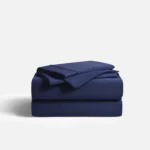 SuperCool+ Starter Sheet Set
 SuperCool+ Flat Sheet
 SuperCool+ Fitted Sheet
 Pillowcases
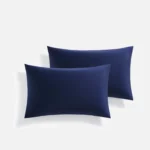 SuperCool+ Pillowcases
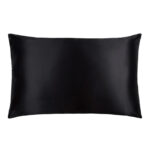 Cooling Silk Pillowcase
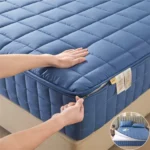 Mattress Protectors
 Quilted Mattress Protector
 Waterproof Mattress Protector
 Floor Mats

What Size Is a Pillowcase?

Standard Pillowcase Dimensions Explained
A standard pillowcase measures 20 inches by 26 inches. This size fits the most common pillow found in American households. The pillowcase provides 1-2 inches of extra fabric beyond the pillow dimensions to ensure proper fit and prevent the pillow from bulging at the seams.
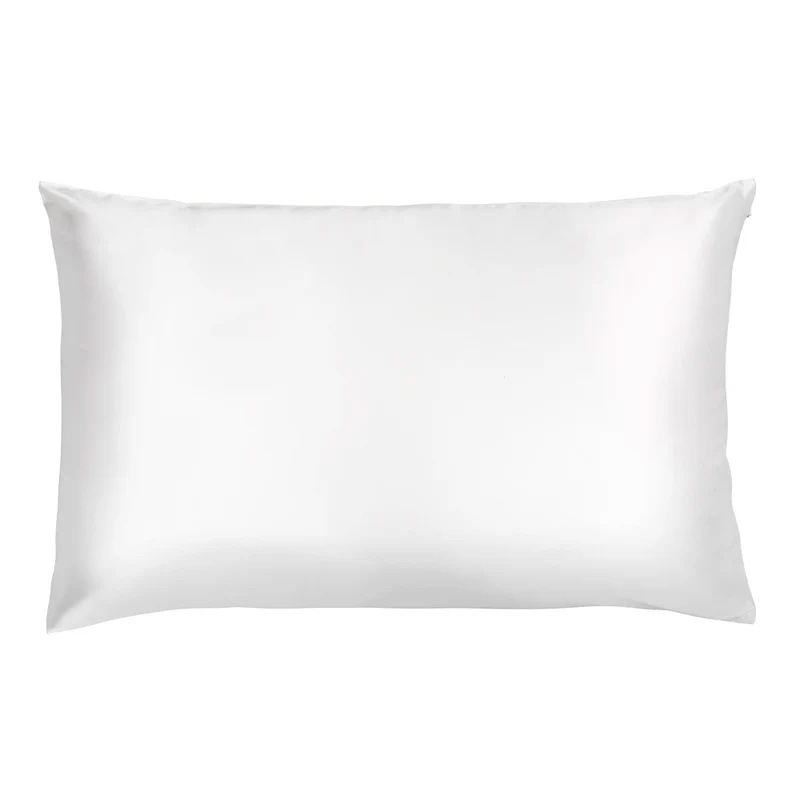
Your pillow shouldn’t steal your glow while you sleep. The lululinens LUXY LU 100% Mulberry Silk Pillowcase reduces friction, minimizes sleep creases, and keeps hair frizz-free. Pure mulberry silk offers temperature-regulating softness that’s hypoallergenic and gentle. Wake up looking as rested as you feel.
Queen pillowcases measure 20 inches by 30 inches. These accommodate longer pillows designed for queen and full-size beds. The additional 4 inches in length provides better coverage for sleepers who prefer more substantial head support.
King pillowcases come in two variants. Standard king measures 20 inches by 36 inches, while California king maintains the same 20 inches by 36 inches dimensions. Both sizes fit the elongated pillows that pair with king-size mattresses.
Euro pillowcases differ from American standards. These square cases measure 26 inches by 26 inches. European sleepers and decorators use these for both sleeping and decorative purposes.
Historical Development of Pillowcase Sizing
Ancient civilizations used basic cloth wraps to cover their head supports. Mesopotamians wrapped woven fabrics around stone and wood headrests around 7000 BCE. These early coverings had no standardized measurements.
The Chinese developed porcelain pillows during the Sui Dynasty (581-618 CE). Silk coverings protected these hard surfaces. Craftsmen cut fabric to fit individual pillow dimensions. No universal sizing existed.
European pillow manufacturing began standardization in the 1800s. The Industrial Revolution brought mechanized textile production. Factories needed consistent measurements to maximize efficiency. British manufacturers established the first widespread pillow dimensions around 1850.
American bedding companies adopted modified European standards in the early 1900s. The 20-inch width became industry standard by 1920. Length variations emerged to accommodate different bed sizes. The standard 20×26 measurement gained dominance by 1950.
The queen size emerged in the 1960s alongside queen mattresses. Manufacturers extended pillow length to 30 inches to match wider sleeping surfaces. King sizes followed in the 1970s as luxury bedding expanded.
Complete Pillowcase Size Chart
| Pillowcase Type | Width | Length | Best For |
|---|---|---|---|
| Standard | 20″ | 26″ | Twin, full beds |
| Queen | 20″ | 30″ | Queen, full beds |
| King | 20″ | 36″ | King beds |
| Euro | 26″ | 26″ | Decorative use |
| Body Pillow | 20″ | 54″ | Side sleepers |
| Travel | 12″ | 16″ | Portability |
Measuring Your Pillow for Proper Fit
Remove your pillow from its current case. Lay the pillow on a flat surface. Use a fabric measuring tape for accuracy.
Width measurement: Place the tape at one edge. Stretch across to the opposite edge. Record this number. Most pillows measure between 18-20 inches wide.
Length measurement: Position tape at the top short edge. Extend down to the bottom short edge. Standard pillows typically measure 24-26 inches long.
Add 2 inches to both measurements. This extra fabric ensures the case slides on easily. The pillow fills the case without straining the seams.
A 20-inch by 26-inch pillow requires a 22-inch by 28-inch case minimum. Most manufacturers already include this allowance. Standard cases accommodate this sizing.
Pillowcase Construction Types
Housewife style represents the most common construction. The opening sits at one end. A fabric flap folds inside to secure the pillow. No additional closures exist. This simple design costs less to produce.
Oxford style features a decorative border. A flat fabric strip surrounds all four sides. The border typically measures 2-4 inches wide. This style adds visual interest. The overall dimensions increase by the border width on each side.
Envelope closure adds a fabric overlap. The opening includes an extra flap that tucks behind the pillow. This prevents the pillow from sliding out during sleep. No zippers or buttons interrupt the fabric surface.
Zipper closure provides the most secure fit. A hidden or exposed zipper runs along one edge. This construction keeps pillows contained during washing. Hotels and commercial settings prefer this style.
Burrito style wraps around the pillow completely. The fabric encases all sides with minimal stitching. This construction reduces pressure points for sensitive sleepers.
Fabric Impact on Pillowcase Fit
Cotton percale offers a crisp, cool feel. The tight weave maintains shape after washing. Percale cases may shrink 3-5% initially. Pre-washed versions prevent size changes.
Cotton sateen provides a silky surface. The weave creates a slight sheen. Sateen stretches more than percale. Cases fit snugly on pillows without excess fabric.
Linen breathes exceptionally well. The natural fibers soften with each wash. Linen cases may grow slightly looser over time. The relaxed fit suits casual bedroom aesthetics.
Jersey knit stretches in all directions. This t-shirt material accommodates various pillow thicknesses. Jersey cases forgive measurement discrepancies. They fit pillows ranging 1-2 inches in either direction.
Silk requires precise measurements. The delicate fabric tears easily when overstretched. Silk cases must match pillow dimensions exactly. A tight fit damages the fibers.
Microfiber resists shrinking and stretching. Synthetic polyester maintains consistent dimensions. These cases fit reliably wash after wash.
Thread Count Considerations
Thread count measures fabric density per square inch. Higher counts create tighter weaves. This affects pillowcase dimensions and fit.
200-400 thread count produces breathable fabric. The looser weave allows more stretch. Cases in this range accommodate slight size variations. Budget-friendly options fall here.
400-600 thread count balances softness and durability. The moderate density maintains shape well. Most quality bedding uses this range. Standard sizing holds true.
600-800 thread count creates luxurious softness. The tight weave limits stretch. Cases require precise pillow measurements. Premium prices reflect the density.
800+ thread count delivers extreme smoothness. Very tight weaves resist any give. Pillows must match case dimensions exactly. The fabric shows stress more readily.
Your pillow shouldn’t steal your glow while you sleep. The lululinens LUXY LU 100% Mulberry Silk Pillowcase reduces friction, minimizes sleep creases, and keeps hair frizz-free. Pure mulberry silk offers temperature-regulating softness that’s hypoallergenic and gentle. Wake up looking as rested as you feel.
Body Pillow Sizing Specifics
Body pillows serve side sleepers and pregnant individuals. These elongated pillows provide full-body support.
Standard body pillow measures 20 inches by 54 inches. Cases for these pillows match dimensions exactly. The long cylindrical shape prevents standard cases from working.
Pregnancy pillow varies by design. C-shaped versions measure approximately 60 inches around the curve. U-shaped pillows extend 140 inches total. Manufacturers include fitted cases with purchase.
Anime body pillow (dakimakura) follows Japanese sizing. The standard measures 160cm by 50cm (63 inches by 19.7 inches). Specialized cases account for these exact measurements.
Children’s Pillowcase Dimensions
Toddler pillowcases measure 13 inches by 18 inches. Young children use smaller pillows for safety. The reduced size prevents suffocation risks for ages 2-4.
Youth pillowcases measure 16 inches by 22 inches. School-age children transition to this intermediate size. The dimensions bridge toddler and standard sizes.
Children graduate to standard 20×26 cases around age 10-12. Physical development determines the appropriate timing. Neck support needs dictate pillow size selection.
Decorative Throw Pillow Sizing
Decorative pillows lack standardized sizing. Square formats dominate the market. Common dimensions include:
- 12×12 inches
- 16×16 inches
- 18×18 inches
- 20×20 inches
- 24×24 inches
Euro shams (26×26) serve dual decorative and sleeping purposes. Lumbar pillows measure 12×20 or 14×22 inches. Bolster pillows range from 6-10 inches in diameter.
Cases for decorative pillows often include inserts. The insert measures 2 inches larger than the cover. This creates a plump, full appearance. A 18×18 cover uses a 20×20 insert.
Hotel Pillowcase Standards
Hotels primarily stock two sizes. Standard 20×26 cases work for most properties. Luxury hotels provide king 20×36 options.
Commercial-grade pillowcases use reinforced stitching. Industrial washing requires durable construction. Hotels replace pillowcases every 300-500 washes.
White fabric dominates hotel selections. Bleach cleaning maintains hygiene standards. Colored cases show stains more readily.
Most hotels use T-250 percale fabric. The 250 thread count balances cost and comfort. Higher counts increase laundry expenses without proportional guest satisfaction gains.
Washing Impact on Pillowcase Size
Cotton pillowcases shrink during first washing. Expect 3-7% reduction in dimensions. Hot water and high dryer heat maximize shrinkage.
Pre-shrunk cases undergo processing to minimize this effect. Manufacturers wash fabric before cutting patterns. Residual shrinkage still occurs but remains under 2%.
Proper washing technique: Use warm water instead of hot. Tumble dry on medium heat. Remove cases promptly when dry. This preserves original dimensions.
Synthetic fabrics resist shrinking. Polyester and microfiber maintain size consistency. Blends with 50%+ synthetic content show minimal changes.
Purchasing Pillowcases Separately
Bedding sets include two standard pillowcases with queen sheet sets. King sets include two king pillowcases. You may need additional cases.
Individual pillowcase pairs cost $15-60 depending on quality. Luxury options exceed $100 per pair. Budget alternatives start around $10.
Match thread count to your sheets for consistency. Mixing different fabric types creates uneven wear patterns. Cases degrade at different rates.
Order one extra set beyond immediate needs. This allows rotation during washing. Three total sets (six cases) serves most households adequately.
Selecting the Right Size for Your Needs
Measure your current pillows before purchasing. Use the measurement guide provided earlier. Compare your numbers to the standard size chart.
Standard cases work for 95% of typical bed pillows. This size offers the widest selection. Replacement becomes easy due to availability.
Queen cases suit those who prefer longer pillows. The extra length accommodates shifting during sleep. Side sleepers benefit from this additional coverage.
King cases pair exclusively with king pillows. Using standard pillows in king cases creates excess fabric. The pillow slides around inside the oversized case.
Consider your bed size when selecting. Twin and full beds look proportional with standard cases. Queen beds accept either standard or queen cases. King beds demand king pillowcases for visual balance.
Check your pillow tags for manufacturer recommendations. Most quality pillows specify the intended case size. Following these guidelines ensures optimal fit and appearance.
Your pillow shouldn’t steal your glow while you sleep. The lululinens LUXY LU 100% Mulberry Silk Pillowcase reduces friction, minimizes sleep creases, and keeps hair frizz-free. Pure mulberry silk offers temperature-regulating softness that’s hypoallergenic and gentle. Wake up looking as rested as you feel.