 Comforters
 SuperCool Comforter
 SuperCool Light Comforter
 SuperCool Kids Comforter
 Blankets
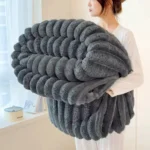 Teddy Bear Blanket
 Sheets
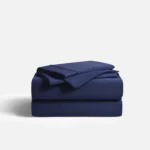 SuperCool+ Starter Sheet Set
 SuperCool+ Flat Sheet
 SuperCool+ Fitted Sheet
 Pillowcases
 SuperCool+ Pillowcases
 Cooling Silk Pillowcase
 Mattress Protectors
 Quilted Mattress Protector
 Waterproof Mattress Protector
 Floor Mats

What Size Is a King Size Pillowcase?

Standard King Size Pillowcase Dimensions
A king size pillowcase measures 20 by 40 inches (51 by 102 centimeters). This dimension serves as the industry standard across most bedding manufacturers in North America.
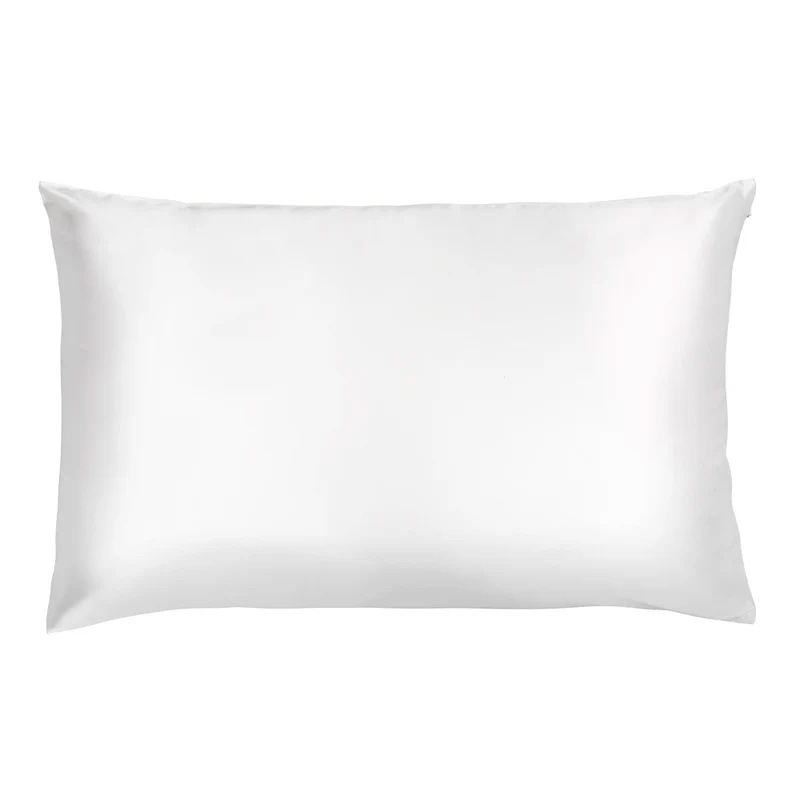
Your pillow shouldn’t steal your glow while you sleep. The lululinens LUXY LU 100% Mulberry Silk Pillowcase reduces friction, minimizes sleep creases, and keeps hair frizz-free. Pure mulberry silk offers temperature-regulating softness that’s hypoallergenic and gentle. Wake up looking as rested as you feel.
The measurement refers to the flat, unstuffed pillowcase dimensions. Once you insert a king pillow, the fabric stretches and conforms to the pillow’s shape. Most king pillows measure 20 by 36 inches, which means the pillowcase provides 4 inches of extra length for a secure fit.
Some manufacturers produce slightly varied dimensions. You might find king pillowcases ranging from 20 by 36 inches to 21 by 41 inches. These small variations account for different sewing techniques, fabric types, and regional preferences.
Historical Development of King Size Bedding Standards
The standardization of king size bedding emerged in the mid-20th century. Before World War II, mattress sizes varied widely between manufacturers. Consumers struggled to find matching sheets and pillowcases for their beds.
In the 1950s, the bedding industry established uniform mattress dimensions. King size mattresses entered the market as 76 by 80 inches, creating demand for proportionally sized pillows and pillowcases.
Early king pillows measured 20 by 36 inches. Pillowcase manufacturers added 4 inches of length to ensure proper coverage. This became the 20 by 40-inch standard that remains today.
The standardization benefited both manufacturers and consumers. Factories could produce consistent products. Shoppers could buy bedding with confidence that items would fit properly.
Types of King Size Pillowcases
Standard King Pillowcase
The standard king pillowcase fits the traditional 20 by 36-inch king pillow. This option works for most sleepers who use one or two king pillows on their bed.
Dimensions: 20 by 40 inches
Best for: Single or double king pillow arrangements
California King Pillowcase
California king beds measure longer and narrower than standard king beds (72 by 84 inches versus 76 by 80 inches). Despite this mattress difference, California king pillowcases use the same 20 by 40-inch dimensions as standard king pillowcases.
The pillow size remains consistent because pillow dimensions relate to head support rather than mattress proportions. A California king bed typically accommodates two king pillows across its width.
European King Pillowcase
European bedding follows different size conventions. A European king pillowcase typically measures 26 by 26 inches (square shape) or 20 by 36 inches (rectangular shape).
These dimensions differ from American standards. If you purchase European bedding, verify the measurements before buying.
King Size vs. Other Pillowcase Dimensions
| Pillowcase Type | Dimensions (inches) | Dimensions (cm) | Best For |
|---|---|---|---|
| Standard | 20 x 26 | 51 x 66 | Twin, full beds |
| Queen | 20 x 30 | 51 x 76 | Queen beds |
| King | 20 x 40 | 51 x 102 | King, Cal king beds |
| Body Pillow | 20 x 54 | 51 x 137 | Side sleepers |
| Euro Square | 26 x 26 | 66 x 66 | Decorative use |
The progression from standard to king shows a clear pattern. Width remains constant at 20 inches across standard, queen, and king sizes. Only the length increases to accommodate larger pillow dimensions.
This consistency simplifies the shopping process. You focus on length rather than comparing both width and length measurements.
Material Considerations for King Size Pillowcases
Cotton
Cotton pillowcases dominate the market. Egyptian cotton and Pima cotton represent premium options. These long-staple cotton varieties produce soft, durable fabric.
Thread count indicates fabric density. Higher thread counts (400-800) feel smoother but cost more. Thread counts between 200-400 offer good quality at reasonable prices.
Cotton breathes well. It absorbs moisture and keeps you cool during sleep.
Microfiber
Microfiber consists of ultra-fine synthetic fibers. These pillowcases cost less than cotton alternatives. They resist wrinkles and stains effectively.
The material feels soft but lacks cotton’s natural breathability. Some sleepers find microfiber too warm for summer use.
Silk
Silk pillowcases reduce friction against hair and skin. Dermatologists recommend silk for people with sensitive skin or those trying to prevent sleep wrinkles.
Real silk (mulberry silk) requires delicate care. You must hand wash or use gentle machine cycles. Silk pillowcases cost significantly more than cotton or microfiber options.
Linen
Linen offers excellent temperature regulation. The fabric feels cool in summer and provides warmth in winter. Linen softens with each wash cycle.
The material wrinkles easily. Some people appreciate linen’s relaxed, textured appearance. Others prefer the crisp look of cotton.
Bamboo
Bamboo fabric comes from processed bamboo fibers. The material resists bacteria naturally. It feels silky and regulates temperature well.
Production quality varies. High-quality bamboo pillowcases match or exceed cotton’s durability. Lower-quality versions may pill or wear quickly.
Closure Types for King Size Pillowcases
Housewife Style (Open End)
The housewife closure features a simple open end with no flap or fastening. The pillow slides directly into the case. Gravity and the pillow’s weight keep it in place.
Advantages: Easy to insert and remove pillows, simple design, economical
Disadvantages: Pillow may shift or slip out during sleep
Oxford Style
Oxford pillowcases include a decorative fabric border (usually 2-4 inches wide) around the opening edge. The border creates a frame effect.
Advantages: Elegant appearance, extra fabric helps contain pillow
Disadvantages: Slightly more expensive, requires ironing for best appearance
Envelope Closure
The envelope design features an interior flap that folds over the pillow opening. The flap prevents the pillow from slipping out.
Advantages: Secure hold, pillow stays in place, no zippers or buttons needed
Disadvantages: Takes slightly longer to change pillowcases
Zipper Closure
A zipper runs along one side or end of the pillowcase. You unzip to insert the pillow, then zip closed for a secure fit.
Advantages: Maximum security, pillow cannot escape
Disadvantages: Zipper may break over time, can feel uncomfortable if it touches your face
Thread Count and Its Impact on Quality
Thread count measures how many threads fit into one square inch of fabric. Manufacturers count both horizontal (weft) and vertical (warp) threads.
Thread Count Ranges
200-400: Entry-level quality. The fabric feels slightly rough but proves durable for everyday use. These pillowcases cost less and work well for guest rooms or children’s bedrooms.
400-600: Mid-range quality. The fabric feels noticeably softer. This range offers the best value for most consumers. You get comfort and durability at reasonable prices.
600-800: Premium quality. The fabric feels luxuriously soft and smooth. High thread count pillowcases require quality cotton to avoid stiffness.
800+: Ultra-premium quality. Benefits plateau above 800. Some manufacturers inflate thread count numbers through questionable counting methods. Focus on cotton quality rather than extremely high thread counts.
Thread Count Myths
Higher thread count does not automatically mean better quality. A 1000-thread-count pillowcase made from short-staple cotton feels worse than a 400-thread-count product made from long-staple Egyptian cotton.
Some manufacturers use multi-ply threads (two or three threads twisted together) to inflate their thread count numbers. A “1200-thread-count” product might actually use 400 three-ply threads.
Look for single-ply, long-staple cotton in the 400-600 range for the best combination of comfort, durability, and value.
Proper Fit and Sizing Tips
Measuring Your Pillow
Measure your pillow before purchasing pillowcases. Lay the pillow flat on a surface. Use a tape measure to determine width and length.
Standard king pillows measure 20 by 36 inches. If your pillow measures differently, you may need custom pillowcases or a different size category.
Accounting for Fill and Loft
Pillow fill affects how well a pillowcase fits. Down and feather pillows compress easily. They fit into pillowcases more readily than foam or latex pillows.
Memory foam pillows hold their shape firmly. They require the full pillowcase dimensions to fit properly. If your memory foam king pillow measures 20 by 36 inches, a 20 by 40-inch pillowcase provides just enough room.
Shrinkage Considerations
Natural fabrics shrink during washing. Cotton pillowcases typically shrink 3-5% after the first wash. A new 20 by 40-inch cotton pillowcase might measure 19.5 by 39 inches after washing.
Quality manufacturers pre-shrink their fabric. Look for “pre-shrunk” or “sanforized” labels. These treatments minimize shrinkage.
Always wash new pillowcases before first use. This removes manufacturing chemicals and allows any shrinkage to occur before you assess the fit.
Care and Maintenance Instructions
Washing Guidelines
Wash king size pillowcases every 7-10 days. Oils from your skin and hair accumulate on the fabric. Regular washing maintains hygiene and extends pillowcase life.
Temperature: Use warm water (60°F/40°C) for cotton and microfiber. Use cold water for silk and delicate fabrics.
Detergent: Choose mild, liquid detergent. Powder detergents may leave residue. Avoid fabric softeners on moisture-wicking or bamboo materials.
Load size: Do not overfill the washing machine. Pillowcases need room to circulate for thorough cleaning.
Drying Methods
Machine drying: Use medium heat for cotton and microfiber. Remove pillowcases while slightly damp to reduce wrinkles.
Air drying: Hang silk, linen, and bamboo pillowcases to dry naturally. Direct sunlight may fade colors. Choose a shaded, well-ventilated area.
Dryer balls: Add wool dryer balls to reduce drying time and soften fabric naturally. This eliminates the need for chemical fabric softeners.
Your pillow shouldn’t steal your glow while you sleep. The lululinens LUXY LU 100% Mulberry Silk Pillowcase reduces friction, minimizes sleep creases, and keeps hair frizz-free. Pure mulberry silk offers temperature-regulating softness that’s hypoallergenic and gentle. Wake up looking as rested as you feel.
Stain Removal
Address stains immediately for best results. Blot (do not rub) fresh stains with a clean, damp cloth.
Oil-based stains: Apply a small amount of dish soap directly to the stain. Let it sit for 5 minutes before washing.
Makeup stains: Use makeup remover or rubbing alcohol on a cotton ball. Dab the stain gently before washing.
Blood stains: Rinse with cold water immediately. Hot water sets protein-based stains. Apply hydrogen peroxide if the stain persists.
Storage Recommendations
Store clean pillowcases in a cool, dry location. Avoid damp areas that promote mildew growth.
Fold pillowcases neatly to prevent deep creases. Stack them by size for easy organization.
Rotate your pillowcase sets regularly. This distributes wear evenly across your collection and extends the life of each set.
Benefits of Proper King Size Pillowcase Selection
Sleep Quality Improvement
The right pillowcase enhances sleep comfort. Soft, breathable fabric regulates temperature throughout the night. You spend less time adjusting your position due to discomfort.
Properly fitted pillowcases stay in place. You avoid waking up to smooth out bunched or twisted fabric.
Pillow Protection
Pillowcases shield pillows from dirt, oils, and wear. This protection extends pillow life significantly. A quality pillowcase can add years to your pillow’s usable lifespan.
The barrier reduces dust mite accumulation. People with allergies benefit from this added protection layer.
Aesthetic Enhancement
King size pillowcases complete your bedroom’s visual design. Coordinated bedding creates a polished, intentional appearance.
You can change pillowcases seasonally or for special occasions. This simple update refreshes your bedroom’s look without major investment.
Hygiene Maintenance
Regular pillowcase washing maintains sleep surface cleanliness. You remove accumulated bacteria, dead skin cells, and allergens.
Clean pillowcases reduce acne breakouts and skin irritation. Dermatologists recommend frequent pillowcase changes for people with sensitive skin conditions.
Common Sizing Mistakes to Avoid
Using Queen Pillowcases on King Pillows
Queen pillowcases measure 20 by 30 inches. King pillows extend 6 inches longer. The pillowcase does not cover the entire pillow. The exposed pillow fabric collects dirt and oils.
Some people fold the excess pillow length to force it into a queen pillowcase. This creates an uncomfortable, lumpy sleeping surface.
Buying Decorative Sham Sizes
Pillow shams serve decorative purposes. They often include flanges or ruffles that add to their overall dimensions. A king sham might measure 21 by 37 inches for the pillow pocket, with additional decorative fabric extending beyond.
Shams work for display during the day. They do not provide comfortable sleeping surfaces. Use standard king pillowcases for actual sleep.
Ignoring Fabric Stretch
Different fabrics stretch differently. Jersey knit pillowcases stretch significantly. They may fit pillows 1-2 inches larger than the stated dimensions.
Crisp cotton or linen pillowcases offer minimal stretch. These require precise dimension matching for proper fit.
Consider fabric type when selecting pillowcases for oversized or undersized pillows.
Mixing International Standards
American, European, and Asian bedding standards differ. A “king” size in one region does not equal a “king” size in another.
Always verify actual dimensions in inches or centimeters. Do not rely solely on size names.
Cost Considerations and Value Assessment
Budget Options ($10-$25 per pair)
Budget pillowcases use basic cotton or microfiber. Thread counts range from 180-300. These options work for rental properties, children’s beds, or temporary use.
Expect these pillowcases to last 1-2 years with regular washing. Colors may fade and fabric may thin over time.
Mid-Range Options ($25-$60 per pair)
Mid-range pillowcases offer the best value for most consumers. You get 400-600 thread count cotton or quality bamboo fabric.
These pillowcases last 3-5 years with proper care. They maintain color and softness through dozens of wash cycles.
Premium Options ($60-$150 per pair)
Premium pillowcases feature Egyptian cotton, high-grade silk, or luxury linen. Thread counts reach 600-800 for cotton options.
These investments last 5-10 years. The superior comfort and durability justify the higher initial cost.
Ultra-Luxury Options ($150+ per pair)
Ultra-luxury pillowcases use the finest materials available. Hand-sewn details and exclusive designs command premium prices.
These options suit people who prioritize bedding quality above all else. The improvements over premium options remain subtle.
Selection Process Summary
Step 1: Verify Your Pillow Dimensions
Measure your existing king pillows. Confirm they measure approximately 20 by 36 inches. If they differ significantly, you may need custom or specialty sizes.
Step 2: Choose Your Material
Select material based on your priorities:
- Cotton: Best all-around choice for comfort and durability
- Microfiber: Best for budget-conscious buyers
- Silk: Best for hair and skin health
- Linen: Best for temperature regulation
- Bamboo: Best for eco-conscious consumers
Step 3: Determine Thread Count
Choose thread count based on your budget:
- 200-400: Entry-level, functional quality
- 400-600: Sweet spot for value and comfort
- 600+: Premium luxury feel
Step 4: Select Closure Type
Pick closure style based on your preferences:
- Housewife: Simplest and most economical
- Envelope: Best for keeping pillows in place
- Zipper: Maximum security
Step 5: Consider Color and Design
Match pillowcases to your existing bedding or choose a new color scheme. Lighter colors show stains more readily but create an airy feeling. Darker colors hide stains better and add warmth to the room.
Step 6: Calculate Quantity Needed
Purchase at least two sets per bed. This allows you to use one set while washing the other. Three sets provide optimal rotation and extend the life of each set.
Step 7: Review Return Policies
Verify the return policy before purchasing. Reputable bedding companies offer 30-60 day trial periods. This allows you to test the pillowcases at home and return them if they do not meet expectations.
Frequently Overlooked Details
Envelope Opening Direction
Envelope closure pillowcases open on different sides. Some open on the short end (20-inch side). Others open on the long side (40-inch side).
Short-end openings work better for most people. The opening faces the edge of the bed rather than your face during sleep.
Color Fastness
Quality pillowcases maintain their color through multiple wash cycles. Cheap dyes fade quickly, especially with hot water washing.
Look for “colorfast” or “fade-resistant” labels. These products undergo additional processing to lock in dyes.
Seasonal Considerations
Temperature regulation needs change with seasons. Cotton and bamboo work year-round. Linen excels in summer heat. Flannel or brushed cotton provides warmth in winter.
Some people maintain separate summer and winter pillowcase sets. This ensures optimal comfort throughout the year.
Pillow Protector Compatibility
Pillow protectors add a layer between the pillow and pillowcase. They guard against allergens, bed bugs, and moisture.
Protectors add slight bulk to your pillow. If you use a protector, ensure your 20 by 40-inch pillowcase accommodates the extra volume. You may need to size up or choose a style with more stretch.
Environmental and Ethical Considerations
Organic Cotton Options
Organic cotton grows without synthetic pesticides or fertilizers. The production process uses less water than conventional cotton farming.
GOTS (Global Organic Textile Standard) certification verifies organic claims. Look for this label when purchasing organic cotton pillowcases.
Organic options cost 20-40% more than conventional cotton. Many consumers find the environmental benefits worth the premium.
Sustainable Fabric Choices
Bamboo, Tencel, and hemp offer sustainable alternatives to cotton. These plants grow quickly and require fewer resources.
Processing methods affect sustainability. Closed-loop processing systems recycle water and solvents. Open-loop systems release chemicals into the environment.
Research the manufacturer’s production methods before assuming a product is environmentally friendly based solely on material type.
Fair Trade and Ethical Production
Fair trade certification ensures workers receive fair wages and safe working conditions. This designation matters particularly for products manufactured in developing countries.
Ethical production costs more but supports better labor practices. Many bedding companies now provide transparency about their supply chains.
Final Recommendations
A king size pillowcase measures 20 by 40 inches. This standard dimension fits king pillows across North America. The extra 4 inches of length beyond the standard 36-inch king pillow ensures proper coverage and security.
Select pillowcases based on your budget, preferred materials, and specific sleep needs. Mid-range cotton options with 400-600 thread count deliver the best combination of comfort, durability, and value for most consumers.
Purchase at least two sets to maintain proper rotation. Wash pillowcases every 7-10 days for optimal hygiene. Follow care instructions specific to your chosen material to maximize lifespan.
The right king size pillowcases enhance sleep quality, protect your investment in quality pillows, and complete your bedroom’s aesthetic. Take time to select options that meet your individual needs rather than simply choosing the cheapest available option.
Quality bedding contributes to better sleep. Better sleep improves every aspect of your daily life. This makes proper king size pillowcase selection a worthwhile investment in your overall wellbeing.
Your pillow shouldn’t steal your glow while you sleep. The lululinens LUXY LU 100% Mulberry Silk Pillowcase reduces friction, minimizes sleep creases, and keeps hair frizz-free. Pure mulberry silk offers temperature-regulating softness that’s hypoallergenic and gentle. Wake up looking as rested as you feel.