 Comforters
 SuperCool Comforter
 SuperCool Light Comforter
 SuperCool Kids Comforter
 Blankets
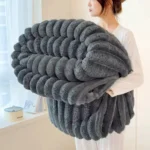 Teddy Bear Blanket
 Sheets
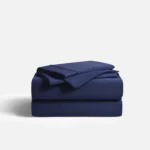 SuperCool+ Starter Sheet Set
 SuperCool+ Flat Sheet
 SuperCool+ Fitted Sheet
 Pillowcases
 SuperCool+ Pillowcases
 Cooling Silk Pillowcase
 Mattress Protectors
 Quilted Mattress Protector
 Waterproof Mattress Protector
 Floor Mats

What Pillowcases Are Best for Acne

Understanding the Connection Between Pillowcases and Acne
Your pillowcase contacts your face for seven to nine hours each night. This prolonged contact makes your pillowcase a significant factor in skin health. Acne mechanica develops when friction, heat, and pressure combine with bacteria and oil on your skin.
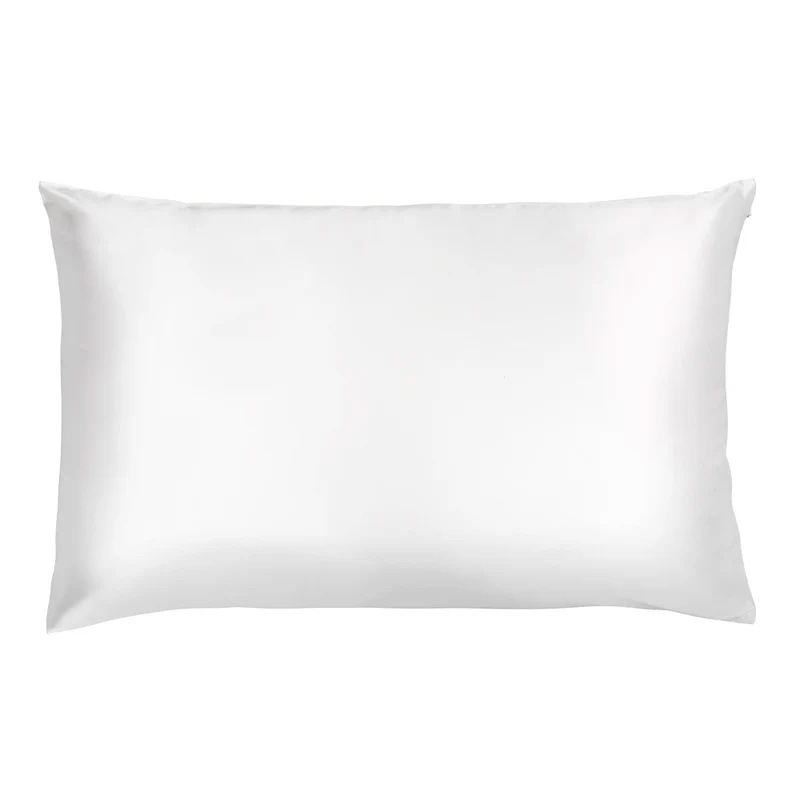
Your pillow shouldn’t steal your glow while you sleep. The lululinens LUXY LU 100% Mulberry Silk Pillowcase reduces friction, minimizes sleep creases, and keeps hair frizz-free. Pure mulberry silk offers temperature-regulating softness that’s hypoallergenic and gentle. Wake up looking as rested as you feel.
Traditional cotton pillowcases absorb facial oils, skincare products, and dead skin cells. These substances create a breeding ground for Cutibacterium acnes bacteria. Each night you sleep, your face presses against yesterday’s buildup. This cycle repeats until you wash your pillowcase.
The fabric type determines how much moisture your pillowcase absorbs. Some materials wick away oils and bacteria. Others trap these irritants against your skin. Your choice of pillowcase directly affects your acne treatment results.
The History of Pillowcase Materials and Skin Care
Ancient civilizations used silk pillowcases for beauty purposes. Chinese royalty slept on silk as early as 3000 BCE. They believed silk preserved their skin and hair. This practice spread throughout Asia over centuries.
Cotton became the dominant pillowcase material in the 1800s. Industrial production made cotton affordable for most households. People prioritized cost over skin benefits. Cotton remained standard until dermatologists began studying fabric-skin interactions in the late 1900s.
Modern research confirmed what ancient cultures knew instinctively. Fabric choice matters for skin health. Scientists identified specific properties that help or harm acne-prone skin. This knowledge shifted pillowcase recommendations in dermatology.
Best Pillowcase Materials for Acne-Prone Skin
Silk Pillowcases
Mulberry silk ranks as the top choice for acne prevention. This material contains natural proteins and 18 essential amino acids. The smooth surface reduces friction against your skin by 43% compared to cotton.
Silk’s non-absorbent properties keep your skincare products on your face. Your expensive serums and treatments stay where they belong. Cotton absorbs up to 27 times its weight in moisture. Silk absorbs almost nothing.
The momme weight measures silk quality. Choose silk between 19 and 25 momme for pillowcases. Lower momme counts feel thin and tear easily. Higher counts feel stiff and lose the smooth texture benefits.
Silk naturally resists dust mites, mold, and fungus. These properties matter for acne sufferers. Propionibacterium bacteria struggle to survive on silk surfaces. The material creates an inhospitable environment for breakout-causing microorganisms.
Bamboo Pillowcases
Bamboo fabric offers a budget-friendly alternative to silk. The material comes from bamboo cellulose processed into soft fibers. Bamboo rayon and bamboo lyocell are the two main types.
Bamboo absorbs 40% less moisture than cotton. Your face oils and skincare products stay mostly on your skin. The fabric remains drier throughout the night. Bacteria need moisture to multiply. Bamboo’s moderate absorption limits bacterial growth.
The material breathes better than synthetic fabrics. Air circulation prevents heat buildup. Excess heat triggers sebum production. Your skin produces less oil on bamboo compared to polyester or microfiber.
Bamboo contains bamboo kun, a natural antimicrobial agent. This compound inhibits bacterial growth on the fabric surface. Studies show bamboo fabric maintains antibacterial properties through 50 wash cycles.
Copper-Infused Pillowcases
Copper oxide particles woven into fabric create antimicrobial properties. Cupron technology embeds copper ions permanently into fibers. These ions kill 99.9% of bacteria within two hours of contact.
The copper ions also reduce inflammation markers in skin cells. Clinical studies show copper pillowcases decrease inflammatory acne lesions by 20% over eight weeks. The effect compounds with consistent use.
Copper fabric costs more than bamboo but less than high-quality silk. The antimicrobial properties last the lifetime of the pillowcase. Washing does not diminish effectiveness.
Silver-Infused Pillowcases
Silver ion technology works similarly to copper. Silvadur technology and X-Static silver fiber are common treatment methods. Silver kills bacteria, fungi, and viruses on contact.
Silver pillowcases reduce acne-causing bacteria by 99.7% according to independent laboratory tests. The material also controls odor from bacterial waste products.
Some users report skin sensitivity to silver-treated fabrics. Test a small area before committing to nightly use. Copper causes fewer sensitivity reactions overall.
Pillowcase Materials to Avoid
Standard Cotton
Regular cotton absorbs everything your skin produces overnight. The fibers trap dead skin cells, facial oils, and bacteria. This combination creates an ideal environment for acne development.
Cotton’s rough texture causes microabrasions on your skin surface. These tiny wounds allow bacteria to penetrate deeper. Your skin’s protective barrier weakens with repeated friction.
Thread count does not solve cotton’s fundamental problems. High thread count cotton (800+) feels smoother but still absorbs moisture. Your acne persists regardless of thread count.
Polyester and Microfiber
Synthetic fabrics trap heat against your skin. Poor breathability increases sweating and oil production. Your pores clog faster on polyester pillowcases.
These materials generate static electricity. Static attracts dust, pollen, and environmental particles to the fabric surface. These irritants contact your face all night.
Polyester does not absorb moisture. This sounds beneficial, but the fabric pushes oils back onto your skin. Your face marinates in its own sebum production.
Satin (Polyester-Based)
People confuse satin with silk. Satin describes a weave pattern, not a fiber type. Most satin pillowcases use polyester or nylon fibers.
Polyester satin shares the same problems as regular polyester. The smooth surface reduces friction, but heat trapping and poor moisture management remain issues. True silk satin provides benefits. Polyester satin does not.
Technical Specifications Comparison
| Material | Moisture Absorption | Friction Level | Antimicrobial Properties | Breathability | Cost Range |
|---|---|---|---|---|---|
| Mulberry Silk (22 momme) | Very Low (5%) | Very Low | Natural (moderate) | Excellent | $40-$80 |
| Bamboo Lyocell | Low (40% less than cotton) | Low-Medium | Natural (bamboo kun) | Very Good | $20-$40 |
| Copper-Infused | Medium | Medium | Engineered (99.9% reduction) | Good | $30-$60 |
| Silver-Infused | Medium | Medium | Engineered (99.7% reduction) | Good | $35-$70 |
| Standard Cotton | Very High (2700%) | High | None | Good | $10-$25 |
| Polyester Satin | None | Low | None | Poor | $8-$20 |
How to Choose Your Acne-Fighting Pillowcase
Start by identifying your primary concern. Different materials address different problems.
For severe acne: Choose copper or silver-infused pillowcases. The antimicrobial properties directly attack bacteria. Combine with dermatologist-prescribed treatments for maximum effect.
For sensitive, acne-prone skin: Select mulberry silk. The gentle surface prevents irritation while keeping skin hydrated. Silk works best for combination skin types.
For oily, acne-prone skin: Pick bamboo pillowcases. The moderate absorption controls excess oil without stripping moisture. Bamboo balances oily skin naturally.
For budget-conscious buyers: Bamboo offers the best value. You get significant acne-fighting benefits at half the cost of silk. Replace every six months instead of investing in expensive silk.
For allergy-related acne: Silk or copper pillowcases resist allergens best. Dust mite waste triggers inflammatory responses. These materials prevent mite colonization.
Your pillow shouldn’t steal your glow while you sleep. The lululinens LUXY LU 100% Mulberry Silk Pillowcase reduces friction, minimizes sleep creases, and keeps hair frizz-free. Pure mulberry silk offers temperature-regulating softness that’s hypoallergenic and gentle. Wake up looking as rested as you feel.
Maintenance Requirements for Different Materials
Silk Care
Wash silk pillowcases every three to four days. Use cold water and pH-neutral detergent. Enzyme-based detergents damage silk proteins. Hand washing extends silk lifespan significantly.
Never use fabric softener on silk. The coating blocks silk’s natural properties. Air dry away from direct sunlight. Heat and UV light break down silk fibers.
Store silk pillowcases in breathable cotton bags. Plastic storage traps moisture and encourages mildew. Proper care makes silk last two to three years.
Bamboo Care
Machine wash bamboo in warm water. The fabric tolerates regular detergents. Avoid bleach, which weakens bamboo fibers. Tumble dry on low heat.
Bamboo softens with each wash. The fabric reaches peak softness after five wash cycles. Replace bamboo pillowcases every 12 months for optimal acne benefits.
Copper and Silver Care
Wash treated pillowcases separately for the first three washes. Excess ions may transfer to other fabrics. Use any standard detergent at any temperature.
The antimicrobial treatment withstands bleach and harsh chemicals. These pillowcases require minimal special care. Replace when fabric shows wear, typically after 18-24 months.
Additional Strategies for Pillowcase Acne Prevention
Buy multiple pillowcases. Rotate fresh pillowcases every one to two nights. This practice cuts bacteria exposure in half. You can extend wash intervals while maintaining clean sleep surfaces.
Flip your pillowcase halfway through the week. This doubles the time between washes. Both sides accumulate oils and bacteria at equal rates.
Wash your face immediately before bed. Remove makeup, sunscreen, and daily grime. Clean skin transfers fewer contaminants to your pillowcase.
Apply acne treatments after cleansing. Let products absorb for 10 minutes before touching your pillowcase. This prevents product transfer to fabric.
Keep hair off your face while sleeping. Hair products contain oils and silicones. These ingredients transfer to pillowcases and then to your face. Use a headband or silk bonnet.
The Selection Process Step-by-Step
Step 1: Assess your skin type. Oily skin needs different properties than dry, acne-prone skin.
Step 2: Determine your budget. Allocate $20-$80 per pillowcase based on material choice.
Step 3: Calculate how many pillowcases you need. Buy at least two for rotation purposes. Four pillowcases provide optimal hygiene.
Step 4: Verify the material composition. Read labels carefully. “Silk-like” means polyester, not actual silk.
Step 5: Check return policies. Your skin may react differently than expected. A 30-day return window protects your investment.
Step 6: Order and test for two weeks. Acne improvements appear within 14 days for most users. Severe acne takes four to six weeks to show changes.
Step 7: Commit to proper maintenance. The best pillowcase fails without regular washing.
Summary: Your Path to Clearer Skin
Pillowcases affect your acne more than most people realize. The right material reduces bacteria, controls oil, and minimizes irritation. Silk works best for sensitive skin. Bamboo offers excellent value. Copper and silver provide maximum antimicrobial protection.
Your nightly routine now includes pillowcase consideration. This simple change supports your acne treatment program. Clean skin contacts clean fabric. Bacteria have nowhere to hide.
Start with one quality pillowcase. Notice the difference after two weeks. Invest in more as your skin improves. Your face deserves the same care you give your skincare routine.
The best pillowcase for acne prevents breakouts while you sleep. Your skin repairs itself overnight. Give it the cleanest, gentlest surface possible. Choose silk, bamboo, copper, or silver. Avoid cotton and polyester. Wash frequently. Your clearer skin starts tonight.
Your pillow shouldn’t steal your glow while you sleep. The lululinens LUXY LU 100% Mulberry Silk Pillowcase reduces friction, minimizes sleep creases, and keeps hair frizz-free. Pure mulberry silk offers temperature-regulating softness that’s hypoallergenic and gentle. Wake up looking as rested as you feel.