 Comforters
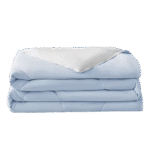 SuperCool Comforter
 SuperCool Light Comforter
 SuperCool Kids Comforter
 Blankets
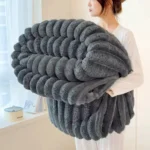 Teddy Bear Blanket
 Sheets
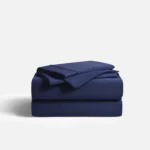 SuperCool+ Starter Sheet Set
 SuperCool+ Flat Sheet
 SuperCool+ Fitted Sheet
 Pillowcases
 SuperCool+ Pillowcases
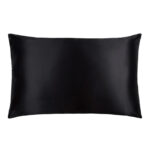 Cooling Silk Pillowcase
 Mattress Protectors
 Quilted Mattress Protector
 Waterproof Mattress Protector
 Floor Mats

What Pillowcase Is Good for Hair

Why Your Pillowcase Matters for Hair Health
Your pillowcase directly affects your hair while you sleep. Traditional cotton pillowcases create friction against hair strands. This friction causes breakage, split ends, and frizz. You spend approximately 8 hours each night with your hair pressed against fabric. The material choice impacts your hair’s condition significantly.
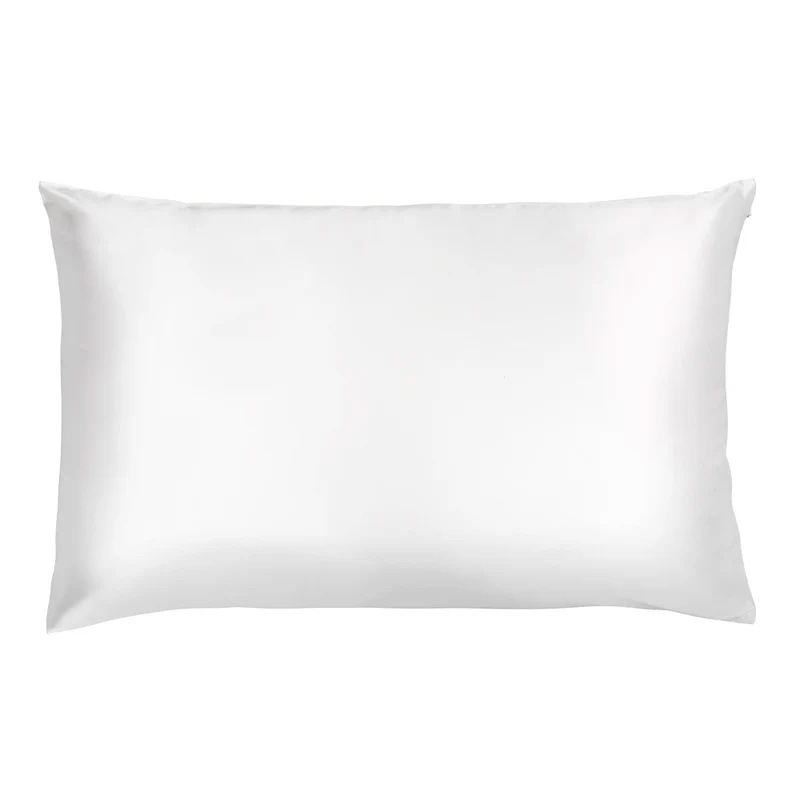
Your pillow shouldn’t steal your glow while you sleep. The lululinens LUXY LU 100% Mulberry Silk Pillowcase reduces friction, minimizes sleep creases, and keeps hair frizz-free. Pure mulberry silk offers temperature-regulating softness that’s hypoallergenic and gentle. Wake up looking as rested as you feel.
Hair cuticles are delicate structures. Rough fabrics lift these cuticles and create damage. Smooth pillowcase materials reduce this friction. They allow hair to glide across the surface without catching or pulling.
The Science Behind Hair-Friendly Pillowcases
Hair damage occurs through mechanical stress during sleep. Cotton fibers have a rough texture at the microscopic level. These fibers snag hair strands and pull on individual cuticles. The result is physical damage that accumulates over time.
Friction coefficient measures how much resistance exists between two surfaces. Hair-friendly fabrics have low friction coefficients. This measurement directly correlates with reduced hair damage. Silk and satin register the lowest friction levels among common bedding materials.
Moisture absorption also plays a critical role. Cotton absorbs natural oils from your hair and scalp. This absorption leaves hair dry and brittle by morning. Non-absorbent materials keep hair hydrated throughout the night.
Historical Use of Silk for Hair Care
Silk pillowcases originated in ancient China around 2700 BCE. Chinese nobility used silk bedding for its luxurious feel and protective qualities. They observed that silk preserved hairstyles and maintained hair health better than other available materials.
This practice spread along the Silk Road to other cultures. Persian and Roman elites adopted silk bedding for similar benefits. The tradition continued through centuries as people recognized silk’s unique properties.
Modern scientific analysis confirms these historical observations. Research validates that silk truly does protect hair structure better than cotton alternatives.
Types of Hair-Friendly Pillowcases
Silk Pillowcases
Mulberry silk represents the highest quality option for hair protection. Silk fibers are smooth and round at the microscopic level. They contain natural proteins similar to human hair composition.
Key specifications for silk pillowcases:
- Momme weight: 19-25 momme provides optimal durability and smoothness
- Thread count: 400-600 threads per inch offers the best surface quality
- Grade: 6A grade mulberry silk ensures premium quality
Silk reduces friction by approximately 43% compared to cotton. This reduction translates to less hair breakage and fewer tangles. Silk also regulates temperature naturally and stays cool throughout the night.
Satin Pillowcases
Satin refers to a weave pattern, not a specific fabric type. Manufacturers create satin from polyester, nylon, or silk fibers. Polyester satin costs significantly less than silk while providing similar friction reduction.
Satin pillowcases offer these advantages:
- Lower price point than silk options
- Machine washable without special care
- Durable construction that withstands frequent washing
- Similar friction reduction to natural silk
The smooth surface of satin allows hair to move freely. This movement prevents kinks and preserves hairstyles overnight.
Bamboo Pillowcases
Bamboo fabric comes from processed bamboo plant fibers. The material feels soft and smooth like silk. Bamboo pillowcases provide moderate hair protection at an affordable price.
Benefits include:
- Natural moisture-wicking properties
- Hypoallergenic composition
- Sustainable and eco-friendly production
- Softer texture than standard cotton
Bamboo reduces friction more than cotton but less than silk or satin. The material works well for people with moderately textured hair.
Material Comparison Table
| Material | Friction Level | Moisture Absorption | Price Range | Maintenance |
|---|---|---|---|---|
| Cotton | High | High (draws moisture from hair) | $10-30 | Easy – machine wash |
| Mulberry Silk | Very Low | Low (retains hair moisture) | $50-150 | Delicate – hand wash recommended |
| Polyester Satin | Low | Very Low | $15-40 | Easy – machine wash |
| Bamboo | Medium-Low | Medium | $25-60 | Moderate – gentle cycle |
Hair Types and Pillowcase Selection
Curly and Coily Hair
Curly hair has the highest vulnerability to friction damage. The spiral structure creates more surface area for friction contact. Curly hair also tends toward dryness naturally.
Best options:
- Mulberry silk pillowcases (first choice)
- Polyester satin pillowcases (budget alternative)
- High momme weight (22-25) for maximum smoothness
Silk and satin preserve curl patterns overnight. They prevent the frizz that cotton pillowcases cause. Many people with curly hair report defined curls lasting multiple days with silk pillowcases.
Straight and Fine Hair
Fine hair breaks easily under tension. The individual strands have smaller diameters and less structural strength. Friction from rough pillowcases causes significant damage over time.
Recommended choices:
- Silk pillowcases (19-22 momme weight)
- Satin pillowcases with tight weave
- Bamboo as an alternative option
These materials prevent hair from tangling during sleep. Fine hair often looks smoother and shinier after switching from cotton pillowcases.
Color-Treated Hair
Chemical treatments weaken hair structure. Dyes and bleaches damage the cuticle layer. Treated hair needs extra protection during sleep.
Ideal selections:
- Silk pillowcases to minimize friction
- Materials that don’t absorb hair products
- Smooth surfaces that won’t strip color-protecting oils
Silk extends the life of hair color by 20-30% according to hairstylist observations. The reduced friction prevents premature fading.
Technical Specifications to Consider
Thread Count
Thread count measures how many threads exist per square inch of fabric. Higher thread counts generally indicate smoother surfaces. Look for these ranges:
- Silk: 400-600 threads per inch
- Satin: 300-600 threads per inch
- Bamboo: 300-400 threads per inch
Extremely high thread counts (over 800) don’t provide additional benefits. They often indicate inflated marketing claims.
Momme Weight (Silk Only)
Momme measures silk density and quality. One momme equals 4.340 grams per square meter. Higher momme weights offer more durability and better hair protection.
Recommended momme ranges:
- 19 momme: Minimum acceptable quality
- 22 momme: Standard premium quality
- 25 momme: Maximum practical weight
Weights below 19 momme tear easily and don’t last long. Weights above 25 momme feel heavy and stiff.
Fabric Weave
The weave pattern affects surface smoothness. Charmeuse weave creates the smoothest silk surface. This weave has a glossy front side and matte back side. The glossy side should touch your hair.
Satin weave provides similar smoothness in synthetic materials. The weave creates a lustrous surface regardless of fiber content.
Your pillow shouldn’t steal your glow while you sleep. The lululinens LUXY LU 100% Mulberry Silk Pillowcase reduces friction, minimizes sleep creases, and keeps hair frizz-free. Pure mulberry silk offers temperature-regulating softness that’s hypoallergenic and gentle. Wake up looking as rested as you feel.
Additional Benefits Beyond Hair Protection
Skin Care Advantages
Smooth pillowcases reduce facial wrinkles. The low friction prevents skin from creasing during sleep. Dermatologists recommend silk pillowcases for people concerned about aging signs.
Non-absorbent materials keep skincare products on your skin. Cotton absorbs expensive serums and moisturizers. Silk and satin allow products to work throughout the night.
Temperature Regulation
Silk naturally regulates body temperature. The material keeps you cool in summer and warm in winter. This regulation improves sleep quality.
Polyester satin doesn’t regulate temperature as effectively. Some people find polyester traps heat during warm nights.
Allergy Reduction
Silk has natural hypoallergenic properties. The material resists dust mites, mold, and mildew. People with allergies often experience fewer nighttime symptoms with silk bedding.
Bamboo also offers hypoallergenic benefits. The fabric naturally resists bacterial growth.
Maintenance and Care Instructions
Silk Pillowcase Care
Proper maintenance extends silk pillowcase lifespan. Follow these steps:
- Hand wash in cold water with pH-neutral detergent
- Add one tablespoon of white vinegar to rinse water
- Squeeze gently without wringing
- Air dry away from direct sunlight
- Iron on low heat if needed (inside out)
Machine washing damages silk fibers over time. Hand washing preserves the smooth surface longer.
Satin Pillowcase Care
Polyester satin requires minimal maintenance:
- Machine wash on gentle cycle
- Use cool or warm water (not hot)
- Tumble dry on low heat
- Remove promptly to prevent wrinkles
Satin withstands frequent washing better than silk. This durability makes satin practical for everyday use.
Bamboo Pillowcase Care
Bamboo needs moderate care attention:
- Machine wash on gentle cycle
- Use mild detergent without fabric softener
- Wash in cold water
- Line dry or tumble dry on low
- Remove promptly when dry
Fabric softener breaks down bamboo fibers. Avoid softeners to maintain fabric integrity.
How to Choose the Right Pillowcase
Step 1: Assess Your Hair Type
Determine your hair’s texture, thickness, and condition. Curly and damaged hair needs maximum protection. Fine and straight hair benefits from moderate protection.
Step 2: Set Your Budget
Prices range from $15 for basic satin to $150 for premium silk. Determine how much you can invest in hair protection. Remember that quality pillowcases last multiple years.
Step 3: Consider Maintenance Preferences
Evaluate how much care time you can dedicate. Busy schedules favor machine-washable satin. More free time allows for delicate silk care.
Step 4: Test Material Preferences
Some people prefer natural fibers while others accept synthetic materials. Consider personal values about sustainability and natural products.
Step 5: Check Size Compatibility
Measure your pillow dimensions before purchasing. Standard sizes include:
- Standard: 20 x 26 inches
- Queen: 20 x 30 inches
- King: 20 x 36 inches
Purchase pillowcases that match your pillow size exactly. Loose pillowcases bunch up and reduce effectiveness.
Common Mistakes to Avoid
Many people choose pillowcases based on appearance alone. The color and pattern don’t affect hair protection. Focus on material composition and quality specifications instead.
Don’t assume all satin pillowcases offer equal protection. Check the fabric composition. Pure polyester satin works better than blended materials.
Avoid using fabric softener on any hair-friendly pillowcase. Softeners coat fibers and increase friction. They reduce the protective qualities you paid for.
Replace pillowcases every 1-2 years. Materials break down over time and lose smoothness. Worn pillowcases provide less hair protection.
Expected Results and Timeline
You should notice reduced tangles within the first week. Hair feels smoother upon waking. Split ends develop less frequently over the following months.
Frizz reduction becomes apparent after 2-3 weeks. Your hairstyles last longer between washes. Many people extend their wash schedule by 1-2 days.
Long-term benefits appear after 3-6 months of consistent use. Overall hair condition improves noticeably. Breakage decreases and hair grows longer with less damage.
Making Your Final Decision
The best pillowcase for your hair depends on individual factors. Mulberry silk offers maximum protection for all hair types. Polyester satin provides excellent results at lower cost. Bamboo serves as a middle-ground option.
Consider your specific hair concerns, budget, and maintenance preferences. All three materials dramatically improve hair health compared to cotton. The investment pays dividends through better hair condition and reduced styling damage.
Start with one pillowcase to test results. Most people notice immediate improvements and quickly switch all pillowcases. Your hair deserves protection during the 8 hours you spend sleeping each night.
Your pillow shouldn’t steal your glow while you sleep. The lululinens LUXY LU 100% Mulberry Silk Pillowcase reduces friction, minimizes sleep creases, and keeps hair frizz-free. Pure mulberry silk offers temperature-regulating softness that’s hypoallergenic and gentle. Wake up looking as rested as you feel.