 Comforters
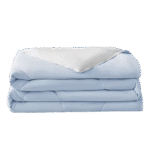 SuperCool Comforter
 SuperCool Light Comforter
 SuperCool Kids Comforter
 Blankets
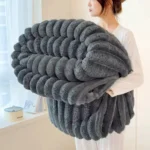 Teddy Bear Blanket
 Sheets
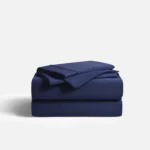 SuperCool+ Starter Sheet Set
 SuperCool+ Flat Sheet
 SuperCool+ Fitted Sheet
 Pillowcases
 SuperCool+ Pillowcases
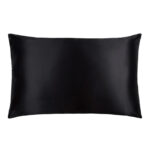 Cooling Silk Pillowcase
 Mattress Protectors
 Quilted Mattress Protector
 Waterproof Mattress Protector
 Floor Mats

What Pillowcase Is Best for Hair and Skin

The Science Behind Pillowcase Materials and Your Beauty Sleep
Your pillowcase affects your hair and skin more than you realize. During sleep, your face spends 6-8 hours pressed against fabric. This contact creates friction, absorbs moisture, and can harbor bacteria. The right pillowcase material reduces these problems.
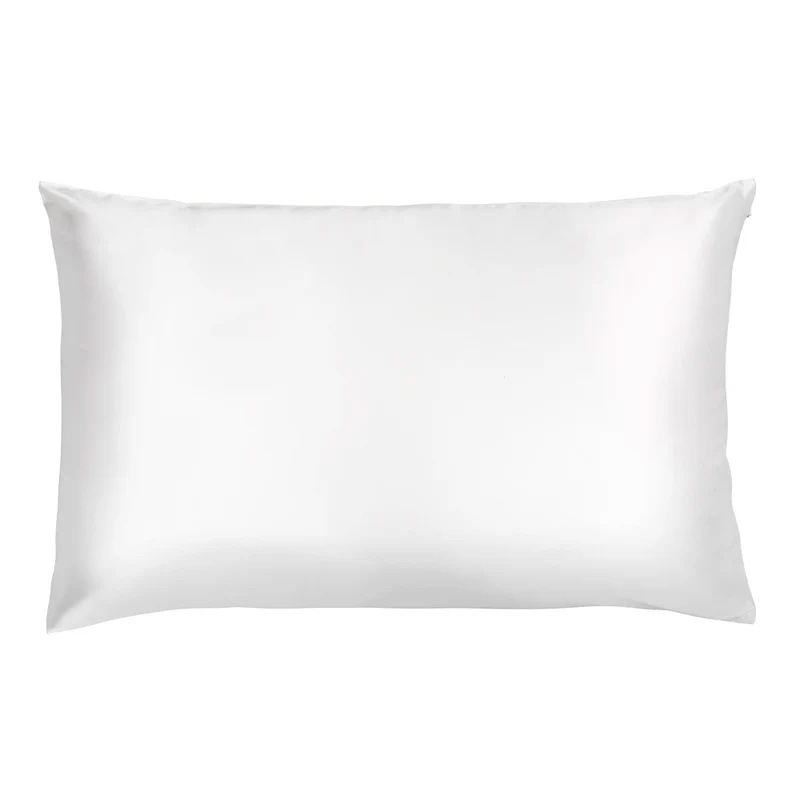
Your pillow shouldn’t steal your glow while you sleep. The lululinens LUXY LU 100% Mulberry Silk Pillowcase reduces friction, minimizes sleep creases, and keeps hair frizz-free. Pure mulberry silk offers temperature-regulating softness that’s hypoallergenic and gentle. Wake up looking as rested as you feel.
Cotton pillowcases create significant friction. This friction causes hair breakage and sleep lines on skin. Cotton also absorbs natural oils from your hair and face, leading to dryness.
Silk pillowcases have been used for centuries in Asia. Chinese royalty favored silk bedding as early as 3000 BCE. Silk’s smooth surface minimizes friction by up to 43% compared to cotton. The amino acids in silk protein mirror those in human hair, making it naturally compatible.
Satin pillowcases offer a budget alternative to silk. True satin refers to a weave pattern, not a material. Most satin pillowcases use polyester or nylon. These synthetic fabrics create a smooth surface but lack silk’s natural proteins.
How Different Fabrics Affect Hair Health
Hair damage occurs during sleep through three main mechanisms: friction, moisture loss, and physical stress from tossing.
Friction and Breakage
Hair cuticles are scale-like structures. Rough fabric catches these scales, causing them to lift and break. Silk and satin reduce this catching action. Studies show silk pillowcases decrease hair friction by 43% versus cotton.
Key hair benefits by fabric:
- Silk: Reduces frizz, maintains natural oils, prevents split ends
- Satin: Smooth surface reduces tangles, less expensive than silk
- Cotton: High absorbency strips hair oils, creates maximum friction
- Bamboo: Moderate smoothness, hypoallergenic properties
Moisture Retention
Cotton absorbs up to 27 times its weight in water. This absorbency pulls moisture from your hair overnight. Dry hair becomes brittle and prone to breakage.
Silk absorbs minimal moisture. The fabric’s tight weave and natural proteins create a moisture barrier. Your hair’s natural oils stay where they belong.
Satin (polyester-based) doesn’t absorb moisture but also doesn’t breathe well. This can create a humid microclimate around your head.
Benefits for Different Hair Types
Curly and textured hair: Silk pillowcases preserve curl patterns. The smooth surface prevents the flattening that cotton causes. Natural oils distribute evenly along hair shafts.
Fine or thinning hair: Reduced friction means less breakage. Every strand counts with fine hair. Silk helps maintain hair density.
Color-treated hair: Moisture retention keeps dye vibrant longer. Cotton’s absorbency can strip color faster.
Long hair: Length increases friction points. Silk reduces tangling across the entire hair length.
Skin Benefits of Premium Pillowcase Materials
Your facial skin regenerates during sleep. The pillowcase you choose either supports or hinders this process.
Reducing Sleep Lines and Wrinkles
Sleep lines form when skin compresses against fabric. Cotton’s rough texture creates deep creases. These temporary lines become permanent wrinkles over decades.
Silk’s smooth surface allows skin to glide. Less compression means fewer sleep lines. Dermatologists recommend silk pillowcases for wrinkle prevention.
The friction coefficient of silk measures 0.15-0.20, compared to cotton’s 0.40-0.50. Lower friction equals less skin stress.
Moisture Balance
Healthy skin maintains a moisture barrier. Cotton pillowcases absorb the skincare products you apply at night. They also pull natural moisture from your skin.
Silk preserves this moisture barrier. Your night serums and creams stay on your face instead of soaking into fabric. This maximizes product effectiveness.
Skin hydration comparison:
| Fabric Type | Moisture Absorption | Product Retention | Skin Hydration After 8 Hours |
|---|---|---|---|
| Cotton | High (27x weight) | Low (40%) | Decreased |
| Silk | Low (minimal) | High (95%) | Maintained |
| Satin | Very Low | Medium (70%) | Maintained |
| Bamboo | Medium (high) | Medium (60%) | Slightly Decreased |
Bacterial Growth and Acne
Pillowcases accumulate dead skin cells, oils, and bacteria. Cotton’s porous structure traps these elements. The fabric also retains moisture, creating ideal bacterial growth conditions.
Silk has natural antimicrobial properties. The fabric contains copper, which inhibits bacterial growth. Silk pillowcases harbor 67% less bacteria than cotton after one week of use.
Acne-prone skin benefits from silk because:
- Less bacterial accumulation reduces breakouts
- Smooth surface doesn’t irritate existing acne
- Hypoallergenic properties minimize inflammatory responses
- Better moisture balance prevents compensatory oil production
Comparing Silk Types: Mulberry vs. Other Varieties
Not all silk pillowcases deliver equal benefits. The silk type matters significantly.
Mulberry Silk Standards
Mulberry silk comes from silkworms fed exclusively mulberry leaves. This controlled diet produces the finest, most uniform silk fibers. Mulberry silk represents the highest quality available.
Momme weight measures silk density. Higher momme counts indicate thicker, more durable fabric. Pillowcases should be 19-25 momme. Lower weights feel flimsy. Higher weights feel stiff.
A 22 momme mulberry silk pillowcase balances durability and softness perfectly.
Grade Classifications
Silk receives letter grades based on quality:
- Grade 6A: Highest quality, long silk fibers, minimal processing
- Grade A: Good quality, some shorter fibers mixed in
- Grade B: Lower quality, more processing, less uniform
Grade 6A mulberry silk provides maximum hair and skin benefits. Lower grades may still be smooth but lack durability.
Wild Silk Alternatives
Tussah silk comes from wild silkworms. These worms eat various leaves, producing coarser, less uniform fibers. Tussah silk costs less but provides fewer beauty benefits.
The color of tussah silk ranges from beige to brown naturally. Most tussah pillowcases undergo bleaching, which weakens fibers.
Satin Pillowcases: Pros and Cons
Satin describes a weave pattern, not a material. Most satin pillowcases use polyester.
Advantages
- Price: 50-70% less expensive than silk
- Durability: Polyester resists stains and damage
- Easy care: Machine washable without special handling
- Smooth surface: Reduces hair friction effectively
Disadvantages
- No natural proteins: Lacks silk’s amino acids
- Heat retention: Doesn’t breathe like natural fibers
- Environmental impact: Polyester is petroleum-based
- Static electricity: Can create hair flyaways
- No antimicrobial properties: Requires more frequent washing
Satin works well for hair protection on a budget. For skin benefits, silk remains superior.
Your pillow shouldn’t steal your glow while you sleep. The lululinens LUXY LU 100% Mulberry Silk Pillowcase reduces friction, minimizes sleep creases, and keeps hair frizz-free. Pure mulberry silk offers temperature-regulating softness that’s hypoallergenic and gentle. Wake up looking as rested as you feel.
Bamboo and Other Alternative Materials
Bamboo Fabric
Bamboo viscose pillowcases offer middle-ground benefits. The fabric is softer than cotton but less smooth than silk.
Bamboo advantages:
- Naturally antimicrobial
- Moisture-wicking properties
- Sustainable and eco-friendly
- Hypoallergenic for sensitive skin
Bamboo limitations:
- More friction than silk or satin
- Processing chemicals reduce eco-benefits
- Moderate hair protection only
Copper-Infused Fabrics
Some pillowcases incorporate copper threads. Copper has proven antimicrobial effects. These fabrics may help acne-prone skin.
The evidence remains limited. Copper pillowcases cost as much as silk but lack the friction-reduction benefits.
Thread Count and Weave Patterns
Thread count measures fabric density. Higher counts don’t always mean better quality.
For cotton: 300-400 thread count provides the best balance. Higher counts often use multi-ply threads, which actually creates a rougher surface.
For silk: Momme weight matters more than thread count. A 22 momme silk pillowcase equals roughly 600 thread count in density.
Weave patterns:
- Sateen weave: Creates a smooth, lustrous surface similar to satin
- Percale weave: Crisp, matte finish with more breathability
- Charmeuse weave: Silk-specific weave that maximizes smoothness
Charmeuse weave silk pillowcases provide optimal hair and skin benefits.
Maintenance and Longevity
Proper care extends pillowcase life and maintains benefits.
Washing Silk Pillowcases
Hand washing preserves silk best. Use cold water and pH-neutral detergent. Avoid harsh chemicals or bleach.
Machine washing works with precautions:
- Use a mesh laundry bag
- Select delicate cycle
- Use cold water only
- Choose silk-specific detergent
- Never use fabric softener
Air dry flat. Never wring silk or use high heat.
Washing Frequency
Change pillowcases every 3-4 days. Oils, dead skin, and bacteria accumulate quickly. Weekly washing is the minimum for maintaining hygiene benefits.
Keep multiple pillowcases in rotation. This extends the life of each one.
Expected Lifespan
Quality comparison by material:
- High-grade silk (22 momme): 2-3 years with proper care
- Satin (polyester): 1-2 years
- Cotton: 6-12 months before significant wear
- Bamboo: 1-2 years
Silk represents the best long-term value despite higher upfront costs.
Choosing the Right Pillowcase for Your Needs
Consider these factors before purchasing:
Primary Concern
Hair health priority: Choose 22 momme mulberry silk or high-quality satin
Skin concerns: Select Grade 6A mulberry silk with antimicrobial properties
Budget-conscious: Start with satin, upgrade to silk later
Sustainability: Choose bamboo or peace silk (cruelty-free harvesting)
Climate Considerations
Hot climates benefit from silk’s breathability. Silk regulates temperature naturally.
Cold climates can use heavier fabrics. Cotton flannel provides warmth but sacrifices hair and skin benefits.
Humidity affects pillowcase performance. Silk prevents moisture buildup better than synthetic materials.
Skin Sensitivity
Sensitive skin requires hypoallergenic materials. Silk is naturally hypoallergenic. Bamboo offers similar properties at lower cost.
Avoid harsh dyes. Natural or light-colored pillowcases reduce chemical exposure.
Making Your Selection
The best pillowcase depends on your specific priorities and budget.
For maximum hair and skin benefits: Choose 22 momme Grade 6A mulberry silk with charmeuse weave. This investment pays off through reduced damage and enhanced skincare effectiveness.
For hair protection on a budget: Select high-quality polyester satin. The smooth surface delivers 70% of silk’s hair benefits at 30% of the cost.
For sensitive or acne-prone skin: Prioritize antimicrobial properties. Silk or bamboo provide natural bacterial resistance.
For hot sleepers: Silk’s temperature regulation surpasses all alternatives. The fabric keeps you cool while protecting hair and skin.
Start with one quality pillowcase. The difference becomes apparent within days. Your hair will tangle less. Your skin will show fewer sleep lines. Your nighttime skincare products will work better.
Quality pillowcases represent a simple upgrade with measurable benefits. Your hair and skin repair themselves during sleep. Give them the best possible environment for this crucial restoration process.
Your pillow shouldn’t steal your glow while you sleep. The lululinens LUXY LU 100% Mulberry Silk Pillowcase reduces friction, minimizes sleep creases, and keeps hair frizz-free. Pure mulberry silk offers temperature-regulating softness that’s hypoallergenic and gentle. Wake up looking as rested as you feel.