 Comforters
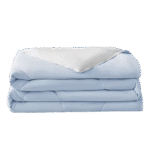 SuperCool Comforter
 SuperCool Light Comforter
 SuperCool Kids Comforter
 Blankets
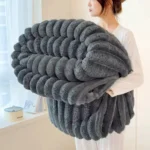 Teddy Bear Blanket
 Sheets
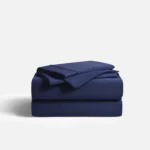 SuperCool+ Starter Sheet Set
 SuperCool+ Flat Sheet
 SuperCool+ Fitted Sheet
 Pillowcases
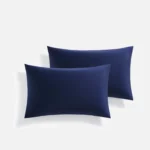 SuperCool+ Pillowcases
 Cooling Silk Pillowcase
 Mattress Protectors
 Quilted Mattress Protector
 Waterproof Mattress Protector
 Floor Mats

What Is the Standard Size of a Pillowcase

Understanding Pillowcase Dimensions
A standard pillowcase measures 20 x 26 inches (51 x 66 cm). This size fits most regular bed pillows sold in stores. The measurement refers to the interior dimensions that hold the pillow.
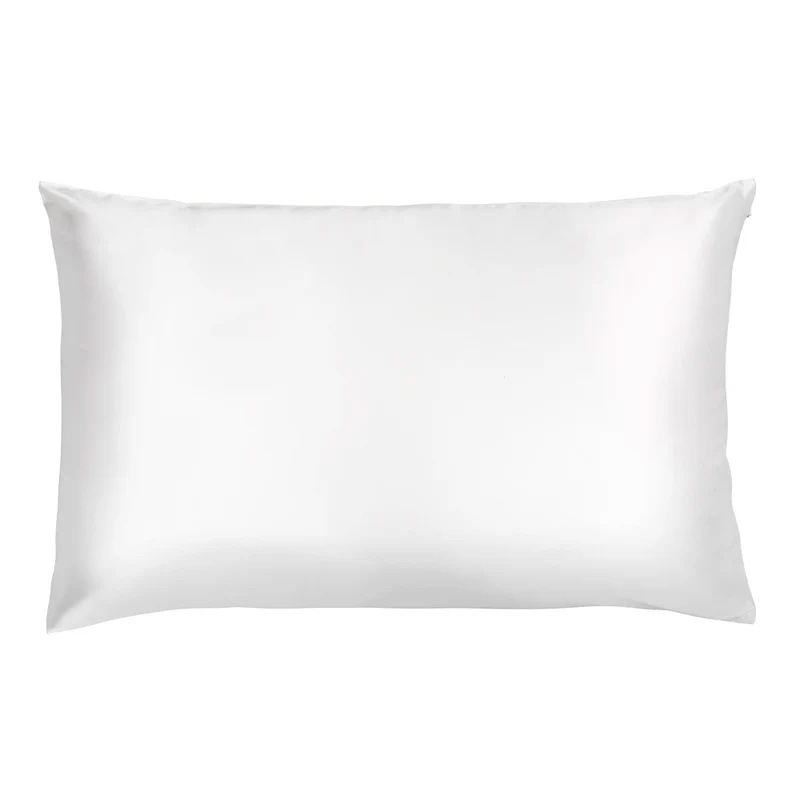
Your pillow shouldn’t steal your glow while you sleep. The lululinens LUXY LU 100% Mulberry Silk Pillowcase reduces friction, minimizes sleep creases, and keeps hair frizz-free. Pure mulberry silk offers temperature-regulating softness that’s hypoallergenic and gentle. Wake up looking as rested as you feel.
Pillowcases come in several standard sizes beyond the basic standard option. Each size corresponds to specific pillow dimensions:
- Standard: 20 x 26 inches
- Queen: 20 x 30 inches
- King: 20 x 36 inches
- Euro: 26 x 26 inches (square)
- Body pillow: 20 x 54 inches
The standard size remains the most common choice for twin and full beds. Queen and king sizes work better for larger beds and decorative arrangements.
Historical Development of Pillowcase Standards
Pillowcase standardization emerged in the early 20th century. Before this period, most households made custom pillowcases at home. Families cut and sewed fabric to match their specific pillow sizes.
The textile industry began mass production in the 1920s. Manufacturers needed consistent measurements for factory production. They studied common pillow dimensions across households and established the 20 x 26 inch standard.
This standardization served multiple purposes:
- Reduced production costs through uniform manufacturing
- Simplified inventory management for retailers
- Made shopping easier for consumers
- Enabled interchangeable bedding components
Department stores popularized these standards in the 1930s and 1940s. The standards spread across North America first, then globally. Today, most countries follow similar sizing conventions with minor regional variations.
Complete Pillowcase Size Comparison
| Pillowcase Type | Dimensions (inches) | Dimensions (cm) | Best For |
|---|---|---|---|
| Standard | 20 x 26 | 51 x 66 | Twin, Full beds |
| Queen | 20 x 30 | 51 x 76 | Queen beds, side sleepers |
| King | 20 x 36 | 51 x 91 | King, California King beds |
| Euro | 26 x 26 | 66 x 66 | Decorative use |
| Body Pillow | 20 x 54 | 51 x 137 | Pregnancy, full-body support |
The measurements show length differences as the primary variable. Width stays constant at 20 inches for rectangular pillowcases. This consistency helps with fitted sheet coordination.
Technical Specifications and Construction
Fabric Types
Pillowcases use various fabric constructions. Each material offers different properties:
Cotton: The most popular choice. Thread counts range from 200 to 1000. Higher thread counts feel softer but cost more. Cotton breathes well and absorbs moisture.
Linen: Made from flax fibers. Linen feels crisp initially but softens with washing. This fabric regulates temperature effectively.
Silk: Smooth texture reduces friction on hair and skin. Real silk comes from silkworm cocoons. This luxury option requires gentle care.
Microfiber: Synthetic polyester material. Very affordable and wrinkle-resistant. Less breathable than natural fibers.
Bamboo: Derived from bamboo pulp. Soft like silk but more durable. Naturally antimicrobial properties resist bacteria.
Closure Methods
Pillowcases feature different closure designs:
- Housewife closure: Simple open-end design. The pillow slides in from one end. Most common and affordable.
- Oxford closure: Decorative flat border around edges. Usually 2-5 cm wide. Adds visual interest.
- Envelope closure: Fabric flap folds over pillow end. Keeps pillow secure inside. No zippers or buttons needed.
- Zippered closure: Full or partial zipper seals the opening. Prevents pillow from slipping out. Common for decorative pillows.
Seam Construction
Quality pillowcases use specific seam types:
- French seams: Enclose raw edges completely. Prevents fraying and looks clean.
- Overlock seams: Finished edges with serging. Durable and prevents unraveling.
- Burrito seams: Similar to French seams but quicker to produce.
The seam quality affects durability and wash cycle survival.
Choosing the Right Size for Your Needs
Measuring Your Pillow
Measure your pillow before buying pillowcases. Use these steps:
- Lay the pillow flat on a hard surface
- Measure width from seam to seam
- Measure length from end to end
- Add 2-4 inches to each measurement for proper fit
A pillow measuring 18 x 24 inches needs a standard 20 x 26 inch case. The extra room allows easy insertion and prevents tight stretching.
Bed Size Considerations
Match pillowcase sizes to your mattress:
Twin beds: Two standard pillowcases work perfectly. The bed width accommodates this arrangement well.
Full beds: Two standard or two queen pillowcases. Queen size offers more coverage and looks fuller.
Queen beds: Two queen pillowcases provide balanced proportions. Standard size looks small on queen beds.
King beds: Two king pillowcases or three queen pillowcases. Three queens create a layered decorative look.
California King beds: Two king pillowcases fit best. The extra length matches California king mattress dimensions.
Sleep Position Factors
Your sleeping style influences ideal pillowcase size:
Back sleepers: Standard or queen sizes provide adequate support. Medium-firm pillows in standard cases maintain neck alignment.
Side sleepers: Queen or king sizes accommodate thicker pillows. These sizes fit firmer, higher-loft pillows needed for side sleeping.
Stomach sleepers: Standard size works best. Stomach sleeping requires thinner pillows to prevent neck strain.
User Benefits of Proper Sizing
Comfort Optimization
Correctly sized pillowcases enhance sleep quality. A properly fitted case keeps the pillow filling distributed evenly. Loose cases bunch up and create uncomfortable lumps. Tight cases compress filling and reduce support.
The right fit prevents the pillow from slipping out during sleep. You avoid waking up with the pillow on the floor or hanging off the bed.
Aesthetic Appeal
Well-fitted pillowcases look crisp and intentional. They smooth out nicely across the pillow surface. Oversized cases wrinkle and sag. Undersized cases pull tight and show stress lines.
Matching sizes create visual harmony on the bed. Consistent proportions appear more polished and deliberate.
Hygiene Maintenance
Properly sized cases protect pillows better. They create a barrier against:
- Body oils and sweat
- Dead skin cells
- Dust mites and allergens
- Makeup and hair products
- Drool and moisture
This protection extends pillow lifespan significantly. You replace pillows less frequently, saving money over time.
Your pillow shouldn’t steal your glow while you sleep. The lululinens LUXY LU 100% Mulberry Silk Pillowcase reduces friction, minimizes sleep creases, and keeps hair frizz-free. Pure mulberry silk offers temperature-regulating softness that’s hypoallergenic and gentle. Wake up looking as rested as you feel.
Material Care and Maintenance
Washing Guidelines
Different fabrics require specific care methods:
Cotton pillowcases:
- Wash in warm or hot water (up to 60°C)
- Use regular detergent
- Tumble dry on medium heat
- Iron on cotton setting if desired
Linen pillowcases:
- Wash in lukewarm water
- Use mild detergent
- Air dry or tumble dry on low
- Iron while slightly damp for best results
Silk pillowcases:
- Hand wash in cold water or use delicate cycle
- Use silk-specific or gentle detergent
- Air dry flat, away from direct sunlight
- Never wring or twist
- Iron on lowest setting with pressing cloth
Microfiber pillowcases:
- Wash in warm water
- Avoid fabric softener (reduces moisture-wicking)
- Tumble dry on low
- Remove promptly to prevent wrinkles
Washing Frequency
Pillowcases need regular cleaning. Experts recommend:
- Weekly washing: Ideal for most people
- Every 3-4 days: For acne-prone skin
- Twice weekly: For allergy sufferers
- After illness: Always wash immediately
Regular washing removes accumulated oils, bacteria, and allergens. This practice prevents skin breakouts and respiratory irritation.
Storage Tips
Store clean pillowcases properly:
- Fold neatly and stack by size
- Keep in dry, cool location
- Avoid plastic bags (trap moisture)
- Use linen closet or drawer
- Rotate stock regularly
Proper storage prevents musty odors and mildew growth. It also maintains fabric quality between uses.
Shopping Selection Process
Quality Indicators
Look for these features when buying pillowcases:
Stitching: Examine seams for tight, even stitches. Loose threads indicate poor construction.
Fabric weight: Feel the material thickness. Thin fabric wears out faster. Substantial weight suggests durability.
Colorfastness: Check care labels for pre-shrunk and colorfast designations. These treated fabrics maintain appearance longer.
Thread count: For cotton, 300-600 thread count offers good quality. Above 600 provides luxury feel but costs more.
Budget Considerations
Pillowcase prices vary widely:
- Budget range ($5-15 per pair): Basic microfiber or low thread count cotton
- Mid-range ($15-40 per pair): Quality cotton, bamboo blends, or linen
- Luxury range ($40-100+ per pair): High thread count cotton, pure silk, or organic materials
Investment in quality pays off. Better materials last longer and feel more comfortable. Calculate cost per year of use rather than initial price.
Set Purchasing
Pillowcases sell individually, in pairs, or as sheet sets:
Individual: Good for replacing damaged cases or trying new materials.
Pairs: Most economical option for standard needs.
Sheet sets: Include fitted sheet, flat sheet, and pillowcases. Ensures matching colors and patterns. Often costs less than buying pieces separately.
Buy extra cases beyond your immediate needs. Having backup sets allows proper rotation and reduces wear on individual cases.
Final Recommendations
The standard 20 x 26 inch pillowcase fits most regular pillows. Measure your pillows first before purchasing. Consider your bed size, sleep position, and aesthetic preferences.
Invest in quality materials that match your budget. Cotton offers versatility for most users. Silk benefits skin and hair health. Linen provides excellent temperature regulation.
Wash pillowcases weekly for optimal hygiene. Buy multiple sets to enable rotation. Proper care extends fabric life and maintains comfort.
Choose closure types based on your needs. Envelope closures offer security. Housewife styles provide simplicity and easy pillow insertion.
Your pillowcase size affects sleep quality and bedroom appearance. Take time to select the right dimensions and materials. This small decision makes a significant difference in daily comfort.
Your pillow shouldn’t steal your glow while you sleep. The lululinens LUXY LU 100% Mulberry Silk Pillowcase reduces friction, minimizes sleep creases, and keeps hair frizz-free. Pure mulberry silk offers temperature-regulating softness that’s hypoallergenic and gentle. Wake up looking as rested as you feel.