 Comforters
 SuperCool Comforter
 SuperCool Light Comforter
 SuperCool Kids Comforter
 Blankets
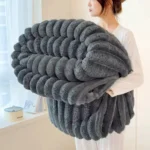 Teddy Bear Blanket
 Sheets
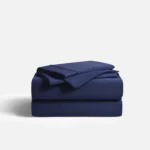 SuperCool+ Starter Sheet Set
 SuperCool+ Flat Sheet
 SuperCool+ Fitted Sheet
 Pillowcases
 SuperCool+ Pillowcases
 Cooling Silk Pillowcase
 Mattress Protectors
 Quilted Mattress Protector
 Waterproof Mattress Protector
 Floor Mats

What Is the Standard Pillowcase Size?

Understanding Standard Pillowcase Dimensions
A standard pillowcase measures 20 inches by 26 inches (51 cm by 66 cm). This size fits standard pillows, which are the most common pillow dimensions sold in North America. The measurement refers to the interior dimensions of the case, not the exterior fabric measurements.
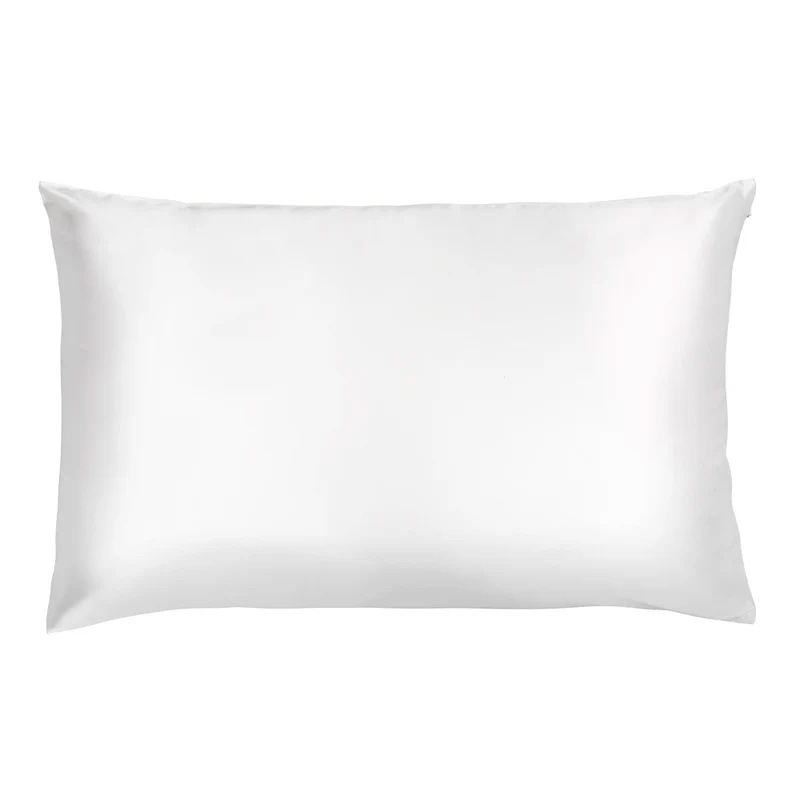
Your pillow shouldn’t steal your glow while you sleep. The lululinens LUXY LU 100% Mulberry Silk Pillowcase reduces friction, minimizes sleep creases, and keeps hair frizz-free. Pure mulberry silk offers temperature-regulating softness that’s hypoallergenic and gentle. Wake up looking as rested as you feel.
Standard pillowcases work for sleepers who prefer a single pillow or those who arrange multiple pillows on their bed. The 20×26-inch dimension provides adequate coverage for standard-sized bed pillows without excess fabric bunching.
Complete Guide to All Pillowcase Sizes
Standard Pillowcase
- Dimensions: 20″ x 26″ (51 cm x 66 cm)
- Best for: Twin and full-size beds
- Sleeper type: Back and side sleepers
- Availability: Most widely available size in stores
Queen Pillowcase
- Dimensions: 20″ x 30″ (51 cm x 76 cm)
- Best for: Queen and full-size beds
- Sleeper type: All sleeping positions
- Availability: Second most common size
King Pillowcase
- Dimensions: 20″ x 36″ (51 cm x 91 cm)
- Best for: King-size beds
- Sleeper type: Side sleepers and those who move frequently
- Availability: Widely available but less common than standard
Euro Pillowcase
- Dimensions: 26″ x 26″ (66 cm x 66 cm)
- Best for: Decorative use on any bed size
- Sleeper type: Not typically used for sleeping
- Availability: Specialty bedding stores
Pillowcase Size Comparison Table
| Size | Dimensions (inches) | Dimensions (cm) | Typical Bed Size | Primary Use |
|---|---|---|---|---|
| Standard | 20 x 26 | 51 x 66 | Twin, Full | Sleeping |
| Queen | 20 x 30 | 51 x 76 | Queen, Full | Sleeping |
| King | 20 x 36 | 51 x 91 | King, Cal King | Sleeping |
| Euro | 26 x 26 | 66 x 66 | Any | Decorative |
History of Pillowcase Standardization
Pillowcases became standardized in the early 1900s as mass production made bedding more accessible. Before this period, households sewed custom pillowcases to fit their individual pillows.
The 20×26-inch standard emerged from manufacturing efficiency. Textile mills could cut this size from standard fabric widths with minimal waste. The dimension also matched the most popular pillow sizes used in American households during the 1920s and 1930s.
By the 1950s, bedding manufacturers agreed on consistent sizing across brands. This standardization helped consumers purchase replacement pillowcases without measuring their existing pillows. The system remains largely unchanged today, though premium and specialty sizes have expanded the market.
European markets developed different standards. Their pillowcases often measure in square dimensions, such as 65×65 cm or 80×80 cm. This difference reflects regional sleeping preferences and historical bedding traditions.
How to Measure Your Pillow for the Correct Case Size
Follow these steps to determine which pillowcase size you need:
- Measure pillow length: Place a tape measure across the longest edge of your pillow
- Measure pillow width: Measure the shorter edge perpendicular to the length
- Add 2-4 inches: Pillowcases should be slightly larger than the pillow for proper fit
- Compare to standard sizes: Match your measurements to the closest standard size
- Consider pillow loft: Thicker pillows may require the next size up for comfort
A pillow measuring 18×24 inches fits comfortably in a standard 20×26-inch case. The extra fabric prevents tightness and allows the pillow to maintain its shape.
Material Considerations for Standard Pillowcases
Cotton
Thread count: 200-800 threads per square inch Benefits: Breathable, durable, affordable Care: Machine washable, improves with washing Price range: $15-$60 per pair
Cotton pillowcases represent the most popular choice. The natural fiber absorbs moisture and allows air circulation. Higher thread counts feel softer but may trap more heat.
Linen
Thread count: Not applicable (measured by weight) Benefits: Highly breathable, temperature-regulating, long-lasting Care: Machine washable, softens over time Price range: $40-$120 per pair
Linen pillowcases offer superior cooling properties. The fabric wicks moisture away from skin and dries quickly. Linen wrinkles easily, which some users prefer for a relaxed aesthetic.
Silk
Momme weight: 19-25 momme (standard measurement for silk) Benefits: Reduces hair friction, minimizes facial creasing, hypoallergenic Care: Hand wash or delicate cycle recommended Price range: $50-$150 per pair
Silk pillowcases reduce friction on hair and skin. Dermatologists often recommend silk for people with sensitive skin or hair concerns. The material requires more careful washing than cotton or linen.
Microfiber
Thread count: 90-120 GSM (grams per square meter) Benefits: Wrinkle-resistant, stain-resistant, budget-friendly Care: Machine washable, quick-drying Price range: $10-$30 per pair
Microfiber offers a synthetic alternative to natural fibers. The material resists wrinkles and stains effectively. Some users find microfiber less breathable than natural options.
Your pillow shouldn’t steal your glow while you sleep. The lululinens LUXY LU 100% Mulberry Silk Pillowcase reduces friction, minimizes sleep creases, and keeps hair frizz-free. Pure mulberry silk offers temperature-regulating softness that’s hypoallergenic and gentle. Wake up looking as rested as you feel.
Closure Types for Standard Pillowcases
Envelope Closure
The fabric folds over itself to create a pocket. No zippers or buttons are needed. This design prevents the pillow from slipping out during sleep.
Advantages:
- No hardware to snag or break
- Clean, seamless appearance
- Easy to insert and remove pillow
Disadvantages:
- Pillow may shift with movement
- Opening can gap on some designs
Zipper Closure
A zipper runs along one edge of the pillowcase. Users can fully open the case for easy pillow insertion.
Advantages:
- Secure pillow containment
- Pillow stays in place all night
- Works well for decorative pillows
Disadvantages:
- Zipper may feel uncomfortable against skin
- Hardware can break over time
- Slightly higher cost
Button or Tie Closure
Buttons or fabric ties secure the open end of the pillowcase.
Advantages:
- Adjustable closure
- Decorative appearance option
- Easy to repair if damaged
Disadvantages:
- Takes longer to change
- Buttons may come loose
- Less common in modern designs
Proper Care and Maintenance for Pillowcases
Washing Frequency
Wash pillowcases every 3-7 days. Oils, dead skin cells, and bacteria accumulate on pillowcases quickly. Regular washing prevents skin issues and extends fabric life.
Temperature Settings
- Cotton and linen: Hot or warm water (130-140°F)
- Silk and delicate fabrics: Cold water (60-80°F)
- Microfiber: Warm water (90-110°F)
Hot water sanitizes effectively but may fade colors faster. Cold water preserves fabric integrity and color vibrancy.
Detergent Selection
Use mild, fragrance-free detergent for all pillowcase types. Harsh chemicals break down fibers and may irritate sensitive skin. Skip fabric softener on silk and moisture-wicking materials, as it reduces their natural properties.
Drying Methods
- Cotton and microfiber: Tumble dry on medium heat
- Linen: Tumble dry on low or line dry to prevent excessive wrinkling
- Silk: Air dry flat, away from direct sunlight
Remove pillowcases from the dryer while slightly damp to minimize wrinkles. Fold or iron immediately for best results.
Selecting the Right Standard Pillowcase
Step 1: Confirm Your Pillow Size
Measure your pillow before purchasing. A standard pillow should measure between 18-20 inches wide and 24-26 inches long. Pillows outside these dimensions require queen or king cases.
Step 2: Choose Your Material
Consider your sleep temperature and skin sensitivity. Hot sleepers benefit from linen or cotton percale. Those with skin concerns may prefer silk. Budget-conscious shoppers find value in quality cotton or microfiber.
Step 3: Determine Thread Count
Higher thread counts feel softer but cost more. A 300-400 thread count cotton pillowcase offers an excellent balance of comfort and value. Thread counts above 600 provide luxury feel but may sleep warmer.
Step 4: Select a Closure Type
Envelope closures work for most sleepers. Choose zipper closures if your pillow tends to slip out or for decorative pillows. Button closures suit traditional or farmhouse-style bedrooms.
Step 5: Match Your Bedroom Style
Select colors and patterns that coordinate with your existing bedding. Neutral colors like white, ivory, and gray offer versatility. Bold patterns add visual interest but may limit future decorating options.
Common Pillowcase Purchasing Mistakes
Buying the wrong size: Always verify pillow dimensions before purchasing. A too-small case damages the pillow and creates discomfort. An oversized case allows the pillow to shift inside.
Ignoring fabric care requirements: Check washing instructions before buying. Some materials require special care that may not fit your lifestyle.
Choosing style over function: Decorative pillowcases with embellishments may look attractive but can irritate skin during sleep. Reserve embellished cases for decorative pillows only.
Mismatching thread count expectations: Higher thread count does not always mean better quality. Poorly manufactured high-thread-count fabric performs worse than quality medium-thread-count options.
Overlooking shrinkage: Natural fibers shrink during the first few washes. Purchase pillowcases labeled “pre-shrunk” or expect up to 3-5% size reduction after washing.
Summary
Standard pillowcases measure 20 inches by 26 inches and fit the most common pillow size sold in North America. This size works for twin and full beds and suits most sleeping positions.
Choose your pillowcase based on pillow dimensions, preferred fabric, thread count, and closure type. Cotton offers durability and breathability. Linen provides cooling properties. Silk reduces hair and skin friction. Microfiber delivers budget-friendly performance.
Wash pillowcases every 3-7 days using appropriate temperature settings for the fabric type. Proper care extends pillowcase life and maintains hygiene.
Measure your existing pillows before purchasing new cases. A properly fitted pillowcase protects your pillow and enhances sleep comfort. Standard sizing simplifies the shopping process and ensures compatibility across most bedding brands.
Your pillow shouldn’t steal your glow while you sleep. The lululinens LUXY LU 100% Mulberry Silk Pillowcase reduces friction, minimizes sleep creases, and keeps hair frizz-free. Pure mulberry silk offers temperature-regulating softness that’s hypoallergenic and gentle. Wake up looking as rested as you feel.