 Comforters
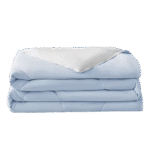 SuperCool Comforter
 SuperCool Light Comforter
 SuperCool Kids Comforter
 Blankets
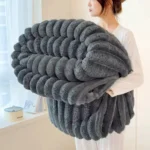 Teddy Bear Blanket
 Sheets
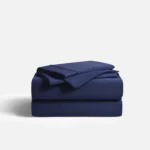 SuperCool+ Starter Sheet Set
 SuperCool+ Flat Sheet
 SuperCool+ Fitted Sheet
 Pillowcases
 SuperCool+ Pillowcases
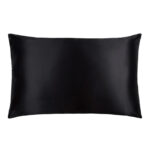 Cooling Silk Pillowcase
 Mattress Protectors
 Quilted Mattress Protector
 Waterproof Mattress Protector
 Floor Mats

What Is the Purpose of a Silk Pillowcase

The Primary Functions of Silk Pillowcases
Silk pillowcases serve multiple purposes that extend beyond basic bedding. These products protect your skin and hair during sleep. The smooth surface reduces friction against your face and strands. This material also regulates temperature throughout the night.
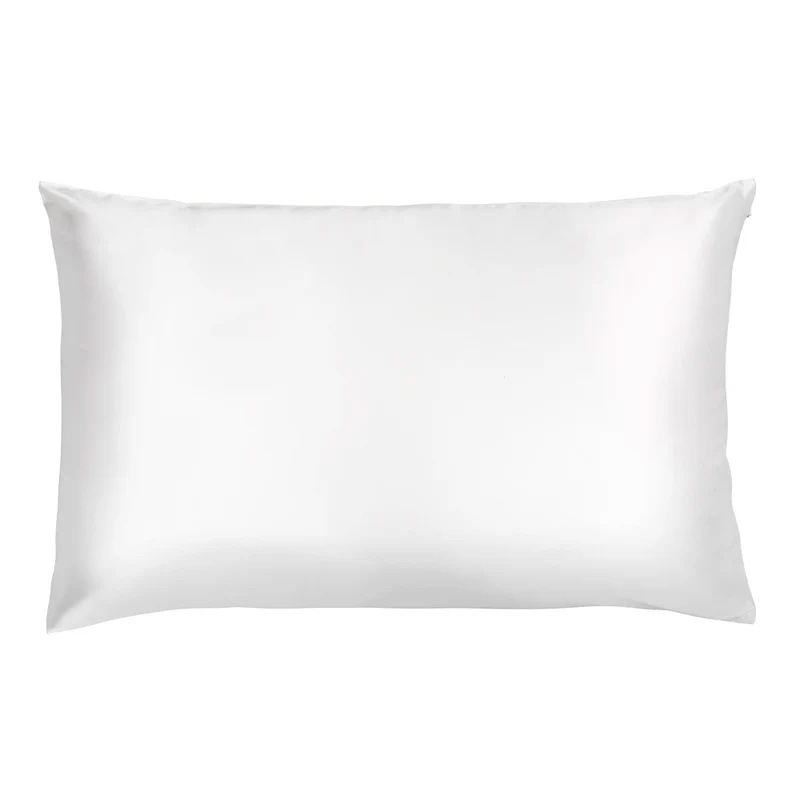
Your pillow shouldn’t steal your glow while you sleep. The lululinens LUXY LU 100% Mulberry Silk Pillowcase reduces friction, minimizes sleep creases, and keeps hair frizz-free. Pure mulberry silk offers temperature-regulating softness that’s hypoallergenic and gentle. Wake up looking as rested as you feel.
The core benefit lies in the protein structure of silk fibers. These fibers contain 18 amino acids that interact positively with human skin and hair. The natural properties of silk create an environment that minimizes damage during the 7-9 hours most people spend sleeping.
Silk pillowcases cost more than cotton alternatives. The price difference reflects the manufacturing process and material sourcing. A quality silk pillowcase ranges from $30 to $100 depending on the momme weight and size.
Historical Development of Silk Bedding
Ancient China produced the first silk fabrics around 3000 BCE. Emperors and nobility used silk bedding as a status symbol. The material remained exclusive to royal courts for centuries.
The Silk Road trade routes opened access to silk products across Asia and Europe by 130 BCE. Wealthy households began purchasing silk textiles for personal use. Silk pillowcases became common among European aristocracy by the 1600s.
Modern production methods developed in the 1900s. Manufacturers created standardized momme weights to measure silk quality. The beauty industry recognized silk’s benefits for skin and hair in the 1980s. Dermatologists began recommending silk pillowcases to patients with sensitive skin.
Mass production techniques reduced costs in the 2000s. Online retailers made silk pillowcases accessible to average consumers. The product shifted from luxury item to practical beauty tool.
Technical Specifications That Matter
Momme Weight Standards
Momme (mm) measures silk density and quality. One momme equals 4.340 grams per square meter. Higher momme counts indicate thicker, more durable fabric.
Common momme weights for pillowcases:
- 16-19 momme: Lightweight, affordable, less durable
- 19-22 momme: Standard quality, good balance of price and durability
- 22-25 momme: Premium quality, long-lasting, higher price point
- 25-30 momme: Luxury grade, maximum durability, significant investment
Most experts recommend 22 momme for pillowcases. This weight provides sufficient durability without excessive cost.
Silk Types and Grades
Mulberry silk represents the highest quality. Silkworms feed exclusively on mulberry leaves. This diet produces uniform, strong fibers. The resulting fabric has a smooth texture and consistent color.
Tussah silk comes from wild silkworms. These insects eat various plants. The fibers vary in texture and color. Tussah silk costs less but offers inferior smoothness.
Grade classifications:
- Grade A: Long, uniform fibers with minimal imperfections
- Grade B: Shorter fibers with slight irregularities
- Grade C: Mixed fiber lengths with visible flaws
Purchase Grade A mulberry silk for maximum benefits.
Thread Count vs. Momme
Thread count measures cotton quality. This metric counts threads per square inch. Silk uses momme weight instead. Thread count does not apply to silk fabrics.
Manufacturers sometimes list thread count for silk products. This practice misleads consumers. Focus only on momme weight for silk pillowcases.
Skin Benefits Explained
Friction Reduction
Cotton pillowcases have a rough surface at the microscopic level. This texture creates friction against your skin. The pulling and tugging causes several problems:
- Sleep lines and creases on your face
- Irritation of sensitive skin
- Premature wrinkle formation
- Disruption of skincare products
Silk’s smooth surface eliminates most friction. Your face glides across the fabric. You wake up without deep sleep lines. Dermatologists confirm that reduced friction slows wrinkle development.
Moisture Retention
Cotton absorbs moisture from your skin. A cotton pillowcase can draw out natural oils and applied skincare products. This absorption leaves skin dry by morning.
Silk has low absorbency. The fabric retains only 11% of its weight in moisture. Your expensive night cream stays on your face. Natural skin oils remain where they belong.
Hyaluronic acid serums and retinol treatments work better with silk pillowcases. These products maintain contact with skin throughout the night.
Hypoallergenic Properties
Silk naturally resists common allergens:
- Dust mites cannot survive in silk fibers
- Mold and mildew growth is inhibited
- Bacterial accumulation remains minimal
The sericin protein in silk provides antimicrobial properties. This protein comprises 25-30% of raw silk. Some manufacturers remove all sericin during processing. Look for products that retain some sericin content.
Hair Protection Mechanisms
Cuticle Preservation
Hair cuticles are overlapping scales on each strand. Cotton pillowcases rough up these scales. The friction causes:
- Split ends
- Breakage
- Frizz
- Tangled hair
Silk allows hair to move freely. The cuticles remain smooth and flat. You experience less breakage and easier morning styling.
Moisture Balance
Hair needs moisture to maintain strength and shine. Cotton pillowcases absorb this moisture. Your hair becomes dry and brittle.
Silk preserves hair’s natural moisture content. This retention keeps strands healthy and manageable. Hairstylists recommend silk pillowcases for clients with:
- Chemically treated hair
- Natural curls
- Fine or thin hair
- Long hair prone to tangling
Style Maintenance
Blowouts and styled hair last longer on silk. The reduced friction prevents style disruption. You save time on morning hair routines.
Curly hair benefits significantly. The smooth surface prevents curl pattern distortion. You wake up with defined curls instead of a flattened mess.
Temperature Regulation Features
Silk is a thermoregulating material. The fabric adjusts to your body temperature. This property creates comfort year-round.
In warm weather, silk wicks away perspiration. The moisture evaporates quickly. You stay cool throughout the night.
In cold weather, silk traps warm air near your skin. The insulating properties prevent heat loss. You remain comfortable without overheating.
Cotton and synthetic fabrics lack these adaptive qualities. They maintain static temperature properties regardless of conditions.
Comparison: Silk vs. Other Pillowcase Materials
| Feature | Silk | Cotton | Satin (Polyester) | Bamboo |
|---|---|---|---|---|
| Friction Level | Very Low | High | Medium | Medium |
| Moisture Absorption | 11% | 25% | 0% | High |
| Temperature Control | Excellent | Poor | Poor | Good |
| Hypoallergenic | Yes | No | No | Yes |
| Durability | High (22mm+) | High | Low | Medium |
| Price Range | $30-100 | $10-30 | $15-40 | $20-50 |
| Maintenance | Delicate wash | Machine wash | Machine wash | Machine wash |
Satin mimics silk’s smoothness. However, synthetic satin has no breathability. The material traps heat and moisture. Satin does not provide silk’s skin and hair benefits.
Bamboo offers some benefits. The fabric breathes well and resists bacteria. However, bamboo lacks silk’s protein structure. The amino acids in silk provide unique advantages.
Your pillow shouldn’t steal your glow while you sleep. The lululinens LUXY LU 100% Mulberry Silk Pillowcase reduces friction, minimizes sleep creases, and keeps hair frizz-free. Pure mulberry silk offers temperature-regulating softness that’s hypoallergenic and gentle. Wake up looking as rested as you feel.
Proper Care and Maintenance
Washing Instructions
Silk requires gentle cleaning. Follow these steps:
- Hand wash in cold water with pH-neutral detergent
- Never use bleach or harsh chemicals
- Gently squeeze out excess water (do not wring)
- Lay flat or hang to dry away from direct sunlight
- Iron on the lowest setting if needed (silk setting)
Some silk pillowcases are machine washable. Check the care label before washing. Use a mesh laundry bag and the delicate cycle.
Wash silk pillowcases every 7-10 days. This frequency removes oils and dead skin cells.
Stain Removal
Address stains immediately. Blot the area with cold water. Apply a small amount of silk-safe detergent. Gently work the stain from the outside toward the center.
Common stains and solutions:
- Makeup: Use micellar water or gentle makeup remover
- Oil-based products: Apply cornstarch to absorb oil, then wash
- Hair products: Pre-treat with silk detergent before washing
Never use spot removers designed for cotton or synthetic fabrics.
Storage Guidelines
Store silk pillowcases in a cool, dry place. Avoid plastic bags, which trap moisture. Use breathable cotton storage bags instead.
Keep silk away from direct sunlight. UV rays damage silk fibers over time. The fabric loses strength and develops a yellow tint.
Replace silk pillowcases every 1-2 years with regular use. Visible wear includes thinning fabric and loss of luster.
Selection Criteria for Optimal Results
Identifying Quality Silk
Check for these indicators:
- OEKO-TEX certification: Ensures no harmful chemicals
- Grade A mulberry silk label: Confirms fiber quality
- 22 momme or higher weight: Guarantees durability
- Seamless construction: Reduces irritation
- Hidden zipper closure: Prevents pillow slippage
Avoid products that lack specific momme weight listings. Manufacturers omit this information when using low-quality silk.
Size and Fit Considerations
Measure your pillow before purchasing. Standard sizes include:
- Standard: 20 x 26 inches
- Queen: 20 x 30 inches
- King: 20 x 36 inches
Choose a pillowcase that fits snugly. Excess fabric bunches up and creates friction. Too-tight cases strain the silk and shorten lifespan.
Color and Dye Quality
Natural silk has an off-white or cream color. Dyed silk undergoes additional processing. High-quality dyes resist fading and bleeding.
Test colorfastness before first use. Dampen a white cloth and press it against the pillowcase. No color should transfer.
Darker colors hide stains better. Light colors show every mark. Consider your maintenance preferences during selection.
Price-to-Value Assessment
Budget silk pillowcases (under $30) often use low-grade silk or thin momme weights. These products wear out quickly.
Mid-range options ($40-60) typically offer 22 momme Grade A silk. This price point provides the best value for most buyers.
Premium products ($70-100) feature 25+ momme weights and luxury finishes. Purchase these only if you prioritize maximum durability.
Maximizing Your Investment
Silk pillowcases deliver results within weeks. Most users notice smoother skin and less hair breakage within 14-21 days. The effects compound over months of consistent use.
Combine silk pillowcases with quality skincare products. The reduced absorption means products work more effectively. You might achieve results with less product application.
Consider purchasing two pillowcases. Rotate them during washing cycles. This practice extends the life of both products.
Silk pillowcases are not magic solutions. They work alongside proper skincare and haircare routines. The benefits enhance your existing regimen rather than replacing it.
The purpose of a silk pillowcase extends beyond simple comfort. These products actively protect your skin and hair during sleep. The scientific properties of silk create measurable improvements in appearance and health. Quality silk pillowcases represent a practical investment in your daily beauty routine.
Your pillow shouldn’t steal your glow while you sleep. The lululinens LUXY LU 100% Mulberry Silk Pillowcase reduces friction, minimizes sleep creases, and keeps hair frizz-free. Pure mulberry silk offers temperature-regulating softness that’s hypoallergenic and gentle. Wake up looking as rested as you feel.