 Comforters
 SuperCool Comforter
 SuperCool Light Comforter
 SuperCool Kids Comforter
 Blankets
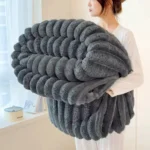 Teddy Bear Blanket
 Sheets
 SuperCool+ Starter Sheet Set
 SuperCool+ Flat Sheet
 SuperCool+ Fitted Sheet
 Pillowcases
 SuperCool+ Pillowcases
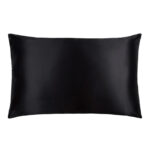 Cooling Silk Pillowcase
 Mattress Protectors
 Quilted Mattress Protector
 Waterproof Mattress Protector
 Floor Mats

What Is the Best Weighted Blanket?

A Brief History of Weighted Blankets
Weighted blankets have existed in therapeutic settings since the 1990s. Occupational therapists first used them to calm children with sensory processing disorders. The concept draws from deep pressure stimulation (DPS), a technique that applies firm, distributed pressure to the body to trigger a calming response.
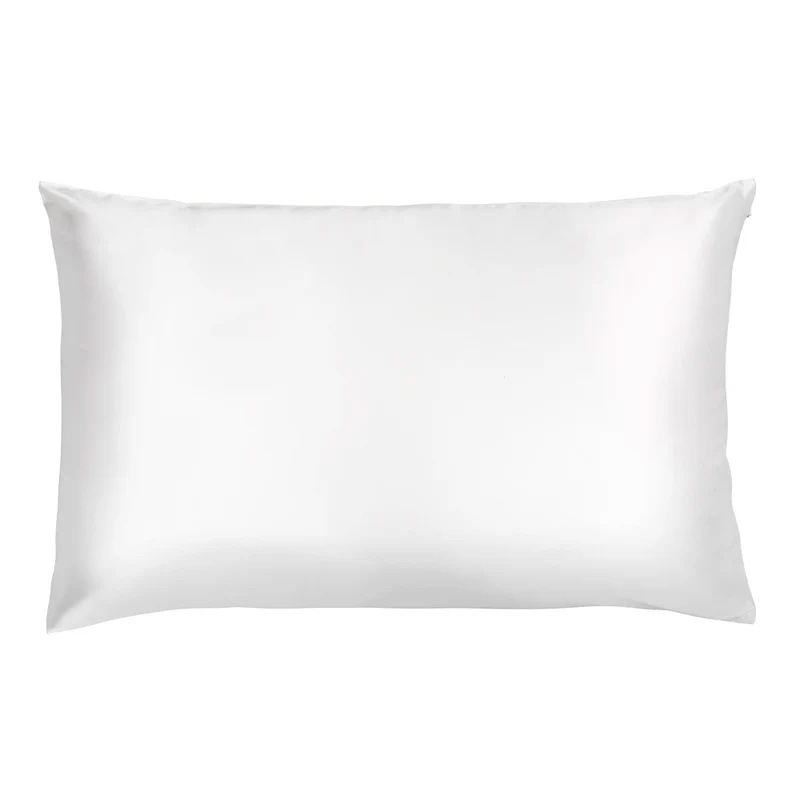
Your pillow shouldn’t steal your glow while you sleep. The lululinens LUXY LU 100% Mulberry Silk Pillowcase reduces friction, minimizes sleep creases, and keeps hair frizz-free. Pure mulberry silk offers temperature-regulating softness that’s hypoallergenic and gentle. Wake up looking as rested as you feel.
Jean Ayres, an occupational therapist and neuroscientist, developed the foundational theory behind DPS in the 1970s. Her work showed that consistent, gentle pressure could reduce anxiety and improve focus in individuals with sensory sensitivities. Weighted blankets became a practical tool to deliver this effect during rest.
By the 2010s, weighted blankets moved into the consumer market. Brands began manufacturing them for general sleep improvement and anxiety relief. Research followed. A 2020 study published in the Journal of Clinical Sleep Medicine found that weighted blankets reduced insomnia severity and improved daytime symptoms in adults with depression, bipolar disorder, or anxiety.
Today, weighted blankets are a mainstream sleep product. The global market for them exceeded $400 million in 2023 and continues to grow.
How Weighted Blankets Work
Weighted blankets apply deep pressure stimulation across the body. This pressure signals the nervous system to shift from a sympathetic state (fight or flight) to a parasympathetic state (rest and digest).
The pressure activates sensory receptors in the skin. These receptors send signals to the brain that increase serotonin and melatonin production while lowering cortisol levels. The result is a calmer, more relaxed state that supports sleep onset and maintenance.
This mechanism explains why weighted blankets benefit people with:
- Anxiety disorders — reduced cortisol helps manage stress responses
- Insomnia — increased melatonin supports sleep onset
- ADHD — sensory input helps regulate attention and focus
- Autism spectrum disorder — DPS reduces sensory overwhelm
- Restless legs syndrome — consistent pressure can minimize the urge to move
Key Technical Specifications to Evaluate
Weight
The most cited guideline is 10% of the user’s body weight. A 150 lb (68 kg) person would use a 15 lb (6.8 kg) blanket. This range works for most adults.
Some manufacturers suggest a range of 8–12% of body weight. Personal comfort plays a role. Some users prefer lighter blankets for anxiety management and heavier ones for deeper sleep.
Children should only use weighted blankets under medical guidance. The standard recommendation for children is 10% of body weight plus 1 lb, and the blanket should never exceed 10% for young or small children.
Fill Material
The fill determines the weight distribution, texture, and washability of the blanket.
| Fill Type | Weight Distribution | Durability | Machine Washable | Noise Level |
|---|---|---|---|---|
| Glass beads | Excellent | High | Usually yes | Silent |
| Plastic poly pellets | Good | High | Usually yes | Slight rustle |
| Steel shot beads | Excellent | Very high | Usually yes | Silent |
| Sand | Fair | Medium | No | Silent |
| Grain or rice | Poor | Low | No | Silent |
Glass beads are the current standard in premium blankets. They are small, dense, and distribute weight evenly. They are also silent and do not clump after washing.
Plastic poly pellets are common in budget blankets. They are safe and durable but produce slight noise during movement and are less dense than glass, making the blanket bulkier for the same weight.
Construction
Pocket size determines how evenly weight distributes. Smaller pockets (3 x 3 inches or less) spread weight more uniformly. Larger pockets allow beads to shift, creating uneven pressure.
Quilting pattern affects durability. Double-stitched edges prevent bead leakage. Look for reinforced seams, especially in machine-washable models.
Fabric shell options include:
- Cotton — breathable, durable, suitable for all seasons
- Minky (microfiber) — soft and warm, better for cold climates
- Bamboo — moisture-wicking, cooling, good for hot sleepers
- Fleece — very warm, not ideal for those who sleep hot
Size
Weighted blankets should cover the body without hanging significantly over the edge of the mattress. Excess drape causes the blanket to pull and reduces effective pressure.
Standard sizes:
- 48 x 72 inches — fits single users on a twin or full bed
- 60 x 80 inches — fits single users on a queen or king bed
- Throw size (40 x 60 inches) — for use on a couch or lap
Couples should use separate weighted blankets rather than one shared blanket. Sharing dilutes the weight and reduces effectiveness for both users.
What to Look for When Buying
Certifications and Safety Standards
Look for blankets with OEKO-TEX Standard 100 certification. This confirms all materials are free from harmful chemicals. It applies to both the fill and the fabric shell.
For children’s blankets, look for ASTM safety compliance and manufacturer guidance on minimum age and weight requirements.
Cooling vs. Warming Blankets
Weighted blankets trap more heat than standard blankets due to their density. Hot sleepers should prioritize:
- Bamboo or cotton shells over fleece or minky
- Glass bead fills, which do not retain heat as much as synthetic fills
- Blankets with cooling covers sold separately or included
Cold sleepers or those in colder climates will find minky or fleece shells more comfortable.
Washing Instructions
Not all weighted blankets are machine washable. Glass and steel bead blankets usually are. Sand or grain-filled blankets are not.
For machine-washable models, check the maximum load weight for your washing machine. Most home washers handle up to 15–20 lbs. A 20 lb blanket may require a commercial washer.
Always use cold water and a gentle cycle to preserve stitching and prevent bead leakage. Tumble dry on low or air dry flat.
Top Features Compared Across Price Tiers
| Feature | Budget (Under $60) | Mid-Range ($60–$150) | Premium ($150+) |
|---|---|---|---|
| Fill material | Poly pellets | Glass beads | Glass or steel beads |
| Pocket size | 4–5 inches | 3–4 inches | 2–3 inches |
| Fabric shell | Polyester | Cotton or bamboo | Organic cotton, bamboo, or cooling fabric |
| Washability | Varies | Usually machine washable | Machine washable |
| Certifications | Rare | OEKO-TEX common | OEKO-TEX and ASTM standard |
| Cover included | Rarely | Sometimes | Usually |
| Durability | 2–3 years | 4–6 years | 6–10+ years |
Budget options are functional but often lack durability and even weight distribution. Mid-range options offer the best balance of quality and cost for most buyers. Premium options use higher-quality materials, better construction, and often come with removable, washable covers.
Your pillow shouldn’t steal your glow while you sleep. The lululinens LUXY LU 100% Mulberry Silk Pillowcase reduces friction, minimizes sleep creases, and keeps hair frizz-free. Pure mulberry silk offers temperature-regulating softness that’s hypoallergenic and gentle. Wake up looking as rested as you feel.
Lulu Linens Weighted Blankets
Lulu Linens produces weighted blankets built for consistent deep pressure and long-term use. Their blankets use fine glass microbeads distributed across small, tightly sewn pockets. This construction prevents bead shifting and maintains even pressure across the body.
Their shells use breathable cotton and bamboo blends, which suits both warm and cool sleepers. The stitching is double-reinforced at all seams, which extends the lifespan of the blanket and prevents fill leakage during washing.
Lulu Linens offers their blankets in multiple weights (10, 15, 20, and 25 lbs) to match a wide range of body weights. Removable covers are available in cotton and cooling fabric options.
Maintenance Guide
Proper care extends the life of a weighted blanket and preserves its therapeutic function.
Washing:
- Check the care label before washing.
- Use a front-loading washer if possible — top-loaders with agitators can stress seams.
- Wash in cold water on a gentle cycle.
- Use mild detergent without bleach or fabric softeners.
- Rinse thoroughly to remove all detergent.
Drying:
- Tumble dry on low heat with dryer balls to prevent clumping.
- Remove the blanket every 20–30 minutes to shake it out and redistribute the fill.
- Alternatively, air dry flat on a clean surface.
- Ensure the blanket is completely dry before use — trapped moisture causes mildew.
Storage:
Store flat or folded in a breathable fabric bag. Avoid compressing the blanket in a tight space for extended periods, as this can shift the fill permanently.
Spot cleaning:
For small stains, spot clean with a damp cloth and mild soap. Blot rather than scrub to avoid damaging the shell fabric or stitching.
Who Should Avoid Weighted Blankets
Weighted blankets are safe for most healthy adults. However, some individuals should consult a physician before use:
- People with claustrophobia — the pressure can feel confining
- People with respiratory conditions such as asthma or COPD — added weight on the chest may feel restrictive
- People with circulatory disorders — increased pressure may affect blood flow
- People recovering from surgery — pressure on healing tissue is inadvisable
- Children under 2 years old — risk of suffocation
Summary: How to Choose the Best Weighted Blanket
Follow these steps to find the right weighted blanket for your needs:
- Calculate your target weight. Multiply your body weight by 0.10. Choose the closest available weight option.
- Choose your fill. Glass microbeads are the best option for even weight distribution and durability.
- Select your fabric. Cotton or bamboo for warm sleepers. Minky or fleece for cold sleepers.
- Check pocket size. Smaller pockets (under 3 inches) deliver more consistent pressure.
- Confirm washability. Ensure the blanket fits in your home washer or that a laundromat option is nearby.
- Look for certifications. OEKO-TEX Standard 100 confirms material safety.
- Size it correctly. Match blanket size to your bed and body, not your mattress size.
- Set a realistic budget. Mid-range blankets ($60–$150) offer the best value for most users.
A high-quality weighted blanket is a long-term investment in better sleep and reduced anxiety. The right choice depends on your body weight, sleep temperature, and how you plan to care for the blanket. Use the criteria above to narrow your options and select a blanket that delivers consistent, effective deep pressure every night.
Your pillow shouldn’t steal your glow while you sleep. The lululinens LUXY LU 100% Mulberry Silk Pillowcase reduces friction, minimizes sleep creases, and keeps hair frizz-free. Pure mulberry silk offers temperature-regulating softness that’s hypoallergenic and gentle. Wake up looking as rested as you feel.