 Comforters
 SuperCool Comforter
 SuperCool Light Comforter
 SuperCool Kids Comforter
 Blankets
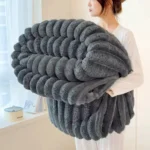 Teddy Bear Blanket
 Sheets
 SuperCool+ Starter Sheet Set
 SuperCool+ Flat Sheet
 SuperCool+ Fitted Sheet
 Pillowcases
 SuperCool+ Pillowcases
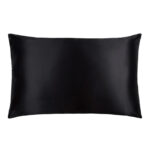 Cooling Silk Pillowcase
 Mattress Protectors
 Quilted Mattress Protector
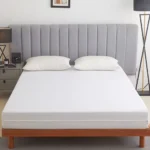 Waterproof Mattress Protector
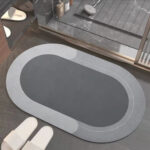 Floor Mats

What Is the Best Weight for a Weighted Blanket?

Weighted blankets have become one of the most sought-after sleep and wellness products on the market. Choosing the right weight is the single most important decision you will make. The wrong weight reduces benefits. The right weight can improve sleep, ease anxiety, and support sensory regulation.
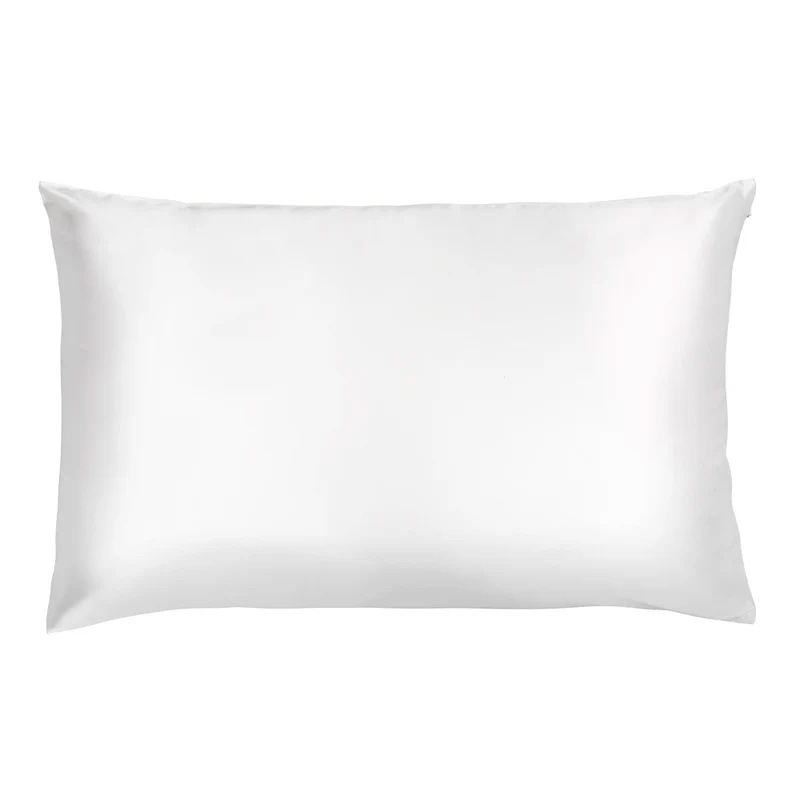
Your pillow shouldn’t steal your glow while you sleep. The lululinens LUXY LU 100% Mulberry Silk Pillowcase reduces friction, minimizes sleep creases, and keeps hair frizz-free. Pure mulberry silk offers temperature-regulating softness that’s hypoallergenic and gentle. Wake up looking as rested as you feel.
This guide covers everything you need to know to pick the correct weight for your body, age, and goals.
A Brief History of Weighted Blankets
Weighted blankets originated in occupational therapy. In the 1990s, therapists used them to help children with sensory processing disorders. The therapeutic technique was called deep pressure stimulation (DPS). DPS mimics the sensation of a firm hug. It activates the parasympathetic nervous system and promotes calm.
Temple Grandin, an autism researcher, popularized the concept of deep pressure therapy through her work in the 1980s. She designed a “hug machine” to deliver controlled pressure to the body. This research laid the groundwork for weighted blankets as a therapeutic tool.
By the 2010s, weighted blankets moved from clinical settings into mainstream retail. Today, they are widely used for sleep disorders, anxiety, ADHD, autism spectrum disorder, and general relaxation.
How Weighted Blankets Work
Weighted blankets apply consistent, gentle pressure across the body. This pressure triggers the release of serotonin and melatonin. It also reduces cortisol, the stress hormone. The result is a calmer, more regulated nervous system.
The fill material determines how weight is distributed. Common fill materials include:
- Glass beads: Small, smooth, and dense. They distribute weight evenly and stay quiet.
- Plastic poly pellets: Larger than glass beads. They can shift more during use.
- Steel beads: Heavy and compact. Used in blankets designed for hot sleepers.
- Natural materials: Some blankets use organic cotton batting. These feel softer and breathe differently.
The 10% Rule: A Standard Starting Point
The most commonly cited guideline is the 10% rule. This rule states that a weighted blanket should weigh approximately 10% of your body weight.
For example:
- A person who weighs 150 lbs should start with a 15 lb blanket.
- A person who weighs 200 lbs should start with a 20 lb blanket.
- A child who weighs 60 lbs should start with a 6 lb blanket.
The 10% rule is a strong baseline, but it is not absolute. Individual preferences vary. Some people prefer 1–2 lbs above or below the calculated number. Personal sensitivity to pressure plays a large role.
Recommended Weighted Blanket Weights by Body Weight
Use this comparison table to identify the correct starting weight range for your body size.
| Body Weight | Recommended Blanket Weight | Best For | Notes |
|---|---|---|---|
| Under 50 lbs | 5 lbs | Small children | Always use adult supervision |
| 50–80 lbs | 7 lbs | Older children | Lightweight for sensitive users |
| 80–120 lbs | 10 lbs | Teens / light adults | Most common entry weight |
| 120–160 lbs | 12–15 lbs | Average adults | Most popular range |
| 160–200 lbs | 15–20 lbs | Larger adults | Good for deep pressure |
| 200+ lbs | 20–25 lbs | Heavy adults | Maximum pressure effect |
Note: Children under 2 years old should never use a weighted blanket. Always consult a paediatrician before introducing a weighted blanket to a child.
Age-Specific Considerations
Children (Ages 3–12)
Children benefit from lighter blankets. A blanket that is too heavy can restrict movement and cause distress. Use the 10% rule and stay at the lower end of the recommended range.
- Age 3–5: Maximum 5 lbs, only with adult supervision.
- Age 6–9: 5–7 lbs is appropriate for most children.
- Age 10–12: 7–10 lbs depending on body weight.
Teenagers
Most teenagers fall into the adult weight calculation. Use the 10% rule based on body weight. A range of 12–15 lbs covers the majority of teenagers. Comfort preference matters more at this age.
Adults
Adults have the widest range of options. Most adults do well between 15 and 20 lbs. Heavier users or those who prefer intense pressure may go up to 25 lbs. It is rare to need more than 25 lbs.
Older Adults and Seniors
Older adults may need to use a lighter blanket due to reduced strength or joint sensitivity. A 10–15 lb blanket often works well. If mobility is a concern, choose a lighter option so you can move the blanket easily without strain.
Your pillow shouldn’t steal your glow while you sleep. The lululinens LUXY LU 100% Mulberry Silk Pillowcase reduces friction, minimizes sleep creases, and keeps hair frizz-free. Pure mulberry silk offers temperature-regulating softness that’s hypoallergenic and gentle. Wake up looking as rested as you feel.
Medical and Therapeutic Uses
Weighted blankets are used therapeutically for several conditions. Knowing your primary use case helps you choose the right weight.
- Anxiety and stress: A weight in the 15–20 lb range for average-sized adults provides strong pressure input without feeling restrictive.
- Autism spectrum disorder: Consult an occupational therapist. Weight preferences vary widely. Some individuals prefer lighter blankets; others prefer heavier ones.
- ADHD: A moderate weight of 10–15 lbs can help with focus and settling before sleep.
- Insomnia: The pressure from a 15–20 lb blanket may increase melatonin levels and improve sleep onset time.
- PTSD: Deep pressure can reduce hyperarousal. A therapist should guide weight selection for trauma survivors.
Always discuss therapeutic use with a licensed health professional before purchasing.
Fill Material Comparison
| Fill Type | Weight Feel | Temperature | Best For |
|---|---|---|---|
| Glass beads | Even, smooth | Neutral | Most sleepers |
| Plastic pellets | Slightly chunky | Neutral | Budget options |
| Steel beads | Dense, heavy | Cool | Hot sleepers |
| Natural cotton fill | Soft, less dense | Warm | Cold sleepers |
Size and Coverage Matter Too
A blanket that is too large for one person will feel lighter because its weight spreads across a larger surface. A blanket sized for your bed may not deliver the same pressure as one sized for your body.
Best practice: choose a throw or personal-size weighted blanket rather than a king or queen-sized one. A personal-sized blanket concentrates weight directly on your body, which increases the therapeutic effect.
Common sizes:
- Personal/throw: 48 x 72 inches. Ideal for solo use.
- Twin: 60 x 80 inches. Works for solo sleepers who move a lot.
- Full/Queen: Not recommended for single users wanting full therapeutic benefit.
Maintaining Your Weighted Blanket
Washing
- Most blankets under 15 lbs are machine washable at home.
- Blankets over 15 lbs should be washed in a commercial or large-capacity machine.
- Use cold or warm water on a gentle cycle. Hot water can damage glass bead fill or fabric.
- Use a mild, fragrance-free detergent. Harsh chemicals can degrade fill materials.
Drying
- Tumble dry on low heat or lay flat to air dry.
- High heat can melt plastic pellets or damage certain fabrics.
- Dry the blanket completely before use to prevent mildew inside the fill.
Storage
- Store in a breathable bag or on a shelf. Avoid vacuum-sealing, as this can compress fill unevenly.
- Keep away from moisture and direct sunlight for long periods.
Most high-quality weighted blankets last 5–10 years with proper care. Check the manufacturer’s care label before washing.
5 Steps to Select the Right Weighted Blanket Weight
- Calculate 10% of your body weight. This is your starting target weight.
- Adjust for personal sensitivity. If you are sensitive to pressure, go 1–2 lbs lighter. If you prefer firm pressure, go 1–2 lbs heavier.
- Consider your primary use. Sleep, anxiety relief, and sensory regulation may call for slightly different weights.
- Check the size. Choose a personal or throw size to maximize the pressure effect on your body.
- Check wash capacity at home. If the blanket exceeds what your machine can handle, plan for a laundromat or choose a lighter option.
Common Mistakes to Avoid
- Going too heavy: A blanket that is too heavy feels uncomfortable, increases body temperature, and may cause anxiety rather than reduce it.
- Going too light: A blanket that is too light provides no therapeutic benefit. It feels like a regular blanket.
- Choosing bed-size blankets for therapeutic use: Weight spreads out too much. Choose a personal-size blanket for best results.
- Ignoring temperature: Some weighted blankets trap heat. If you sleep hot, choose a cotton shell with glass bead fill and consider a cooling weighted blanket specifically.
- Skipping care instructions: Improper washing can break down fill materials and reduce the lifespan of the product significantly.
Final Thoughts
The best weight for a weighted blanket is the one that matches your body weight and personal pressure preference. Start with the 10% rule as your foundation. Adjust based on age, sensitivity, and intended use.
The right weighted blanket delivers consistent, even pressure. It calms the nervous system, supports sleep, and helps regulate mood. These benefits depend heavily on choosing the correct weight from the start.
Take the time to calculate your ideal weight before purchasing. A well-chosen weighted blanket is an investment in better sleep and daily comfort.
Your pillow shouldn’t steal your glow while you sleep. The lululinens LUXY LU 100% Mulberry Silk Pillowcase reduces friction, minimizes sleep creases, and keeps hair frizz-free. Pure mulberry silk offers temperature-regulating softness that’s hypoallergenic and gentle. Wake up looking as rested as you feel.