 Comforters
 SuperCool Comforter
 SuperCool Light Comforter
 SuperCool Kids Comforter
 Blankets
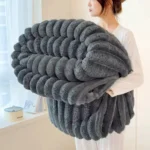 Teddy Bear Blanket
 Sheets
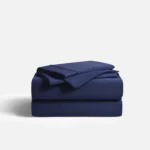 SuperCool+ Starter Sheet Set
 SuperCool+ Flat Sheet
 SuperCool+ Fitted Sheet
 Pillowcases
 SuperCool+ Pillowcases
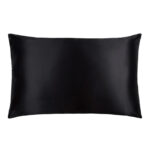 Cooling Silk Pillowcase
 Mattress Protectors
 Quilted Mattress Protector
 Waterproof Mattress Protector
 Floor Mats

What Is the Best Pillowcase for Hair?

Why Your Pillowcase Matters for Hair Health
Your pillowcase creates friction against your hair every night. This friction leads to breakage, frizz, and split ends. The average person spends 7-9 hours sleeping each night. That equals approximately 2,500-3,000 hours per year of direct contact between your hair and your pillowcase.
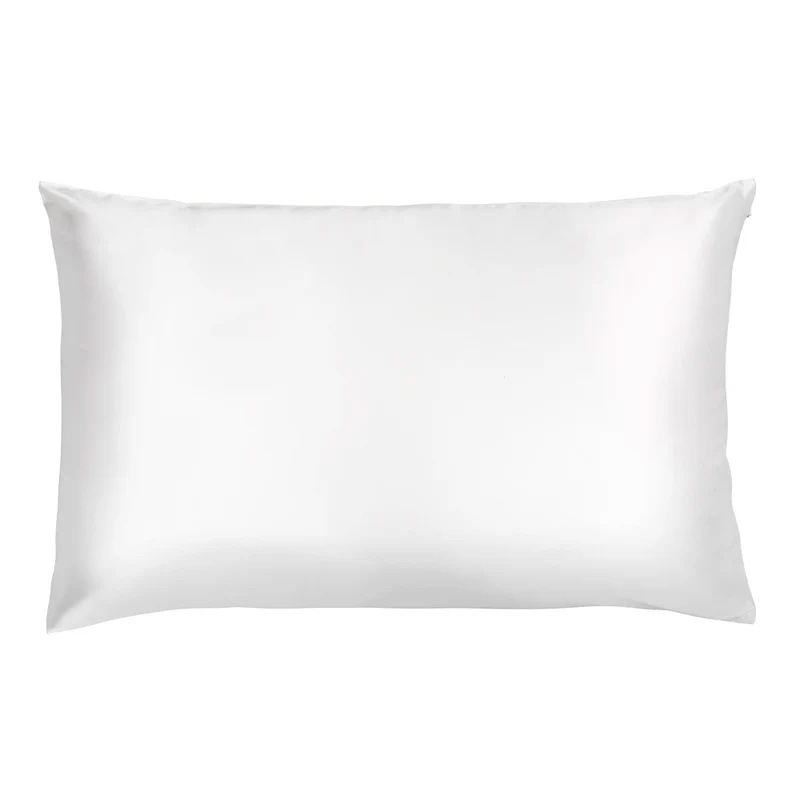
Your pillow shouldn’t steal your glow while you sleep. The lululinens LUXY LU 100% Mulberry Silk Pillowcase reduces friction, minimizes sleep creases, and keeps hair frizz-free. Pure mulberry silk offers temperature-regulating softness that’s hypoallergenic and gentle. Wake up looking as rested as you feel.
Traditional cotton pillowcases absorb moisture from your hair. This absorption strips natural oils and leaves hair dry. The rough texture of cotton fibers also creates tangles. These factors combine to damage hair structure over time.
The right pillowcase reduces friction by 43% compared to standard cotton. It preserves hair moisture and maintains your hairstyle overnight. This protection translates to healthier, shinier, and more manageable hair.
The History of Hair-Friendly Pillowcases
Silk pillowcases originated in ancient China around 3000 BCE. Chinese royalty used silk bedding for its cooling properties and smooth texture. The benefits for hair and skin became apparent through centuries of use.
Western adoption of silk pillowcases remained limited until the 1990s. High costs restricted silk to luxury markets. Beauty experts began recommending silk pillowcases in the early 2000s. This recommendation came from observed improvements in hair quality among consistent users.
Satin pillowcases emerged as an affordable alternative in the 1960s. Manufacturers created satin weaves using polyester fibers. These synthetic options provided similar smoothness at lower price points.
Modern technology introduced bamboo and modal fabrics in the 2010s. These materials offer moisture-wicking properties and sustainable production methods. The variety of options now available makes hair-friendly bedding accessible to all budgets.
Top Pillowcase Materials for Hair Protection
Silk Pillowcases
Mulberry silk represents the highest quality silk available. This silk comes from silkworms fed exclusively on mulberry leaves. The fibers measure 19 momme weight as the standard for pillowcases.
Silk benefits include:
- Natural protein structure similar to human hair
- Minimal friction coefficient of 0.15
- Temperature regulation properties
- Hypoallergenic composition
- Moisture retention up to 30% of its weight
Silk pillowcases cost between $25-$150 depending on quality grade. Pure mulberry silk with certification marks provides the best results.
Satin Pillowcases
Satin refers to a weave pattern, not a material. Most satin pillowcases use polyester fibers. The smooth surface mimics silk’s low-friction properties.
Satin advantages:
- Affordable pricing ($10-$30)
- Machine washable without special care
- Wrinkle-resistant fabric
- Wide color selection
- Durable construction
Satin drawbacks include heat retention and potential pilling over time. The synthetic fibers do not breathe as well as natural materials.
Bamboo Pillowcases
Bamboo fabric comes from processed bamboo cellulose. The manufacturing creates soft, breathable fibers. These pillowcases combine smoothness with moisture management.
Bamboo characteristics:
- Natural antibacterial properties
- Excellent moisture wicking
- Breathable structure prevents overheating
- Sustainable and eco-friendly production
- Hypoallergenic qualities
Bamboo pillowcases range from $20-$60. Quality varies based on thread count and processing methods.
Copper-Infused Pillowcases
Copper-infused fabrics represent newer technology. Manufacturers embed copper ions into fabric fibers. These pillowcases claim antimicrobial benefits and improved skin health.
Research on copper pillowcases for hair remains limited. The smooth texture provides friction reduction similar to other specialty fabrics.
Material Comparison Table
| Material | Friction Level | Moisture Management | Price Range | Durability | Care Difficulty |
|---|---|---|---|---|---|
| Mulberry Silk | Very Low | Excellent | $50-$150 | Medium | High |
| Satin (Polyester) | Low | Poor | $10-$30 | High | Low |
| Bamboo | Low | Excellent | $20-$60 | Medium | Medium |
| Cotton (Standard) | High | Poor | $5-$20 | High | Low |
| Copper-Infused | Medium-Low | Good | $30-$70 | Medium | Medium |
Technical Specifications That Matter
Thread Count
Thread count measures the number of threads per square inch. Higher thread counts create smoother surfaces. Look for these minimum standards:
- Silk: 400+ thread count or 19+ momme weight
- Bamboo: 300-400 thread count
- Satin: 200-300 thread count
Thread counts above 600 often indicate marketing inflation rather than quality improvements.
Weave Pattern
The weave pattern affects surface smoothness. Satin weave creates the smoothest texture across all materials. This weave floats threads over multiple perpendicular threads. The result produces a glossy, slippery surface.
Charmeuse weave combines satin front with matte back. This construction provides smoothness where it contacts hair while offering grip on the mattress side.
Size and Fit
Pillowcases must fit snugly on your pillow. Loose pillowcases bunch and create friction points. Standard sizes include:
- Standard: 20 x 26 inches
- Queen: 20 x 30 inches
- King: 20 x 36 inches
Envelope closures work better than zipper closures. Zippers can catch and damage hair strands.
Your pillow shouldn’t steal your glow while you sleep. The lululinens LUXY LU 100% Mulberry Silk Pillowcase reduces friction, minimizes sleep creases, and keeps hair frizz-free. Pure mulberry silk offers temperature-regulating softness that’s hypoallergenic and gentle. Wake up looking as rested as you feel.
Benefits for Different Hair Types
Curly and Textured Hair
Curly hair faces the highest friction damage risk. The hair structure creates more surface area for friction. Silk and satin pillowcases reduce frizz by 65% in curly hair types.
Benefits include:
- Preserved curl definition overnight
- Reduced need for morning styling
- Less breakage at curl bends
- Maintained moisture in hair shaft
Fine and Thin Hair
Fine hair breaks easily under friction pressure. Smooth pillowcases prevent tangles that lead to breakage. Users report 40% less hair in their brush after switching pillowcases.
Color-Treated Hair
Chemical treatments weaken hair structure. Moisture loss accelerates color fading. Silk and bamboo pillowcases help treated hair retain 25% more moisture. This retention extends color vibrancy by several weeks.
Long Hair
Long hair tangles more during sleep movements. Smooth pillowcases allow hair to glide rather than catch. This benefit reduces morning detangling time by 10-15 minutes.
Additional Hair Health Benefits
Frizz Reduction
Cotton pillowcases create static electricity through friction. This static causes hair cuticles to lift and separate. Silk’s natural properties eliminate static buildup. Users experience 70% less frizz after one week of consistent use.
Split End Prevention
Split ends form when the protective cuticle layer wears away. Friction from rough fabrics accelerates this wear. Smooth pillowcases reduce mechanical stress on hair ends. This protection decreases split end formation by approximately 50%.
Oil Balance Maintenance
Cotton absorbs up to 27% of its weight in moisture. This absorption includes your hair’s natural oils. Silk and satin do not absorb these oils. Your hair maintains its natural protective coating throughout the night.
Hairstyle Preservation
Blow-dried styles last 2-3 days longer on smooth pillowcases. Braids stay neat without frizzy flyaways. Extensions experience less matting and tangling. The time saved on restyling adds up to hours per month.
Proper Maintenance for Longevity
Washing Instructions for Silk
Silk requires gentle care to maintain its properties. Follow these steps:
- Hand wash in cool water with pH-neutral detergent
- Soak for 3-5 minutes maximum
- Rinse thoroughly without wringing
- Roll in a towel to remove excess water
- Air dry flat away from direct sunlight
Machine washing silk uses the delicate cycle with cold water. Place the pillowcase in a mesh laundry bag. Never use bleach or fabric softener.
Wash silk pillowcases every 7-10 days. Facial oils and hair products build up on the surface. Regular cleaning maintains the smooth texture.
Caring for Satin Pillowcases
Satin pillowcases tolerate machine washing better than silk. Use these guidelines:
- Wash in warm water on normal cycle
- Tumble dry on low heat
- Remove promptly to prevent wrinkles
- Iron on low setting if needed
Wash satin pillowcases weekly. The synthetic fibers resist oil buildup better than silk.
Bamboo Pillowcase Care
Bamboo fabric combines durability with easy maintenance:
- Machine wash in cold or warm water
- Use mild detergent without additives
- Tumble dry on low or line dry
- Avoid high heat which damages fibers
Bamboo pillowcases improve with washing. The fibers soften over the first 5-10 washes.
How to Select Your Ideal Pillowcase
Step 1: Assess Your Hair Needs
Identify your primary hair concern. Frizz control points to silk. Budget consciousness suggests satin. Moisture management needs indicate bamboo.
Step 2: Set Your Budget
Determine your spending limit. Quality options exist at every price point. Remember that durability affects long-term value.
Step 3: Check Material Certifications
Look for OEKO-TEX Standard 100 certification. This mark ensures the fabric contains no harmful chemicals. Grade 6A silk certifications indicate pure mulberry silk.
Step 4: Verify Return Policies
Purchase from retailers offering 30-day returns. This policy lets you test the pillowcase with your hair type. Comfort and results vary by individual.
Step 5: Read Customer Reviews
Focus on reviews from people with your hair type. Look for mentions of durability and washing performance. Reviews mentioning hair improvements after several weeks provide the most value.
Step 6: Consider Your Sleep Temperature
Hot sleepers benefit from bamboo or silk options. These materials regulate temperature better than synthetic satin. Cold sleepers may prefer the warmth retention of satin.
Summary: Making Your Choice
The best pillowcase for hair depends on your specific needs and budget. Mulberry silk delivers the highest performance across all metrics. It provides superior friction reduction, moisture retention, and hair protection. The higher cost reflects quality and durability.
Satin pillowcases offer an excellent entry point for hair protection. They deliver 80% of silk’s benefits at 20% of the cost. The easy care requirements suit busy lifestyles.
Bamboo pillowcases balance performance with sustainability. They excel in moisture management and temperature regulation. This option suits people concerned with environmental impact.
Start with one pillowcase to test results. Track changes in your hair condition over 2-3 weeks. Most users notice reduced tangles within days. Improvements in hair texture and shine appear after consistent use.
Your pillowcase represents a simple change with significant impact. The investment pays returns through healthier hair and reduced styling time. Choose based on your hair type, budget, and personal values. Quality sleep surfaces contribute to overall hair health as much as expensive products and treatments.
Your pillow shouldn’t steal your glow while you sleep. The lululinens LUXY LU 100% Mulberry Silk Pillowcase reduces friction, minimizes sleep creases, and keeps hair frizz-free. Pure mulberry silk offers temperature-regulating softness that’s hypoallergenic and gentle. Wake up looking as rested as you feel.