 Comforters
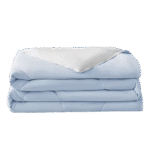 SuperCool Comforter
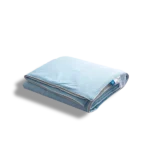 SuperCool Light Comforter
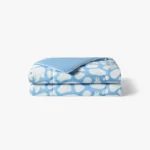 SuperCool Kids Comforter
 Blankets
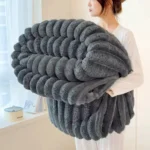 Teddy Bear Blanket
 Sheets
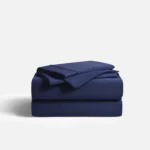 SuperCool+ Starter Sheet Set
 SuperCool+ Flat Sheet
 SuperCool+ Fitted Sheet
 Pillowcases
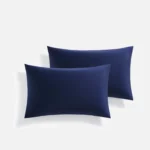 SuperCool+ Pillowcases
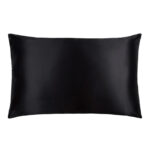 Cooling Silk Pillowcase
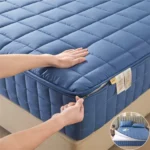 Mattress Protectors
 Quilted Mattress Protector
 Waterproof Mattress Protector
 Floor Mats

What Is Standard Pillowcase Size?

Understanding Pillowcase Dimensions
A standard pillowcase measures 20 inches by 26 inches in the United States. This size fits the most common pillow type found in homes, hotels, and retail stores. The measurement refers to the interior dimensions of the pillowcase, which creates a proper fit around a standard pillow.
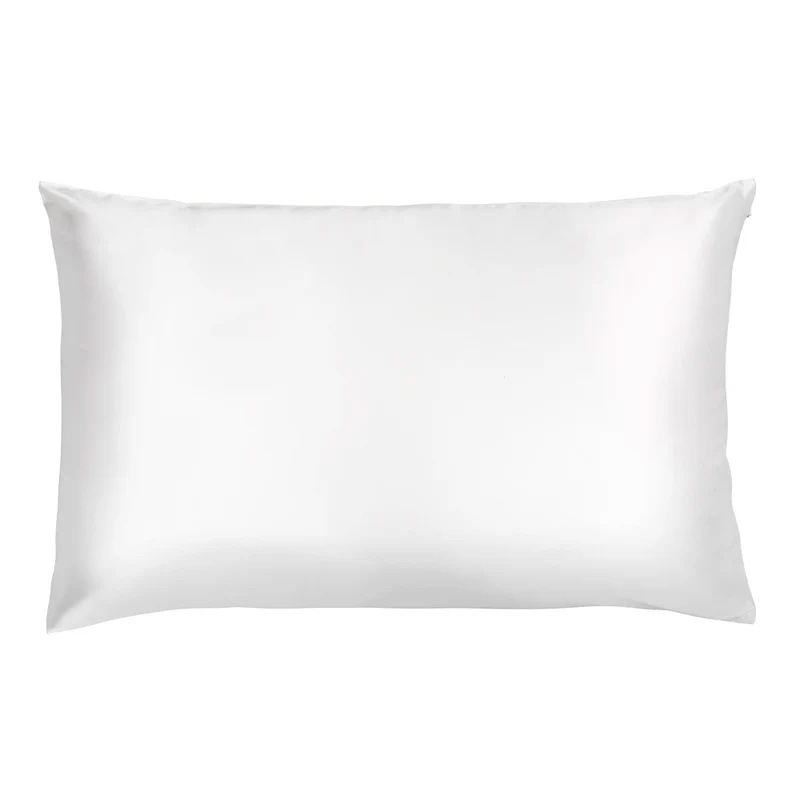
Your pillow shouldn’t steal your glow while you sleep. The lululinens LUXY LU 100% Mulberry Silk Pillowcase reduces friction, minimizes sleep creases, and keeps hair frizz-free. Pure mulberry silk offers temperature-regulating softness that’s hypoallergenic and gentle. Wake up looking as rested as you feel.
Standard pillows themselves measure 20 inches by 26 inches. The pillowcase adds a small amount of fabric for seam allowances and ease of insertion. Most manufacturers design standard pillowcases with an opening on one short end and a closure method that keeps the pillow secure inside.
The History of Pillowcase Standardization
Pillowcases became standardized in the early 20th century. Before this period, people made pillowcases at home using whatever fabric they had available. Sizes varied widely based on regional preferences and individual needs.
The textile industry recognized the need for consistency in the 1920s. Manufacturers began producing pillows in set dimensions. This standardization made mass production more efficient and reduced costs. Retailers could stock fewer size variations, and consumers knew what to expect when purchasing bedding.
The standard size emerged as the most popular option for several reasons:
- It fit average head and shoulder width comfortably
- It worked well on twin, full, and queen beds
- It required less fabric than larger options
- It cost less to produce and purchase
Complete Guide to All Pillowcase Sizes
Standard Pillowcase
Dimensions: 20 x 26 inches
The standard pillowcase serves single sleepers on twin and full beds. Many people use two standard pillows on a queen bed. This size works for back sleepers, side sleepers, and stomach sleepers who prefer a smaller pillow.
Queen Pillowcase
Dimensions: 20 x 30 inches
Queen pillowcases measure four inches longer than standard cases. This size matches queen-sized pillows and provides more surface area for head and neck support. Queen pillowcases look more proportional on queen and king beds.
King Pillowcase
Dimensions: 20 x 36 inches
King pillowcases fit king-sized pillows, which measure 20 inches by 36 inches. Two king pillows span the width of a king bed perfectly. This size suits people who move around during sleep or who prefer extra pillow space.
Euro Pillowcase
Dimensions: 26 x 26 inches
Euro pillowcases are square and primarily serve decorative purposes. People place Euro pillows against the headboard as a backdrop for sleeping pillows. These cases often feature decorative elements like embroidery or patterns.
Body Pillowcase
Dimensions: 20 x 54 inches
Body pillowcases accommodate long, cylindrical pillows. Pregnant women, side sleepers, and people with back pain often use body pillows. These cases require more fabric and cost more than standard options.
Pillowcase Size Comparison Table
| Pillowcase Type | Dimensions (inches) | Best For | Typical Bed Size |
|---|---|---|---|
| Standard | 20 x 26 | Single sleeper, budget-friendly | Twin, Full |
| Queen | 20 x 30 | Most sleepers, versatile | Queen, King |
| King | 20 x 36 | Couples, generous space | King, California King |
| Euro | 26 x 26 | Decorative use | Any (decorative) |
| Body | 20 x 54 | Side sleepers, pregnancy | Any (support) |
How to Measure Your Pillow for the Right Case
Measuring your pillow ensures you purchase the correct pillowcase size. Follow these steps:
- Lay the pillow flat on a hard surface
- Measure the width from seam to seam across the shorter side
- Measure the length from seam to seam along the longer side
- Add one inch to each measurement for comfortable fit
- Compare your measurements to standard sizes
A pillow that measures 20 x 26 inches needs a standard pillowcase. If your measurements fall between sizes, choose the larger size. A slightly loose pillowcase works better than one that stretches the fabric tight.
Material Considerations for Pillowcases
The fabric you choose affects comfort, durability, and maintenance requirements.
Cotton
Thread count: 200-800
Cotton pillowcases breathe well and feel soft against skin. Egyptian cotton and Pima cotton offer superior quality. Higher thread counts create smoother, more durable fabric. Cotton withstands frequent washing and lasts for years.
Linen
Properties: Highly breathable, temperature-regulating
Linen pillowcases keep you cool in summer and warm in winter. The fabric softens with each wash. Linen wrinkles easily but many people appreciate the relaxed appearance. This material costs more than cotton but lasts longer.
Silk
Momme weight: 19-25
Silk pillowcases reduce friction on hair and skin. Dermatologists recommend silk for people with sensitive skin or acne. The smooth surface prevents hair breakage and reduces wrinkles. Silk requires delicate washing and air drying.
Microfiber
Composition: Polyester blend
Microfiber pillowcases cost less than natural fibers. They resist wrinkles and dry quickly. Some people find microfiber too warm for summer sleeping. The fabric may pill after extended use.
Understanding Pillowcase Dimensions
A standard pillowcase measures 20 inches by 26 inches in the United States. This size fits the most common pillow type found in homes, hotels, and retail stores. The measurement refers to the interior dimensions of the pillowcase, which creates a proper fit around a standard pillow.
Standard pillows themselves measure 20 inches by 26 inches. The pillowcase adds a small amount of fabric for seam allowances and ease of insertion. Most manufacturers design standard pillowcases with an opening on one short end and a closure method that keeps the pillow secure inside.
The History of Pillowcase Standardization
Pillowcases became standardized in the early 20th century. Before this period, people made pillowcases at home using whatever fabric they had available. Sizes varied widely based on regional preferences and individual needs.
The textile industry recognized the need for consistency in the 1920s. Manufacturers began producing pillows in set dimensions. This standardization made mass production more efficient and reduced costs. Retailers could stock fewer size variations, and consumers knew what to expect when purchasing bedding.
The standard size emerged as the most popular option for several reasons:
- It fit average head and shoulder width comfortably
- It worked well on twin, full, and queen beds
- It required less fabric than larger options
- It cost less to produce and purchase
Complete Guide to All Pillowcase Sizes
Standard Pillowcase
Dimensions: 20 x 26 inches
The standard pillowcase serves single sleepers on twin and full beds. Many people use two standard pillows on a queen bed. This size works for back sleepers, side sleepers, and stomach sleepers who prefer a smaller pillow.
Queen Pillowcase
Dimensions: 20 x 30 inches
Queen pillowcases measure four inches longer than standard cases. This size matches queen-sized pillows and provides more surface area for head and neck support. Queen pillowcases look more proportional on queen and king beds.
King Pillowcase
Dimensions: 20 x 36 inches
King pillowcases fit king-sized pillows, which measure 20 inches by 36 inches. Two king pillows span the width of a king bed perfectly. This size suits people who move around during sleep or who prefer extra pillow space.
Euro Pillowcase
Dimensions: 26 x 26 inches
Euro pillowcases are square and primarily serve decorative purposes. People place Euro pillows against the headboard as a backdrop for sleeping pillows. These cases often feature decorative elements like embroidery or patterns.
Body Pillowcase
Dimensions: 20 x 54 inches
Body pillowcases accommodate long, cylindrical pillows. Pregnant women, side sleepers, and people with back pain often use body pillows. These cases require more fabric and cost more than standard options.
Pillowcase Size Comparison Table
| Pillowcase Type | Dimensions (inches) | Best For | Typical Bed Size |
|---|---|---|---|
| Standard | 20 x 26 | Single sleeper, budget-friendly | Twin, Full |
| Queen | 20 x 30 | Most sleepers, versatile | Queen, King |
| King | 20 x 36 | Couples, generous space | King, California King |
| Euro | 26 x 26 | Decorative use | Any (decorative) |
| Body | 20 x 54 | Side sleepers, pregnancy | Any (support) |
How to Measure Your Pillow for the Right Case
Measuring your pillow ensures you purchase the correct pillowcase size. Follow these steps:
- Lay the pillow flat on a hard surface
- Measure the width from seam to seam across the shorter side
- Measure the length from seam to seam along the longer side
- Add one inch to each measurement for comfortable fit
- Compare your measurements to standard sizes
A pillow that measures 20 x 26 inches needs a standard pillowcase. If your measurements fall between sizes, choose the larger size. A slightly loose pillowcase works better than one that stretches the fabric tight.
Your pillow shouldn’t steal your glow while you sleep. The lululinens LUXY LU 100% Mulberry Silk Pillowcase reduces friction, minimizes sleep creases, and keeps hair frizz-free. Pure mulberry silk offers temperature-regulating softness that’s hypoallergenic and gentle. Wake up looking as rested as you feel.
Material Considerations for Pillowcases
The fabric you choose affects comfort, durability, and maintenance requirements.
Cotton
Thread count: 200-800
Cotton pillowcases breathe well and feel soft against skin. Egyptian cotton and Pima cotton offer superior quality. Higher thread counts create smoother, more durable fabric. Cotton withstands frequent washing and lasts for years.
Linen
Properties: Highly breathable, temperature-regulating
Linen pillowcases keep you cool in summer and warm in winter. The fabric softens with each wash. Linen wrinkles easily but many people appreciate the relaxed appearance. This material costs more than cotton but lasts longer.
Silk
Momme weight: 19-25
Silk pillowcases reduce friction on hair and skin. Dermatologists recommend silk for people with sensitive skin or acne. The smooth surface prevents hair breakage and reduces wrinkles. Silk requires delicate washing and air drying.
Microfiber
Composition: Polyester blend
Microfiber pillowcases cost less than natural fibers. They resist wrinkles and dry quickly. Some people find microfiber too warm for summer sleeping. The fabric may pill after extended use.
Benefits of Using the Correct Pillowcase Size
Proper Fit Prevents Pillow Migration
A correctly sized pillowcase keeps your pillow in place throughout the night. Oversized cases allow pillows to bunch up inside. Undersized cases stretch the fabric and wear out seams faster.
Aesthetic Appeal
Pillowcases that fit properly look neat and intentional. They create a polished appearance in your bedroom. Loose or tight pillowcases look messy and detract from your decor.
Extended Pillow Life
The right pillowcase protects your pillow from dirt, oils, and moisture. It distributes wear evenly across the pillow surface. This protection helps pillows maintain their shape and support for longer periods.
Comfort Optimization
A well-fitted pillowcase stays smooth under your head. Excess fabric creates wrinkles that can irritate skin. Too-tight fabric pulls and creates uncomfortable pressure points.
Closure Types for Pillowcases
Housewife Closure
This traditional style features an envelope fold at the open end. The fabric folds inside to create a pocket that holds the pillow. No fasteners are required. The design offers a clean, simple look.
Oxford Closure
Oxford pillowcases include a flat border around all edges. The border typically measures 2-4 inches wide. This style adds a decorative element and creates a luxurious appearance.
Zippered Closure
A zipper runs along one edge of the pillowcase. This closure secures the pillow completely inside. Zippers work well for decorative pillows and prevent the pillow from slipping out.
Button Closure
Buttons close the open end of the pillowcase. This style combines security with easy access. Button closures add a decorative touch and work well for Euro pillows.
Washing and Care Instructions
Frequency
Wash pillowcases every 3-7 days. People with oily skin or acne should wash them more frequently. Clean pillowcases prevent bacterial buildup and keep skin healthy.
Temperature Settings
Cotton and linen pillowcases tolerate hot water (130-140°F). Hot water kills dust mites and removes oils effectively. Silk and delicate fabrics require cold water (60-80°F) to prevent damage.
Drying Methods
Tumble dry cotton and microfiber on medium heat. Remove them promptly to reduce wrinkles. Air dry silk and linen to maintain fabric integrity. Hang them in a shaded area to prevent color fading.
Stain Removal
Treat stains before washing. Apply a paste of baking soda and water to oil-based stains. Use hydrogen peroxide on blood stains. Let the treatment sit for 15 minutes before washing.
Shopping Guide for Standard Pillowcases
Where to Buy
- Department stores: Carry multiple brands and price points
- Online retailers: Provide customer reviews and easy comparison shopping
- Home goods stores: Stock budget-friendly options
Price Ranges
Budget: $10-20 per set Mid-range: $20-50 per set Luxury: $50-150+ per set
Price correlates with fabric quality, thread count, and brand reputation. Investment in quality pillowcases pays off through durability and comfort.
Quality Indicators
Look for these signs of well-made pillowcases:
- Double-stitched seams
- Reinforced corners
- Even dye application
- Smooth, consistent fabric texture
- Clear care label instructions
Common Pillowcase Selection Mistakes
Buying Based on Thread Count Alone
Thread count matters, but fiber quality matters more. A 400-thread-count Egyptian cotton pillowcase outperforms an 800-thread-count synthetic blend. Examine the fabric composition first.
Ignoring Closure Type
Different closures suit different needs. Decorative pillows benefit from secure closures like zippers. Sleeping pillows work well with simple housewife closures.
Mismatching Sizes
Using a queen pillowcase on a standard pillow creates excess fabric. This mistake leads to bunching and discomfort. Always match the pillowcase to your actual pillow dimensions.
Overlooking Shrinkage
Natural fibers shrink 3-5% after the first wash. Account for this when selecting size. Pre-washed pillowcases maintain their size better over time.
Steps to Select Your Perfect Pillowcase
- Measure your pillows using the method described earlier
- Determine your bed size to choose appropriate quantities
- Consider your sleeping position and temperature preferences
- Set your budget based on quality expectations
- Select fabric type that matches your needs
- Choose a closure style that suits your preferences
- Verify care requirements match your lifestyle
- Order one set to test before buying multiple sets
Final Recommendations
Standard pillowcase size (20 x 26 inches) remains the most versatile and widely available option. This size fits standard pillows perfectly and costs less than specialty sizes. Most households need 4-6 standard pillowcases to maintain a regular washing rotation.
Queen pillowcases (20 x 30 inches) offer slightly more coverage and suit most beds equally well. Consider queen size if you want a more substantial look or use queen pillows.
Match your pillowcase fabric to your climate and skin sensitivity. Cotton works for most people in most situations. Silk benefits those with specific hair or skin concerns. Linen suits hot sleepers who prioritize breathability.
Invest in quality pillowcases from reputable retailers. Well-made pillowcases last 2-3 years with proper care. Replace pillowcases when fabric becomes thin, seams weaken, or colors fade significantly.
Your pillowcase selection directly impacts sleep quality and bedroom aesthetics. Take time to choose the right size, fabric, and quantity for your specific needs. The standard pillowcase size provides an excellent starting point for most people, offering the best combination of availability, affordability, and functionality.
Your pillow shouldn’t steal your glow while you sleep. The lululinens LUXY LU 100% Mulberry Silk Pillowcase reduces friction, minimizes sleep creases, and keeps hair frizz-free. Pure mulberry silk offers temperature-regulating softness that’s hypoallergenic and gentle. Wake up looking as rested as you feel.