 Comforters
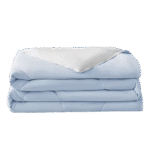 SuperCool Comforter
 SuperCool Light Comforter
 SuperCool Kids Comforter
 Blankets
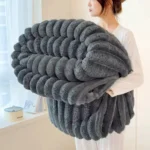 Teddy Bear Blanket
 Sheets
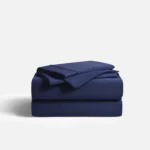 SuperCool+ Starter Sheet Set
 SuperCool+ Flat Sheet
 SuperCool+ Fitted Sheet
 Pillowcases
 SuperCool+ Pillowcases
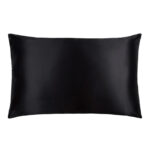 Cooling Silk Pillowcase
 Mattress Protectors
 Quilted Mattress Protector
 Waterproof Mattress Protector
 Floor Mats

What Is Better: Silk or Satin Pillowcases

Understanding the Core Difference Between Silk and Satin
Silk is a natural protein fiber. Silkworms produce it. The fiber comes from the cocoon of the Bombyx mori moth. Manufacturers harvest these cocoons and process them into fabric.
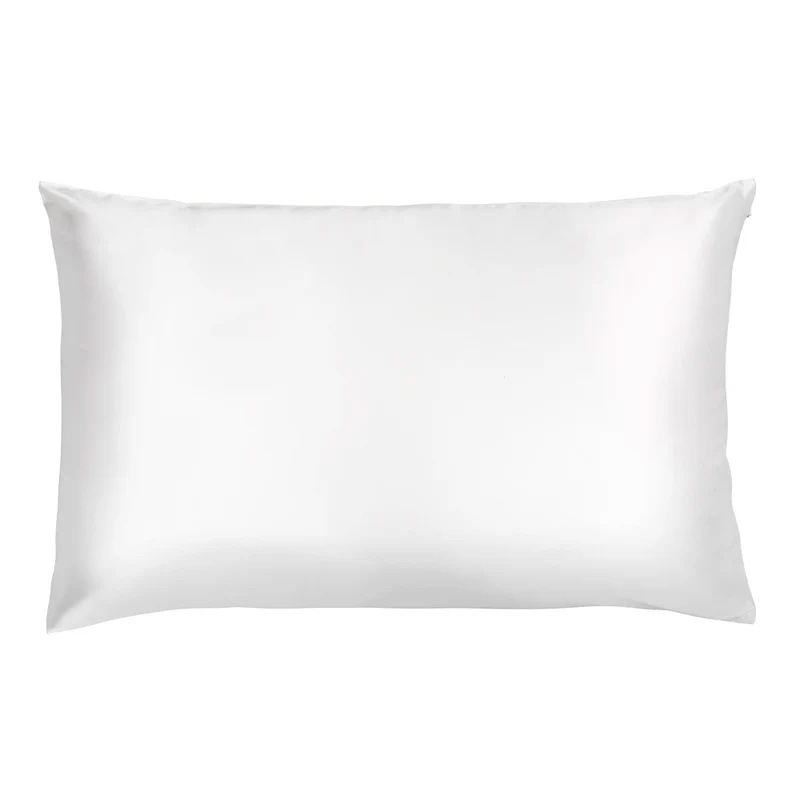
Your pillow shouldn’t steal your glow while you sleep. The lululinens LUXY LU 100% Mulberry Silk Pillowcase reduces friction, minimizes sleep creases, and keeps hair frizz-free. Pure mulberry silk offers temperature-regulating softness that’s hypoallergenic and gentle. Wake up looking as rested as you feel.
Satin is a weave pattern, not a fiber type. Manufacturers create satin using various materials. Common materials include polyester, nylon, rayon, or silk. The weave gives the fabric its smooth, glossy surface.
This distinction matters. You compare a natural material against a construction method.
The History of Silk Production
Ancient China developed silk production around 3000 BCE. Chinese emperors guarded the secret for centuries. The death penalty awaited anyone who revealed silk-making techniques.
The Silk Road emerged as a trade route. Merchants transported silk from China to Europe and the Middle East. The fabric became a symbol of wealth and status.
Europe learned silk production around 550 CE. Monks smuggled silkworm eggs out of China. Italy and France became major silk producers by the medieval period.
Today, China produces 60% of the world’s silk. India, Uzbekistan, and Brazil also manufacture significant quantities.
The Development of Satin Weaving
Medieval weavers in China created the satin weave. The technique reached Europe through trade routes. Italian weavers refined the method during the Renaissance.
The satin weave uses a four-over-one pattern. Four warp threads float over one weft thread. This creates the characteristic smooth surface and lustrous appearance.
Manufacturers originally made satin exclusively from silk. The Industrial Revolution changed this. Synthetic fibers became available. Polyester satin emerged as an affordable alternative in the 20th century.
Technical Specifications: Silk Pillowcases
Momme weight measures silk fabric density. Quality silk pillowcases range from 19 to 25 momme. Higher momme numbers indicate thicker, more durable fabric.
Silk contains 18 amino acids. These proteins benefit skin and hair. The material maintains 11-12% moisture content naturally.
Silk has a smooth protein structure. The surface friction coefficient measures 0.25. This low friction reduces hair breakage and skin creasing.
Temperature regulation properties make silk unique. The fabric keeps you cool in summer. It provides warmth in winter. This happens through natural air pocket insulation.
Mulberry silk represents the highest quality. Charmeuse silk refers to the weave type commonly used for pillowcases. This weave has a satin face and dull back.
Technical Specifications: Satin Pillowcases
Polyester satin dominates the market. Manufacturers use polyethylene terephthalate (PET) fibers. These synthetic fibers cost less than silk.
Thread count varies widely in satin. Quality satin pillowcases have 300-600 thread count. Higher thread counts feel softer.
The surface smoothness depends on the base material. Polyester satin has a friction coefficient of 0.35-0.45. This exceeds silk but remains lower than cotton.
Satin made from silk threads offers different properties than polyester satin. Silk satin provides the benefits of natural silk fiber. Polyester satin provides only the smooth weave surface.
Nylon satin and rayon satin exist as alternatives. Each material offers different durability and feel characteristics.
Benefits Comparison Table
| Feature | Silk Pillowcases | Satin Pillowcases |
|---|---|---|
| Material Source | Natural protein fiber | Synthetic or natural fibers |
| Moisture Retention | Naturally hydrating | Depends on base material |
| Hair Friction | Very low (0.25) | Low to moderate (0.35-0.45) |
| Temperature Control | Excellent regulation | Poor to moderate |
| Hypoallergenic | Yes, naturally resistant | Varies by material |
| Durability | High with care | Moderate to high |
| Price Range | $25-$100+ | $10-$40 |
| Sustainability | Biodegradable | Usually non-biodegradable |
Hair Health Benefits
Silk pillowcases reduce friction damage. Hair cuticles remain smoother. This prevents split ends and breakage.
The smooth surface prevents hair tangles. You wake up with less bedhead. Curly and textured hair types benefit significantly.
Silk absorbs less moisture than cotton. Your hair retains natural oils. This prevents dryness and frizz.
Polyester satin pillowcases provide similar friction reduction. The effect measures about 60-70% as effective as silk. Hair still experiences less damage than with cotton.
Studies show silk reduces hair breakage by 43% compared to cotton. Satin reduces breakage by 25-30%.
Skin Health Benefits
Silk contains natural cellular albumen. This protein speeds up skin cell metabolism. The material helps skin maintain moisture balance.
The smooth surface reduces sleep lines and wrinkles. Facial creasing decreases significantly. Dermatologists recommend silk for anti-aging benefits.
Silk resists dust mites, mold, and fungus naturally. These properties help sensitive and acne-prone skin. The material does not harbor bacteria easily.
Polyester satin lacks these antimicrobial properties. The synthetic material can trap oils and bacteria. You must wash polyester satin more frequently.
Silk stays cool against skin. This prevents excess sweating during sleep. Less sweat means fewer breakouts.
Your pillow shouldn’t steal your glow while you sleep. The lululinens LUXY LU 100% Mulberry Silk Pillowcase reduces friction, minimizes sleep creases, and keeps hair frizz-free. Pure mulberry silk offers temperature-regulating softness that’s hypoallergenic and gentle. Wake up looking as rested as you feel.
Allergy and Sensitivity Considerations
Silk produces a natural resistance to common allergens. The protein structure repels dust mites. Mold spores cannot grow easily on silk.
People with allergies benefit from silk pillowcases. The material reduces nighttime allergic reactions. Respiratory symptoms often improve.
Polyester satin can trigger chemical sensitivities. Manufacturing processes use various chemicals. Some people react to these residual substances.
Bamboo satin offers a middle ground. Bamboo rayon provides natural antimicrobial properties. The material costs less than silk but more than polyester.
Maintenance and Care Requirements
Silk requires gentle washing. Hand wash in cold water with pH-neutral detergent. Machine washing works on a delicate cycle with a mesh bag.
Never use bleach on silk. Chlorine breaks down protein fibers. Avoid fabric softeners. These products leave residue.
Air dry silk pillowcases flat. Direct sunlight damages the fibers. Heat from dryers causes shrinkage and weakness.
Polyester satin tolerates machine washing easily. Warm water and regular detergent work fine. The material dries quickly in machines.
Iron silk on the lowest setting. Place a cloth between the iron and fabric. Polyester satin rarely needs ironing.
Durability and Lifespan
Quality silk pillowcases last 2-3 years with proper care. Some users report 5+ years of use. The material maintains properties throughout its lifespan.
Momme weight directly affects durability. 22 momme silk lasts longer than 19 momme. Investment in higher momme pays off long-term.
Polyester satin lasts 1-2 years typically. The material pills and loses smoothness faster. Regular washing degrades synthetic fibers.
Silk repairs minor snags. The natural fibers knit back together slightly. Polyester develops permanent runs and tears.
Price Analysis and Value
Silk pillowcases cost $25-$100 depending on momme weight and brand. Standard size 22 momme pillowcases average $40-$60.
Polyester satin pillowcases cost $10-$40. Budget options start at $8. Premium polyester satin reaches $30.
Calculate cost per year for accurate comparison. A $50 silk pillowcase lasting 3 years costs $16.67 yearly. A $20 polyester satin pillowcase lasting 18 months costs $13.33 yearly.
The price difference narrows with longer use. Silk provides better value for long-term users.
Environmental Impact
Silk production uses natural processes. The material biodegrades completely. Silkworm farming requires minimal pesticides.
Polyester comes from petroleum. Manufacturing creates greenhouse gases. The material takes 200+ years to decompose.
Ethical concerns exist in silk production. Traditional methods kill silkworms in cocoons. Peace silk (ahimsa silk) lets moths emerge first. This option costs more.
Recycled polyester satin reduces environmental harm. Manufacturers create fabric from plastic bottles. This option offers a compromise solution.
How to Choose Between Silk and Satin
Follow these selection steps:
Step 1: Determine your budget. Silk costs more initially. Satin offers immediate affordability.
Step 2: Assess your priorities. Hair and skin health favor silk. Basic smoothness needs accept satin.
Step 3: Consider maintenance tolerance. Silk needs careful washing. Satin allows casual care.
Step 4: Evaluate environmental values. Silk offers biodegradability. Recycled polyester satin provides a middle option.
Step 5: Test allergies if possible. Some people react to synthetic materials. Others tolerate polyester fine.
Step 6: Check momme weight for silk. Choose 22+ momme for durability. Lower weights save money but last less time.
Step 7: Verify satin material composition. Silk satin combines both benefits. Polyester satin provides only smoothness.
Expert Recommendations
Dermatologists prefer 100% mulberry silk for skin benefits. The natural proteins and smooth surface provide maximum advantages.
Hair stylists recommend silk for damaged or chemically treated hair. The reduced friction preserves hair treatments longer.
Budget-conscious consumers should try polyester satin first. This tests whether smoothness alone meets your needs. Upgrade to silk later if needed.
People with multiple pillowcases might split their investment. Purchase one silk pillowcase for daily use. Keep polyester satin as backups or travel options.
Making Your Final Decision
Silk pillowcases win for comprehensive benefits. The natural material provides superior hair protection, skin health advantages, temperature control, and hypoallergenic properties. The higher cost reflects genuine quality differences.
Satin pillowcases work for basic smoothness needs. Polyester satin suits tight budgets and low-maintenance preferences. The material delivers some benefits at accessible prices.
Your personal needs determine the better choice. Health-focused users should invest in silk. Cost-conscious shoppers find value in quality satin. Both options surpass traditional cotton pillowcases significantly.
Test your choice for 30 days minimum. Results become visible over time. Hair breakage decreases gradually. Skin improvements develop slowly. Give either option adequate time to demonstrate benefits.
Your pillow shouldn’t steal your glow while you sleep. The lululinens LUXY LU 100% Mulberry Silk Pillowcase reduces friction, minimizes sleep creases, and keeps hair frizz-free. Pure mulberry silk offers temperature-regulating softness that’s hypoallergenic and gentle. Wake up looking as rested as you feel.