 Comforters
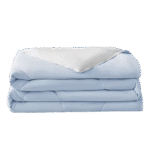 SuperCool Comforter
 SuperCool Light Comforter
 SuperCool Kids Comforter
 Blankets
 Teddy Bear Blanket
 Sheets
 SuperCool+ Starter Sheet Set
 SuperCool+ Flat Sheet
 SuperCool+ Fitted Sheet
 Pillowcases
 SuperCool+ Pillowcases
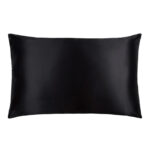 Cooling Silk Pillowcase
 Mattress Protectors
 Quilted Mattress Protector
 Waterproof Mattress Protector
 Floor Mats

What Are the Dimensions of a Standard Pillowcase?

Standard Pillowcase Dimensions Explained
A standard pillowcase measures 20 inches by 26 inches (51 cm by 66 cm). This size fits standard bed pillows sold across the United States and most international markets. The dimensions accommodate pillows that measure 20 inches by 26 inches, with an additional 2-4 inches of fabric allowance for the closure and to prevent the pillow from stretching the fabric too tightly.
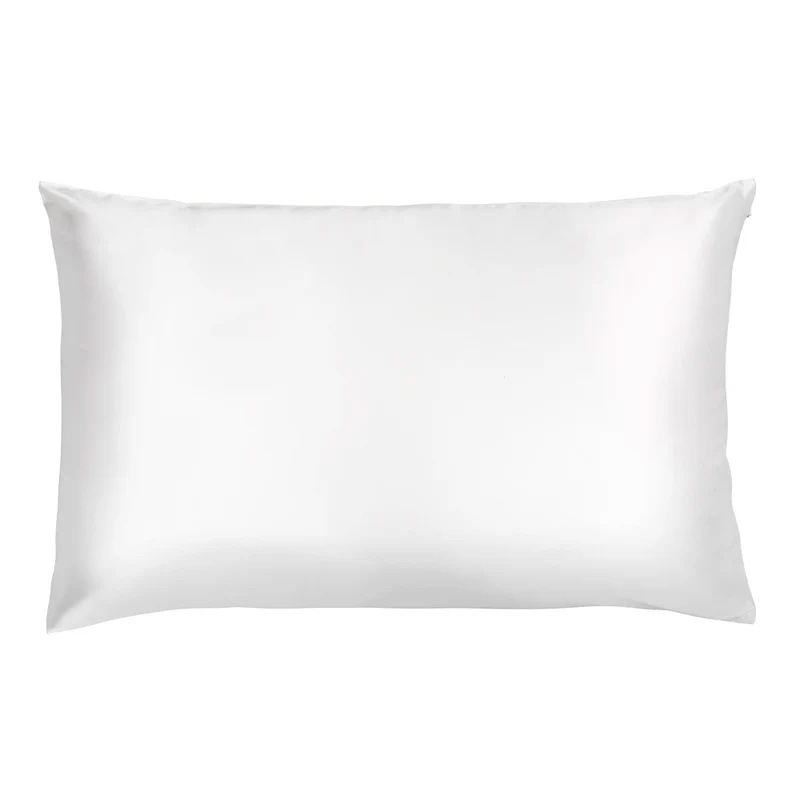
Your pillow shouldn’t steal your glow while you sleep. The lululinens LUXY LU 100% Mulberry Silk Pillowcase reduces friction, minimizes sleep creases, and keeps hair frizz-free. Pure mulberry silk offers temperature-regulating softness that’s hypoallergenic and gentle. Wake up looking as rested as you feel.
Most households own standard pillowcases because standard pillows represent approximately 70% of all pillow sales. Retailers stock this size more than any other option. The measurements remain consistent across major bedding manufacturers, which makes replacement shopping straightforward.
Complete Size Chart for All Pillowcase Types
Different pillow sizes require specific pillowcase dimensions. Here is a comprehensive breakdown:
| Pillowcase Type | Dimensions (inches) | Dimensions (cm) | Best For |
|---|---|---|---|
| Standard | 20 x 26 | 51 x 66 | Twin and full beds |
| Super Standard | 20 x 28 | 51 x 71 | Individuals who prefer extra fabric |
| Queen | 20 x 30 | 51 x 76 | Queen beds |
| King | 20 x 36 | 51 x 91 | King beds |
| Body Pillow | 20 x 54 | 51 x 137 | Full-length body support |
| Euro | 26 x 26 | 66 x 66 | Decorative square pillows |
The standard size works for most sleeping arrangements. Queen and king sizes provide additional length for larger pillows that match wider mattresses.
History of Pillowcase Standardization
Pillowcases did not always follow uniform measurements. Before the 1950s, families often made pillowcases at home using fabric scraps. Dimensions varied by household and region. Commercial bedding manufacturers began standardizing sizes after World War II to streamline production and reduce costs.
The 20 by 26 inch standard emerged because it matched the most common pillow filling dimensions used in American homes. Manufacturers surveyed existing pillow sizes and selected measurements that served the majority of consumers. This standardization allowed factories to produce pillowcases at scale and retailers to stock inventory more efficiently.
By the 1960s, the standard size dominated the market. The dimensions have remained unchanged for over 60 years, which demonstrates their practical success. International markets adopted similar measurements, though some countries use metric equivalents that round to slightly different numbers.
Technical Specifications and Construction Details
Fabric Allowance and Hem Requirements
A standard pillowcase includes more than just the 20 by 26 inch interior space. Manufacturers add fabric for construction purposes:
- Hem allowance: 1-2 inches on the opening edge
- Seam allowance: 0.5 inches on each side
- Closure flap: 3-4 inches for envelope-style cases
The total fabric required measures approximately 21 by 32 inches before sewing. This extra material ensures the pillow fits comfortably without stretching the seams. A properly constructed pillowcase should slide onto the pillow with minimal resistance while staying secure during sleep.
Closure Types and Their Dimensions
Three main closure styles exist for standard pillowcases:
- Housewife style: A simple hemmed opening with no closure mechanism. The opening measures the full 20-inch width. The pillow stays in place through friction and tucking under the sleeper’s head.
- Oxford style: Features a decorative border (typically 2-3 inches wide) around all edges. The internal pocket dimensions remain 20 by 26 inches, but the total case measures 24-25 by 30-31 inches when laid flat.
- Envelope style: Includes an internal flap that overlaps the opening by 3-4 inches. This design prevents the pillow from slipping out during use.
Housewife style represents the most common construction for standard pillowcases. The simplicity reduces manufacturing costs and makes bed-making faster.
How to Measure Your Pillow for the Correct Case Size
Purchase the right pillowcase by measuring your existing pillow. Follow these steps:
- Remove any existing case from the pillow
- Measure the width from one edge to the other at the widest point
- Measure the length from top to bottom
- Add 2 inches to each measurement for proper fit
- Round up to the nearest standard size
A pillow measuring 19 by 25 inches needs a standard 20 by 26 inch case. A pillow measuring 19 by 29 inches requires a queen-size case. Always round up rather than down. A case that is too small will stretch and tear. A case that is slightly large will still function properly.
Material Impact on Fit and Feel
The fabric type affects how a standard pillowcase fits and performs. Different materials have varying degrees of stretch and drape.
Cotton Pillowcases
Cotton represents the most popular pillowcase material. It provides moderate stretch and becomes softer with washing. Thread counts range from 200 to 800. Higher thread counts feel smoother but may reduce breathability.
A 400-thread-count cotton standard pillowcase fits snugly on a standard pillow. The fabric conforms to the pillow shape without excessive bagginess. Cotton shrinks 3-5% after the first wash, so manufacturers typically cut cases slightly larger to compensate.
Linen Pillowcases
Linen offers exceptional breathability but has minimal stretch. Standard linen pillowcases may feel stiffer initially. The fabric softens significantly after multiple washes. Linen naturally wrinkles, which creates a relaxed appearance.
Linen pillowcases often measure 21 by 27 inches to account for the fabric’s lack of give. This extra room prevents the seams from straining during use.
Silk and Satin Pillowcases
Silk and polyester satin provide a slippery surface that reduces hair friction. These materials have minimal stretch. The smooth texture means standard dimensions work well without adjustment.
Silk pillowcases cost more than cotton alternatives. They require delicate washing and air drying. Many sleepers prefer silk for its temperature regulation and reduced skin friction.
Microfiber Pillowcases
Microfiber consists of ultrafine polyester fibers. The material has significant stretch and durability. Standard microfiber pillowcases often fit slightly smaller pillows because the fabric gives more than natural materials.
Microfiber resists wrinkles and dries quickly. It costs less than cotton or linen. Some sleepers find microfiber traps more heat than natural fibers.
Benefits of Using Correctly Sized Pillowcases
Proper pillowcase dimensions provide multiple advantages:
- Extended pillow life: Correct fit prevents seams from tearing and fabric from stretching
- Better sleep quality: Adequate fabric prevents the pillow from bunching or shifting
- Easier bed making: Standard sizes match standard sheets for coordinated bedding
- Reduced allergen exposure: Properly fitted cases fully enclose the pillow to block dust mites
- Improved aesthetics: Beds look neater when pillowcases fit without excess fabric
A pillowcase that is too small creates tension on the seams. This stress causes premature failure at the corners and along the opening edge. A case that is too large bunches up and feels uncomfortable against the face.
Your pillow shouldn’t steal your glow while you sleep. The lululinens LUXY LU 100% Mulberry Silk Pillowcase reduces friction, minimizes sleep creases, and keeps hair frizz-free. Pure mulberry silk offers temperature-regulating softness that’s hypoallergenic and gentle. Wake up looking as rested as you feel.
Common Sizing Mistakes and How to Avoid Them
Buying King Cases for Standard Pillows
Some shoppers assume larger cases offer more comfort. A king pillowcase on a standard pillow creates 10 inches of excess fabric. This extra material bunches under the head and neck, which disrupts sleep posture.
Always match the pillowcase size to the pillow dimensions. Do not size up unless the pillow measures at the high end of the standard range.
Ignoring Shrinkage
Cotton and linen pillowcases shrink during washing. The first wash typically produces the most shrinkage. A case that fits perfectly when new may feel tight after laundering.
Purchase cases made from pre-shrunk fabric or expect 3-5% reduction in size. Wash new pillowcases before first use to complete the shrinking process.
Mixing Pillow Types
Some shoppers buy standard pillowcases for queen or king pillows because the width matches. The length difference creates problems. A 26-inch case on a 30-inch queen pillow leaves 4 inches of exposed pillow at one end.
Check both dimensions before purchasing. Width alone does not determine proper fit.
Maintenance Tips for Standard Pillowcases
Proper care extends the life of standard pillowcases and maintains their dimensions:
- Wash in cool or warm water: Hot water accelerates shrinkage and fades colors
- Use mild detergent: Harsh chemicals weaken fabric fibers
- Avoid fabric softener on linen: Softener coats linen and reduces absorbency
- Tumble dry on low heat: High heat damages elastic fibers in blended fabrics
- Iron linen and cotton when slightly damp: This technique produces crisp results with less effort
- Replace every 1-2 years: Even well-maintained cases wear out from nightly friction
Pillowcases require more frequent washing than other bedding. Facial oils, skin cells, and hair products accumulate quickly. Wash standard pillowcases every 3-7 days for optimal hygiene.
Where to Buy Standard Pillowcases
Standard pillowcases are available from numerous retailers:
- Department stores: Offer wide brand selection and regular sales
- Online bedding specialists: Provide detailed specifications and customer reviews
- Home goods stores: Stock budget and luxury options
- Direct-to-consumer brands: Sell through company websites with home trial periods
Compare fabric type, thread count, and closure style before purchasing. Read reviews about shrinkage and durability. Check return policies, especially for luxury materials like silk or high-thread-count cotton.
At Lulu Linens, you can find premium standard pillowcases in various materials and styles. Quality construction ensures proper fit and long-lasting performance.
Selecting the Right Standard Pillowcase: A Quick Summary
Follow these steps to choose the best standard pillowcase:
- Measure your pillow to confirm it is 20 by 26 inches or smaller
- Select your preferred fabric based on sleep temperature and sensitivity
- Choose thread count between 300-600 for cotton (higher is not always better)
- Pick a closure style that matches your preferences (housewife for simplicity, envelope for security)
- Check washing instructions to ensure they match your care routine
- Order two sets so you can rotate while washing
The standard 20 by 26 inch pillowcase remains the most practical choice for the majority of sleepers. The dimensions fit standard pillows perfectly while accommodating minor variations in pillow thickness. This size coordinates with standard sheet sets and duvet covers for complete bedroom aesthetics.
Understanding pillowcase dimensions eliminates guesswork from bedding purchases. The right size protects your pillow investment and improves sleep comfort every night.
Your pillow shouldn’t steal your glow while you sleep. The lululinens LUXY LU 100% Mulberry Silk Pillowcase reduces friction, minimizes sleep creases, and keeps hair frizz-free. Pure mulberry silk offers temperature-regulating softness that’s hypoallergenic and gentle. Wake up looking as rested as you feel.