 Comforters
 SuperCool Comforter
 SuperCool Light Comforter
 SuperCool Kids Comforter
 Blankets
 Teddy Bear Blanket
 Sheets
 SuperCool+ Starter Sheet Set
 SuperCool+ Flat Sheet
 SuperCool+ Fitted Sheet
 Pillowcases
 SuperCool+ Pillowcases
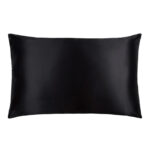 Cooling Silk Pillowcase
 Mattress Protectors
 Quilted Mattress Protector
 Waterproof Mattress Protector
 Floor Mats

What Are the Dimensions of a Pillowcase?

Standard Pillowcase Dimensions Explained
A standard pillowcase measures 20 x 26 inches (51 x 66 cm). This size fits most sleeping pillows sold in North America. The dimensions refer to the interior space that holds the pillow, not the fabric’s total measurements.

Your pillow shouldn’t steal your glow while you sleep. The lululinens LUXY LU 100% Mulberry Silk Pillowcase reduces friction, minimizes sleep creases, and keeps hair frizz-free. Pure mulberry silk offers temperature-regulating softness that’s hypoallergenic and gentle. Wake up looking as rested as you feel.
Pillowcases come in five main sizes. Each size corresponds to a specific pillow dimension. Understanding these measurements helps you buy the correct bedding for your sleep setup.
The five standard sizes are:
- Standard: 20 x 26 inches
- Queen: 20 x 30 inches
- King: 20 x 36 inches
- European (Euro): 26 x 26 inches
- Body: 20 x 54 inches
These dimensions have become industry standards through decades of manufacturing practice. Most retailers and manufacturers follow these measurements consistently.
Complete Pillowcase Size Chart
| Pillowcase Type | Dimensions (inches) | Dimensions (cm) | Best For |
|---|---|---|---|
| Standard | 20 x 26 | 51 x 66 | Single sleepers, twin beds |
| Queen | 20 x 30 | 51 x 76 | Queen beds, side sleepers |
| King | 20 x 36 | 51 x 91 | King beds, California king beds |
| European | 26 x 26 | 66 x 66 | Decorative use, sitting pillows |
| Body | 20 x 54 | 51 x 137 | Full-body support, pregnancy |
The table shows exact measurements for each pillowcase type. Match your pillow dimensions to the correct pillowcase size for a proper fit.
History of Pillowcase Standardization
Pillowcases were not always standardized. Before the 1950s, people made bedding at home using custom measurements. Each household had different pillow sizes.
The bedding industry standardized pillowcase dimensions in the mid-20th century. Mass production required consistent sizing. Manufacturers agreed on common measurements to simplify production and distribution.
Standard size emerged first as the most common household dimension. Queen and king sizes followed as bed sizes increased in the 1960s and 1970s. Larger beds required larger pillows, which needed appropriately sized cases.
European square pillows became popular in the 1990s. This decorative style originated in European hotels. The 26-inch square dimension became the accepted standard for these pillows.
Body pillows gained popularity in the 2000s. The 20 x 54-inch dimension accommodated full-length support pillows. Pregnant women and side sleepers drove demand for this size.
How Pillowcase Dimensions Are Measured
Manufacturers measure pillowcases using the finished interior dimensions. This measurement represents the usable space inside the case.
The process works as follows:
- Measure the length from one closed end to the other closed end
- Measure the width from seam to seam across the opening
- Record both measurements as width x length
Seam allowances add extra fabric beyond the stated dimensions. A standard 20 x 26-inch pillowcase uses approximately 22 x 28 inches of fabric. The additional 2 inches on each side account for seams and hems.
The opening flap adds 3 to 4 inches of fabric on one end. This flap tucks behind the pillow to keep it secure inside the case. Some manufacturers include this measurement in the total length, while others do not.
Always check if measurements include the flap. This detail affects how the pillowcase fits your pillow.
Choosing the Right Pillowcase Size
Match your pillowcase dimensions exactly to your pillow size. A proper fit prevents the pillow from bunching, sliding, or looking misshapen.
Undersized pillowcases create problems. The pillow cannot fit fully inside the case. This causes wrinkles, stress on seams, and an uncomfortable sleeping surface.
Oversized pillowcases also cause issues. Extra fabric bunches around the pillow. The pillow shifts inside the case during sleep. Your head may contact the fabric opening rather than the pillow surface.
Follow these selection guidelines:
- Measure your pillow before buying cases
- Add 1 inch to pillow length for comfort
- Choose cases with the same width as your pillow
- Consider fabric stretch when selecting materials
Memory foam and synthetic pillows compress less than down or feather pillows. These materials need precise pillowcase sizing. Natural fill pillows have more flexibility in fit.
Standard Pillowcase: 20 x 26 Inches
The standard pillowcase serves as the baseline size for bedding. This dimension fits twin and full-size beds perfectly.
A standard pillow provides adequate head and neck support for most adults. The 20-inch width accommodates average shoulder width. The 26-inch length supports the head without excess fabric.
This size works well for:
- Children transitioning from toddler beds
- Guest rooms with twin beds
- College dormitories
- Budget-conscious shoppers
Standard pillowcases cost less than larger sizes. The smaller fabric requirement reduces production costs. Most bedding sets include two standard pillowcases regardless of sheet size.
Queen Pillowcase: 20 x 30 Inches
Queen pillowcases add 4 inches of length compared to standard size. This extra length provides more surface area for your head.
Queen-size beds typically use queen pillows. Two queen pillows span the width of a queen mattress (60 inches) with minimal gaps. The proportion looks balanced and intentional.
Benefits of queen pillowcases include:
- More room for head movement during sleep
- Better appearance on queen and king beds
- Sufficient length for pillow protectors underneath
- Reduced need to adjust pillows during the night
Side sleepers prefer queen pillows. The extra length supports your head when you turn from side to side. Your face stays on the pillow surface rather than rolling onto the mattress.
King Pillowcase: 20 x 36 Inches
King pillowcases measure 20 x 36 inches, making them the longest standard size. King pillows work specifically for king and California king beds.
A king mattress measures 76 inches wide. Two king pillows fit across this width with proper spacing. California king beds (72 inches wide) also accommodate two king pillows comfortably.
The extended 36-inch length serves multiple purposes:
- Provides substantial surface area for movement
- Accommodates couples who share pillows occasionally
- Creates a luxurious, hotel-style appearance
- Supports extra-large body frames
King pillowcases require more fabric than smaller sizes. Expect to pay 20 to 30 percent more for king cases compared to standard cases. The investment makes sense if you have a king-size bed.
European Pillowcase: 26 x 26 Inches
European pillowcases are square rather than rectangular. The 26 x 26-inch dimension creates a distinctive decorative look.
European pillows serve primarily as decorative elements. People place them upright against the headboard. These pillows add visual interest and support your back while reading or watching television in bed.
You can use European pillows for sleeping, though most people do not. The square shape does not conform to typical sleeping positions as well as rectangular pillows.
Styling tips for European pillows:
- Place them behind sleeping pillows for layered depth
- Use two or three across a queen or king bed
- Choose contrasting colors or patterns from your main bedding
- Combine with standard shams for a complete look
Your pillow shouldn’t steal your glow while you sleep. The lululinens LUXY LU 100% Mulberry Silk Pillowcase reduces friction, minimizes sleep creases, and keeps hair frizz-free. Pure mulberry silk offers temperature-regulating softness that’s hypoallergenic and gentle. Wake up looking as rested as you feel.
Body Pillowcase: 20 x 54 Inches
Body pillowcases measure 20 x 54 inches to fit full-length support pillows. These cases accommodate pillows that run from your head to your feet.
Body pillows provide support for:
- Pregnant women who need belly and back support
- Side sleepers who place pillows between their knees
- People recovering from surgery or injury
- Anyone who prefers full-body comfort while sleeping
The elongated shape requires special cases. Regular pillowcases cannot cover a body pillow’s length. Most body pillowcases use a zippered closure rather than an open-end flap design.
Materials for body pillowcases matter significantly. You need soft, breathable fabric since the pillow contacts multiple body parts simultaneously. Cotton and bamboo fabrics work well for this purpose.
Pillowcase Dimensions vs. Pillow Dimensions
Pillowcases should measure slightly larger than the pillows they cover. A small amount of ease allows the pillow to fit inside without excessive force.
The ideal fit adds 1 to 2 inches to the pillow’s length. This allowance lets you insert and remove the pillow easily. The case drapes smoothly over the pillow without pulling or bunching.
Example: A 20 x 26-inch pillow fits best in a 20 x 27-inch or 20 x 28-inch case. Most standard pillowcases measure 20 x 26 inches, which provides a snug fit for a 20 x 25-inch pillow.
Pillow loft affects how cases fit. Loft refers to the pillow’s height or thickness. A high-loft pillow fills a case more fully than a low-loft pillow of the same length and width.
Down pillows compress significantly. These pillows can fit in cases that seem slightly small for their initial dimensions. Memory foam pillows maintain their shape and require more precise case sizing.
Common Pillowcase Dimension Mistakes
Many people buy incorrect pillowcase sizes. These errors lead to poor fit and reduced comfort.
Mistake 1: Assuming all pillows are standard size Many pillows exceed standard dimensions. Always measure before purchasing cases.
Mistake 2: Buying cases based on bed size alone Your bed size does not automatically dictate pillow size. A queen bed can use standard, queen, or king pillows depending on preference.
Mistake 3: Ignoring pillow thickness Thick pillows need more room inside the case. A 6-inch-thick pillow requires more ease than a 3-inch-thick pillow of the same length and width.
Mistake 4: Mixing international sizing standards European and Australian sizing differs from North American standards. Check measurements in inches or centimeters before ordering.
Mistake 5: Forgetting about pillow protectors A pillow protector adds bulk. If you use protectors, size up to the next pillowcase dimension.
Maintaining Correct Pillowcase Fit
Pillowcases can shrink or stretch over time. Proper care maintains the correct dimensions.
Washing guidelines:
- Use cold or warm water, not hot
- Select gentle cycle settings
- Avoid overloading the washing machine
- Remove cases promptly after washing
Drying guidelines:
- Tumble dry on low or medium heat
- Remove cases while slightly damp
- Avoid over-drying, which causes shrinkage
- Consider air-drying natural fibers
Cotton pillowcases may shrink 3 to 5 percent in the first wash. Pre-washed or pre-shrunk cotton minimizes this issue. Polyester and microfiber cases maintain dimensions better than natural fibers.
Replace pillowcases every 1 to 2 years. Fabric degrades with repeated washing. Worn cases lose their shape and fit poorly on pillows.
How to Measure Your Pillows for Cases
Accurate pillow measurement ensures you buy the correct pillowcase size. Follow these steps:
- Place the pillow on a flat surface
- Use a measuring tape or ruler
- Measure width from side to side at the widest point
- Measure length from top to bottom
- Measure loft by placing the pillow upright and measuring height
- Record all three measurements
Round measurements to the nearest inch. A pillow measuring 19.5 x 25.5 inches rounds to 20 x 26 inches. This measurement corresponds to a standard pillowcase.
Compressed pillows need special consideration. Allow vacuum-packed or compressed pillows to expand for 24 hours before measuring. The pillow may expand significantly beyond its compressed size.
Specialty Pillowcase Dimensions
Some pillowcases use non-standard dimensions for specific purposes.
Travel pillowcases measure approximately 12 x 16 inches. These miniature cases fit compact travel pillows used on airplanes and in cars.
Decorative throw pillows vary widely in size. Common dimensions include:
- 12 x 12 inches
- 16 x 16 inches
- 18 x 18 inches
- 14 x 20 inches (lumbar)
Orthopedic pillow covers follow the shape of specialized medical pillows. Cervical pillows, wedge pillows, and contour pillows require custom-fitted cases.
Cooling pillowcases may add extra dimensions for built-in cooling technology. These cases sometimes measure 1 to 2 inches larger than standard dimensions.
Selecting Pillowcases: Step-by-Step Summary
Follow this process to choose the right pillowcase dimensions:
- Measure your pillows using a tape measure
- Identify the closest standard size from the five main options
- Consider your pillow’s loft and compression characteristics
- Account for pillow protectors if you use them
- Check manufacturer specifications before purchasing
- Verify return policies in case the fit is incorrect
- Order one case first to test fit before buying sets
This systematic approach prevents sizing errors. You save money by avoiding incorrect purchases. Your pillows fit properly, and your bedding looks professional.
The right pillowcase dimensions improve sleep quality. A proper fit keeps your pillow in place throughout the night. You wake up comfortable, with your pillow positioned where you placed it at bedtime.
Your pillow shouldn’t steal your glow while you sleep. The lululinens LUXY LU 100% Mulberry Silk Pillowcase reduces friction, minimizes sleep creases, and keeps hair frizz-free. Pure mulberry silk offers temperature-regulating softness that’s hypoallergenic and gentle. Wake up looking as rested as you feel.