 Comforters
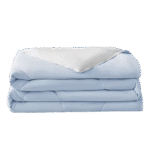 SuperCool Comforter
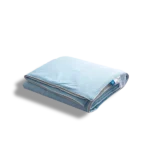 SuperCool Light Comforter
 SuperCool Kids Comforter
 Blankets
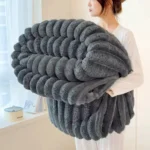 Teddy Bear Blanket
 Sheets
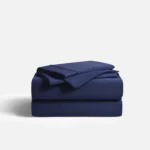 SuperCool+ Starter Sheet Set
 SuperCool+ Flat Sheet
 SuperCool+ Fitted Sheet
 Pillowcases
 SuperCool+ Pillowcases
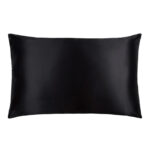 Cooling Silk Pillowcase
 Mattress Protectors
 Quilted Mattress Protector
 Waterproof Mattress Protector
 Floor Mats

What Are the Benefits of a Silk Pillowcase

How Silk Pillowcases Improve Your Hair Health
Silk pillowcases create less friction against your hair strands compared to cotton alternatives. This reduced friction prevents breakage, split ends, and frizz formation during sleep. Your hair glides smoothly across the silk surface instead of catching on rough cotton fibers.
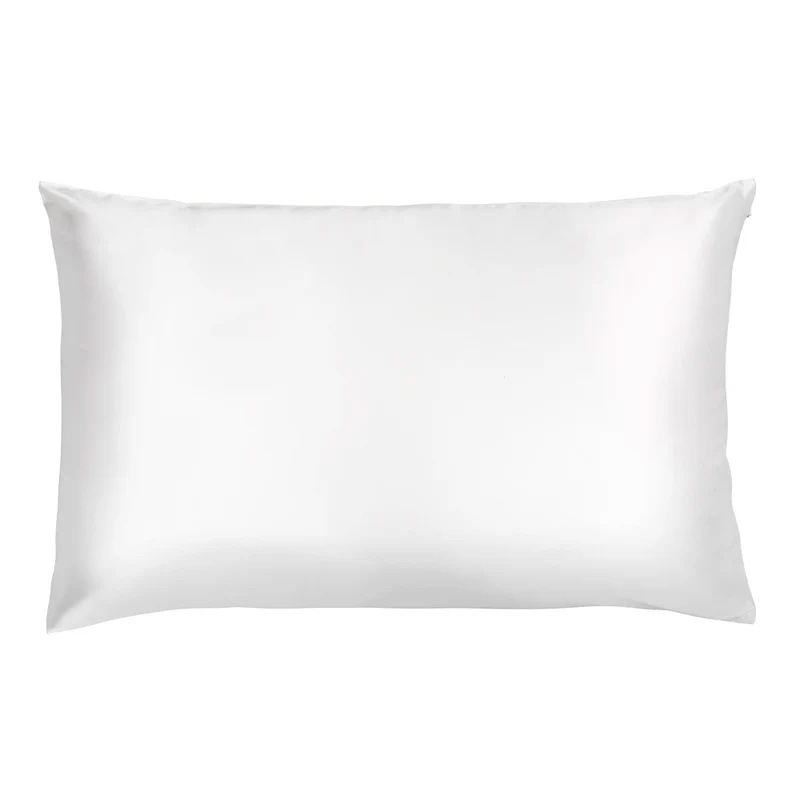
Your pillow shouldn’t steal your glow while you sleep. The lululinens LUXY LU 100% Mulberry Silk Pillowcase reduces friction, minimizes sleep creases, and keeps hair frizz-free. Pure mulberry silk offers temperature-regulating softness that’s hypoallergenic and gentle. Wake up looking as rested as you feel.
The smooth texture of silk helps maintain your hairstyle overnight. You wake up with fewer tangles and less need for extensive morning styling. People with curly or textured hair experience particular advantages because silk preserves their curl patterns better than traditional fabrics.
Silk does not absorb moisture from your hair like cotton does. Cotton pillowcases can draw out natural oils and leave your hair dry and brittle. Silk keeps the natural sebum distributed along your hair shaft, maintaining optimal hydration levels throughout the night.
Protection for Color-Treated Hair
Color-treated hair requires extra protection to maintain vibrancy. Silk pillowcases help preserve hair color by minimizing friction and preventing cuticle damage. The smooth surface reduces color fade that occurs from abrasive contact with rougher fabrics.
Hair treatments and styling products stay in your hair longer when you sleep on silk. The fabric does not strip away serums, oils, or leave-in conditioners applied before bed.
Skin Benefits from Sleeping on Silk
Your facial skin experiences direct contact with your pillowcase for six to eight hours each night. Silk pillowcases reduce skin creasing and sleep lines that form from pressing your face into rougher materials. These temporary creases can become permanent wrinkles over time with cotton pillowcases.
Silk maintains your skin’s natural moisture balance. Cotton absorbs the moisturizers, serums, and natural oils from your face during sleep. Silk allows these products to stay on your skin where they provide maximum benefit.
The hypoallergenic properties of silk make it ideal for sensitive skin types. Silk naturally resists dust mites, mold, and mildew growth. People with acne-prone skin often see improvements because silk harbors fewer bacteria than cotton.
Temperature Regulation for Better Sleep
Silk possesses natural temperature-regulating properties. The fabric keeps you cool in summer and warm in winter. This thermoregulation prevents excessive sweating that can irritate skin and clog pores.
The breathable structure of silk allows air circulation around your face and neck. Better airflow reduces bacterial growth and prevents the humid environment that encourages acne development.
Anti-Aging Properties of Silk Pillowcases
The smooth surface of silk reduces mechanical stress on your skin during sleep. Traditional pillowcases create compression and shear forces that damage collagen and elastin fibers. These structural proteins keep your skin firm and elastic.
Silk pillowcases minimize the formation of sleep wrinkles on your face, neck, and chest. Dermatologists recognize that sleeping position contributes to wrinkle development. Side sleepers and stomach sleepers benefit most from switching to silk because these positions create more facial compression.
The amino acids present in silk protein support skin health. Silk contains eighteen amino acids that can interact with your skin’s surface. While research continues on absorption rates, these proteins create a favorable environment for skin maintenance.
Comparison: Silk vs. Cotton vs. Satin Pillowcases
| Feature | Silk | Cotton | Satin |
|---|---|---|---|
| Friction Level | Very Low | High | Low to Moderate |
| Moisture Absorption | Minimal | High | Moderate |
| Temperature Control | Excellent | Poor | Moderate |
| Hypoallergenic | Yes | No | Depends on Material |
| Durability | High (with care) | Moderate | Low to Moderate |
| Price Range | $40-$100+ | $10-$30 | $15-$40 |
| Natural Material | Yes | Yes | Usually Synthetic |
The History and Production of Silk Pillowcases
Silk production originated in China over 5,000 years ago. Ancient Chinese royalty reserved silk exclusively for imperial use. The Silk Road trade route spread silk production techniques across Asia and eventually to Europe.
Modern silk production follows traditional methods with some technological improvements. Silkworms feed on mulberry leaves and produce cocoons made of continuous silk filaments. Each cocoon contains approximately 1,000 yards of silk thread.
Mulberry silk represents the highest quality silk for bedding products. This silk comes from domesticated silkworms that eat only mulberry leaves. The resulting fibers are uniform, strong, and smooth.
The momme weight measures silk fabric density. Higher momme counts indicate thicker, more durable silk. Quality silk pillowcases use fabric between 19 and 25 momme. Lower momme weights feel thin and wear out quickly. Higher momme weights provide better longevity and maintain their smoothness through repeated washing.
Types of Silk Used in Pillowcases
Different silk varieties offer varying benefits:
- Mulberry Silk: Premium quality with long, uniform fibers
- Tussah Silk: Wild silk with shorter, coarser fibers
- Charmeuse Silk: Satin weave with glossy front and matte back
- Habotai Silk: Lighter weight with plain weave construction
Most luxury pillowcases use mulberry silk in a charmeuse weave. This combination provides the smoothest surface and most attractive appearance.
Health Benefits Beyond Beauty
Silk pillowcases offer advantages for people with allergies and respiratory issues. The natural protein structure of silk resists common allergens. Dust mites cannot penetrate silk fibers or survive on the smooth surface.
People with asthma benefit from sleeping on hypoallergenic silk. The fabric does not trap dust, pollen, or other airborne particles that trigger respiratory symptoms. Cotton pillowcases accumulate these irritants and require frequent washing to minimize exposure.
Silk’s antimicrobial properties reduce bacterial colonization. Studies show that silk fibers inhibit the growth of certain bacteria strains. This natural resistance helps prevent skin infections and reduces acne breakouts caused by bacteria transfer from pillowcases.
Comfort for Sensitive Scalp Conditions
People with scalp conditions like psoriasis or seborrheic dermatitis find relief with silk pillowcases. The smooth fabric prevents irritation and scratching during sleep. Reduced friction allows healing treatments to work more effectively overnight.
Hair loss sufferers benefit from the gentle surface that minimizes hair breakage. Every strand preserved makes a difference for people experiencing thinning hair or alopecia.
Your pillow shouldn’t steal your glow while you sleep. The lululinens LUXY LU 100% Mulberry Silk Pillowcase reduces friction, minimizes sleep creases, and keeps hair frizz-free. Pure mulberry silk offers temperature-regulating softness that’s hypoallergenic and gentle. Wake up looking as rested as you feel.
Technical Specifications to Consider
Understanding silk grading helps you select quality pillowcases. Grade A silk meets the highest standards for purity and construction. Lower grades contain imperfections, shorter fibers, or mixed materials.
The thread count matters less for silk than for cotton. Silk’s natural smoothness comes from the fiber itself rather than tight weaving. Focus on momme weight instead of thread count when evaluating silk quality.
Certified organic silk comes from silkworms raised without pesticides or harmful chemicals. This certification ensures no toxic residues remain in the finished fabric. People with chemical sensitivities should choose certified organic options.
Look for pillowcases with hidden zippers or envelope closures. These designs keep your pillow enclosed and prevent it from slipping out during sleep. Cheap pillowcases often lack proper closures and create frustration.
Proper Care and Maintenance Methods
Silk pillowcases require specific washing methods to maintain their benefits. Hand washing provides the gentlest cleaning approach. Fill a basin with cool water and add a small amount of pH-neutral detergent or specialized silk wash.
Machine washing works if you take precautions:
- Place the pillowcase inside a mesh laundry bag
- Select the delicate or hand-wash cycle
- Use cool water only (never hot)
- Add mild detergent designed for delicate fabrics
- Skip the spin cycle or use the lowest speed
Never use bleach, fabric softener, or harsh chemicals on silk. These products damage the protein fibers and destroy the smooth surface. Fabric softener adds unnecessary coating that reduces silk’s natural properties.
Drying and Storage Guidelines
Air drying preserves silk quality better than machine drying. Lay the pillowcase flat on a clean towel away from direct sunlight. Sunlight can fade colors and weaken fibers over time.
If you must use a dryer, choose the lowest heat setting or air-dry cycle. Remove the pillowcase while still slightly damp to prevent excessive wrinkling.
Store silk pillowcases in a cool, dry location. Avoid plastic bags that trap moisture and encourage mildew growth. Use breathable cotton storage bags instead.
Iron silk on the lowest temperature setting if needed. Place a thin cloth between the iron and silk to prevent direct heat damage. Most wrinkles naturally release when you sleep on the pillowcase.
Cost Analysis and Investment Value
Quality silk pillowcases cost between $40 and $100 depending on size and momme weight. This investment pays returns through reduced hair and skin damage. Calculate the money spent on hair treatments, styling products, and anti-aging skincare that silk pillowcases help preserve.
A well-maintained silk pillowcase lasts two to three years with proper care. Cotton pillowcases cost less initially but need replacement more frequently due to wear and deterioration. The long-term cost difference narrows when you factor in replacement frequency.
Consider the health savings from improved sleep quality and reduced allergic reactions. People who invest in silk pillowcases often report fewer skincare problems and reduced need for corrective treatments.
Budget Alternatives and What to Avoid
Satin pillowcases made from polyester provide some benefits at lower prices. These synthetic options reduce friction but lack silk’s natural properties. Polyester does not regulate temperature as effectively and may trap heat.
Avoid pillowcases marketed as silk but sold at extremely low prices. These products often contain synthetic materials or low-grade silk mixed with other fibers. Real mulberry silk in appropriate momme weights cannot be produced cheaply.
Look for reputable brands with clear specifications about silk grade, momme weight, and country of origin. Customer reviews help identify quality products versus misleading marketing claims.
Selection Steps for Your First Silk Pillowcase
Start by determining your budget range and quality requirements. Higher momme weights (22-25) provide the best durability and feel. Lower momme weights (19) work adequately for people testing silk for the first time.
Choose your preferred closure type. Zipper closures secure pillows best but may feel uncomfortable if you sleep on the pillowcase edge. Envelope closures offer comfort but allow pillows to slip out occasionally.
Select a color that complements your bedroom aesthetic. Darker colors hide stains better but may show dust more readily. White and light colors require more frequent washing but create a clean appearance.
Verify the seller provides clear information about:
- Silk type (mulberry preferred)
- Momme weight (19-25 range)
- Grade (A or 6A highest quality)
- Care instructions
- Return policy
Purchase from companies specializing in silk bedding rather than general retailers. Specialists understand silk quality standards and provide better customer support.
Summary
Silk pillowcases deliver measurable benefits for hair health, skin condition, and sleep quality. The smooth surface reduces friction that causes hair breakage and skin creasing. Natural properties resist allergens and regulate temperature for comfortable sleep.
Quality matters significantly in silk pillowcase selection. Focus on mulberry silk with appropriate momme weight and proper construction. Investment in a genuine silk pillowcase provides value through durability and performance.
Proper maintenance extends pillowcase lifespan and preserves beneficial properties. Follow gentle washing methods and appropriate storage practices. The initial learning curve pays off through years of improved sleep and reduced beauty concerns.
People with specific hair or skin concerns see the most dramatic improvements from silk pillowcases. The change from cotton creates immediate differences in morning hair texture and skin hydration. Long-term use contributes to healthier hair growth and reduced visible signs of aging.
Your pillow shouldn’t steal your glow while you sleep. The lululinens LUXY LU 100% Mulberry Silk Pillowcase reduces friction, minimizes sleep creases, and keeps hair frizz-free. Pure mulberry silk offers temperature-regulating softness that’s hypoallergenic and gentle. Wake up looking as rested as you feel.