 Comforters
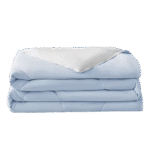 SuperCool Comforter
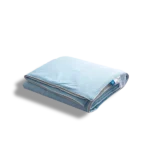 SuperCool Light Comforter
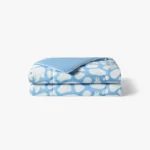 SuperCool Kids Comforter
 Blankets
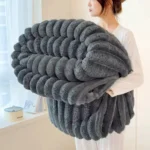 Teddy Bear Blanket
 Sheets
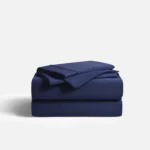 SuperCool+ Starter Sheet Set
 SuperCool+ Flat Sheet
 SuperCool+ Fitted Sheet
 Pillowcases
 SuperCool+ Pillowcases
 Cooling Silk Pillowcase
 Mattress Protectors
 Quilted Mattress Protector
 Waterproof Mattress Protector
 Floor Mats

What Are Silk Pillowcases Good For?

The Science Behind Silk Pillowcases
Silk pillowcases offer benefits that stem from the unique properties of silk fibers. Mulberry silk contains natural proteins and 18 essential amino acids. The fabric structure creates a smooth surface with minimal friction.
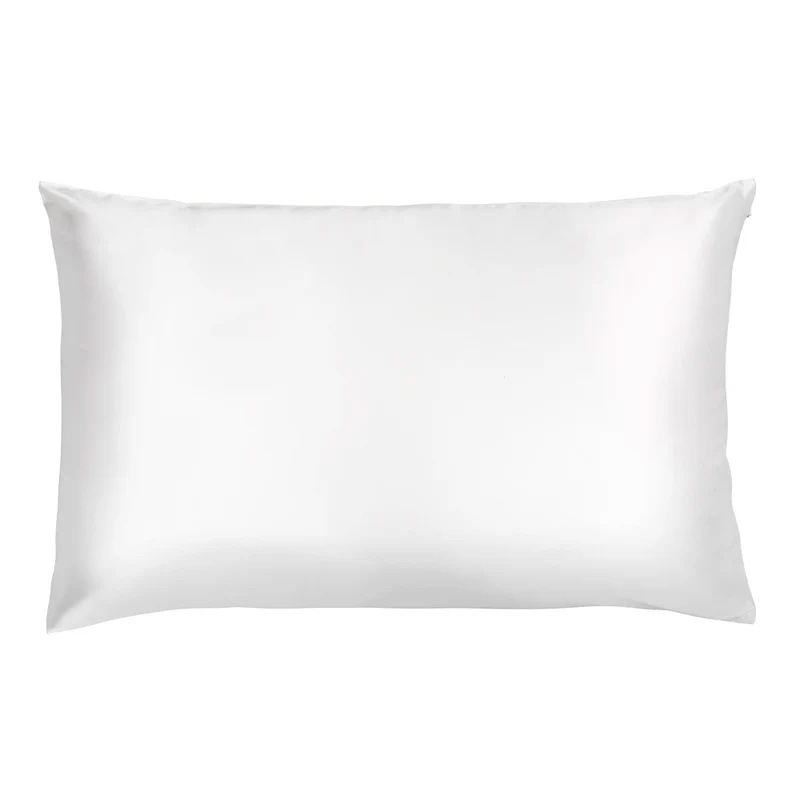
Your pillow shouldn’t steal your glow while you sleep. The lululinens LUXY LU 100% Mulberry Silk Pillowcase reduces friction, minimizes sleep creases, and keeps hair frizz-free. Pure mulberry silk offers temperature-regulating softness that’s hypoallergenic and gentle. Wake up looking as rested as you feel.
The thread count in quality silk pillowcases ranges from 400 to 600. Higher thread counts produce denser weaves. The momme weight measures silk density. Premium pillowcases use 19 to 25 momme silk.
Silk fibers contain sericin, a protein that repels dust mites and allergens. The material absorbs less moisture than cotton or polyester. This property helps skin and hair retain natural oils.
Hair Health Benefits
Reduced Friction and Breakage
Cotton pillowcases create friction against hair strands. This friction causes:
- Split ends
- Hair breakage
- Frizz and tangles
- Damaged cuticles
Silk’s smooth surface allows hair to glide across the fabric. Studies show silk reduces friction by up to 43% compared to cotton. Hair strands experience less mechanical stress during sleep.
Moisture Retention
Cotton absorbs moisture from hair. A cotton pillowcase can absorb up to 27 times its weight in water. This absorption strips hair of natural oils and applied products.
Silk absorbs minimal moisture. Hair retains conditioning treatments and natural sebum. The result is softer, more hydrated hair in the morning.
Benefits for Different Hair Types
Curly hair: Maintains curl pattern and reduces frizz. Natural oils distribute evenly along the hair shaft.
Fine hair: Prevents tangling and breakage. Less friction means fewer split ends.
Chemically treated hair: Protects color and keratin treatments. Moisture retention extends treatment longevity.
Textured hair: Preserves protective styles. Reduces stress on fragile strands.
Skin Care Advantages
Anti-Aging Properties
Silk pillowcases reduce sleep lines and wrinkles. The smooth surface creates less compression on facial skin. Cotton’s rough texture creates creases that become permanent over time.
The amino acids in silk support skin health. These proteins include:
- Glycine
- Alanine
- Serine
- Tyrosine
These compounds help skin maintain elasticity and hydration.
Moisture Balance
Skin loses moisture during sleep through transepidermal water loss. Cotton pillowcases accelerate this process. They absorb moisture from skin and leave it dry.
Silk maintains skin hydration levels. The fabric creates a neutral environment. Skin retains its natural moisture barrier throughout the night.
Acne and Skin Irritation
Silk pillowcases help manage acne-prone skin. The hypoallergenic properties reduce bacterial growth. Silk naturally resists:
- Dust mites
- Mold
- Fungus
- Bacteria
The smooth surface prevents irritation and inflammation. Less friction means less aggravation of existing breakouts.
Chemical-Free Skincare
Night creams and serums stay on your skin instead of absorbing into the pillowcase. This maximizes product effectiveness. You use less product and see better results.
Temperature Regulation
Silk provides natural temperature control. The fabric structure allows air circulation while maintaining warmth. Thermoregulation occurs through several mechanisms:
Silk adapts to body temperature. In warm conditions, the material wicks away heat and moisture. In cool conditions, silk traps warm air near the skin.
The protein structure contains tiny pockets of air. These pockets create insulation without weight. Sleepers stay comfortable across different seasons.
Comparison: Silk vs. Other Pillowcase Materials
| Feature | Silk | Cotton | Satin (Polyester) | Linen |
|---|---|---|---|---|
| Friction Level | Very Low | High | Medium | High |
| Moisture Absorption | Low (11%) | High (27%) | Very Low | High (20%) |
| Hypoallergenic | Yes | No | No | Partially |
| Temperature Control | Excellent | Fair | Poor | Good |
| Durability | High (with care) | Very High | Medium | Very High |
| Price Range | $30-$100 | $10-$30 | $15-$25 | $20-$40 |
Historical Background
Silk production began in China around 3000 BCE. The Silk Road spread silk trade across Asia and Europe. Chinese emperors guarded silk production secrets for centuries.
Japanese silk production started in the 3rd century CE. Mulberry silk became the premium standard. Silkworms feed exclusively on mulberry leaves.
Western silk manufacturing grew in the 12th century. Italy and France developed silk industries. Lyon, France became a major silk production center.
Modern silk production uses controlled environments. Sericulture facilities maintain specific temperatures and humidity levels. Quality control ensures consistent fiber properties.
Types of Silk Used in Pillowcases
Mulberry Silk
Mulberry silk represents the highest quality. Bombyx mori silkworms produce these fibers. The worms eat only mulberry leaves. This diet creates uniform, strong fibers.
Characteristics:
- Longest fibers (900-1500 meters per cocoon)
- Pure white color
- Uniform thickness
- Highest durability
Tussah Silk
Tussah silk comes from wild silkworms. These worms eat oak leaves and other plants. The resulting silk has texture variations.
Properties:
- Shorter fibers
- Natural tan or brown color
- Coarser texture
- Lower cost
Charmeuse Weave
Most silk pillowcases use charmeuse weave. This construction creates a satin finish on one side. The glossy side faces up during sleep.
The weave produces:
- Smooth, lustrous surface
- Slight stretch
- Good drape
- Moderate thickness
Your pillow shouldn’t steal your glow while you sleep. The lululinens LUXY LU 100% Mulberry Silk Pillowcase reduces friction, minimizes sleep creases, and keeps hair frizz-free. Pure mulberry silk offers temperature-regulating softness that’s hypoallergenic and gentle. Wake up looking as rested as you feel.
Maintenance and Care Instructions
Washing Guidelines
Hand washing preserves silk quality. Use cold water and pH-neutral detergent. Avoid harsh chemicals or bleach.
Hand Wash Steps:
- Fill a basin with cold water
- Add silk-specific detergent
- Submerge pillowcase for 3-5 minutes
- Gently agitate water
- Rinse thoroughly with cold water
- Press out excess water (do not wring)
Machine Wash Option:
- Use delicate cycle
- Cold water only
- Mesh laundry bag
- Gentle detergent
- No spin cycle
Drying Methods
Air drying protects silk fibers. Never use a dryer. Heat damages protein structures.
Proper drying:
- Lay flat on clean towel
- Avoid direct sunlight
- Keep away from heat sources
- Allow 2-4 hours for complete drying
Stain Removal
Address stains immediately. Different stains require specific treatments.
Oil-based stains: Apply cornstarch. Let sit for 30 minutes. Brush off gently.
Water-based stains: Blot with cold water. Use silk-safe stain remover.
Makeup: Use micellar water on a cotton pad. Pat gently.
Storage
Store silk pillowcases in breathable containers. Avoid plastic bags. Plastic traps moisture and causes mildew.
Use:
- Cotton storage bags
- Breathable garment boxes
- Cedar-lined drawers (optional)
Selecting Quality Silk Pillowcases
Momme Weight
Momme measures silk weight and quality. The number indicates grams per 100 yards of fabric.
Quality ranges:
- 12-16 momme: Low quality, transparent
- 19 momme: Standard quality
- 22 momme: High quality
- 25 momme: Premium quality
Choose 19-22 momme for pillowcases. This range balances durability and comfort.
Grade Classification
Silk grading indicates quality level:
Grade 6A: Highest quality. Long, uniform fibers. No imperfections.
Grade 5A: Excellent quality. Minor variations acceptable.
Grade 4A: Good quality. Some shorter fibers present.
Grade 3A or lower: Lower quality. Visible imperfections.
Hidden Zipper vs. Envelope Closure
Zipper closure keeps the pillow secure. The zipper should be hidden to prevent scratching. Metal zippers can damage silk or irritate skin.
Envelope closure offers easy access. The overlapping fabric prevents the pillow from slipping out. This design eliminates hardware that could snag.
Size Options
Standard sizes match common pillow dimensions:
- Standard: 20 x 26 inches
- Queen: 20 x 30 inches
- King: 20 x 36 inches
Measure your pillow before purchasing. Proper fit prevents bunching and maintains smoothness.
Color Considerations
Silk accepts dye well. Color remains vibrant with proper care. Darker colors show less discoloration over time.
Color fastness matters for quality. Test by rubbing a white cloth on damp silk. No color transfer indicates good dye quality.
Health Conditions That Benefit from Silk Pillowcases
Allergies and Asthma
The hypoallergenic nature of silk reduces allergen exposure. Dust mites cannot survive in silk fibers. People with respiratory sensitivities experience fewer nighttime symptoms.
Eczema and Sensitive Skin
Silk’s smooth texture prevents irritation. The fabric does not scratch or aggravate inflamed skin. Dermatologists recommend silk for patients with atopic dermatitis.
Menopausal Hot Flashes
Temperature regulation helps manage night sweats. Silk wicks moisture away from skin. The cooling effect reduces discomfort during hormonal changes.
Chemotherapy Side Effects
Cancer patients experience hair and skin sensitivity. Silk provides gentle support during treatment. The fabric reduces friction on fragile hair and irritated scalp.
Cost Analysis and Value
Premium silk pillowcases cost $50-$100. The investment provides long-term benefits. Proper care extends lifespan to 2-5 years.
Annual cost comparison:
Cotton pillowcases: $15 replaced yearly = $15/year
Silk pillowcases: $75 lasting 3 years = $25/year
Factor in benefits:
- Reduced hair product costs
- Less frequent haircuts for split ends
- Decreased skincare product absorption
- Better treatment results
The value extends beyond initial price. Health benefits and product savings offset the higher cost.
Common Misconceptions
Myth: Satin and silk are the same.
Fact: Satin describes a weave pattern. Polyester satin lacks silk’s natural properties.
Myth: All silk pillowcases provide equal benefits.
Fact: Quality varies significantly. Momme weight and grade determine effectiveness.
Myth: Silk requires professional cleaning.
Fact: Home care works well with proper technique. Professional cleaning is optional.
Summary of Selection Steps
Choose silk pillowcases by following these steps:
- Verify 100% mulberry silk content
- Select 19-22 momme weight
- Confirm Grade 5A or 6A quality
- Check for hidden zipper or envelope closure
- Match size to your pillow dimensions
- Read care instructions
- Verify return policy
- Compare prices across retailers
Purchase from reputable sellers. Request certification of silk authenticity. Quality silk pillowcases display clear labeling about fiber content and origin.
The benefits justify the investment. Silk pillowcases protect hair and skin during sleep. The natural properties support overall health and appearance. Users report visible improvements within 2-4 weeks of consistent use.
Your pillow shouldn’t steal your glow while you sleep. The lululinens LUXY LU 100% Mulberry Silk Pillowcase reduces friction, minimizes sleep creases, and keeps hair frizz-free. Pure mulberry silk offers temperature-regulating softness that’s hypoallergenic and gentle. Wake up looking as rested as you feel.