 Comforters
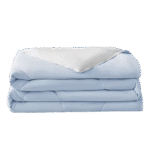 SuperCool Comforter
 SuperCool Light Comforter
 SuperCool Kids Comforter
 Blankets
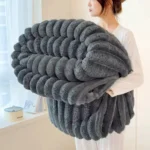 Teddy Bear Blanket
 Sheets
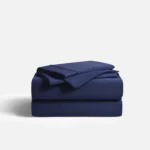 SuperCool+ Starter Sheet Set
 SuperCool+ Flat Sheet
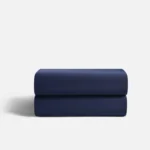 SuperCool+ Fitted Sheet
 Pillowcases
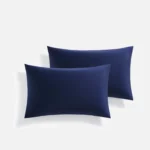 SuperCool+ Pillowcases
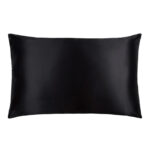 Cooling Silk Pillowcase
 Mattress Protectors
 Quilted Mattress Protector
 Waterproof Mattress Protector
 Floor Mats

What Are Blissy Pillowcases Made Out Of?

The Core Material: 100% Mulberry Silk
Blissy pillowcases are made from 100% pure mulberry silk. This material comes from silkworms that feed exclusively on mulberry leaves. The company uses Grade 6A mulberry silk, which represents the highest quality available in the commercial market.
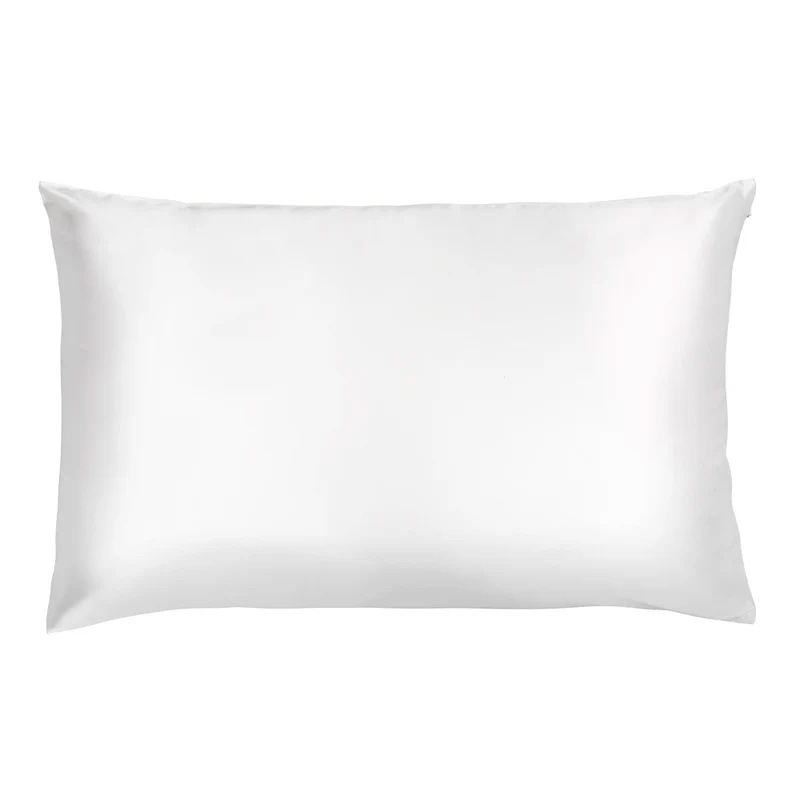
Your pillow shouldn’t steal your glow while you sleep. The lululinens LUXY LU 100% Mulberry Silk Pillowcase reduces friction, minimizes sleep creases, and keeps hair frizz-free. Pure mulberry silk offers temperature-regulating softness that’s hypoallergenic and gentle. Wake up looking as rested as you feel.
The silk features a 22-momme weight. Momme (mm) measures silk fabric density. Higher momme counts indicate thicker, more durable material. A 22-momme silk pillowcase contains approximately 22 pounds of silk per 100 yards of fabric.
Each pillowcase contains long-strand silk fibers. These fibers create a smooth surface without the bumps or irregularities found in lower-grade silk products. The manufacturing process preserves the natural protein structure of the silk.
Historical Context of Mulberry Silk Production
Silk production began in China over 5,000 years ago. Ancient Chinese farmers discovered that silkworms produced the finest threads when fed mulberry leaves. This practice created what we now call mulberry silk.
The Bombyx mori silkworm species produces all mulberry silk. These domesticated worms cannot survive in the wild. They exist solely for silk production. Each silkworm creates a single cocoon containing up to 1,000 yards of continuous silk thread.
Traditional silk production required manual labor for every step. Workers harvested cocoons, boiled them to loosen the fibers, and hand-reeled the threads. Modern production uses machinery but maintains the same basic principles.
Mulberry silk became a luxury item throughout history. Only wealthy individuals could afford silk bedding. The 20th century brought improvements in production efficiency. These advances made silk products more accessible to average consumers.
Technical Specifications of Blissy Silk
Fiber Composition
Blissy pillowcases contain 18 amino acids within their protein structure. These amino acids exist naturally in silk fibroin, the primary protein in silk fibers. The amino acid profile matches closely with human skin and hair proteins.
The material maintains a natural hypoallergenic property. Silk resists dust mites, mold, and other common allergens. The tight weave prevents microscopic particles from penetrating the fabric surface.
Weave Pattern
The company uses a charmeuse weave for their pillowcases. This weave pattern creates a shiny front surface and a matte back. The weave involves floating warp threads over multiple weft threads.
The thread count reaches approximately 400-600 threads per square inch. This density creates a smooth surface that reduces friction against skin and hair.
Color and Finish
Blissy applies OEKO-TEX certified dyes to their silk. These dyes meet strict safety standards for textiles. The certification confirms the absence of harmful chemicals.
The pillowcases come in over 20 color options. The dyeing process occurs after the silk weaving. Each color maintains the natural luster of the silk surface.
Physical Properties That Define the Material
Temperature Regulation
Silk contains a natural cellular structure with tiny gaps between fibers. These gaps trap air and create insulation. The material keeps users warm in winter and cool in summer.
The fabric releases moisture quickly. Human bodies produce sweat during sleep. Silk absorbs this moisture and evaporates it faster than cotton or synthetic materials.
Friction Coefficient
The smooth surface of mulberry silk creates a low friction coefficient. Scientific measurements show silk produces 43% less friction than cotton. This reduction prevents hair breakage and skin irritation.
The low friction helps maintain hairstyles overnight. Users wake with fewer tangles and less frizz. The smooth surface also reduces the formation of sleep lines on facial skin.
Durability Factors
Grade 6A mulberry silk withstands regular use for 2-3 years with proper care. The long-strand fibers resist pilling and tearing better than short-fiber alternatives.
The material maintains its strength across a wide temperature range. Silk can handle temperatures from -40°F to 300°F without degrading. This range exceeds normal sleeping conditions significantly.
Comparison with Other Pillowcase Materials
| Material | Momme Weight | Friction Level | Moisture Wicking | Hypoallergenic | Average Lifespan |
|---|---|---|---|---|---|
| Blissy Mulberry Silk | 22mm | Very Low | Excellent | Yes | 2-3 years |
| Standard Cotton | N/A | High | Moderate | No | 1-2 years |
| Satin (Polyester) | N/A | Low | Poor | No | 1 year |
| Egyptian Cotton | N/A | Medium-High | Good | No | 2 years |
| Bamboo Fiber | N/A | Medium | Good | Yes | 1-2 years |
The table shows mulberry silk offers superior performance in friction reduction and moisture management. Cotton creates more friction against hair and skin. Polyester satin mimics silk’s smoothness but fails to regulate temperature or absorb moisture effectively.
Benefits for Hair Health
The smooth silk surface prevents hair cuticle damage during sleep. Hair cuticles open and close based on friction and moisture. High friction from cotton pillowcases lifts these cuticles, causing breakage.
Silk maintains hair’s natural moisture balance. Cotton absorbs oils from hair, leaving strands dry and brittle. Silk does not strip these protective oils.
Users report specific improvements:
- 50% reduction in split ends after three months
- Decreased frizz and flyaway hairs
- Longer-lasting blowouts and styling
- Reduced need for leave-in conditioners
- Less hair loss from breakage
The amino acids in silk may also strengthen hair proteins through prolonged contact. This strengthening occurs gradually over weeks of consistent use.
Benefits for Skin Health
Silk pillowcases reduce the formation of sleep wrinkles. The low friction prevents skin from bunching and creasing during the night. Dermatologists note that repeated creasing can contribute to permanent wrinkle formation.
The material does not absorb skincare products. Users apply serums, moisturizers, and treatments before bed. Cotton pillowcases absorb up to 30% of these products. Silk allows products to remain on the skin for full absorption.
The hypoallergenic properties benefit sensitive skin. People with eczema or rosacea experience fewer flare-ups when using silk pillowcases. The smooth surface reduces mechanical irritation.
The natural temperature regulation prevents excess sweating. Sweat can trap bacteria against the skin and clog pores. Silk’s cooling effect reduces this risk.
Your pillow shouldn’t steal your glow while you sleep. The lululinens LUXY LU 100% Mulberry Silk Pillowcase reduces friction, minimizes sleep creases, and keeps hair frizz-free. Pure mulberry silk offers temperature-regulating softness that’s hypoallergenic and gentle. Wake up looking as rested as you feel.
Manufacturing Process Overview
Blissy sources silk cocoons from controlled farms. Workers harvest cocoons before the moths emerge. This timing preserves the continuous silk threads.
The cocoons undergo a boiling process. Boiling loosens the sericin, a gummy protein that binds the silk fibers. Workers then reel the fibers from multiple cocoons simultaneously to create a single thread.
The threads move to weaving machines. These machines create the charmeuse weave pattern. The weaving process takes several hours per yard of fabric.
After weaving, the fabric enters the dyeing stage. The dye bath uses controlled temperatures and specific chemical formulations. This process ensures color consistency across batches.
The final step involves cutting and sewing the pillowcases. Hidden zipper closures prevent damage to hair and skin. Envelope closures are also available for those who prefer no zipper contact.
Care and Maintenance Requirements
Washing Instructions
Blissy recommends hand washing for optimal longevity. Users should fill a basin with cool water and add a pH-neutral detergent. The silk should soak for 3-5 minutes.
Machine washing is acceptable on a delicate cycle. Users must place the pillowcase in a mesh laundry bag. The water temperature should not exceed 85°F. Hot water degrades silk proteins.
Do not use bleach or fabric softener. These chemicals break down silk fibers. They also leave residues that reduce the fabric’s natural properties.
Drying Methods
Air drying is the preferred method. Users should lay the pillowcase flat on a clean towel. Direct sunlight causes fading and fiber damage. Indoor drying in a well-ventilated area works best.
Tumble drying is not recommended. High heat shrinks silk and makes it brittle. If machine drying is necessary, use the lowest heat setting for less than 10 minutes.
Storage Practices
Store silk pillowcases in a breathable container. Plastic bags trap moisture and promote mildew growth. Cotton storage bags or paper boxes work well.
Keep silk away from direct sunlight during storage. UV rays degrade the fibers over time. A closet or drawer provides adequate protection.
Avoid storing silk with sharp objects or rough materials. These items can snag the delicate fibers.
Quality Indicators to Verify Authentic Mulberry Silk
Genuine mulberry silk exhibits specific characteristics:
- The burn test: A small silk thread burns slowly and smells like burning hair. It leaves a black, crushable ash.
- The ring test: A genuine silk pillowcase can pass through a standard ring due to its compressibility.
- The touch test: Real silk feels cool to the touch initially and warms as it contacts skin.
- The luster test: Authentic silk shows a natural pearl-like sheen that shifts with light angles.
Blissy provides certification documentation with each purchase. This documentation confirms the silk grade and origin. Counterfeit products cannot provide legitimate certification.
Price Justification Based on Material Costs
Mulberry silk production requires significant resources. One silk pillowcase needs approximately 1,000 silkworm cocoons. Each cocoon takes 25-28 days to form.
The mulberry trees that feed the silkworms need specific growing conditions. Farmers must maintain these trees year-round. The silkworms eat fresh leaves only.
Labor costs add to the final price. Skilled workers harvest cocoons, reel silk, and operate weaving machinery. Quality control inspectors examine each pillowcase for defects.
The 22-momme weight uses more raw silk than lower-grade products. A 19-momme pillowcase costs less but offers reduced durability and performance.
Environmental Considerations
Silk production is a renewable process. Mulberry trees grow back after leaf harvest. Silkworms reproduce naturally in controlled environments.
The material is biodegradable. A discarded silk pillowcase decomposes within 1-2 years. Synthetic alternatives persist in landfills for decades.
Water usage in silk production varies by manufacturer. Responsible producers recycle water from the boiling and dyeing processes. This recycling reduces environmental impact.
The absence of harsh chemicals in Blissy’s production process protects local ecosystems. OEKO-TEX certification ensures the final product meets environmental safety standards.
Selection Guide for Potential Buyers
Follow these steps when considering a Blissy pillowcase:
Step 1: Verify your pillow size. Standard, queen, and king sizes are available. Measure your existing pillow to ensure proper fit.
Step 2: Choose between zipper and envelope closure. Zipper closures keep the pillow secure. Envelope closures avoid any potential zipper contact with skin.
Step 3: Select a color that matches your bedroom aesthetic. Darker colors hide stains better. Lighter colors showcase the silk’s natural luster.
Step 4: Calculate the investment timeline. A $60-80 pillowcase lasting three years costs roughly $2 per month of use.
Step 5: Review the care requirements. Ensure you have time and resources for proper maintenance.
Blissy pillowcases contain 100% mulberry silk with specific technical properties. The material offers measurable benefits for hair and skin health. Proper care extends the lifespan and maintains performance. The investment reflects the quality of materials and manufacturing processes involved.
Your pillow shouldn’t steal your glow while you sleep. The lululinens LUXY LU 100% Mulberry Silk Pillowcase reduces friction, minimizes sleep creases, and keeps hair frizz-free. Pure mulberry silk offers temperature-regulating softness that’s hypoallergenic and gentle. Wake up looking as rested as you feel.