 Comforters
 SuperCool Comforter
 SuperCool Light Comforter
 SuperCool Kids Comforter
 Blankets
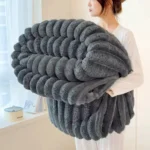 Teddy Bear Blanket
 Sheets
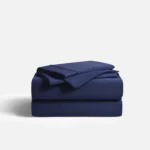 SuperCool+ Starter Sheet Set
 SuperCool+ Flat Sheet
 SuperCool+ Fitted Sheet
 Pillowcases
 SuperCool+ Pillowcases
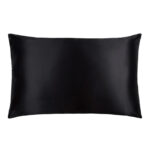 Cooling Silk Pillowcase
 Mattress Protectors
 Quilted Mattress Protector
 Waterproof Mattress Protector
 Floor Mats

Satin vs Silk Pillowcase

What Are Satin and Silk Pillowcases?
Before comparing the two, it helps to understand what each material actually is.
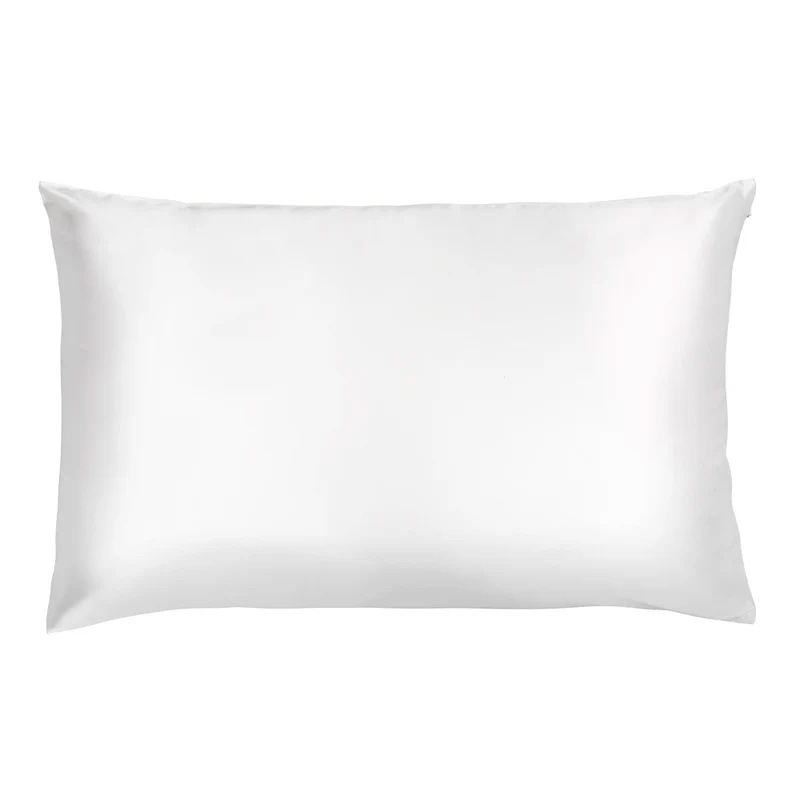
Your pillow shouldn’t steal your glow while you sleep. The lululinens LUXY LU 100% Mulberry Silk Pillowcase reduces friction, minimizes sleep creases, and keeps hair frizz-free. Pure mulberry silk offers temperature-regulating softness that’s hypoallergenic and gentle. Wake up looking as rested as you feel.
Silk is a natural protein fiber. Silkworms produce it during cocoon formation. Humans have harvested and woven it for over 5,000 years. The most common type used in bedding is Mulberry silk, which comes from silkworms fed exclusively on mulberry leaves. It produces a fine, consistent, and durable thread.
Satin is not a fiber. It is a weave structure. Satin weave creates a smooth, glossy surface by floating yarns over multiple threads before tucking under. Satin can be made from silk, polyester, nylon, acetate, or rayon. When people say “satin pillowcase,” they usually mean a polyester satin or microfiber satin product unless stated otherwise.
This distinction matters. A satin pillowcase made from polyester is a very different product from a silk pillowcase, even if both look shiny.
A Brief History of Silk and Satin
Silk production, or sericulture, originated in ancient China around 2700 BCE. It was so prized that China guarded the process for centuries, making silk a luxury reserved for royalty and the wealthy. The Silk Road trade route gets its name from this single commodity.
Satin weaving also traces back to medieval China, where it was known as “zaytuni” cloth, named after the city of Quanzhou. European traders adopted the weave structure, and by the Renaissance, satin had become a status symbol in courts across France, Italy, and England.
Both materials crossed into everyday consumer use during the 20th century. The rise of synthetic fibers in the 1950s and 1960s made satin weave accessible at a low price point. True silk, however, remained a premium product due to the labor-intensive production process.
Technical Specifications: Silk vs Satin
| Feature | Silk Pillowcase | Polyester Satin Pillowcase |
|---|---|---|
| Material origin | Natural (silkworm) | Synthetic (petroleum-based) |
| Momme weight | 19–25 mm (bedding grade) | Not applicable |
| Breathability | High | Low |
| Moisture absorption | Low (does not strip skin) | Very low (non-absorbent) |
| Temperature regulation | Yes (warm in cold, cool in heat) | No |
| Hypoallergenic | Naturally hypoallergenic | May trap heat and bacteria |
| Friction on hair/skin | Very low | Low (higher than silk) |
| Durability | High with proper care | High; resistant to washing |
| Average price range | $40–$150+ per pillowcase | $5–$30 per pillowcase |
| Eco-friendliness | Biodegradable | Not biodegradable |
Understanding Momme Weight in Silk
Momme (mm) measures the density and weight of silk fabric. Higher momme means more silk threads per unit area, which translates to greater durability, a more opaque appearance, and a richer feel.
For pillowcases, the recommended momme range is:
- 16–19 mm: Lightweight, affordable, softer feel but less durable
- 19–22 mm: Best all-around for daily sleep use
- 22–25 mm: Heavy, durable, premium feel, long-lasting
Avoid silk products below 16 mm for nightly use. They will wear thin quickly.
Hair and Skin Benefits
Both satin and silk reduce friction compared to cotton. Cotton has a rough weave that grips hair strands and skin. This can cause sleep creases, hair breakage, and moisture loss overnight.
Silk Pillowcase Benefits
- Amino acid proteins in silk are chemically similar to human skin proteins. This supports skin hydration.
- Silk absorbs very little moisture. It does not pull natural oils or topical skincare products away from your face.
- The ultra-smooth surface reduces mechanical friction on hair cuticles. This reduces frizz, split ends, and breakage.
- Silk regulates temperature naturally. It keeps the sleep surface cool in summer and warm in winter.
- Dermatologists frequently recommend silk pillowcases for people with acne-prone skin, eczema, or sensitive skin because silk does not harbor bacteria as readily as cotton when kept clean.
Satin Pillowcase Benefits
- Polyester satin also reduces friction compared to cotton. It provides a smooth glide for both hair and skin.
- It is an excellent budget option for people wanting to reduce hair breakage without spending on silk.
- Satin does not absorb moisture, which helps retain some hydration at the skin surface.
- Many people with natural or textured hair use satin pillowcases or bonnets as an affordable protective measure.
Key Difference
Silk outperforms polyester satin in temperature regulation and skin compatibility. Polyester satin can trap heat and may feel clammy in warmer climates or during hot flashes. Silk breathes. If you sweat at night, silk is the stronger choice for skin health.
Your pillow shouldn’t steal your glow while you sleep. The lululinens LUXY LU 100% Mulberry Silk Pillowcase reduces friction, minimizes sleep creases, and keeps hair frizz-free. Pure mulberry silk offers temperature-regulating softness that’s hypoallergenic and gentle. Wake up looking as rested as you feel.
Maintenance and Care
Caring for Silk Pillowcases
Silk requires gentle handling to maintain its integrity.
- Hand wash in cool water with a pH-neutral or silk-safe detergent.
- If machine washing, use a mesh laundry bag and the delicate cycle with cold water.
- Never use bleach, enzyme-based detergents, or fabric softeners. These break down silk proteins.
- Do not wring or twist the fabric. Press gently between towels to remove water.
- Air dry flat or hang in the shade. Direct sunlight degrades silk fibers.
- Iron on the lowest setting with a pressing cloth, or steam lightly.
- Store away from direct light and moisture.
Caring for Polyester Satin Pillowcases
Satin made from polyester is far more forgiving.
- Machine wash on a gentle cycle with cold or warm water.
- Use a standard mild detergent.
- Avoid high heat in the dryer. Tumble dry on low or air dry.
- High heat can cause polyester to pill or lose its sheen.
- Iron on a low setting if needed, using a pressing cloth.
Polyester satin is the more practical choice for households with children, pets, or anyone who prefers low-maintenance bedding.
Environmental Considerations
Silk is a natural, biodegradable material. However, ethical concerns exist around the silkworm cocoon boiling process used in conventional sericulture. Some brands now offer peace silk (also called ahimsa silk), which allows the moth to emerge before harvesting. If sustainability matters to you, look for certified ethical or organic silk.
Polyester satin is derived from petroleum. It is not biodegradable and sheds microplastics during washing, which enter waterways. From an environmental standpoint, silk holds a clear advantage over polyester satin despite its higher cost.
Who Should Choose Silk?
Silk is the better choice if you:
- Have sensitive, acne-prone, or dry skin and want a sleep surface that supports skin health
- Experience hair damage, breakage, or frizz regularly
- Sleep hot and want a temperature-regulating pillowcase
- Prioritize natural, biodegradable materials
- Are investing in long-term bedding quality and can budget $40–$150+
Look for pillowcases with at least 19 momme weight and a OEKO-TEX Standard 100 or equivalent certification to ensure the silk is free from harmful chemicals.
Who Should Choose Satin?
Polyester satin is a practical choice if you:
- Need an affordable friction-reducing option for hair protection
- Have textured or natural hair and want a low-cost alternative to silk
- Prefer easy-care bedding that handles machine washing without stress
- Are trying pillowcase upgrades for the first time before committing to a higher price point
- Live in a cool climate where heat retention from polyester is not a concern
Steps to Choosing the Right Pillowcase
Follow these steps to make a confident decision:
- Set your budget. If you can spend $50 or more per pillowcase, silk is worth the investment. Under $30, quality satin is a strong option.
- Identify your skin and hair priorities. Acne-prone skin and fragile hair benefit more from true silk.
- Check your climate. Hot or humid sleepers should choose silk for its breathability.
- Confirm the material. Read product labels carefully. A product labeled “satin” without specifying silk is almost certainly polyester.
- Look for quality markers. For silk, check momme weight (19 mm minimum) and certifications. For satin, check thread count and weave density.
- Consider maintenance capacity. If you want easy, no-fuss laundering, satin wins. If you are prepared to hand wash or use a delicate cycle, silk is manageable.
- Buy from reputable sources. Cheap silk products on discount sites are often mislabeled. Purchase from dedicated linen brands with transparent sourcing.
Final Comparison: Silk vs Satin at a Glance
| Category | Silk Wins | Satin Wins |
|---|---|---|
| Skin health | ✓ | |
| Hair protection | ✓ | |
| Temperature regulation | ✓ | |
| Affordability | ✓ | |
| Easy care | ✓ | |
| Eco-friendliness | ✓ | |
| Durability | ✓ (long-term) | ✓ (short-term) |
| Availability | ✓ |
Both pillowcase types deliver a smoother sleep surface than standard cotton. The right choice depends on your budget, sleep habits, and personal priorities. For maximum skin and hair benefit, silk delivers results that polyester satin cannot fully replicate. For an accessible entry point into smooth-sleep bedding, a quality polyester satin pillowcase is a solid starting place.
Invest in the best quality you can afford. Your hair and skin spend roughly a third of every day on your pillow. The surface it rests on matters.
Your pillow shouldn’t steal your glow while you sleep. The lululinens LUXY LU 100% Mulberry Silk Pillowcase reduces friction, minimizes sleep creases, and keeps hair frizz-free. Pure mulberry silk offers temperature-regulating softness that’s hypoallergenic and gentle. Wake up looking as rested as you feel.