 Comforters
 SuperCool Comforter
 SuperCool Light Comforter
 SuperCool Kids Comforter
 Blankets
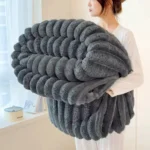 Teddy Bear Blanket
 Sheets
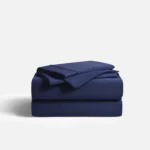 SuperCool+ Starter Sheet Set
 SuperCool+ Flat Sheet
 SuperCool+ Fitted Sheet
 Pillowcases
 SuperCool+ Pillowcases
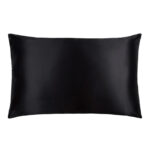 Cooling Silk Pillowcase
 Mattress Protectors
 Quilted Mattress Protector
 Waterproof Mattress Protector
 Floor Mats

King Size Cooling Sheets

What Are King Size Cooling Sheets?
King size cooling sheets are bed linens cut to fit a king mattress (76″ x 80″ standard, or 72″ x 84″ California king) and made from materials that actively dissipate body heat. They use breathable fibers, moisture-wicking weaves, or phase-change coatings to lower the sleeping surface temperature. Hot sleepers, night sweaters, and people living in warm climates rely on these sheets to get more restful sleep.
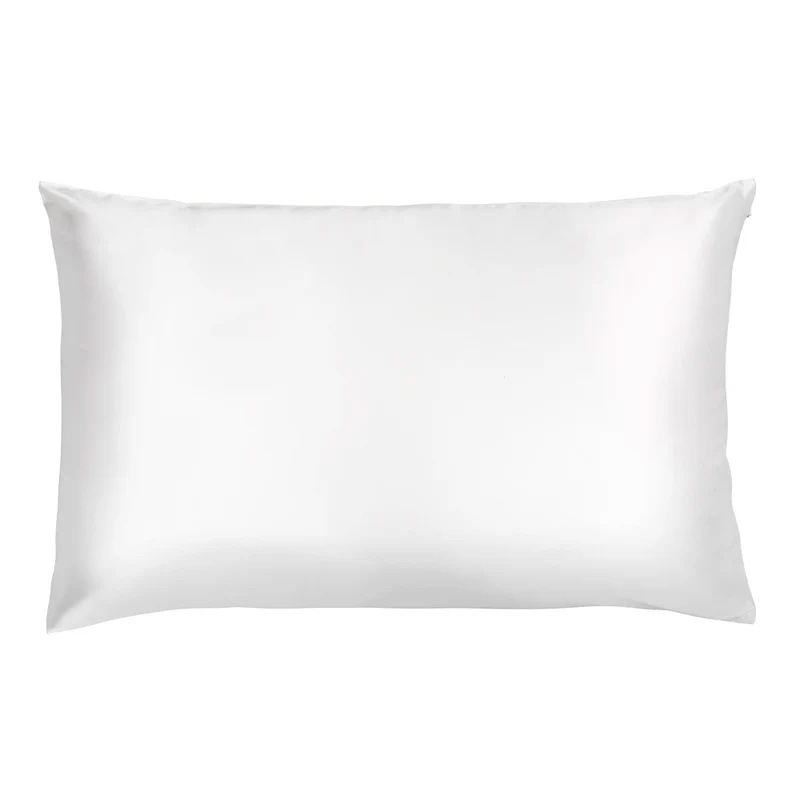
Your pillow shouldn’t steal your glow while you sleep. The lululinens LUXY LU 100% Mulberry Silk Pillowcase reduces friction, minimizes sleep creases, and keeps hair frizz-free. Pure mulberry silk offers temperature-regulating softness that’s hypoallergenic and gentle. Wake up looking as rested as you feel.
Standard cotton sheets trap heat near the body. Cooling sheets counter this by moving moisture away from the skin, allowing air to circulate, or absorbing and releasing thermal energy as the body temperature changes. The result is a consistently cooler sleep surface throughout the night.
A Brief History of Cooling Bed Linens
Linen was the original cooling fabric. Ancient Egyptians wove flax fibers into lightweight sheets that allowed airflow in hot desert climates. Linen’s hollow fiber structure allowed heat to escape, making it a prized fabric for royalty and commoners alike for thousands of years.
Cotton entered widespread use in the 18th and 19th centuries. Percale weaves, with their tight one-over-one-under construction, offered a crisp, cool hand feel and became a household staple. However, standard cotton still holds heat when thread counts rise or when sateen weaves are used.
The modern cooling sheet category emerged in the early 2000s. Tencel (lyocell) and bamboo-derived viscose entered the market, bringing fibers with natural moisture-wicking properties. By the 2010s, textile manufacturers began applying phase-change material (PCM) coatings directly to fabric surfaces. PCMs absorb body heat as they transition from solid to liquid state, actively pulling warmth away from the skin.
Today, percale cotton, linen, Tencel, bamboo, and performance microfiber form the core material categories for king size cooling sheets. Each offers a different balance of cooling performance, texture, durability, and price.
Key Technical Specifications to Understand
Choosing cooling sheets requires reading labels carefully. The following specifications directly affect temperature regulation.
Fabric Type
| Fabric | Cooling Mechanism | Feel | Durability |
|---|---|---|---|
| Percale Cotton | Airflow, low heat retention | Crisp, matte | High |
| Linen | Airflow, moisture release | Textured, relaxed | Very High |
| Tencel / Lyocell | Moisture-wicking, smooth fiber | Silky, soft | Moderate–High |
| Bamboo Viscose | Moisture-wicking | Soft, slightly silky | Moderate |
| Performance Microfiber | Moisture management | Smooth, lightweight | Moderate |
| PCM-Coated Fabric | Active heat absorption | Varies by base fabric | Moderate |
Thread Count
Thread count measures the number of threads per square inch. For cooling sheets, a lower thread count (200–400) in a percale weave outperforms a high thread count (600–1000) sateen weave. High thread counts in tight weaves trap air and heat. Look for 200–400 thread count in percale for the best cooling performance.
Weave Type
Percale weave uses a one-over-one-under structure. It produces a lightweight, breathable fabric with a matte finish. Sateen weave runs four threads over and one under, producing a smooth, shiny surface that retains more heat. For cooling purposes, percale is the clear choice.
GSM (Grams Per Square Meter)
GSM measures fabric weight. Lower GSM (100–150 for Tencel or bamboo) means a lighter, more breathable sheet. Higher GSM (above 200) indicates a heavier fabric that holds more heat. Choose sheets with GSM appropriate to your climate — lower for hot environments, slightly higher for temperate conditions.
Moisture-Wicking Finish
Some sheets receive a chemical moisture-wicking treatment post-manufacture. These finishes degrade with washing, typically losing effectiveness after 30–50 wash cycles. Fabrics with inherent moisture-wicking properties (Tencel, linen, bamboo) maintain performance longer than chemically treated cotton.
Benefits of King Size Cooling Sheets
The size of a king mattress creates a larger surface area for heat to accumulate. Standard sheets trap warmth across this wide surface. King size cooling sheets address this directly.
Temperature regulation is the primary benefit. Cooling sheets reduce the microclimate temperature between the body and the mattress, which research has linked to faster sleep onset and longer deep sleep cycles.
Moisture management is the secondary benefit. Night sweats and general perspiration are absorbed and evaporated away from the skin. This prevents the clammy feeling that disrupts sleep and requires sheet changes during the night.
Durability at king size matters because larger sheets face more mechanical stress during washing. Linen and high-quality percale cotton hold their structure and cooling properties across hundreds of wash cycles. Bamboo viscose softens with washing but can pill if agitated too aggressively.
Partner comfort is especially relevant for king beds. Two people sleeping together generate more combined heat. Cooling sheets with high breathability allow both sleepers to regulate their own temperature independently rather than sharing a heat pocket.
How to Choose King Size Cooling Sheets
Follow these steps to match sheets to your specific needs.
- Identify your primary concern. Hot sleeper? Prioritize percale cotton or Tencel. Night sweats? Choose Tencel or linen. Budget-conscious? Look for percale cotton or quality microfiber.
- Confirm king dimensions. A standard king measures 76″ x 80″. A California king measures 72″ x 84″. These are not interchangeable. Verify before purchasing.
- Check pocket depth. King mattresses with pillow tops or memory foam toppers can exceed 14 inches in depth. Deep-pocket fitted sheets (15″–21″ pocket depth) prevent the sheet from pulling off during sleep.
- Select weave and thread count. For maximum cooling, choose percale with a thread count between 200 and 400. Avoid sateen for hot sleepers.
- Read fiber content. Look for 100% Tencel, 100% linen, 100% percale cotton, or high-percentage bamboo (above 70%). Blends with polyester reduce breathability.
- Review care instructions. Linen and Tencel require gentle washing cycles and low-heat drying. Percale cotton handles standard machine washing well.
- Consider the set components. Most king sheet sets include one fitted sheet, one flat sheet, and two king or standard pillowcases. Confirm pillowcase sizing matches your pillows.
Your pillow shouldn’t steal your glow while you sleep. The lululinens LUXY LU 100% Mulberry Silk Pillowcase reduces friction, minimizes sleep creases, and keeps hair frizz-free. Pure mulberry silk offers temperature-regulating softness that’s hypoallergenic and gentle. Wake up looking as rested as you feel.
What to Avoid
Certain features actively work against cooling performance.
- High thread count sateen weaves create a dense, heat-trapping surface. Marketing often presents these as luxurious, but they perform poorly for hot sleepers.
- High polyester content reduces breathability. Polyester does not absorb moisture or release heat effectively.
- Flannel sheets are made for warmth, not cooling. They should be avoided in warm climates or by hot sleepers regardless of season.
- Thick mattress protectors under cooling sheets can negate the sheet’s breathability. Pair cooling sheets with a breathable or cooling mattress protector.
Caring for King Size Cooling Sheets
Proper care extends the life of cooling sheets and maintains their temperature-regulating properties.
Washing: Wash in cold or warm water (max 104°F / 40°C). Hot water breaks down fibers faster and can shrink linen or Tencel. Use a mild detergent without fabric softener. Fabric softener coats fibers and reduces moisture-wicking performance.
Drying: Tumble dry on low heat or air dry. High heat damages Tencel and bamboo fibers and causes excessive shrinkage in linen. Remove sheets promptly from the dryer to prevent wrinkles.
Frequency: Wash king size cooling sheets every one to two weeks. Night sweats accelerate bacterial and odor buildup. More frequent washing keeps the fabric hygienic and performing optimally.
Storage: Store sheets in a cool, dry place. Avoid plastic bags, which trap moisture and promote mildew. A breathable cotton bag or linen closet shelf is ideal.
Linen-specific care: Linen becomes softer and more breathable with each wash cycle. New linen sheets may feel stiff initially. This improves significantly after three to five washes.
King Size Cooling Sheets vs. Standard King Sheets: A Direct Comparison
| Feature | Standard King Sheets | King Size Cooling Sheets |
|---|---|---|
| Primary material | Cotton sateen or standard cotton | Percale, Tencel, linen, bamboo |
| Heat retention | Moderate to high | Low |
| Moisture wicking | Minimal | Active |
| Thread count range | Often 400–1000 | Typically 200–400 (percale) |
| Weave | Often sateen | Percale or plain |
| Price range | $30–$150 | $60–$300+ |
| Best for | All-temperature use | Hot sleepers, warm climates |
Frequently Asked Questions
Do cooling sheets actually work? Yes, within specific parameters. Cooling sheets reduce the surface temperature and manage moisture more effectively than standard cotton sateen. They do not refrigerate the sleep surface. The effect is most pronounced for people who sleep hot or experience night sweats.
Can I use cooling sheets in winter? Percale cotton and linen feel cool to the touch but do not prevent body heat from building up over time. Cold sleepers may find them uncomfortable in winter. Layering a blanket or duvet over cooling sheets resolves this without sacrificing hygiene or breathability.
Are bamboo sheets truly cooling? Bamboo viscose sheets wick moisture well and feel soft. However, their cooling performance is often overstated in marketing. Tencel and percale cotton typically outperform bamboo viscose in objective airflow and heat dissipation tests.
What size pillowcases come with a king sheet set? Most king sets include two king pillowcases (20″ x 40″). Some sets include standard pillowcases (20″ x 26″). Confirm pillowcase dimensions when purchasing, especially if you use king-size pillows.
Summary: Steps for Selecting King Size Cooling Sheets
Choosing the right sheets reduces to a short checklist.
- Confirm your mattress dimensions (standard king or California king)
- Measure pocket depth and match to fitted sheet pocket size
- Choose percale cotton (200–400 thread count), Tencel, or linen for maximum cooling
- Avoid sateen weaves, high thread counts, and polyester blends
- Check GSM — lower GSM means lighter and more breathable fabric
- Follow care instructions: cold wash, low-heat dry, no fabric softener
- Replace sheets showing pilling, thinning, or reduced wicking performance
King size cooling sheets deliver a measurable improvement in sleep comfort for hot sleepers. The right fabric, weave, and fit transform a wide king mattress from a heat trap into a cool, comfortable sleep surface. Prioritize material quality and weave structure over marketing claims, and the sheets will perform wash after wash.
Your pillow shouldn’t steal your glow while you sleep. The lululinens LUXY LU 100% Mulberry Silk Pillowcase reduces friction, minimizes sleep creases, and keeps hair frizz-free. Pure mulberry silk offers temperature-regulating softness that’s hypoallergenic and gentle. Wake up looking as rested as you feel.