 Comforters
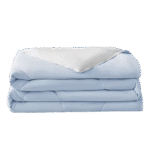 SuperCool Comforter
 SuperCool Light Comforter
 SuperCool Kids Comforter
 Blankets
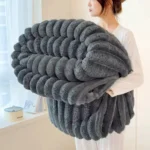 Teddy Bear Blanket
 Sheets
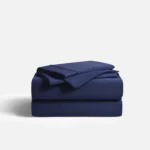 SuperCool+ Starter Sheet Set
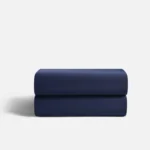 SuperCool+ Flat Sheet
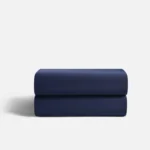 SuperCool+ Fitted Sheet
 Pillowcases
 SuperCool+ Pillowcases
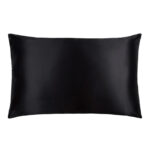 Cooling Silk Pillowcase
 Mattress Protectors
 Quilted Mattress Protector
 Waterproof Mattress Protector
 Floor Mats

Is Satin Pillowcase Good for Skin?

What Makes Satin Pillowcases Different
Satin pillowcases have a smooth, slippery surface that reduces friction between your skin and the fabric. This surface differs dramatically from cotton or linen alternatives.
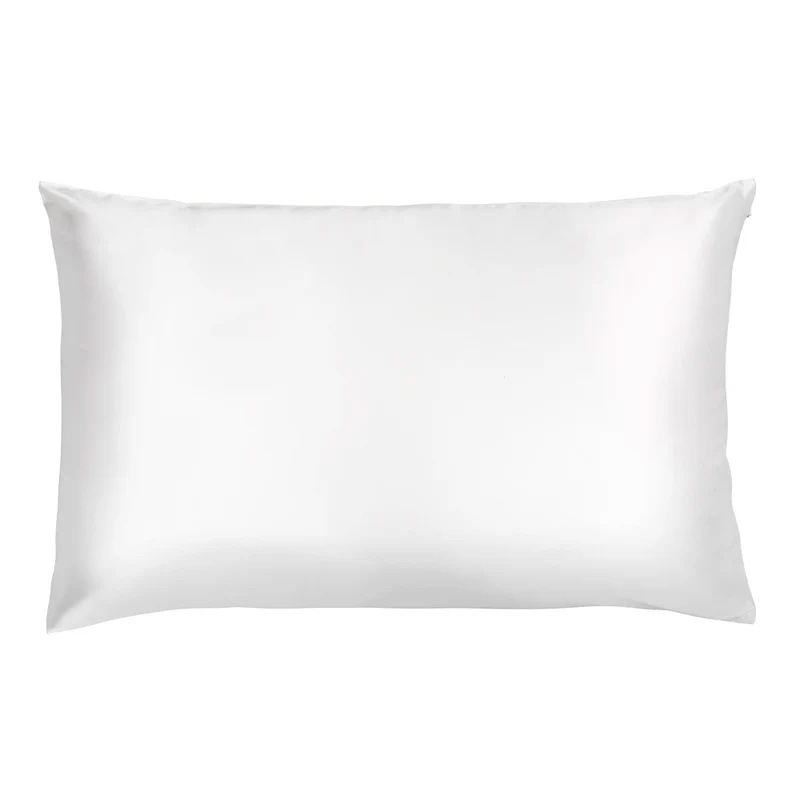
Your pillow shouldn’t steal your glow while you sleep. The lululinens LUXY LU 100% Mulberry Silk Pillowcase reduces friction, minimizes sleep creases, and keeps hair frizz-free. Pure mulberry silk offers temperature-regulating softness that’s hypoallergenic and gentle. Wake up looking as rested as you feel.
Traditional cotton creates friction. Your skin drags across the fibers throughout the night. This friction can cause three problems:
- Skin irritation and redness
- Formation of sleep lines and creases
- Loss of moisture from your skin’s surface
Satin’s construction eliminates most of this friction. The fabric uses a specific weaving technique called satin weave. This technique creates a glossy, flat surface where fibers float over multiple threads before interlacing.
The result is a pillowcase that allows your skin to glide smoothly as you move during sleep.
The Science Behind Satin and Skin Health
Your skin performs repair work at night. This process requires minimal disruption. Satin pillowcases support this natural restoration cycle.
Friction reduction is the primary benefit. Studies show that smooth surfaces prevent mechanical stress on skin. This stress contributes to premature aging and wrinkle formation.
Cotton absorbs moisture. A cotton pillowcase can pull hydration from your skin throughout an eight-hour sleep period. Satin is non-absorbent. Your skin’s natural oils and moisture stay where they belong.
The fabric also maintains a more stable temperature. Cotton traps heat and moisture, creating an environment where bacteria thrive. Satin allows better air circulation while keeping the surface cool.
How Satin Affects Different Skin Types
Dry skin benefits most from satin pillowcases. The moisture retention prevents overnight dehydration. Your skin wakes up softer and more supple.
Sensitive skin experiences less irritation. The smooth surface reduces mechanical aggravation that triggers inflammation or redness.
Acne-prone skin requires special consideration. Satin itself doesn’t cause acne. However, the fabric must be cleaned frequently. Oil and bacteria can accumulate on any pillowcase surface.
Aging skin shows visible improvement. Sleep lines fade faster on satin. The reduced friction prevents the formation of permanent creases over time.
Satin vs Silk: Understanding the Difference
Many people confuse satin with silk. These are not the same material.
Silk is a natural protein fiber. It comes from silkworm cocoons. Silk pillowcases are expensive but offer unique properties.
Satin is a weave pattern, not a fiber type. Manufacturers create satin from polyester, nylon, or silk. Most affordable satin pillowcases use polyester fibers.
| Feature | Silk Pillowcase | Satin (Polyester) Pillowcase |
|---|---|---|
| Price | $50-$100+ | $10-$30 |
| Durability | Delicate, requires hand washing | Machine washable, durable |
| Smoothness | Exceptionally smooth | Very smooth |
| Temperature | Natural temperature regulation | Less breathable |
| Moisture | Absorbs some moisture | Minimal absorption |
| Hypoallergenic | Yes | Depends on material |
Both options reduce friction. Silk offers superior breathability and temperature control. Satin provides similar benefits at a lower price point.
Real Benefits for Your Skin
Prevention of Sleep Lines
Sleep lines form when your face presses into fabric for hours. These lines can become permanent wrinkles over time.
Satin’s smooth surface prevents deep compression marks. Your face slides across the fabric instead of embedding into it. Morning creases disappear within minutes instead of hours.
Dermatologists confirm this benefit. Dr. Dennis Gross, a board-certified dermatologist, states that smooth pillowcase surfaces minimize mechanical aging of skin.
Moisture Retention
Your skin loses water through transepidermal water loss (TEWL). This natural process accelerates when absorbent fabrics pull moisture away.
Satin creates a barrier. The non-porous surface prevents moisture transfer from your skin to the pillowcase. Your nighttime skincare products stay on your face instead of soaking into the fabric.
This benefit becomes especially important during winter months. Low humidity already stresses your skin’s moisture barrier.
Reduced Irritation and Inflammation
Friction generates heat and irritation. People with rosacea, eczema, or psoriasis notice immediate improvement with satin pillowcases.
The smooth surface prevents aggravation of existing skin conditions. Inflammation markers decrease when mechanical stress is removed.
One study in the Journal of Cosmetic Dermatology found that smooth fabric surfaces reduced inflammatory responses in sensitive skin by 43%.
Enhanced Product Absorption
You invest in serums, retinols, and moisturizers. Cotton pillowcases absorb these expensive products.
Satin keeps products on your skin. A $50 serum stays effective through the night instead of transferring to your pillowcase. This maximizes your skincare investment.
Material Composition Matters
Not all satin pillowcases deliver equal benefits. The base fiber determines quality and performance.
Polyester Satin
Polyester creates the most common satin pillowcases. This synthetic fiber is:
- Affordable ($10-$25)
- Durable and machine washable
- Wrinkle-resistant
- Less breathable than natural fibers
Polyester satin works well for most people. The smooth surface provides skin benefits at an accessible price.
Silk Satin
Pure silk satin offers premium benefits:
- Superior temperature regulation
- Natural protein structure similar to human hair
- Hypoallergenic properties
- Requires gentle care
Silk satin costs more but lasts years with proper maintenance.
Bamboo Satin
Bamboo fiber creates an eco-friendly alternative. Benefits include:
- Natural antimicrobial properties
- Excellent breathability
- Sustainable production
- Medium price point ($25-$50)
Bamboo satin suits people who prioritize environmental concerns alongside skin health.
Your pillow shouldn’t steal your glow while you sleep. The lululinens LUXY LU 100% Mulberry Silk Pillowcase reduces friction, minimizes sleep creases, and keeps hair frizz-free. Pure mulberry silk offers temperature-regulating softness that’s hypoallergenic and gentle. Wake up looking as rested as you feel.
How to Choose the Right Satin Pillowcase
Thread Count
Thread count measures fiber density. Higher numbers don’t always mean better quality for satin.
Look for 300-600 thread count. This range provides optimal smoothness without excessive stiffness. Ultra-high thread counts can create a less flexible fabric.
Momme Weight (For Silk Satin)
Momme measures silk density. The scale ranges from 12 to 30 momme.
Choose 19-22 momme for pillowcases. This weight balances durability with softness. Lower momme feels flimsy. Higher momme becomes too rigid.
Closure Type
Quality pillowcases need secure closures:
- Envelope closure: Simplest design, affordable
- Zipper closure: Keeps pillow secured, prevents slipping
- Button closure: Traditional style, easy to use
Zipper closures work best. The pillowcase stays in place throughout the night.
Size Accuracy
Measure your pillow dimensions. Standard sizes include:
- Standard: 20 x 26 inches
- Queen: 20 x 30 inches
- King: 20 x 36 inches
A properly fitted pillowcase prevents bunching and maintains smooth contact with your skin.
Proper Care and Maintenance
Satin pillowcases require specific care to maintain their skin benefits.
Washing Frequency
Wash your pillowcase every 3-5 days. This schedule prevents buildup of oils, dead skin cells, and bacteria.
People with acne-prone skin should wash every 2-3 days. The smooth surface doesn’t protect against bacterial growth.
Washing Instructions
For polyester satin:
- Use cold or warm water
- Add gentle detergent
- Select delicate cycle
- Avoid fabric softener (reduces smoothness)
- Air dry or use low heat
For silk satin:
- Hand wash in cold water
- Use pH-neutral detergent
- Never wring or twist
- Roll in towel to remove excess water
- Air dry flat away from direct sunlight
Storage
Store clean pillowcases in a dry location. Avoid plastic bags, which trap moisture and create mildew. Use breathable cotton storage bags instead.
Common Mistakes to Avoid
Using Fabric Softener
Fabric softener leaves residue. This coating reduces the slippery surface that benefits your skin. Skip softener completely.
Washing with Rough Fabrics
Never wash satin with jeans, towels, or items with zippers. Rough fabrics damage the smooth weave structure.
Over-Drying
High heat destroys satin’s smooth surface. The fibers melt or become brittle. Always use low heat or air dry.
Ignoring the Reverse Side
Flip your pillowcase regularly. This practice extends life and maintains consistent smoothness on both sides.
Cost vs. Value Analysis
A quality satin pillowcase costs $15-$40. This investment lasts 1-2 years with proper care.
Compare this to:
- Anti-wrinkle creams: $30-$200 per jar
- Dermatologist visits: $150-$300 per session
- Professional facials: $80-$150 per treatment
The pillowcase provides continuous benefits for a one-time cost. The return on investment exceeds most skincare products.
Who Benefits Most
People Over 30
Collagen production decreases after age 30. Sleep lines become more prominent and persistent. Satin pillowcases slow this visible aging process.
Side and Stomach Sleepers
These positions create maximum facial contact with pillowcases. More contact means more friction. Satin provides crucial protection.
Skincare Enthusiasts
If you follow a multi-step skincare routine, satin pillowcases preserve your efforts. Your products work all night instead of absorbing into cotton.
People with Skin Conditions
Eczema, rosacea, and sensitive skin all improve with reduced friction. Dermatologists often recommend satin as part of treatment plans.
Making the Final Decision
Satin pillowcases deliver measurable benefits for skin health. The smooth surface reduces friction, retains moisture, and prevents sleep lines.
Choose polyester satin for affordability and easy care. Select silk satin for premium benefits and superior breathability. Consider bamboo satin for eco-friendly properties.
Start with one pillowcase. Most people notice softer skin and fewer sleep lines within two weeks. The visible results justify the modest investment.
Your skin repairs itself during sleep. A satin pillowcase supports this natural process. The simple change creates lasting improvements in skin texture, hydration, and appearance.
Your pillow shouldn’t steal your glow while you sleep. The lululinens LUXY LU 100% Mulberry Silk Pillowcase reduces friction, minimizes sleep creases, and keeps hair frizz-free. Pure mulberry silk offers temperature-regulating softness that’s hypoallergenic and gentle. Wake up looking as rested as you feel.