 Comforters
 SuperCool Comforter
 SuperCool Light Comforter
 SuperCool Kids Comforter
 Blankets
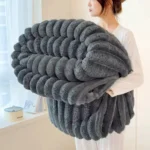 Teddy Bear Blanket
 Sheets
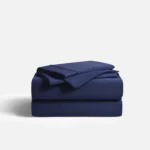 SuperCool+ Starter Sheet Set
 SuperCool+ Flat Sheet
 SuperCool+ Fitted Sheet
 Pillowcases
 SuperCool+ Pillowcases
 Cooling Silk Pillowcase
 Mattress Protectors
 Quilted Mattress Protector
 Waterproof Mattress Protector
 Floor Mats

Is Satin Pillowcase Good for Hair?

What Makes Satin Pillowcases Different for Hair Health
Satin pillowcases create less friction against hair strands than cotton alternatives. This reduced friction means hair slides smoothly across the surface during sleep. Cotton fibers grip hair shafts and create tension that leads to breakage and split ends.
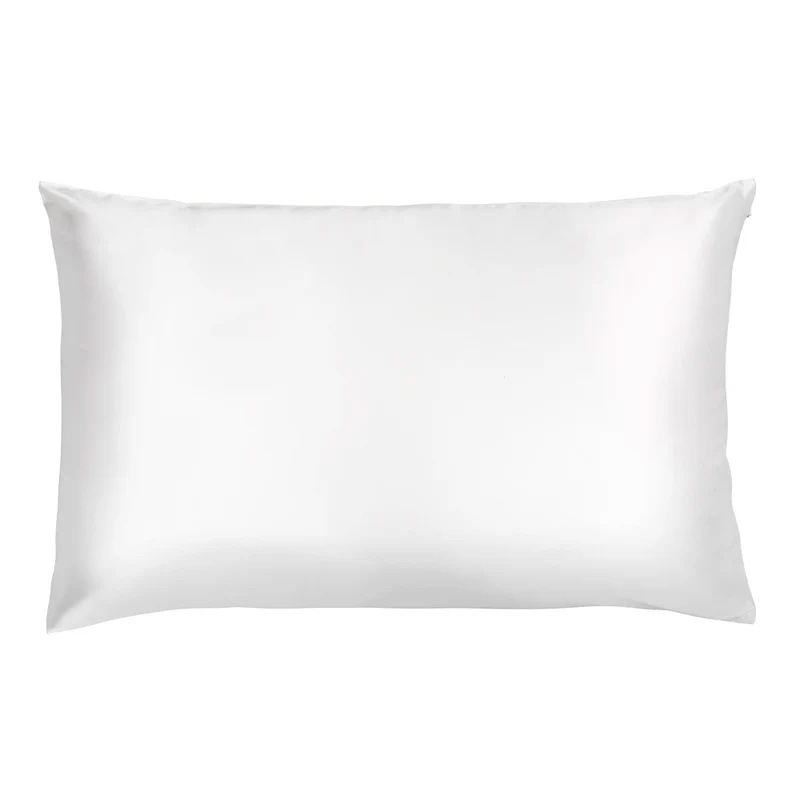
Your pillow shouldn’t steal your glow while you sleep. The lululinens LUXY LU 100% Mulberry Silk Pillowcase reduces friction, minimizes sleep creases, and keeps hair frizz-free. Pure mulberry silk offers temperature-regulating softness that’s hypoallergenic and gentle. Wake up looking as rested as you feel.
The smooth surface of satin prevents moisture absorption from hair. Cotton pillowcases pull natural oils and water from hair strands throughout the night. This absorption leaves hair dry and brittle by morning. Satin maintains the hair’s natural hydration levels.
Hair cuticles stay flat against satin surfaces. Rough textures lift these protective scales and cause damage. Smooth satin keeps cuticles sealed and protects the inner hair structure.
The Science Behind Satin and Hair Protection
Hair damage occurs through mechanical stress during sleep. The average person moves 40 to 60 times per night. Each movement creates friction between hair and pillowcase fabric.
Friction coefficient measures how much resistance exists between two surfaces. Cotton has a friction coefficient of 0.5 to 0.7 against hair. Satin ranges from 0.2 to 0.3. This difference means satin creates 50-60% less friction than cotton.
Research shows that reduced friction preserves the hair’s protective cuticle layer. Studies on textile effects demonstrate that smooth surfaces maintain hair strength and elasticity better than rough fabrics.
The molecular structure of satin weaves creates a glossy, smooth surface. This structure comes from the satin weave pattern itself, not necessarily the fiber content. The weave floats threads over multiple perpendicular threads, creating long smooth sections.
Satin vs. Silk: Understanding the Materials
Many people confuse satin with silk. These terms describe different aspects of fabric:
- Silk refers to a natural protein fiber produced by silkworms
- Satin describes a weaving technique that creates a smooth, glossy surface
| Feature | Silk Satin | Polyester Satin |
|---|---|---|
| Material Source | Natural silkworm protein | Synthetic polymer fibers |
| Price Range | $40-$100+ | $10-$30 |
| Durability | Delicate, requires special care | Machine washable, very durable |
| Hair Benefits | Excellent friction reduction | Good friction reduction |
| Temperature Regulation | Natural breathability | Less breathable |
| Moisture Properties | Natural moisture balance | Moisture-wicking varies |
Both silk satin and polyester satin provide hair protection benefits. The key factor is the smooth surface created by the satin weave. Polyester satin offers similar friction reduction at a lower price point.
Specific Hair Benefits of Satin Pillowcases
Reduces Breakage and Split Ends
Hair breakage happens when mechanical stress exceeds the hair shaft’s tensile strength. Cotton pillowcases create stress points through friction. These stress points accumulate damage over weeks and months.
Satin eliminates most friction-based stress. Hair glides across the surface without catching or pulling. This protection becomes especially important for:
- Chemically treated hair (colored, permed, or relaxed)
- Heat-damaged hair from styling tools
- Fine or thin hair types
- Curly or coily hair textures
Prevents Frizz and Tangles
Frizz occurs when the hair cuticle lifts and allows moisture imbalance. Rough pillowcase surfaces lift cuticles mechanically through friction. This lifting creates the characteristic frizzy appearance.
Satin keeps cuticles flat and sealed. Smooth cuticles reflect light evenly and create a shiny appearance. The hair also tangles less because individual strands don’t catch on the fabric or each other.
Maintains Hairstyles Longer
Blowouts, curls, and straightened styles last longer on satin pillowcases. The reduced friction preserves styling efforts. Many hairstylists recommend satin pillowcases to extend salon results.
Protective hairstyles like braids and twists also benefit. These styles experience less friction at the hairline and edges. This protection helps prevent traction alopecia in vulnerable areas.
Preserves Natural Oils
Sebum production occurs at the scalp and travels down hair shafts. This natural oil protects and moisturizes hair. Cotton absorbs sebum throughout the night, forcing hair to produce more oil to compensate.
Satin allows sebum to remain on hair where it belongs. This preservation creates better moisture balance. Hair feels softer and looks healthier without additional products.
Historical Context of Satin in Hair Care
Satin fabric dates back to medieval China during the 12th century. The weaving technique spread along trade routes to Europe and the Middle East. Wealthy individuals used satin for clothing and bedding because of its luxury appearance.
The connection between satin and hair health emerged in African American communities during the early 20th century. Women protecting natural hair textures discovered that satin preserved curl patterns and reduced damage. This knowledge passed through generations as traditional hair care wisdom.
Professional hairstylists began recommending satin pillowcases in the 1970s and 1980s. The beauty industry recognized the scientific basis for these recommendations. Research on textile effects on hair grew during the 1990s and 2000s.
Today, dermatologists and trichologists (hair and scalp specialists) regularly suggest satin pillowcases as part of comprehensive hair care routines.
Who Benefits Most from Satin Pillowcases
Curly and Coily Hair Types
Curly hair has an elliptical cross-section that creates natural bends. These bends make hair more fragile at curve points. Friction at these points causes breakage.
Coily hair (type 4 textures) shows the most dramatic improvement with satin pillowcases. The tight curl pattern means more vulnerable points along each strand. Satin protection prevents breakage at these critical areas.
Benefits for curly and coily hair include:
- Preserved curl definition overnight
- Less morning detangling required
- Reduced breakage at the hairline
- Maintained moisture levels
- Less product needed for styling
Color-Treated and Processed Hair
Chemical treatments alter hair’s protein structure. This alteration reduces tensile strength and makes hair more susceptible to damage. Satin provides the gentle surface these weakened strands need.
Color molecules can leach out through damaged cuticles. By keeping cuticles sealed, satin helps preserve color vibrancy longer. This preservation extends time between coloring appointments.
Long Hair
Hair length correlates with age. The ends of long hair may be several years old and have accumulated significant environmental damage. This older hair needs maximum protection during sleep.
Long hair also creates more friction opportunities through increased surface area contact with pillowcases. Satin reduces friction across the entire length.
Fine or Thinning Hair
Fine hair has a smaller diameter and less structural strength. This hair type breaks easily under friction stress. Satin’s gentle surface prevents the mechanical damage that leads to visible thinning.
People experiencing hair loss also benefit. Satin reduces stress on fragile new growth and existing strands.
Technical Specifications to Consider
Thread Count
Thread count measures the number of threads per square inch. Higher thread counts create smoother, more durable satin. Look for these ranges:
- Good: 300-400 thread count
- Better: 400-600 thread count
- Best: 600+ thread count
Thread count matters more for durability than hair benefits. Even lower thread count satin provides friction reduction.
Momme Weight (for Silk Satin)
Momme (mm) measures silk fabric density. One momme equals 4.340 grams per square meter. Higher momme weights indicate heavier, more durable silk:
- 16-19 mm: Lightweight, affordable
- 19-22 mm: Medium weight, good durability
- 22-25 mm: Heavy weight, luxury quality
For pillowcases, 19-22 momme provides the best balance of durability and comfort.
Envelope vs. Zipper Closure
Pillowcase closure types affect convenience:
Envelope closures use overlapping fabric flaps. These closures require no hardware and create a smooth sleeping surface. The pillow may slip out more easily.
Zipper closures secure pillows completely. Quality zippers don’t catch hair. Hidden zippers provide the smoothest surface.
Your pillow shouldn’t steal your glow while you sleep. The lululinens LUXY LU 100% Mulberry Silk Pillowcase reduces friction, minimizes sleep creases, and keeps hair frizz-free. Pure mulberry silk offers temperature-regulating softness that’s hypoallergenic and gentle. Wake up looking as rested as you feel.
Proper Care and Maintenance
Washing Guidelines
Proper washing preserves satin’s smooth surface and extends pillowcase life.
For polyester satin:
- Wash in cold water on gentle cycle
- Use mild detergent without fabric softener
- Avoid bleach or harsh chemicals
- Air dry or tumble dry on low heat
For silk satin:
- Hand wash in cold water with pH-neutral detergent
- Alternatively, use gentle machine cycle in mesh bag
- Never wring or twist the fabric
- Air dry away from direct sunlight
- Iron on low heat if needed (inside out)
Cleaning Frequency
Wash satin pillowcases every 5-7 days. This frequency removes oil, skin cells, and product buildup. Clean pillowcases maintain their friction-reducing properties.
Keep two or three pillowcases in rotation. This system ensures you always have a clean option available.
Storage
Store clean satin pillowcases in a cool, dry place. Avoid direct sunlight, which can degrade fibers over time. Fold gently to prevent permanent creases.
Additional Benefits Beyond Hair Care
Skin Health
Satin pillowcases benefit facial skin through similar friction-reduction mechanisms. The smooth surface prevents sleep lines and creases. Reduced friction means less pulling on delicate facial skin.
The moisture-retention properties help skin maintain hydration. This benefit matters for people with dry or sensitive skin conditions.
Allergy Considerations
Polyester satin resists dust mites better than cotton. The tight weave prevents mite penetration. This resistance helps people with dust mite allergies.
Silk satin has natural hypoallergenic properties. The protein structure resists mold, mildew, and dust mites. These qualities make silk ideal for allergy sufferers.
Temperature Regulation
Silk satin naturally regulates temperature. The fabric feels cool in summer and warm in winter. This thermoregulation creates comfortable sleep conditions year-round.
Polyester satin provides less temperature regulation. Some people find it too warm in summer months.
How to Choose Your Satin Pillowcase
Step 1: Determine Your Budget
Set a realistic budget based on these price ranges:
- Entry level: $10-$20 (polyester satin)
- Mid-range: $25-$40 (high-quality polyester or charmeuse)
- Premium: $50-$100+ (mulberry silk satin)
Step 2: Assess Your Hair Needs
Match pillowcase features to your specific hair concerns:
- Breakage issues: Any quality satin works
- Moisture loss: Silk satin provides best results
- Budget priority: Polyester satin delivers value
- Luxury preference: Mulberry silk offers premium experience
Step 3: Check Material Composition
Read product labels carefully. Verify the fiber content matches your preferences. Look for:
- 100% polyester satin for durability and value
- 100% mulberry silk for luxury and natural properties
- Blend fabrics (less common but available)
Step 4: Verify Size Compatibility
Measure your pillow dimensions. Standard pillowcase sizes include:
- Standard: 20″ x 26″
- Queen: 20″ x 30″
- King: 20″ x 36″
Purchase the size that matches your pillow for proper fit.
Step 5: Examine Construction Quality
Quality indicators include:
- Tight, even weave with no gaps
- Reinforced seams that won’t split
- Quality closure mechanism
- No loose threads or defects
Common Concerns and Solutions
“Will satin pillowcases make my hair oily?”
Satin preserves existing oils but doesn’t add more. Hair may appear oilier initially because natural oils aren’t being absorbed. This balance normalizes within 1-2 weeks.
“Do satin pillowcases work for all hair types?”
Yes. All hair types benefit from reduced friction. Straight hair experiences less tangles. Wavy, curly, and coily hair sees more dramatic improvements.
“How long do satin pillowcases last?”
Polyester satin lasts 2-3 years with proper care. Silk satin requires more delicate handling but can last 1-2 years. Quality directly affects longevity.
“Can I use satin pillowcases with hair treatments?”
Yes. Satin works well with leave-in treatments and oils. The fabric won’t absorb products like cotton does. This retention maximizes treatment effectiveness.
The Bottom Line on Satin Pillowcases
Satin pillowcases provide measurable benefits for hair health. The reduced friction prevents breakage, maintains moisture, and preserves hairstyles. These benefits apply to all hair types, with curly and chemically treated hair seeing the most improvement.
The choice between silk and polyester satin depends on budget and personal preferences. Both materials deliver the essential benefit of smooth surface texture. Polyester offers durability and value. Silk provides luxury and natural properties.
Investment in quality satin pillowcases pays dividends through healthier hair over time. The cost remains minimal compared to hair treatments and salon visits. Most users notice improvements within 2-3 weeks of consistent use.
Consider satin pillowcases an essential component of comprehensive hair care. Combine this simple change with proper washing techniques, gentle styling, and appropriate hair products for optimal results.
Your pillow shouldn’t steal your glow while you sleep. The lululinens LUXY LU 100% Mulberry Silk Pillowcase reduces friction, minimizes sleep creases, and keeps hair frizz-free. Pure mulberry silk offers temperature-regulating softness that’s hypoallergenic and gentle. Wake up looking as rested as you feel.