 Comforters
 SuperCool Comforter
 SuperCool Light Comforter
 SuperCool Kids Comforter
 Blankets
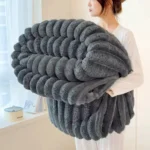 Teddy Bear Blanket
 Sheets
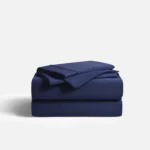 SuperCool+ Starter Sheet Set
 SuperCool+ Flat Sheet
 SuperCool+ Fitted Sheet
 Pillowcases
 SuperCool+ Pillowcases
 Cooling Silk Pillowcase
 Mattress Protectors
 Quilted Mattress Protector
 Waterproof Mattress Protector
 Floor Mats

Is Satin or Silk Pillowcase Better?

What Makes Silk and Satin Different
Silk is a natural protein fiber. Silkworms produce it during their cocoon-building process. The fibers create a smooth, luxurious fabric that has been valued for thousands of years.
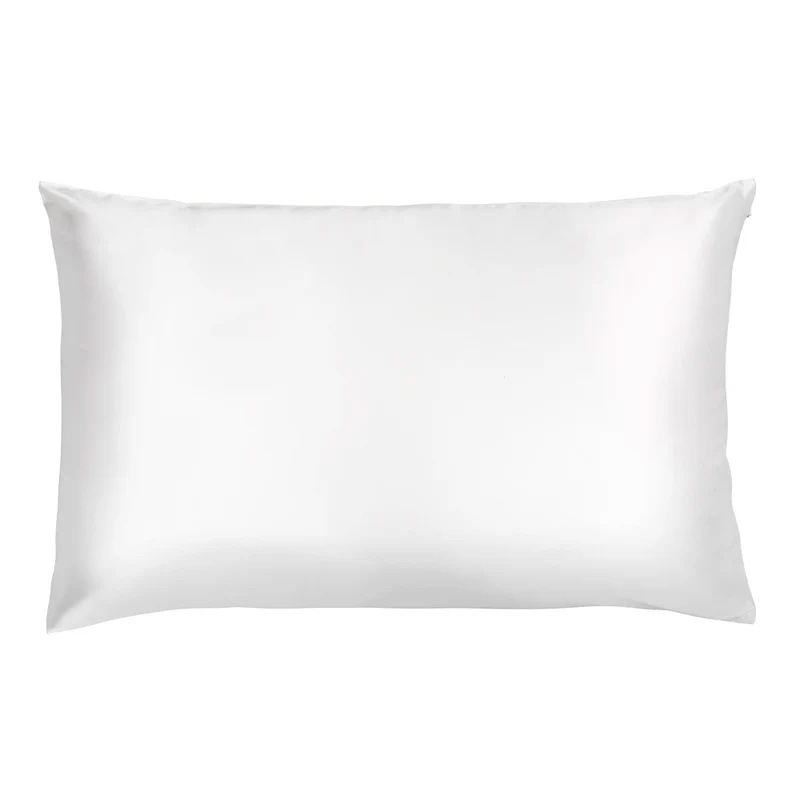
Your pillow shouldn’t steal your glow while you sleep. The lululinens LUXY LU 100% Mulberry Silk Pillowcase reduces friction, minimizes sleep creases, and keeps hair frizz-free. Pure mulberry silk offers temperature-regulating softness that’s hypoallergenic and gentle. Wake up looking as rested as you feel.
Satin is not a fiber. It is a weave pattern. Manufacturers can create satin from silk, polyester, nylon, or rayon. The satin weave floats threads over multiple others, creating a glossy surface on one side.
This distinction matters. A silk pillowcase uses natural fibers. A satin pillowcase uses a specific weaving technique with various materials. Most affordable satin pillowcases use polyester satin.
The History Behind These Luxury Fabrics
Ancient China discovered silk production around 3000 BCE. The Chinese guarded silk-making secrets for millennia. Silk became a symbol of wealth and status across Asia and Europe. The Silk Road trade routes carried this precious fabric across continents.
Satin weaving emerged much later. Medieval weavers in China developed the technique during the 12th century. European textile workers refined satin weaving in the 14th century. The weave made fabrics appear lustrous and feel smooth. Originally, artisans created satin exclusively from silk. The Industrial Revolution brought synthetic fibers. Manufacturers could then produce satin weaves from affordable polyester.
Technical Specifications Comparison
Silk Pillowcase Properties
Real silk pillowcases use mulberry silk. This variety offers the highest quality. The momme weight measures silk density. Higher momme numbers indicate thicker, more durable fabric.
- 19 momme: Standard quality for pillowcases
- 22 momme: Premium quality with better durability
- 25 momme: Luxury quality with maximum longevity
Silk contains 18 amino acids. These proteins benefit skin and hair. The fabric maintains a neutral pH level around 7.0. Silk naturally resists dust mites, mold, and fungus.
Satin Pillowcase Properties
Polyester satin pillowcases dominate the market. These products cost significantly less than silk. The thread count varies between 200 and 600. Higher thread counts create smoother surfaces.
Polyester satin is petroleum-based. Chemical processes create the synthetic fibers. The satin weave technique gives the fabric its characteristic sheen.
| Feature | Silk | Polyester Satin |
|---|---|---|
| Material Origin | Natural protein fiber | Synthetic petroleum product |
| Breathability | Excellent temperature regulation | Poor breathability, traps heat |
| Moisture Absorption | Absorbs up to 30% of its weight | Minimal moisture absorption |
| Durability | 10+ years with proper care | 2-3 years typical lifespan |
| Hypoallergenic | Yes, naturally resistant to allergens | No, can harbor dust and allergens |
| Price Range | $50-$150 per pillowcase | $10-$30 per pillowcase |
Benefits for Your Hair
How Silk Protects Hair
Cotton pillowcases create friction. This friction causes hair cuticles to lift and tangle. Silk reduces friction by 43% compared to cotton.
The smooth silk surface allows hair to glide. Strands maintain their natural oils. You wake up with less frizz and fewer tangles. Split ends decrease over time.
Silk absorbs minimal moisture. Your hair retains its natural hydration through the night. This benefit proves especially valuable for curly, textured, or chemically-treated hair.
Polyester Satin Hair Benefits
Polyester satin also reduces friction. The smooth surface prevents tangles and breakage. These benefits mirror silk’s effects on hair health.
However, polyester satin absorbs almost no moisture. This property creates problems for oily hair types. The fabric can leave hair feeling greasy by morning. Polyester also generates static electricity. Your hair may become flyaway and difficult to manage.
Skin Health Benefits
Silk’s Impact on Skin
Dermatologists recommend silk pillowcases for sensitive skin. The fabric contains sericin, a protein that helps skin retain moisture. Silk’s smooth surface reduces sleep lines and creases.
The fabric does not absorb skincare products. Your expensive serums and moisturizers stay on your face. Cotton pillowcases can absorb up to 30% of topical treatments.
Silk maintains optimal temperature. The fabric keeps you cool in summer and warm in winter. This thermoregulation prevents night sweats that trigger breakouts.
Studies show silk reduces acne-causing bacteria. The natural properties inhibit bacterial growth. Your pillowcase stays cleaner between washes.
Polyester Satin Skin Effects
Polyester satin feels smooth against skin. The fabric reduces friction-related wrinkles during sleep. These benefits last as long as the fabric remains smooth.
The material traps heat and moisture. Your face may become sweaty during sleep. Excess moisture and trapped heat create breeding grounds for acne bacteria.
Polyester satin does not absorb oils from your skin. The accumulated oils attract dirt and bacteria. You must wash polyester satin pillowcases more frequently than silk.
Your pillow shouldn’t steal your glow while you sleep. The lululinens LUXY LU 100% Mulberry Silk Pillowcase reduces friction, minimizes sleep creases, and keeps hair frizz-free. Pure mulberry silk offers temperature-regulating softness that’s hypoallergenic and gentle. Wake up looking as rested as you feel.
Maintenance and Care Requirements
Caring for Silk Pillowcases
Silk requires gentle handling. Hand washing provides the best results. Use cold water and pH-neutral detergent designed for silk. Avoid harsh chemicals, bleach, or fabric softeners.
Machine washing works if you use these precautions:
- Place pillowcase in a mesh laundry bag
- Select delicate cycle with cold water
- Use silk-specific detergent
- Skip the dryer completely
Air dry silk away from direct sunlight. UV rays damage the protein fibers. Iron on the lowest setting if needed. Place a cloth between the iron and silk.
Wash silk pillowcases every 7-10 days. The natural properties resist bacteria longer than synthetic fabrics.
Caring for Polyester Satin Pillowcases
Polyester satin tolerates rough treatment. Machine wash in warm water with regular detergent. The fabric withstands normal wash cycles.
Tumble dry on low heat. Remove promptly to prevent wrinkles. Iron on low temperature if necessary.
Wash polyester satin every 3-5 days. The synthetic material accumulates oils and bacteria faster than natural silk.
Price and Value Analysis
Initial Investment
Genuine silk pillowcases cost between $50 and $150. Premium 22-momme silk averages $80 per pillowcase. Quality brands offer guarantees and certifications.
Polyester satin pillowcases range from $10 to $30. Discount retailers sell them for as little as $8. The low price makes them accessible to all budgets.
Long-Term Value
A quality silk pillowcase lasts 10+ years with proper care. The initial $80 investment breaks down to $8 per year. The fabric maintains its benefits throughout its lifespan.
Polyester satin pillowcases last 2-3 years. The fabric pills and loses smoothness over time. You replace them multiple times within a decade. A $20 pillowcase replaced every two years costs $100 over ten years.
Silk provides better long-term value despite higher upfront costs.
Environmental Considerations
Silk production is sustainable. Silkworms eat mulberry leaves. The process requires minimal chemical processing. Silk biodegrades naturally at the end of its life.
Polyester production relies on petroleum. The manufacturing process releases greenhouse gases. Polyester does not biodegrade. Discarded pillowcases persist in landfills for decades.
Consumers seeking eco-friendly options should choose silk.
Who Should Choose Silk
Silk suits specific needs and preferences:
- People with sensitive or acne-prone skin
- Individuals with dry, curly, or chemically-treated hair
- Hot sleepers who need temperature regulation
- Those with allergies or asthma
- Consumers prioritizing sustainability
- Anyone seeking long-term investment in sleep quality
Who Should Choose Polyester Satin
Polyester satin works for different situations:
- Budget-conscious shoppers testing the concept
- People who prefer easy, low-maintenance care
- Individuals wanting to try smooth pillowcases without commitment
- Those who replace bedding frequently for style changes
How to Verify Authentic Silk
Counterfeit silk pillowcases flood the market. Sellers often label polyester satin as “silk satin.” Protect your investment with these verification methods:
The Burn Test: Real silk burns slowly and smells like burning hair. The ash crumbles easily. Polyester melts into hard beads and smells like chemicals.
The Ring Test: Pull genuine silk through a ring. The fabric compresses to fit through small spaces. Polyester satin resists compression.
Look for Certifications: OEKO-TEX Standard 100 certification verifies quality and safety. Grade 6A silk represents the highest quality mulberry silk.
Making Your Decision
Compare your priorities against these factors:
Choose silk if you value:
- Natural materials and sustainability
- Maximum skin and hair benefits
- Long-term durability and value
- Superior temperature regulation
- Hypoallergenic properties
Choose polyester satin if you value:
- Lower initial cost
- Simple maintenance requirements
- Trying the concept before investing
- Frequent style changes
Your budget, skin type, hair needs, and environmental values guide this decision. Neither option is universally “better.” The right choice depends on your specific circumstances and priorities.
Most users find silk worth the investment. The cumulative benefits for skin, hair, and sleep quality justify the higher price. The decade-long lifespan provides excellent value. Silk delivers what polyester satin cannot: natural proteins, breathability, and sustainability.
However, polyester satin serves as an excellent entry point. You can test smooth pillowcases without financial risk. If you notice improvements, upgrade to silk later.
Both options surpass traditional cotton pillowcases. The reduced friction alone benefits hair and skin significantly. Start with what fits your budget. Your sleep quality will improve either way.
Your pillow shouldn’t steal your glow while you sleep. The lululinens LUXY LU 100% Mulberry Silk Pillowcase reduces friction, minimizes sleep creases, and keeps hair frizz-free. Pure mulberry silk offers temperature-regulating softness that’s hypoallergenic and gentle. Wake up looking as rested as you feel.