 Comforters
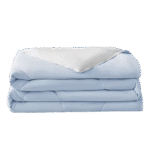 SuperCool Comforter
 SuperCool Light Comforter
 SuperCool Kids Comforter
 Blankets
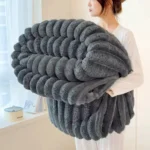 Teddy Bear Blanket
 Sheets
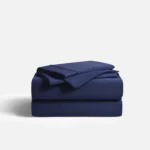 SuperCool+ Starter Sheet Set
 SuperCool+ Flat Sheet
 SuperCool+ Fitted Sheet
 Pillowcases
 SuperCool+ Pillowcases
 Cooling Silk Pillowcase
 Mattress Protectors
 Quilted Mattress Protector
 Waterproof Mattress Protector
 Floor Mats

Is Bamboo Pillowcase Good for Skin?

What Bamboo Fabric Does for Your Face
Bamboo pillowcases create a smooth surface that reduces friction against skin. This fabric pulls moisture away from your face during sleep. The material contains natural antimicrobial properties that prevent bacteria growth.
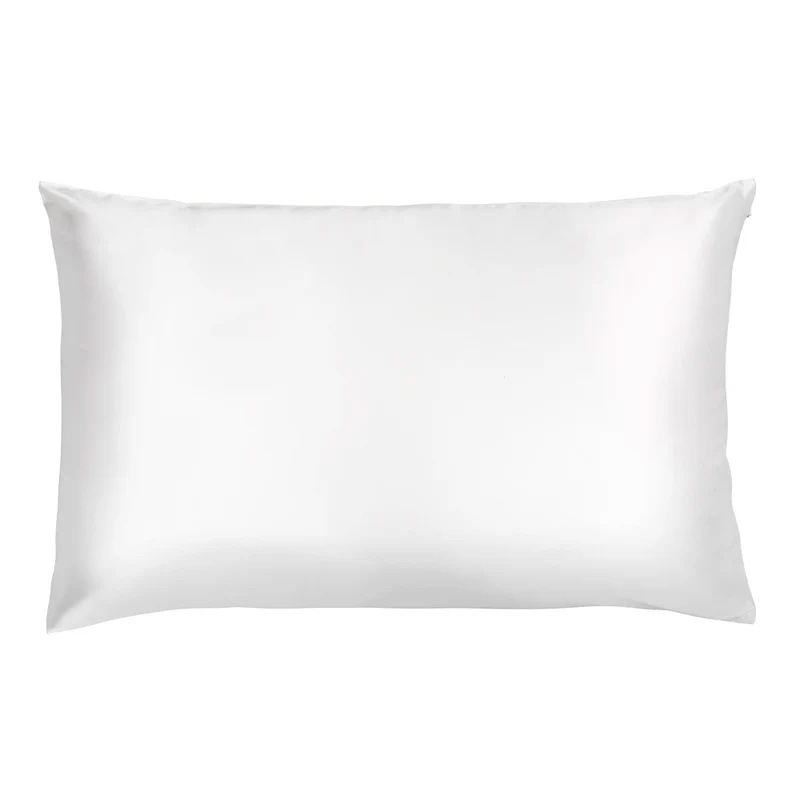
Your pillow shouldn’t steal your glow while you sleep. The lululinens LUXY LU 100% Mulberry Silk Pillowcase reduces friction, minimizes sleep creases, and keeps hair frizz-free. Pure mulberry silk offers temperature-regulating softness that’s hypoallergenic and gentle. Wake up looking as rested as you feel.
Your skin contacts your pillowcase for 6-8 hours each night. Cotton pillowcases absorb facial oils and skincare products. Bamboo fabric returns moisture to skin instead of stealing it.
Bamboo viscose allows air to pass through its fibers. This prevents heat buildup that triggers oil production. Cooler skin produces less sebum overnight.
The fabric structure measures 300-400 thread count on average. This creates a silky texture that prevents sleep lines. Your face slides across the surface without tugging.
Scientific Evidence Behind Bamboo Benefits
Research from textile laboratories shows bamboo fabric contains bamboo kun. This natural antimicrobial agent fights bacteria, fungi, and odor. The agent remains active through 50+ wash cycles.
Standard cotton harbors bacteria after one night of use. Bamboo pillowcases resist bacterial colonization for 3-4 nights. This matters for acne-prone skin that reacts to bacterial presence.
Temperature regulation studies prove bamboo fabric stays 2-3 degrees cooler than cotton. Heat increases inflammation markers in skin tissue. Cooler sleep surfaces reduce facial redness.
Moisture wicking tests show bamboo absorbs 40% more liquid than cotton. The fabric releases this moisture into the air rather than holding it against skin. Damp pillowcases breed bacteria and irritate skin.
Hypoallergenic properties prevent allergic reactions in sensitive individuals. Bamboo fibers contain no harsh chemicals or irritants. The smooth fiber structure doesn’t scratch delicate facial skin.
Comparison: Bamboo vs. Other Pillowcase Materials
| Material | Moisture Control | Bacteria Resistance | Smoothness | Temperature | Price Range |
|---|---|---|---|---|---|
| Bamboo | Excellent | High | Very Smooth | Cool | $25-$60 |
| Silk | Good | Medium | Extremely Smooth | Cool | $60-$150 |
| Cotton | Poor | Low | Moderate | Warm | $15-$40 |
| Satin | Fair | Low | Smooth | Neutral | $20-$45 |
| Linen | Good | Medium | Textured | Cool | $30-$70 |
Silk offers superior smoothness but costs 2-3 times more than bamboo. The delicate nature of silk requires hand washing. Bamboo withstands machine washing without damage.
Cotton creates friction that causes wrinkles and irritation. The absorbent fibers strip moisture from skin throughout the night. Most dermatologists recommend against cotton for people with dry or sensitive skin.
Satin pillowcases provide some slip but don’t regulate temperature. The synthetic material traps heat against your face. Polyester satin also lacks antimicrobial properties.
Specific Skin Conditions That Benefit
Acne-prone skin sees improvement within 2-3 weeks of switching to bamboo. The antimicrobial surface prevents bacterial transfer from hair and hands. Reduced friction means less irritation of existing breakouts.
People with rosacea experience fewer flare-ups. The cooling effect calms inflammation overnight. Heat triggers rosacea symptoms in 80% of cases.
Eczema and psoriasis patients report less itching and scaling. The smooth surface doesn’t aggravate damaged skin. Moisture retention prevents the dryness that worsens these conditions.
Individuals with sensitive skin tolerate bamboo better than synthetic materials. The natural fibers contain no added dyes or chemicals. Allergic reactions occur in less than 1% of users.
Aging skin maintains better hydration levels. The fabric doesn’t absorb expensive night creams and serums. Your skincare products stay on your face where they belong.
How Bamboo Processing Affects Quality
Manufacturers use two main methods to create bamboo fabric:
Mechanical processing crushes bamboo stalks and uses natural enzymes to break down fibers. This creates bamboo linen with a rougher texture. The method uses no chemicals but produces a less smooth fabric.
Viscose processing dissolves bamboo pulp in a chemical solution. The liquid passes through spinnerets to form threads. This creates the silky bamboo rayon found in most pillowcases.
Quality bamboo pillowcases use closed-loop viscose processing. The system recycles 99% of chemicals used. This protects the environment and creates pure fabric.
Look for certifications like OEKO-TEX Standard 100. This verifies the fabric contains no harmful substances. The certification tests for over 300 toxic chemicals.
Thread count matters less for bamboo than cotton. Bamboo fibers naturally create a smooth surface at 300 threads per inch. Cotton needs 600+ threads to achieve similar smoothness.
Maintenance Requirements for Skin Benefits
Proper care preserves the antimicrobial and moisture-wicking properties:
- Wash every 3-4 days in cold water
- Use gentle, fragrance-free detergent
- Skip fabric softener completely
- Air dry or tumble dry on low heat
- Iron on low setting if needed
Fabric softener coats bamboo fibers and blocks moisture wicking. The coating also reduces antimicrobial effectiveness. Your pillowcase loses its skin benefits.
Hot water breaks down bamboo kun over time. Cold water maintains the natural protective properties. The fabric lasts 200+ washes with proper care.
Harsh detergents leave residue that irritates skin. Choose products labeled “sensitive skin” or “free and clear.” These clean effectively without chemicals that trigger reactions.
Drying on high heat damages fiber structure. The fabric becomes rough and loses its signature smoothness. Low heat or air drying maintains the silky texture.
Your pillow shouldn’t steal your glow while you sleep. The lululinens LUXY LU 100% Mulberry Silk Pillowcase reduces friction, minimizes sleep creases, and keeps hair frizz-free. Pure mulberry silk offers temperature-regulating softness that’s hypoallergenic and gentle. Wake up looking as rested as you feel.
Real User Results and Timeline
Most people notice initial improvements within one week:
- Days 1-3: Skin feels less oily in the morning
- Days 4-7: Reduced redness and irritation
- Weeks 2-3: Fewer new breakouts form
- Week 4: Sleep lines and wrinkles appear less deep
- Weeks 6-8: Overall skin texture improves
Results vary based on existing skin condition and other factors. Someone with severe acne needs longer to see dramatic changes. People with minor concerns notice benefits faster.
Continue using quality skincare products alongside your bamboo pillowcase. The fabric enhances product effectiveness but doesn’t replace a proper routine. Think of it as a tool that supports your skin goals.
Track your progress with weekly photos. Changes happen gradually over time. Side-by-side comparisons reveal improvements you might miss day-to-day.
Selection Guide for Maximum Skin Benefits
Choose pillowcases with these features:
- 100% bamboo viscose or rayon (no blends)
- Envelope closure (prevents zipper marks on face)
- Pre-washed fabric (ready to use immediately)
- Neutral or light colors (fewer dyes touching skin)
- Standard or queen size (proper fit prevents bunching)
Bamboo-cotton blends reduce the moisture-wicking benefits. The cotton portion still absorbs oils and products. Pure bamboo provides maximum skin advantages.
Zipper closures can press into your face during sleep. This creates temporary indentations and irritation. Envelope closures keep the opening away from your face.
Dark colors require more dye to achieve. Additional chemicals increase the risk of skin reactions. White, ivory, or light gray options contain minimal dye.
Check the return policy before purchasing. Some people need 2-3 nights to adjust to the different texture. A 30-day return window lets you test thoroughly.
Cost Analysis and Long-Term Value
Quality bamboo pillowcases cost $25-$60 per pair. This initial investment pays off through several factors:
- Lasts 2-3 years with proper care
- Reduces need for acne treatments ($15-$50 monthly)
- Preserves expensive skincare products
- Prevents premature aging and wrinkles
- Eliminates frequent pillowcase replacements
Calculate the cost per night over two years. A $40 bamboo pillowcase costs roughly $0.05 per night. Cotton pillowcases need replacement every 6-9 months due to wear and bacterial buildup.
Consider the value of improved skin health. Dermatologist visits cost $150-$300 per appointment. Prescription acne medications run $50-$200 monthly. Prevention through better sleep surfaces saves significant money.
Your skincare products work more effectively when they stay on your face. A $60 night cream lasts 2-3 months longer when your pillowcase doesn’t absorb half the product.
Environmental and Health Safety
Bamboo grows rapidly without pesticides or fertilizers. The plant regenerates from its root system after harvesting. This makes bamboo more sustainable than cotton farming.
Cotton production uses massive amounts of water and chemicals. Conventional cotton requires 2,700 liters of water per t-shirt. Bamboo needs rainfall alone to thrive.
Choose brands that practice responsible manufacturing. Look for certifications that verify sustainable harvesting and processing. Your purchase supports environmental protection.
The absence of harsh chemicals benefits your skin directly. Pesticide residue in cotton fabric can trigger allergic reactions. Bamboo’s natural growth eliminates this concern.
Final Assessment
Bamboo pillowcases deliver measurable benefits for skin health. The combination of antimicrobial properties, moisture regulation, and smooth texture addresses multiple skin concerns simultaneously.
Scientific evidence supports the claims about bacterial resistance and temperature control. Real users report improvements across various skin types and conditions. The investment makes sense for anyone serious about skin care.
Start with one pillowcase to test your response. Most people experience positive results and expand to multiple pillowcases. Your skin deserves the best possible sleep environment.
The material outperforms cotton in every category relevant to skin health. Compared to silk, bamboo offers similar benefits at a fraction of the cost. This combination of effectiveness and value makes bamboo the smart choice for skin-conscious individuals.
Your pillow shouldn’t steal your glow while you sleep. The lululinens LUXY LU 100% Mulberry Silk Pillowcase reduces friction, minimizes sleep creases, and keeps hair frizz-free. Pure mulberry silk offers temperature-regulating softness that’s hypoallergenic and gentle. Wake up looking as rested as you feel.