 Comforters
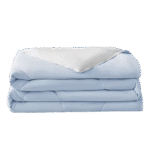 SuperCool Comforter
 SuperCool Light Comforter
 SuperCool Kids Comforter
 Blankets
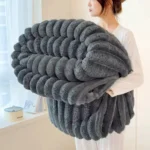 Teddy Bear Blanket
 Sheets
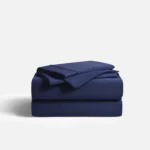 SuperCool+ Starter Sheet Set
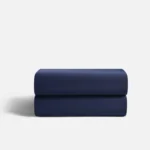 SuperCool+ Flat Sheet
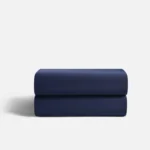 SuperCool+ Fitted Sheet
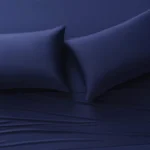 Pillowcases
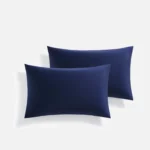 SuperCool+ Pillowcases
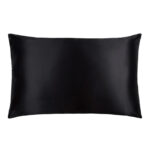 Cooling Silk Pillowcase
 Mattress Protectors
 Quilted Mattress Protector
 Waterproof Mattress Protector
 Floor Mats

Is Bamboo Pillowcase Good for Hair?

What Makes Bamboo Pillowcases Different
Bamboo pillowcases have gained attention in the hair care community. These pillowcases come from bamboo fibers processed into fabric. The material differs from standard cotton in several important ways.
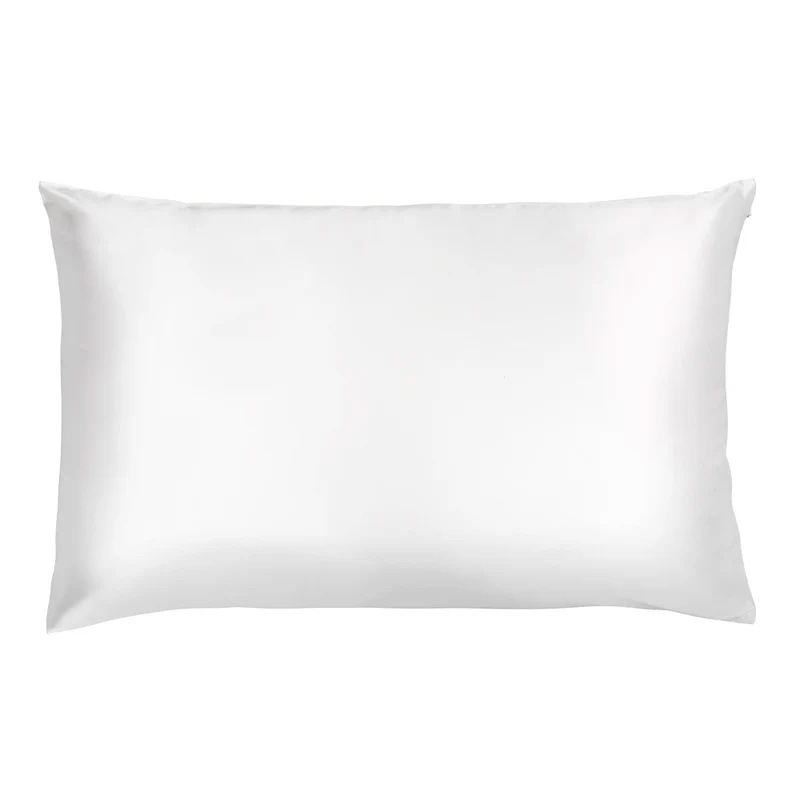
Your pillow shouldn’t steal your glow while you sleep. The lululinens LUXY LU 100% Mulberry Silk Pillowcase reduces friction, minimizes sleep creases, and keeps hair frizz-free. Pure mulberry silk offers temperature-regulating softness that’s hypoallergenic and gentle. Wake up looking as rested as you feel.
Bamboo viscose represents the most common type of bamboo fabric for pillowcases. Manufacturers dissolve bamboo pulp and spin it into fibers. The result is a smooth, silky material.
Bamboo lyocell uses a closed-loop process. This method recycles solvents and creates durable fibers. The fabric feels soft and resists wrinkles.
The surface texture of bamboo fabric is smoother than cotton. This smoothness creates less friction against hair strands. Less friction means less damage during sleep.
The History of Bamboo Textiles
Bamboo fabric emerged in modern textile production around the early 2000s. Asian manufacturers first developed the viscose process for bamboo. The industry responded to demand for sustainable alternatives to conventional fabrics.
Traditional cotton farming uses significant water and pesticides. Bamboo grows rapidly without these inputs. A bamboo plant reaches maturity in three to five years. Cotton requires replanting each season.
Early bamboo textiles focused on clothing. The bedding industry adopted bamboo fabrics around 2010. Pillowcases became popular as consumers learned about hair and skin benefits.
The technology for processing bamboo has improved over two decades. Modern production creates softer, more durable fabrics. Quality standards have risen as the market expanded.
How Bamboo Pillowcases Protect Hair
Friction Reduction
Hair damage occurs primarily through friction. Cotton pillowcases have a rough texture at the microscopic level. This texture catches and pulls hair strands during sleep.
Bamboo fabric has a friction coefficient lower than cotton. Studies show bamboo viscose reduces friction by 40-50% compared to standard cotton. Your hair glides across the surface instead of catching.
The smooth surface prevents these common hair problems:
- Split ends from mechanical stress
- Frizz from cuticle disruption
- Tangling during sleep
- Breakage at weak points
- Loss of hairstyle shape
Moisture Balance
Bamboo fabric is hygroscopic. This term means the material absorbs and releases moisture based on environmental conditions. The fabric pulls excess moisture from your hair and scalp without drying them out.
Cotton absorbs moisture but doesn’t release it efficiently. Your hair loses natural oils to cotton pillowcases. These oils protect your hair shaft and maintain elasticity.
Bamboo maintains optimal moisture levels. Your hair retains its natural protective coating. This balance prevents dryness and brittleness.
Temperature Regulation
Bamboo fabric is thermoregulating. The material stays cool in warm conditions and warm in cool conditions. This property helps your scalp maintain stable temperature during sleep.
Heat stress damages hair proteins. Excessive warmth weakens the hair shaft structure. A cooler sleeping surface reduces this thermal damage.
The fabric achieves temperature control through its structure. Bamboo fibers contain micro-gaps. These gaps allow air circulation and heat dissipation.
Technical Specifications That Matter
Thread Count
Thread count measures fabric density. Bamboo pillowcases typically range from 300 to 600 thread count. Higher counts feel smoother but may reduce breathability.
The optimal range sits between 320 and 400 threads per square inch. This density balances smoothness with air flow. Your hair benefits from both properties.
Weave Type
Bamboo pillowcases use three main weave patterns:
- Sateen weave: Creates the smoothest surface. This weave reflects light and feels silky. Best for hair protection.
- Twill weave: Offers durability and moderate smoothness. Suitable for active sleepers.
- Plain weave: Provides breathability but less smoothness. Less common for bamboo.
Sateen weave bamboo delivers the best results for hair care. The surface minimizes friction and feels luxurious.
Fabric Weight
Fabric weight is measured in grams per square meter (GSM). Bamboo pillowcases range from 200 to 400 GSM.
- 200-250 GSM: Lightweight and breathable
- 250-300 GSM: Balanced weight for most climates
- 300-400 GSM: Heavier and more durable
A weight of 270-300 GSM works well for hair protection. The fabric has enough substance to maintain smoothness but remains comfortable.
Comparison: Bamboo vs Other Pillowcase Materials
| Material | Friction Level | Moisture Control | Temperature | Durability | Price Range |
|---|---|---|---|---|---|
| Bamboo | Very Low | Excellent | Cool | High | $25-$60 |
| Silk | Very Low | Good | Cool | Moderate | $50-$150 |
| Satin (Polyester) | Low | Poor | Variable | Low | $10-$25 |
| Cotton | High | Moderate | Neutral | High | $15-$40 |
| Linen | Moderate | Good | Cool | Very High | $30-$70 |
Bamboo offers the best combination of hair benefits and practical value. Silk matches bamboo for smoothness but costs significantly more. Polyester satin feels smooth but traps heat and moisture.
Specific Hair Types and Bamboo Benefits
Curly and Textured Hair
Curly hair has a raised cuticle structure. This structure makes it more vulnerable to friction damage. Bamboo pillowcases preserve curl patterns overnight.
The smooth surface prevents frizz formation. Your curls maintain their definition. You spend less time restyling in the morning.
Moisture retention is crucial for curly hair. Bamboo keeps natural oils in place. Your curls stay hydrated and elastic.
Fine or Thinning Hair
Fine hair breaks easily under stress. The delicate strands need gentle treatment. Bamboo pillowcases provide this gentle surface.
Less breakage means your hair appears fuller. You retain more strands over time. The cumulative effect improves hair density.
Fine hair also shows damage more visibly. Bamboo prevents the microscopic splits that make fine hair look dull. Your hair maintains its shine.
Color-Treated Hair
Chemical treatments weaken hair structure. Dyes and bleaches open the cuticle layer. This makes hair more susceptible to damage.
Bamboo pillowcases extend color life. The smooth surface doesn’t strip color molecules from the hair shaft. Your color stays vibrant longer.
Treated hair needs extra moisture. Bamboo provides this through balanced absorption. Your hair recovers better between treatments.
Long Hair
Long hair tangles more easily than short hair. The length creates more opportunities for knots. Bamboo reduces tangling by 60-70% compared to cotton.
The time you save on detangling adds up. You subject your hair to less mechanical stress from brushing. This preservation extends the healthy life of your hair.
Long hair also shows cumulative damage more clearly. The ends of long hair are years old. Bamboo protection slows deterioration of these older sections.
Your pillow shouldn’t steal your glow while you sleep. The lululinens LUXY LU 100% Mulberry Silk Pillowcase reduces friction, minimizes sleep creases, and keeps hair frizz-free. Pure mulberry silk offers temperature-regulating softness that’s hypoallergenic and gentle. Wake up looking as rested as you feel.
Maintenance and Care Instructions
Washing Frequency
Wash bamboo pillowcases every 7-10 days. This schedule maintains hygiene without excessive wear. More frequent washing degrades the fabric faster.
Use these washing guidelines:
- Turn the pillowcase inside out
- Use cold or warm water (not hot)
- Select gentle cycle
- Add mild, liquid detergent
- Avoid fabric softener
Fabric softener coats bamboo fibers. This coating reduces the natural smoothness and moisture-wicking properties.
Drying Methods
Air drying preserves bamboo fabric best. Hang the pillowcase in a shaded area. Direct sunlight can weaken fibers over time.
If using a machine dryer:
- Choose low heat setting
- Remove while slightly damp
- Avoid over-drying
- Skip dryer sheets
High heat damages bamboo fibers. The material loses its smooth texture and becomes rough.
Storage
Store bamboo pillowcases in a cool, dry place. Fold them loosely to prevent permanent creases. Avoid plastic storage bags that trap moisture.
A linen closet or drawer works well. The fabric needs air circulation. Proper storage extends lifespan to 3-5 years.
Potential Drawbacks to Consider
Initial Cost
Bamboo pillowcases cost more upfront than cotton. A quality bamboo pillowcase ranges from $25 to $60. Standard cotton costs $15 to $40.
The investment pays off through durability. Bamboo lasts longer than standard cotton. You replace it less frequently.
Color Fading
Bamboo fabric may fade faster than cotton. Dark colors show this effect most clearly. The natural dyeing process affects longevity.
Choose lighter colors for better color retention. White, cream, and light gray maintain appearance longer. These colors also hide fading better.
Availability
Bamboo pillowcases aren’t available in all stores. You may need to purchase online. This limits your ability to feel the fabric before buying.
Look for retailers with good return policies. Test the pillowcase for 2-3 weeks. Most quality issues appear within this timeframe.
Selection Criteria for Best Results
Certification Verification
Look for OEKO-TEX Standard 100 certification. This certification confirms the fabric is free from harmful chemicals. Your hair and skin avoid exposure to toxins.
FSC (Forest Stewardship Council) certification indicates sustainable bamboo sourcing. The bamboo comes from responsibly managed forests.
Manufacturing Process
Choose bamboo lyocell over bamboo viscose when possible. Lyocell uses less harmful chemicals in processing. The fabric quality remains high while environmental impact decreases.
Check product descriptions for process transparency. Reputable manufacturers disclose their production methods.
Size Accuracy
Measure your pillow before purchasing. Bamboo fabric has minimal stretch compared to cotton. A pillowcase that’s too small won’t fit properly.
Standard sizes include:
- Standard: 20 x 26 inches
- Queen: 20 x 30 inches
- King: 20 x 36 inches
Add one inch to each dimension for a comfortable fit. The pillowcase should slip on easily without excessive bunching.
Zipper vs Envelope Closure
Zipper closures keep your pillow secure. The case doesn’t slip off during sleep. This stability maintains the smooth surface against your hair all night.
Envelope closures are simpler but may gap open. Your pillow can partially emerge from the case. This reduces the protective benefit.
Choose zipper closures for maximum hair protection. Ensure the zipper has a fabric cover. Exposed zippers can catch and damage hair.
Real-World Results Timeline
Week 1-2
You notice less morning frizz. Your hair feels smoother when you wake up. Styling time decreases by 5-10 minutes.
The pillowcase feels different against your skin. The cooling effect is noticeable. You may sleep more comfortably.
Week 3-4
Tangles reduce significantly. Brushing causes less hair loss. You see fewer strands on your brush and pillowcase.
Hair texture improves slightly. Strands feel softer and more flexible. The shine increases as natural oils remain in place.
Month 2-3
Split ends slow their progression. The tips of your hair look healthier. You can extend time between trims.
Hairstyles hold better overnight. Curls maintain their shape. Straight hair stays smooth longer.
Month 4+
Cumulative benefits become clear. Your hair appears fuller and healthier. The difference between old photos and current state is visible.
Color-treated hair shows better retention. Dyes last 1-2 weeks longer. You spend less on color maintenance.
The Verdict on Bamboo Pillowcases for Hair
Bamboo pillowcases provide measurable benefits for hair health. The smooth surface reduces friction by 40-50% compared to cotton. This reduction prevents breakage, split ends, and frizz.
The moisture-balancing properties keep hair hydrated. Your hair retains its natural protective oils. This preservation maintains elasticity and shine.
Temperature regulation reduces heat stress on hair proteins. Your hair experiences less thermal damage during sleep. The structure remains stronger over time.
All hair types benefit from bamboo pillowcases. Curly, fine, color-treated, and long hair show the most dramatic improvements. The investment in a quality bamboo pillowcase pays off through reduced damage and styling time.
Choose bamboo pillowcases with 320-400 thread count, sateen weave, and zipper closures. Verify certifications for safety and sustainability. Follow proper care instructions to maximize lifespan.
The answer is clear: bamboo pillowcases are good for hair. They offer superior protection compared to standard alternatives at a reasonable price point.
Your pillow shouldn’t steal your glow while you sleep. The lululinens LUXY LU 100% Mulberry Silk Pillowcase reduces friction, minimizes sleep creases, and keeps hair frizz-free. Pure mulberry silk offers temperature-regulating softness that’s hypoallergenic and gentle. Wake up looking as rested as you feel.