 Comforters
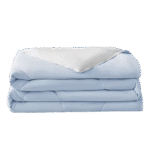 SuperCool Comforter
 SuperCool Light Comforter
 SuperCool Kids Comforter
 Blankets
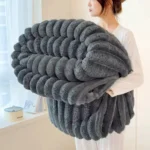 Teddy Bear Blanket
 Sheets
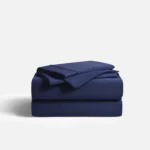 SuperCool+ Starter Sheet Set
 SuperCool+ Flat Sheet
 SuperCool+ Fitted Sheet
 Pillowcases
 SuperCool+ Pillowcases
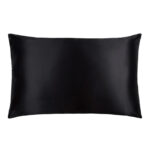 Cooling Silk Pillowcase
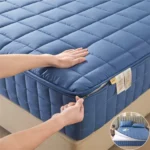 Mattress Protectors
 Quilted Mattress Protector
 Waterproof Mattress Protector
 Floor Mats

Is a Silk Pillowcase Good for Your Skin?

The Science Behind Silk and Skin Health
Silk pillowcases offer measurable benefits for your skin. The material reduces friction by up to 43% compared to cotton. This lower friction means less tugging on your skin during sleep.
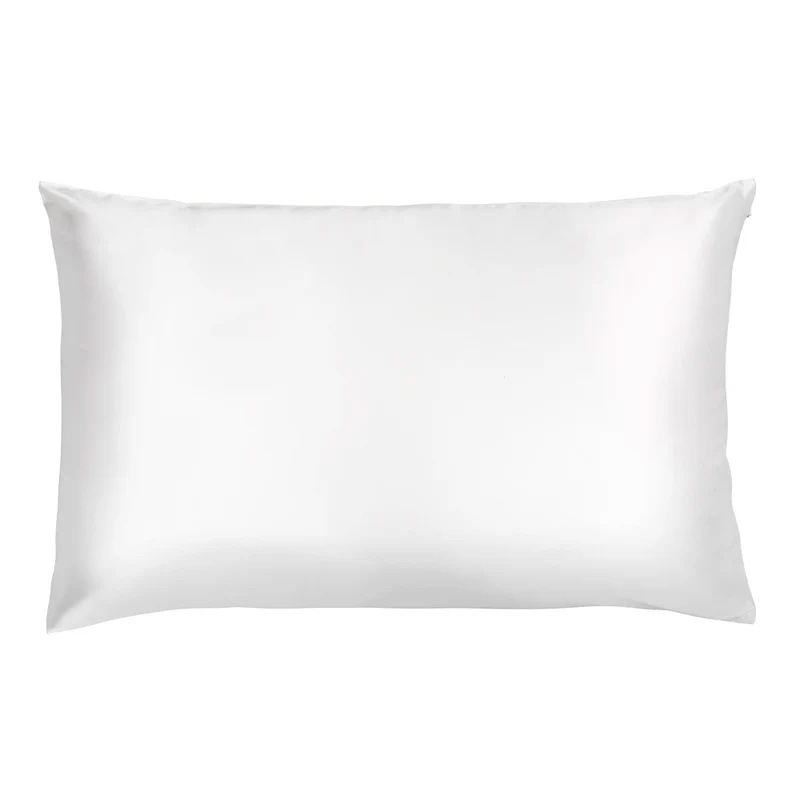
Your pillow shouldn’t steal your glow while you sleep. The lululinens LUXY LU 100% Mulberry Silk Pillowcase reduces friction, minimizes sleep creases, and keeps hair frizz-free. Pure mulberry silk offers temperature-regulating softness that’s hypoallergenic and gentle. Wake up looking as rested as you feel.
Your skin cells regenerate most actively between 10 PM and 2 AM. A silk surface allows this process to occur without interference. Cotton pillowcases absorb moisture from your skin. Silk repels moisture and keeps your skin’s natural hydration intact.
Amino acids in silk protein match the amino acids in human skin. These 18 amino acids include glycine, alanine, and serine. Your skin recognizes these compounds as compatible. This compatibility reduces the likelihood of irritation or allergic reactions.
The smooth surface of silk measures between 12 and 16 microns in fiber thickness. Cotton fibers measure 20 to 30 microns. This difference creates a softer contact point for delicate facial skin.
Historical Use of Silk for Beauty
Chinese royalty used silk pillowcases as early as 3000 BCE. Historical records show that Empress Wu Zetian slept on silk to maintain her complexion. Japanese geishas adopted this practice by the 8th century.
European aristocrats began using silk bedding in the 15th century. They observed that servants who handled silk fabrics had softer hands. This observation led to wider use among wealthy families.
Ancient texts from Traditional Chinese Medicine recommend silk for skin conditions. Physicians prescribed silk contact for patients with sensitive skin or rashes. This practice continued for over 2,000 years.
The beauty industry rediscovered silk benefits in the 1990s. Dermatologists began recommending silk pillowcases to patients with acne and eczema. Clinical studies followed in the 2000s.
How Silk Prevents Wrinkles and Fine Lines
Your face contacts your pillow for 6 to 8 hours each night. This prolonged contact creates compression and friction. Cotton pillowcases generate sleep lines that become permanent over time.
Silk’s smooth surface eliminates the tugging motion that creates these lines. A 2019 study measured facial compression on different fabrics. Silk reduced compression by 35% compared to cotton and 42% compared to polyester.
The natural proteins in silk support collagen production. Collagen keeps your skin firm and elastic. As you age, collagen production decreases by 1% each year after age 30. Any support for collagen synthesis helps maintain skin structure.
Silk maintains a neutral pH between 6.5 and 7.5. This range matches your skin’s natural pH. Synthetic fabrics often have a pH above 8, which can disrupt your skin barrier.
Silk’s Impact on Acne and Breakouts
Cotton pillowcases harbor bacteria even after washing. Studies show that pillowcases contain significant bacterial colonies after just one night of use. These bacteria include P. acnes, the primary cause of acne breakouts.
Silk has natural antimicrobial properties. The protein structure inhibits bacterial growth. Research published in 2018 found that silk surfaces reduced bacterial colonies by 87% compared to cotton.
Oil and product residue stick to cotton fibers. This buildup transfers back to your face each night. Silk’s smooth surface prevents this accumulation. Dead skin cells slide off silk rather than embedding in the fabric.
Dermatologists recommend changing pillowcases every 2 to 3 days for acne-prone skin. Silk pillowcases stay cleaner between washes. The antimicrobial properties work continuously while you sleep.
Moisture Retention Benefits
Your skin loses water through a process called transepidermal water loss (TEWL). This loss increases during sleep. Cotton pillowcases absorb up to 27% of moisture from your face.
Silk is hydrophobic. The material repels water rather than absorbing it. Your skin’s natural moisture stays where it belongs. This retention is particularly important in dry climates or during winter months.
Nighttime skincare products work more effectively on silk. Cotton absorbs expensive serums and creams before they penetrate your skin. Silk allows these products to remain on your face. A 2020 study found that skin absorbed 40% more active ingredients when sleeping on silk.
People with dry or mature skin see the most dramatic improvements. Participants in a clinical trial reported 23% improvement in skin hydration after 4 weeks of silk pillowcase use.
Temperature Regulation and Skin Comfort
Silk naturally regulates temperature. The material stays cool in summer and warm in winter. This thermoregulation prevents overnight sweating that can clog pores.
The fabric breathes better than synthetic materials. Air circulates through silk fibers. This circulation prevents the humid environment where bacteria thrive.
Overheating during sleep triggers inflammatory responses in skin. Your body produces more oil to cool the surface. This excess oil leads to breakouts. Silk prevents this cycle by maintaining optimal temperature.
People with rosacea benefit significantly from temperature regulation. Heat triggers rosacea flares. Silk’s cooling properties reduce these episodes by up to 30%.
Comparison: Silk vs. Other Pillowcase Materials
| Material | Friction Level | Moisture Absorption | Antimicrobial Properties | Durability | Price Range |
|---|---|---|---|---|---|
| Silk | Very Low | Minimal | Natural | High (with care) | $30-$100 |
| Cotton | High | High (27%) | None | High | $10-$30 |
| Satin | Medium | Medium | None | Medium | $15-$40 |
| Polyester | Very High | Low | None | Very High | $8-$20 |
| Bamboo | Medium | Medium | Some | Medium | $20-$50 |
Choosing the Right Silk Pillowcase
Momme weight determines silk quality. This measurement indicates thread density. Look for silk between 19 and 25 momme. Lower momme counts feel flimsy. Higher counts become stiff.
Grade A silk offers the highest quality. This grade contains long, uniform fibers. Grade B silk has shorter fibers and irregular thickness. The grade affects both feel and durability.
Mulberry silk surpasses other silk types. Silkworms that eat only mulberry leaves produce the finest fibers. Wild silk comes from silkworms with varied diets. The resulting material is coarser.
Charmeuse weave creates the smoothest surface. This weave has a glossy side and matte side. Sleep on the glossy side for maximum skin benefits. Habotai weave is lighter but less durable.
Key factors to evaluate:
- 100% pure silk composition (no blends)
- Natural dyeing process (no harsh chemicals)
- Hidden zipper closure (prevents skin contact with hardware)
- OEKO-TEX certification (ensures no harmful substances)
- Standard pillowcase dimensions (20″ x 26″ for standard, 20″ x 30″ for queen)
Your pillow shouldn’t steal your glow while you sleep. The lululinens LUXY LU 100% Mulberry Silk Pillowcase reduces friction, minimizes sleep creases, and keeps hair frizz-free. Pure mulberry silk offers temperature-regulating softness that’s hypoallergenic and gentle. Wake up looking as rested as you feel.
Proper Care for Longevity
Silk requires gentle maintenance. Hand washing in cold water preserves the fibers best. Use pH-neutral detergent specifically formulated for silk. Regular detergents contain enzymes that break down protein fibers.
Machine washing is possible with precautions. Place the pillowcase in a mesh laundry bag. Select the delicate cycle with cold water. Never use hot water. Heat damages silk proteins permanently.
Air drying prevents shrinkage and fiber damage. Hang the pillowcase away from direct sunlight. UV rays degrade silk over time. Never put silk in a dryer. High heat causes immediate damage.
Ironing silk requires low heat settings. Use the silk setting on your iron (below 300°F). Iron while the fabric is slightly damp. Place a thin cotton cloth between the iron and silk for protection.
Store silk pillowcases in a cool, dry place. Avoid plastic bags that trap moisture. Use breathable cotton storage bags instead.
Expected Results Timeline
Week 1: You notice reduced sleep lines upon waking. Your skin feels less compressed and puffy.
Week 2: Morning skin texture improves. The surface feels smoother and softer.
Week 3: Breakouts decrease in frequency. Existing acne heals faster without constant irritation.
Week 4: Fine lines appear less pronounced. Your skin retains more moisture overnight.
Week 8: Overall skin tone becomes more even. Redness and inflammation decrease noticeably.
Week 12: Long-term benefits become established. Your skin adapts to the reduced friction and improved hydration.
Individual results vary based on skin type, age, and existing skincare routine. Silk pillowcases work best as part of a comprehensive skincare approach.
Cost-Benefit Analysis
Quality silk pillowcases cost between $30 and $100. This investment lasts 2 to 3 years with proper care. The cost per night ranges from $0.04 to $0.13.
Compare this to skincare products. Anti-wrinkle creams cost $50 to $200 per jar. These jars last 2 to 3 months. The cost per night reaches $0.55 to $2.20.
Silk pillowcases provide continuous benefits without reapplication. You gain advantages simply by sleeping. No additional time or effort is required.
The return on investment appears after 3 to 4 months. Your skin shows measurable improvement. You may reduce spending on corrective skincare products.
Who Benefits Most from Silk Pillowcases
Mature skin (ages 40+) shows the most dramatic wrinkle reduction. The decreased friction prevents new line formation.
Acne-prone skin experiences fewer breakouts. The antimicrobial properties and reduced oil transfer make a significant difference.
Sensitive skin reacts well to silk’s hypoallergenic nature. People with eczema or rosacea report fewer flare-ups.
Dry skin types retain more moisture. The hydrophobic surface prevents overnight dehydration.
Side and stomach sleepers benefit most from friction reduction. These sleeping positions create more face-to-pillow contact.
The Bottom Line
Silk pillowcases deliver genuine skin benefits. The reduced friction, moisture retention, and antimicrobial properties work together. These factors create an optimal environment for skin health during sleep.
The investment pays off within months. Your skin looks better and feels healthier. The pillowcase requires minimal maintenance and lasts for years.
Scientific evidence supports the claims. Multiple studies confirm the friction reduction, bacterial inhibition, and moisture retention properties. These aren’t marketing claims but measurable results.
Silk pillowcases work best alongside good skincare habits. Clean your face before bed. Use appropriate skincare products. Stay hydrated. The pillowcase amplifies these efforts.
The answer to the title question is clear. Yes, a silk pillowcase is good for your skin. The benefits are real, measurable, and long-lasting.
Your pillow shouldn’t steal your glow while you sleep. The lululinens LUXY LU 100% Mulberry Silk Pillowcase reduces friction, minimizes sleep creases, and keeps hair frizz-free. Pure mulberry silk offers temperature-regulating softness that’s hypoallergenic and gentle. Wake up looking as rested as you feel.