 Comforters
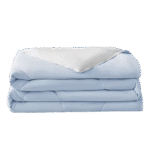 SuperCool Comforter
 SuperCool Light Comforter
 SuperCool Kids Comforter
 Blankets
 Teddy Bear Blanket
 Sheets
 SuperCool+ Starter Sheet Set
 SuperCool+ Flat Sheet
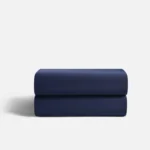 SuperCool+ Fitted Sheet
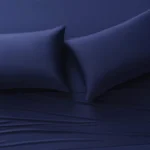 Pillowcases
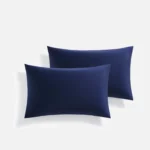 SuperCool+ Pillowcases
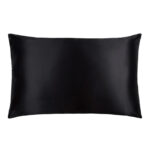 Cooling Silk Pillowcase
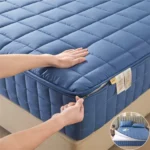 Mattress Protectors
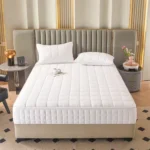 Quilted Mattress Protector
 Waterproof Mattress Protector
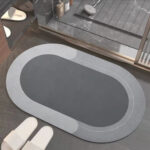 Floor Mats

Is a Sham a Pillowcase?

What Defines a Pillow Sham
A pillow sham serves as a decorative cover for pillows. It differs from a standard pillowcase in construction and purpose. The sham features an opening at the back, often closed with an overlapping flap, zipper, or button closure. This design keeps the sham securely in place without slipping off during use.
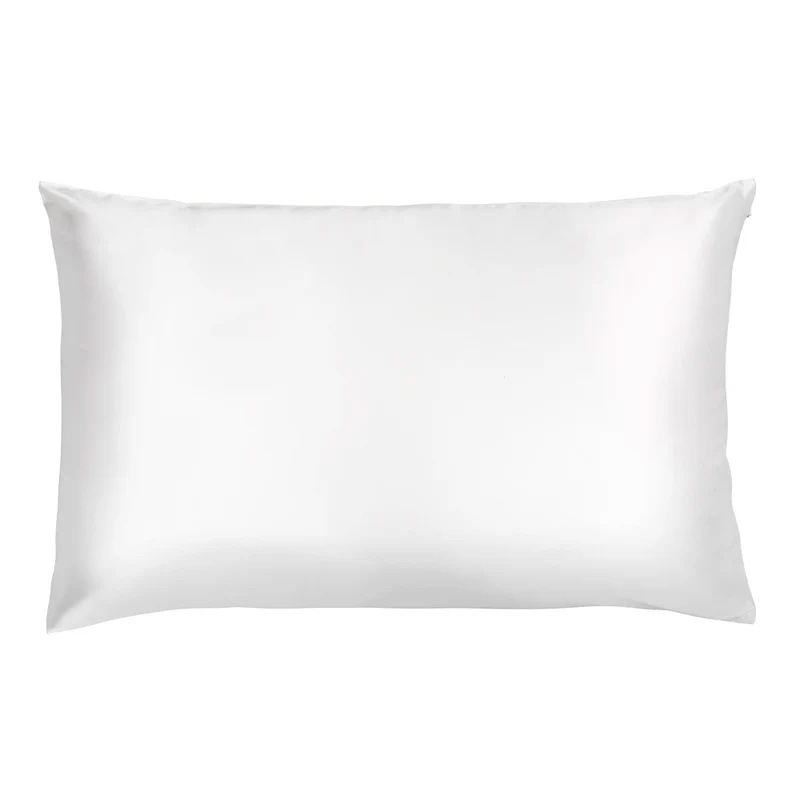
Your pillow shouldn’t steal your glow while you sleep. The lululinens LUXY LU 100% Mulberry Silk Pillowcase reduces friction, minimizes sleep creases, and keeps hair frizz-free. Pure mulberry silk offers temperature-regulating softness that’s hypoallergenic and gentle. Wake up looking as rested as you feel.
Shams typically measure larger than standard pillowcases. They accommodate decorative pillows or standard bed pillows while adding extra fabric for a fuller appearance. Most shams include a flange or border around the edges. This border creates a frame effect that enhances visual appeal.
The primary function of a sham focuses on aesthetics rather than nightly sleep. People display shams on beds during the day to create a polished, hotel-like appearance. They remove these covers before sleeping to preserve the decorative elements.
Standard Pillowcase Construction and Purpose
A pillowcase provides a functional cover for sleeping pillows. The design prioritizes comfort and practicality. Standard pillowcases feature an open-ended pocket construction. One end remains open or includes a simple hem fold to insert the pillow.
Pillowcases fit snugly around pillows without excess fabric. This tight fit prevents bunching or movement during sleep. The materials used emphasize softness and breathability. Cotton, linen, and silk represent common fabric choices.
People wash pillowcases frequently to maintain hygiene. The simple construction makes laundering easy. Users replace pillowcases multiple times per week in many households. This regular washing removes oils, dead skin cells, and allergens.
Historical Development of Decorative Bed Linens
Decorative bed coverings emerged in European households during the 16th century. Wealthy families displayed elaborate textiles to demonstrate status. Embroidered linens and silk fabrics adorned beds in royal chambers.
The Victorian era popularized layered bedding arrangements. Households added multiple decorative elements to create opulent displays. Pillow shams became standard components of formal bed dressing during this period.
American homes adopted decorative bedding practices in the early 20th century. Department stores marketed complete bedding sets that included matching shams. This trend made decorative bedding accessible to middle-class consumers.
Modern interior design revived interest in layered bedding during the 1980s and 1990s. Home decor magazines featured styled beds with multiple pillows and coordinated shams. This aesthetic remains popular in contemporary bedroom design.
Technical Specifications Comparison
| Feature | Pillow Sham | Pillowcase |
|---|---|---|
| Closure Type | Overlap flap, zipper, or buttons | Open-ended or envelope closure |
| Border Design | Flange or decorative trim (2-4 inches) | No border or minimal hem |
| Size Fit | Looser fit with extra fabric | Snug, form-fitting design |
| Fabric Weight | Medium to heavy weight materials | Lightweight, breathable fabrics |
| Primary Use | Decorative display | Nightly sleep protection |
| Washing Frequency | Monthly or seasonally | Weekly or bi-weekly |
| Price Range | $15-$80 per sham | $10-$50 per pair |
Size Variations and Measurements
Shams come in multiple standard sizes:
- Standard Sham: 20 x 26 inches (fits standard sleeping pillows)
- Queen Sham: 20 x 30 inches (fits queen-sized pillows)
- King Sham: 20 x 36 inches (fits king-sized pillows)
- Euro Sham: 26 x 26 inches (square decorative pillows)
- Boudoir Sham: 12 x 16 inches (small accent pillows)
Pillowcases follow sleeping pillow dimensions:
- Standard Pillowcase: 20 x 26 inches
- Queen Pillowcase: 20 x 30 inches
- King Pillowcase: 20 x 36 inches
- Body Pillowcase: 20 x 54 inches
The sham measurements include the flange border. The interior pocket measures smaller than the overall dimensions. Pillowcases measure the exact pillow size without additional decorative elements.
Fabric Selection and Quality Indicators
High-quality shams use durable fabrics that maintain shape after washing. Common materials include:
- Cotton sateen: Smooth surface with subtle sheen
- Linen blends: Textured appearance with natural wrinkles
- Velvet: Luxurious pile for formal settings
- Jacquard: Woven patterns for visual interest
- Embroidered cotton: Decorative stitching details
Pillowcase fabrics prioritize comfort against skin:
- Egyptian cotton: Long fibers create soft, strong fabric
- Percale weave: Crisp, cool feel with matte finish
- Jersey knit: Stretchy, t-shirt-like softness
- Bamboo viscose: Moisture-wicking properties
- Mulberry silk: Temperature regulating and hypoallergenic
Thread count indicates fabric density. Shams function well between 200-400 thread count. Higher counts add unnecessary weight for decorative pieces. Pillowcases benefit from 300-600 thread count for durability and comfort.
Benefits of Using Pillow Shams
Shams transform bedroom aesthetics instantly. They create visual cohesion when matched with duvet covers or quilts. The coordinated look elevates basic bedding into designer-quality arrangements.
A layered pillow arrangement adds depth and dimension. Three styling methods work effectively:
- European layer: Place euro shams at the back, standard shams in middle, sleeping pillows in front
- Symmetrical arrangement: Match sham pairs on each side of the bed
- Odd-number grouping: Use three or five pillows for balanced asymmetry
Shams protect decorative pillows from dust and fading. The removable covers allow cleaning without laundering pillow inserts. This protection extends the life of expensive throw pillows.
Guest bedrooms benefit significantly from shams. The polished appearance creates a welcoming environment. Visitors perceive the space as well-maintained and thoughtfully prepared.
Practical Advantages of Standard Pillowcases
Pillowcases directly impact sleep quality and skin health. Clean cases reduce acne-causing bacteria. Dermatologists recommend changing pillowcases every two to three days for clear skin.
The smooth fabric surface minimizes hair friction. This reduction prevents breakage and frizz formation during sleep. Silk pillowcases provide maximum hair protection.
Allergen control improves with regular pillowcase washing. Dust mites accumulate in pillow fibers over time. Frequent laundering removes these allergens and reduces respiratory irritation.
Cooling pillowcases with moisture-wicking properties regulate temperature. Hot sleepers benefit from bamboo or Tencel fabrics. These materials draw heat away from the body throughout the night.
Multiple pillowcase sets allow rotation between washings. Owning three to four sets per pillow ensures clean options remain available. This rotation system maintains hygiene without daily laundering.
Your pillow shouldn’t steal your glow while you sleep. The lululinens LUXY LU 100% Mulberry Silk Pillowcase reduces friction, minimizes sleep creases, and keeps hair frizz-free. Pure mulberry silk offers temperature-regulating softness that’s hypoallergenic and gentle. Wake up looking as rested as you feel.
Maintenance and Care Instructions
Washing Pillow Shams
Most shams tolerate machine washing on gentle cycles. Check care labels for specific temperature recommendations. Cool to warm water preserves colors and prevents shrinkage.
Remove decorative elements before washing. Detach buttons or ties that could snag in the machine. Turn shams inside out to protect exterior details.
Air drying maintains shape better than machine drying. Hang shams on a line or lay flat on clean surfaces. If using a dryer, select low heat and remove while slightly damp.
Iron shams on appropriate settings for the fabric type. Cotton tolerates high heat while synthetic blends require lower temperatures. Press the flange border flat for crisp edges.
Caring for Pillowcases
Wash pillowcases in hot water to eliminate bacteria effectively. Most cotton and linen cases withstand temperatures up to 140°F. Hot water sanitizes better than cold water alternatives.
Separate white pillowcases from colored items. Use oxygen-based bleach on whites to maintain brightness. Avoid chlorine bleach which weakens fabric fibers over time.
Dry pillowcases on medium to high heat. Remove promptly to prevent wrinkles. Fold immediately while warm for easier storage.
Replace pillowcases showing signs of wear. Thinning fabric, holes, or permanent stains indicate the need for new cases. Quality pillowcases last 100-150 washes before replacement.
Choosing Between Shams and Pillowcases
Budget considerations influence bedding choices. Shams represent an optional decorative expense. Pillowcases remain essential functional items. Allocate funds to high-quality pillowcases first before purchasing shams.
Lifestyle factors determine sham practicality. Busy households with limited time may find daily bed styling burdensome. Simpler bedding arrangements require less morning maintenance.
Bedroom style preferences guide sham selection. Minimalist designs use fewer decorative elements. Traditional or maximalist aesthetics incorporate multiple layered pillows and coordinating shams.
Personal comfort needs take priority. Some sleepers prefer removing all decorative pillows at night. Others keep shams on sleeping pillows and simply remove them before bed.
Creating Complete Bedding Coordination
Start with a neutral base color for the duvet or comforter. White, beige, or gray provides versatility for seasonal changes. Add shams in complementary or contrasting colors.
Match sham fabric texture to other bedding elements. Smooth sateen duvet covers pair well with matching sateen shams. Textured quilts coordinate with linen or woven shams.
Introduce patterns strategically through shams. Striped or floral designs add visual interest without overwhelming the space. Limit patterns to one or two elements to maintain balance.
Consider seasonal rotations for variety. Store summer-weight shams during winter months. Swap to heavier fabrics and richer colors for cold weather aesthetics.
Quality retailers like Lulu Linens offer coordinated sets that simplify selection. Matching duvet covers and shams ensure color accuracy. Pre-coordinated sets eliminate guessing about complementary patterns.
Selection Steps for Optimal Bedding
Follow this process to choose appropriate bed coverings:
Step 1: Measure existing pillows accurately. Record length and width dimensions for each pillow type on the bed.
Step 2: Determine primary pillow purpose. Identify which pillows serve sleeping functions versus decorative display roles.
Step 3: Select pillowcases for sleeping pillows. Choose fabrics based on comfort preferences and skin sensitivity needs.
Step 4: Evaluate decorative pillow needs. Decide whether shams fit the bedroom style and daily routine.
Step 5: Choose sham sizes matching decorative pillows. Euro shams require square pillow inserts while standard shams fit rectangular pillows.
Step 6: Coordinate colors and patterns. Select shams that complement existing bedding without creating visual chaos.
Step 7: Set a realistic budget. Quality pillowcases deserve investment priority over decorative shams.
Step 8: Test fabric samples when possible. Touch and feel materials before purchasing full sets.
Common Misconceptions Clarified
Myth: Shams and pillowcases serve identical purposes.
Reality: Shams function as decorative covers while pillowcases provide hygienic sleep surfaces. The construction and materials differ significantly.
Myth: Higher thread count always means better quality.
Reality: Thread count above 600 often indicates multi-ply threads rather than superior fabric. Focus on fiber quality instead.
Myth: Expensive shams justify daily use for sleeping.
Reality: Decorative shams wear out faster with nightly use. Reserve shams for display purposes only.
Myth: All pillows need matching shams.
Reality: Only decorative pillows require shams. Sleeping pillows function perfectly with standard pillowcases alone.
Final Summary
A sham is not a pillowcase. These two bedding items serve distinct purposes despite both covering pillows. Shams create decorative displays with structured designs and special closures. Pillowcases provide functional protection for sleeping pillows with simple, comfortable construction.
Understanding these differences helps consumers make informed bedding purchases. Shams enhance bedroom aesthetics but remain optional. Pillowcases represent essential items for hygiene and comfort. Both products deserve selection based on specific needs, quality indicators, and personal preferences.
Proper maintenance extends the life of both shams and pillowcases. Regular washing preserves hygiene and appearance. Quality materials withstand repeated laundering while maintaining softness and color.
Successful bedding coordination balances function with aesthetics. Invest in comfortable pillowcases first. Add decorative shams as budget and style preferences allow. This approach creates beautiful, practical sleeping spaces that serve both daily life and visual appeal.
Your pillow shouldn’t steal your glow while you sleep. The lululinens LUXY LU 100% Mulberry Silk Pillowcase reduces friction, minimizes sleep creases, and keeps hair frizz-free. Pure mulberry silk offers temperature-regulating softness that’s hypoallergenic and gentle. Wake up looking as rested as you feel.