 Comforters
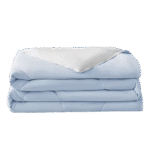 SuperCool Comforter
 SuperCool Light Comforter
 SuperCool Kids Comforter
 Blankets
 Teddy Bear Blanket
 Sheets
 SuperCool+ Starter Sheet Set
 SuperCool+ Flat Sheet
 SuperCool+ Fitted Sheet
 Pillowcases
 SuperCool+ Pillowcases
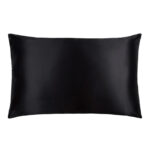 Cooling Silk Pillowcase
 Mattress Protectors
 Quilted Mattress Protector
 Waterproof Mattress Protector
 Floor Mats

Is a Satin Pillowcase Good for Your Hair?

What Satin Pillowcases Do for Hair Health
Satin pillowcases reduce friction between your hair and the pillow surface. This smooth fabric allows hair strands to glide across the material during sleep. Cotton pillowcases create resistance that pulls and tugs on hair fibers throughout the night.
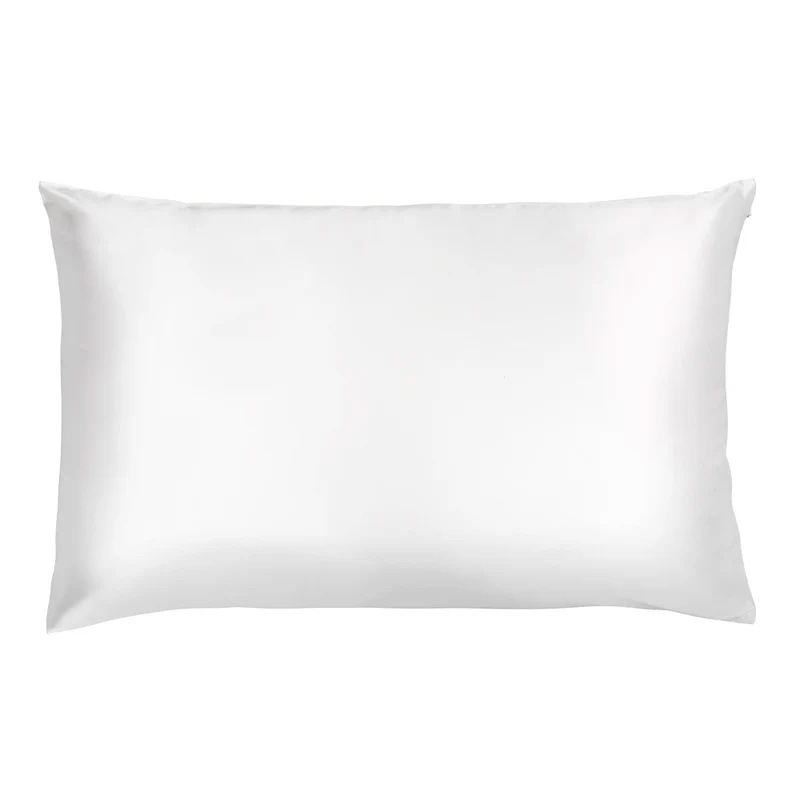
Your pillow shouldn’t steal your glow while you sleep. The lululinens LUXY LU 100% Mulberry Silk Pillowcase reduces friction, minimizes sleep creases, and keeps hair frizz-free. Pure mulberry silk offers temperature-regulating softness that’s hypoallergenic and gentle. Wake up looking as rested as you feel.
The reduced friction provides three measurable benefits:
- Less breakage – Hair strands remain intact instead of snapping from tension
- Fewer tangles – Smooth surfaces prevent hair from matting together
- Retained moisture – Non-absorbent material keeps natural oils in your hair
Studies show that high-friction surfaces cause up to 40% more hair damage compared to low-friction alternatives. Satin sits at the lowest end of the friction spectrum for common bedding materials.
The Science Behind Satin and Hair Protection
Satin refers to a weave pattern, not a specific fiber type. Manufacturers create satin by floating warp threads over multiple weft threads. This technique produces a glossy front surface and a dull back surface.
Most satin pillowcases use polyester fibers in the satin weave. Polyester satin costs less than silk satin and provides similar friction-reduction properties. Some premium options use silk fibers, nylon, or rayon.
The smooth surface structure changes how your hair interacts with the pillowcase:
- Hair cuticles (the outer protective layer) remain flat and closed
- Moisture stays trapped inside the hair shaft
- Hair strands slide past each other without catching
- Natural oils distribute evenly from root to tip
Cotton pillowcases have a rougher texture due to their plain weave pattern. The raised fibers create microscopic hooks that grab onto hair strands. This roughness opens hair cuticles and strips away protective oils.
Historical Development of Satin Bedding
Satin weaving originated in Quanzhou, China during the medieval period. Chinese artisans developed the technique to create luxurious silk fabrics for wealthy families. The port city of Zayton (Quanzhou’s historical name) gave rise to the term “satin” through various linguistic adaptations.
European traders brought satin to the West during the 12th century. The fabric remained exclusive to royalty and nobility for centuries due to expensive silk production costs.
The 1940s brought a major shift. Chemical companies developed synthetic polyester fibers that could mimic silk’s properties at a fraction of the cost. Manufacturers applied the satin weave to polyester, creating affordable satin products for average consumers.
Hair care professionals began recommending satin pillowcases in the 1980s. Dermatologists and hairstylists noticed that clients who used satin bedding experienced less hair damage. The beauty industry embraced satin as a preventative hair care tool by the 1990s.
Hair Types That Benefit Most from Satin
Curly and Coily Hair
Curly hair structures (types 3A through 4C) gain the most advantages from satin pillowcases. These hair types have:
- Natural dryness – Oils cannot travel down spiral-shaped strands easily
- Fragile bonds – Curl patterns create weak points where breakage occurs
- High porosity – Open cuticles lose moisture rapidly
Satin preserves the moisture that curly hair desperately needs. Users report maintaining defined curls for 2-3 days longer compared to cotton pillowcases.
Chemically Treated Hair
Color-treated, bleached, permed, or relaxed hair shows significant improvement with satin. Chemical processes damage the cuticle layer and make hair more vulnerable to friction. Satin provides a protective buffer that extends the life of chemical treatments.
Salon professionals recommend satin pillowcases to clients who spend hundreds of dollars on hair color. The investment protects the color treatment and reduces fading.
Long Hair
Hair longer than shoulder length faces more friction exposure during sleep. Long strands twist around the body and rub against multiple surfaces. Satin minimizes the cumulative damage from hours of contact each night.
Women with waist-length or longer hair report 50% fewer split ends after switching to satin pillowcases.
Fine or Thinning Hair
Fine hair strands break more easily than thick strands. The reduced diameter means less structural strength. Satin’s gentle surface prevents the additional stress that accelerates thinning.
Comparison: Satin vs. Other Pillowcase Materials
| Material | Friction Level | Moisture Absorption | Hair Benefits | Price Range |
|---|---|---|---|---|
| Polyester Satin | Very Low | Minimal | High – Reduces breakage and frizz | $15-$40 |
| Silk Satin | Very Low | Minimal | Very High – Premium smoothness | $50-$150 |
| Cotton | High | High | Low – Increases friction and dryness | $10-$30 |
| Bamboo | Medium | Medium | Medium – Some friction reduction | $20-$50 |
| Linen | Very High | Medium | Very Low – Rough texture damages hair | $25-$60 |
The data shows that satin materials (both polyester and silk) outperform natural fibers for hair protection. Cotton absorbs up to 27 times its weight in water, pulling moisture directly from your hair overnight.
Additional Benefits Beyond Hair Protection
Skin Health
Satin pillowcases reduce sleep lines and facial creases. The smooth surface creates less pressure on facial skin compared to cotton. Dermatologists recommend satin for people prone to acne, as the material does not harbor bacteria as readily as cotton.
The non-absorbent quality keeps skincare products on your face instead of transferring them to the pillowcase. Night creams and serums remain effective throughout the sleep cycle.
Temperature Regulation
Polyester satin maintains a cool surface temperature. The synthetic fibers do not trap heat like cotton or flannel. People who sleep hot report better comfort with satin bedding.
Silk satin provides even better temperature regulation due to the natural protein structure of silk fibers. The material adapts to body temperature and keeps you comfortable year-round.
Allergen Resistance
Satin’s tight weave pattern prevents dust mites from penetrating the fabric. The smooth surface also resists pollen, pet dander, and other common allergens. People with allergies experience fewer symptoms when using satin pillowcases.
How to Select the Right Satin Pillowcase
Momme Weight for Silk Options
Silk satin quality gets measured in momme (mm), a unit representing weight per 100 yards of fabric. Higher momme numbers indicate thicker, more durable silk:
- 19mm – Minimum acceptable quality for pillowcases
- 22mm – Standard quality with good durability
- 25mm – Premium quality that lasts years
- 30mm+ – Luxury grade for maximum longevity
Purchase silk satin pillowcases with at least 22mm weight for the best balance of quality and price.
Thread Count for Polyester Options
Polyester satin uses thread count as a quality indicator. Thread count measures the number of threads per square inch of fabric:
- 300-400 thread count – Basic quality
- 400-600 thread count – Good quality
- 600+ thread count – Excellent quality
Higher thread counts create smoother surfaces and better durability. Avoid products below 300 thread count, as they provide minimal benefits.
Size and Closure Type
Measure your pillow dimensions before purchasing. Standard sizes include:
- Standard – 20″ x 26″
- Queen – 20″ x 30″
- King – 20″ x 36″
Envelope closures work best for satin pillowcases. This design features overlapping fabric at the opening that keeps the pillow secure without zippers. Zipper closures can catch and pull hair during the night.
Color Considerations
Darker colors hide stains and show less wear over time. Light colors like white or cream display makeup stains and require more frequent washing.
Choose colors that complement your bedroom décor while considering maintenance requirements.
Your pillow shouldn’t steal your glow while you sleep. The lululinens LUXY LU 100% Mulberry Silk Pillowcase reduces friction, minimizes sleep creases, and keeps hair frizz-free. Pure mulberry silk offers temperature-regulating softness that’s hypoallergenic and gentle. Wake up looking as rested as you feel.
Maintenance and Care Instructions
Washing Frequency
Wash satin pillowcases every 7-10 days for optimal hygiene. The non-absorbent material does not require washing as frequently as cotton, which needs weekly cleaning.
People with oily skin or who apply heavy hair products should wash every 5-7 days.
Washing Method
Follow these steps for proper cleaning:
- Turn pillowcases inside out
- Use cold water (maximum 30°C/86°F)
- Select gentle cycle
- Add mild detergent (avoid bleach)
- Wash with similar colors
- Remove promptly after cycle ends
Never use fabric softener on satin pillowcases. Softener creates a coating that reduces the smooth properties you need for hair protection.
Drying Process
Air drying preserves satin quality better than machine drying. Hang pillowcases on a drying rack away from direct sunlight. UV rays degrade synthetic fibers and cause color fading.
If you must use a dryer:
- Set to lowest heat
- Remove while slightly damp
- Lay flat to finish drying
High heat damages polyester fibers and causes pilling (small fabric balls on the surface).
Storage
Store clean satin pillowcases in a cool, dry location. Avoid plastic bags, which trap moisture and promote mildew growth. Use breathable cotton storage bags or keep pillowcases folded in a linen closet.
Cost Analysis and Expected Lifespan
Quality satin pillowcases cost between $15-$40 for polyester options. This price point makes them accessible for most budgets. Silk satin requires a larger investment of $50-$150 but provides superior performance.
Expected lifespan varies by material quality:
- Polyester satin (600+ thread count) – 2-3 years with proper care
- Silk satin (22mm+) – 5-7 years with proper care
- Budget options (under 300 thread count) – 6-12 months
The cost per use makes satin pillowcases economical. A $25 polyester satin pillowcase used for 2 years costs approximately $0.03 per night. The hair protection benefits far exceed this minimal investment.
Common Misconceptions About Satin Pillowcases
Misconception: All Satin is Silk
Many consumers confuse satin with silk. Satin describes the weave, while silk describes the fiber. You can have silk satin, polyester satin, or satin made from other materials. Each provides different properties and price points.
Misconception: Results Appear Overnight
Satin pillowcases work gradually. Most users notice reduced tangles within 3-7 days. Breakage reduction becomes apparent after 2-3 weeks. Long-term benefits like improved hair health require 2-3 months of consistent use.
Misconception: Satin Causes Hair Greasiness
Satin does not make hair greasy. The material simply retains your natural oils instead of absorbing them like cotton. People accustomed to cotton’s oil-stripping properties may notice their natural oil levels initially. This adjustment period lasts 1-2 weeks as your scalp recalibrates oil production.
Professional Recommendations
Trichologists (hair and scalp specialists) include satin pillowcases in their treatment plans for patients with:
- Traction alopecia – Hair loss from repeated pulling or tension
- Trichotillomania – Compulsive hair pulling disorder
- Telogen effluvium – Excessive shedding from stress or illness
Celebrity hairstylists credit satin pillowcases for maintaining the hair quality of their high-profile clients. Red carpet looks require healthy hair that can withstand frequent styling. Satin provides the protective foundation these professionals need.
Medical professionals recommend satin to chemotherapy patients experiencing hair regrowth. The gentle surface supports fragile new growth during the recovery period.
Making the Switch: Implementation Steps
Step 1: Purchase Quality Products
Invest in at least two satin pillowcases. This quantity allows you to rotate them during washing cycles. Choose products from reputable manufacturers that provide clear material specifications.
Step 2: Prepare Your Sleeping Environment
Replace all pillowcases in your bed with satin. Using satin on just one pillow provides limited benefits if you roll onto other pillows during sleep.
Step 3: Adjust Your Hair Routine
You may need less leave-in conditioner or hair oil due to improved moisture retention. Monitor your hair’s condition and adjust products accordingly during the first month.
Step 4: Track Your Progress
Take photos of your hair before switching to satin. Capture images at one month and three months for comparison. Document changes in:
- Frizz levels
- Breakage around the hairline
- Overall shine and smoothness
- Morning styling time required
Step 5: Maintain Consistency
Use satin pillowcases every night for maximum benefits. Occasional use provides minimal protection. Consistent use creates cumulative positive effects on hair health.
The Verdict on Satin Pillowcases
Satin pillowcases deliver measurable benefits for hair health. The reduced friction, moisture retention, and protective surface create an optimal sleeping environment for all hair types. Scientific evidence supports the claims made by beauty professionals and satisfied users.
The investment remains minimal compared to hair care products and salon treatments. A quality satin pillowcase costs less than two professional hair treatments while providing nightly benefits for years.
People serious about hair health should consider satin pillowcases an essential tool, not an optional luxury. The simple switch from cotton to satin prevents damage that no product can fully repair after it occurs.
Your hair spends approximately 8 hours each night in contact with your pillowcase. Making that contact as gentle and protective as possible makes logical sense. Satin pillowcases transform your sleep time into a hair treatment session that requires zero effort beyond making your initial purchase.
Your pillow shouldn’t steal your glow while you sleep. The lululinens LUXY LU 100% Mulberry Silk Pillowcase reduces friction, minimizes sleep creases, and keeps hair frizz-free. Pure mulberry silk offers temperature-regulating softness that’s hypoallergenic and gentle. Wake up looking as rested as you feel.