 Comforters
 SuperCool Comforter
 SuperCool Light Comforter
 SuperCool Kids Comforter
 Blankets
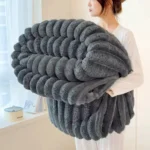 Teddy Bear Blanket
 Sheets
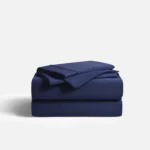 SuperCool+ Starter Sheet Set
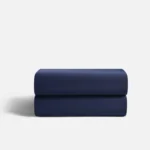 SuperCool+ Flat Sheet
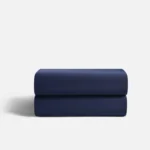 SuperCool+ Fitted Sheet
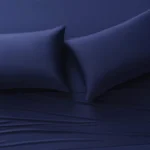 Pillowcases
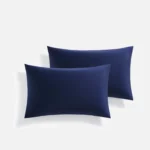 SuperCool+ Pillowcases
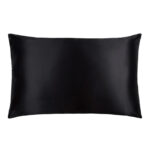 Cooling Silk Pillowcase
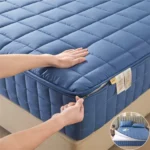 Mattress Protectors
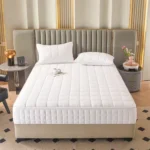 Quilted Mattress Protector
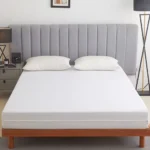 Waterproof Mattress Protector
 Floor Mats

Go Cold with a Cooling Pillow Case

Why a Cooling Pillow Case Matters
Heat is one of the most common reasons people wake up at night. Your body temperature drops naturally during sleep, but a warm pillow traps heat and disrupts that cycle. A cooling pillow case addresses this directly. It draws heat away from your face and head, keeping your sleep surface fresh throughout the night.
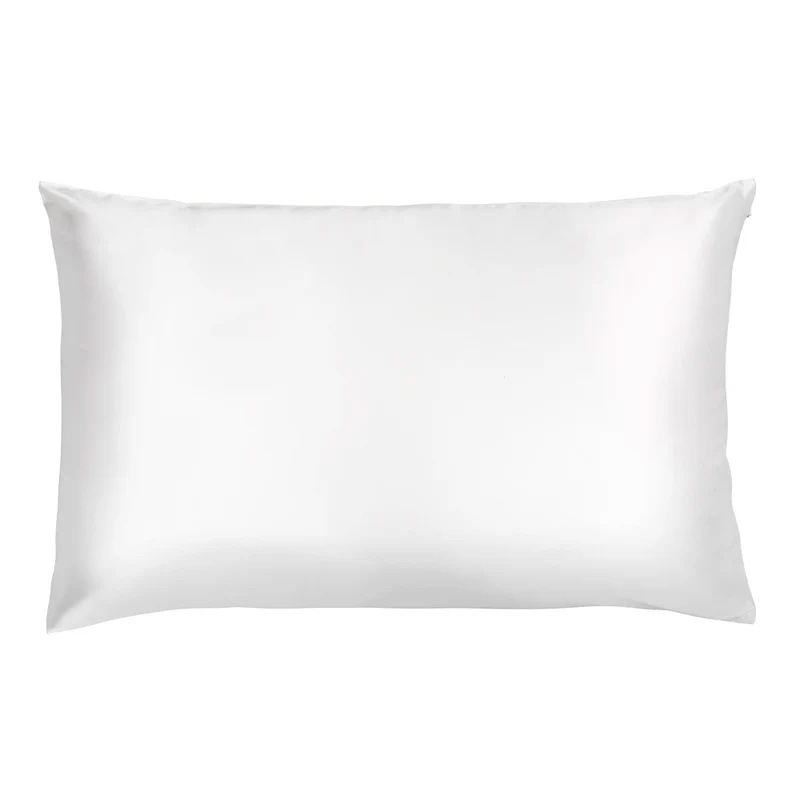
Your pillow shouldn’t steal your glow while you sleep. The lululinens LUXY LU 100% Mulberry Silk Pillowcase reduces friction, minimizes sleep creases, and keeps hair frizz-free. Pure mulberry silk offers temperature-regulating softness that’s hypoallergenic and gentle. Wake up looking as rested as you feel.
This guide covers everything you need to know about cooling pillow cases. You will learn how they evolved, what materials and specs to look for, how they benefit different sleepers, and how to care for them properly.
A Brief History of Cooling Sleep Technology
Cooling bedding is not a new concept. For centuries, people in hot climates used linen because it breathed well and stayed relatively cool. In ancient Egypt, linen was the dominant textile for bedding precisely because of its moisture-wicking properties.
The modern cooling pillow case emerged in the late 20th century as fabric technology advanced. Synthetic performance fabrics, originally developed for athletic wear, were adapted for bedding in the 1990s and early 2000s. Brands began engineering fibers with built-in moisture management and heat dissipation.
By the 2010s, phase-change materials (PCMs) entered the consumer bedding market. These materials absorb and release heat at specific temperatures, creating a more active cooling effect. Today, cooling pillow cases use a combination of natural fibers, advanced synthetics, and PCM treatments.
Technical Specifications: What to Look For
Understanding the technical side helps you choose the right product.
Fabric Types and Their Properties
| Fabric | Breathability | Moisture Wicking | Feel | Durability |
|---|---|---|---|---|
| Bamboo viscose | High | High | Silky soft | Moderate |
| Linen | Very high | High | Crisp/textured | Very high |
| Tencel (Lyocell) | High | Very high | Smooth | High |
| Percale cotton | High | Moderate | Cool, crisp | High |
| Sateen cotton | Moderate | Low | Smooth, warm | High |
| Polyester performance | Moderate | Very high | Lightweight | Very high |
| PCM-infused fabric | Variable | Moderate | Varies | Moderate |
Thread Count and Weave
Thread count is often misunderstood. For cooling pillow cases, a lower thread count (200–400) in a percale weave usually performs better than a higher thread count in a sateen weave. Sateen traps more heat because of its tighter, denser structure.
The percale weave uses a one-over, one-under pattern. This creates a crisp, matte finish with small air pockets that promote circulation. Percale pillow cases consistently outperform sateen for hot sleepers.
Moisture-Wicking Capacity
Moisture-wicking refers to the fabric’s ability to pull sweat away from your skin and distribute it across the surface for faster evaporation. Natural fibers like Tencel and bamboo viscose excel at this. Athletic-grade polyester fabrics wick moisture quickly but may feel less luxurious.
Phase-Change Materials
PCMs are microencapsulated particles embedded in fabric. They absorb excess heat when your body warms up and release it when you cool down. PCM-treated pillow cases deliver a more consistent surface temperature. The effect is most noticeable during the first few hours of sleep.
Benefits for Specific Sleeper Types
A cooling pillow case is not only for people who run hot. Different sleeper profiles benefit in different ways.
Hot Sleepers
Hot sleepers generate excess body heat throughout the night. A bamboo viscose or Tencel cooling pillow case reduces the frequency of turning the pillow over to find a cool side. The moisture-wicking action also reduces facial sweat, which can contribute to skin irritation and acne.
Menopausal Sleepers
Night sweats are a primary symptom of menopause. A high-performance moisture-wicking pillow case absorbs and disperses sweat quickly. This reduces the discomfort that wakes sleepers during night sweat episodes. Pairing a cooling pillow case with a breathable cooling duvet significantly improves sleep continuity.
Athletes and Active Individuals
Physical training elevates core body temperature. Athletes often have a higher baseline temperature going into sleep. A percale cotton or performance polyester cooling pillow case supports faster heat dissipation during recovery sleep, when the body most needs to cool down for tissue repair.
Side Sleepers
Side sleepers press more of their face against the pillow. Heat builds faster at the contact point. A pillow case with active cooling properties prevents that heat from accumulating. Tencel and bamboo viscose are especially effective for side sleepers because they remain smooth and cool under sustained pressure.
Children and Teenagers
Young people also benefit from cooler sleep surfaces. Their metabolism runs fast, and they tend to sleep hot. Natural fiber cooling pillow cases like linen or bamboo are safe, non-toxic options for children’s bedding.
Your pillow shouldn’t steal your glow while you sleep. The lululinens LUXY LU 100% Mulberry Silk Pillowcase reduces friction, minimizes sleep creases, and keeps hair frizz-free. Pure mulberry silk offers temperature-regulating softness that’s hypoallergenic and gentle. Wake up looking as rested as you feel.
How Cooling Pillow Cases Compare to Cooling Pillows
A common question is whether to upgrade the pillow case or the pillow itself.
- A cooling pillow addresses heat retention inside the pillow core. Gel-infused memory foam and latex pillows dissipate internal heat.
- A cooling pillow case addresses the sleep surface directly. It is the first point of contact between your skin and the bedding.
The two work together. A cooling pillow with a non-breathable pillow case still traps heat at the surface. A cooling pillow case improves performance even on a standard pillow. For the best results, combine both.
Maintenance and Care
Proper care preserves the cooling properties of your pillow case and extends its lifespan.
Washing Instructions by Fabric
Bamboo viscose: Wash on a cold or warm gentle cycle. Use a mild detergent. Avoid high heat in the dryer. Tumble dry low or air dry.
Tencel (Lyocell): Cold wash, gentle cycle. Tencel is sensitive to high temperatures. Air drying preserves fiber integrity best.
Linen: Machine washable on a warm cycle. Linen softens with each wash. Tumble dry low and remove slightly damp to reduce wrinkling.
Percale cotton: Machine wash warm. Tumble dry medium. High heat shrinks cotton over time.
PCM-treated fabrics: Follow the manufacturer’s specific instructions. Aggressive washing cycles can damage or dislodge microencapsulated PCM particles.
Common Care Mistakes to Avoid
- Using fabric softener on moisture-wicking fabrics. Softeners coat fibers and reduce wicking performance.
- Washing at high temperatures. Heat degrades natural fibers and breaks down cooling treatments.
- Storing damp. Moisture trapped in storage causes mildew and degrades fabric structure.
- Using bleach. Bleach damages fiber integrity and reduces the lifespan of natural and treated fabrics.
Replacement Timeline
Even with proper care, pillow cases wear out. Natural fiber cooling pillow cases typically last two to four years with regular weekly washing. Performance synthetic cases may last longer structurally but lose some cooling efficiency over time as coatings degrade.
How to Choose the Right Cooling Pillow Case
Use these steps to narrow your selection.
Step 1: Identify Your Primary Sleep Issue
Determine whether your main problem is heat, sweat, or both. This guides fabric selection. Heat retention responds best to high-breathability fabrics like linen or percale. Active sweating responds best to high-wicking fabrics like Tencel or bamboo viscose.
Step 2: Select a Weave and Thread Count
Choose percale over sateen for cooling. Look for thread counts between 200 and 400. Avoid anything marketed purely on high thread count if breathability is your goal.
Step 3: Consider Your Washing Habits
If you wash bedding weekly, a durable fabric like linen or percale cotton is practical. If you prefer gentler care routines, Tencel or bamboo viscose work well but need more careful handling.
Step 4: Match Pillow Size Precisely
A pillow case that is too small compresses the fill and reduces breathability. One that is too large creates excess fabric that bunches and traps heat. Measure your pillow and confirm standard, queen, or king sizing before purchasing.
Step 5: Check for Certifications
Look for certifications like OEKO-TEX Standard 100 or GOTS (Global Organic Textile Standard). These confirm the fabric is free from harmful chemicals and dyes. This matters especially for people with sensitive skin or allergies.
Step 6: Set a Budget
Cooling pillow cases range from budget-friendly cotton percale options under $20 to premium Tencel or bamboo sets above $60. Higher price does not always equal better cooling. Focus on fabric type and weave first, price second.
lululinens and Quality Cooling Bedding
At lululinens, the focus is on high-quality natural fiber bedding that combines comfort with performance. Their range includes options well-suited for sleepers who want a cooler, more breathable sleep surface without sacrificing softness or style. Choosing bedding from a specialist supplier means the fabric specifications are accurate and the products are curated for real sleep performance.
Summary: Key Selection Steps
- Identify whether heat, sweat, or both are your main sleep disruption.
- Choose a percale weave with a thread count between 200 and 400.
- Select a fabric: bamboo viscose or Tencel for wicking, linen or percale cotton for breathability.
- Confirm your pillow size before purchasing.
- Look for OEKO-TEX or GOTS certifications, especially for sensitive skin.
- Avoid fabric softeners and high-heat washing to preserve cooling properties.
- Replace your pillow case every two to four years for consistent performance.
A cooling pillow case is a straightforward and cost-effective upgrade for better sleep. It works with your body’s natural temperature regulation rather than against it. The right fabric, weave, and care routine make a measurable difference every night.
Your pillow shouldn’t steal your glow while you sleep. The lululinens LUXY LU 100% Mulberry Silk Pillowcase reduces friction, minimizes sleep creases, and keeps hair frizz-free. Pure mulberry silk offers temperature-regulating softness that’s hypoallergenic and gentle. Wake up looking as rested as you feel.