 Comforters
 SuperCool Comforter
 SuperCool Light Comforter
 SuperCool Kids Comforter
 Blankets
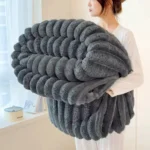 Teddy Bear Blanket
 Sheets
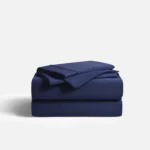 SuperCool+ Starter Sheet Set
 SuperCool+ Flat Sheet
 SuperCool+ Fitted Sheet
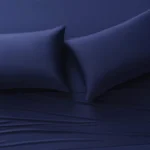 Pillowcases
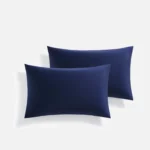 SuperCool+ Pillowcases
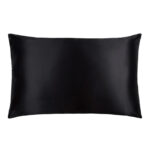 Cooling Silk Pillowcase
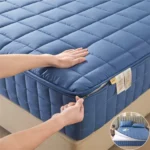 Mattress Protectors
 Quilted Mattress Protector
 Waterproof Mattress Protector
 Floor Mats

Does a Silk Pillowcase Help With Hair?

The Science Behind Silk and Hair Health
Silk pillowcases reduce friction against hair strands during sleep. Traditional cotton pillowcases create resistance that damages the hair cuticle. This friction leads to breakage, split ends, and frizz.
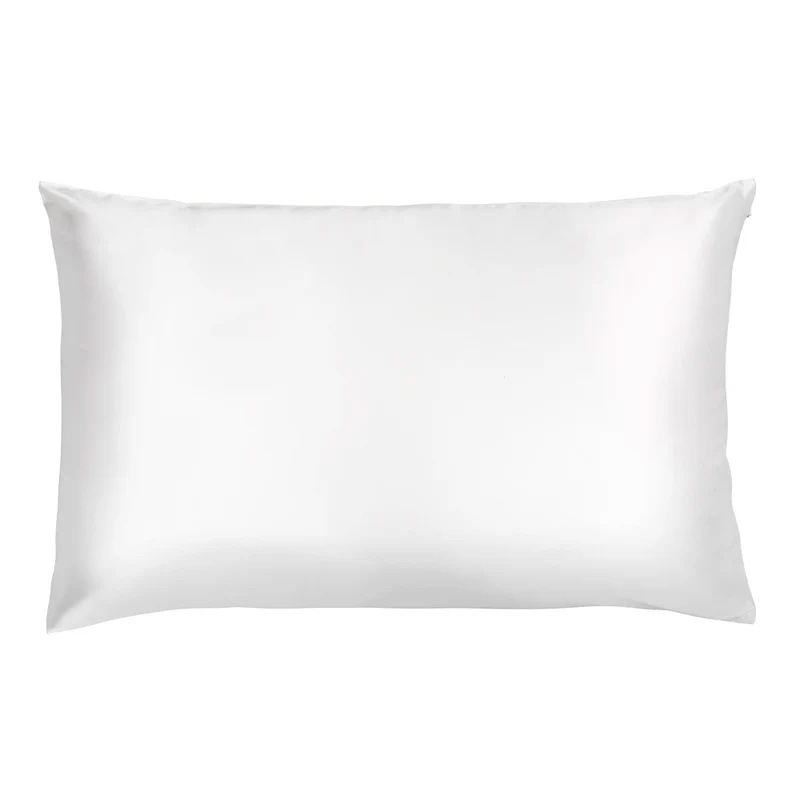
Your pillow shouldn’t steal your glow while you sleep. The lululinens LUXY LU 100% Mulberry Silk Pillowcase reduces friction, minimizes sleep creases, and keeps hair frizz-free. Pure mulberry silk offers temperature-regulating softness that’s hypoallergenic and gentle. Wake up looking as rested as you feel.
The smooth surface of silk allows hair to glide across the fabric. Amino acids in silk protein mirror those found in human hair. This similarity creates a compatible surface that minimizes stress on hair fibers.
Studies show that silk reduces the friction coefficient by up to 43% compared to cotton. Lower friction means less mechanical damage during the 6-8 hours you spend sleeping each night.
How Silk Protects Hair Structure
Moisture Retention Benefits
Cotton absorbs moisture from hair and skin. A cotton pillowcase can pull up to 30% of its weight in water from your hair overnight. This strips natural oils that protect hair strands.
Silk is non-absorbent. The fabric maintains hair hydration levels throughout the night. Your hair retains its natural moisture balance and essential oils.
Sebum, the natural oil produced by your scalp, stays on your hair instead of soaking into your pillowcase. This keeps hair soft and prevents dryness.
Reduced Hair Breakage
Hair is weakest when wet or slightly damp. Many people go to bed with hair that isn’t completely dry. Cotton pillowcases grab onto vulnerable hair strands.
Silk eliminates this grabbing effect. The smooth fibers prevent hair from catching and snapping. This protection is crucial for:
- Fine or thin hair types
- Chemically treated hair
- Hair with existing damage
- Natural curls and coils
- Long hair prone to tangling
Research indicates silk pillowcases reduce hair breakage by approximately 40% compared to cotton alternatives.
The Historical Use of Silk for Beauty
Silk production began in China around 3000 BCE. Ancient Chinese nobility used silk fabrics for bedding and beauty purposes. Historical records show that silk was valued for its skin and hair benefits.
Japanese geishas adopted silk pillowcases in the 1600s. They recognized that silk preserved their elaborate hairstyles overnight. The tradition continued because results were visible.
Western adoption of silk pillowcases for hair care began in the 1970s. Dermatologists and hairstylists recommended silk to clients with specific hair concerns. The practice gained scientific backing in the 1990s through textile research.
Silk vs. Other Pillowcase Materials
| Material | Friction Level | Moisture Absorption | Hair Benefits | Price Range |
|---|---|---|---|---|
| Mulberry Silk | Very Low | Minimal | Excellent | $50-$150 |
| Satin (Polyester) | Low | Low | Good | $15-$40 |
| Cotton | High | High | Poor | $10-$30 |
| Linen | Very High | High | Poor | $20-$50 |
| Bamboo | Medium | Medium | Fair | $25-$60 |
Mulberry silk provides superior results. The long silk fibers create the smoothest surface. Momme weight indicates silk quality. A 22-momme silk pillowcase offers optimal thickness for hair protection.
Specific Hair Types That Benefit Most
Curly and Coily Hair
Curly hair has a naturally raised cuticle. This structure makes curls vulnerable to friction damage. Cotton pillowcases disrupt curl patterns and create frizz.
Silk preserves curl definition overnight. The smooth surface maintains the hair’s natural shape. Morning styling requires less effort and fewer products.
People with type 3 and type 4 curls report significant improvements. Silk reduces the need for daily hair washing and restyling.
Chemically Treated Hair
Color-treated hair has compromised cuticles. Chemical processes open the hair shaft to deposit color. This leaves hair porous and fragile.
Silk pillowcases extend color life. The non-absorbent fabric doesn’t pull color molecules from hair strands. Users report color lasting 2-3 weeks longer with silk.
Hair that has undergone keratin treatments, relaxers, or perms also benefits. Silk maintains the treatment effects and prevents premature fading.
Fine and Thinning Hair
Fine hair breaks easily under friction. Each strand has a smaller diameter and less structural support. Cotton pillowcases can snap fine hair at multiple points.
Silk provides gentle support for delicate strands. Users with fine hair notice reduced hair fall on their pillowcases. Breakage decreases by up to 50% within four weeks of switching to silk.
Thinning hair requires maximum protection. Silk preserves every strand and minimizes loss from preventable breakage.
Additional Benefits Beyond Hair Protection
Temperature Regulation
Silk is a natural thermoregulator. The fabric adjusts to body temperature throughout the night. This prevents overheating that causes scalp sweating.
Excess scalp moisture creates an environment for product buildup and oil accumulation. Silk keeps your scalp at an optimal temperature for hair health.
Hypoallergenic Properties
Silk resists dust mites, mold, and fungus. These allergens commonly accumulate in cotton bedding. People with sensitive scalps experience fewer irritations with silk pillowcases.
The protein structure of silk creates an inhospitable environment for microorganisms. This reduces scalp inflammation that can affect hair growth.
Skin Benefits That Support Hair Health
Silk pillowcases prevent sleep lines and skin creasing. Smooth skin on your face and neck means less pulling on hair at the hairline. This protects baby hairs and edges from breakage.
The fabric doesn’t absorb facial skincare products. Night serums and moisturizers stay on your skin instead of transferring to your pillowcase. This benefits hairline health where face and scalp meet.
Your pillow shouldn’t steal your glow while you sleep. The lululinens LUXY LU 100% Mulberry Silk Pillowcase reduces friction, minimizes sleep creases, and keeps hair frizz-free. Pure mulberry silk offers temperature-regulating softness that’s hypoallergenic and gentle. Wake up looking as rested as you feel.
Proper Care for Silk Pillowcases
Washing Guidelines
Silk requires gentle cleaning to maintain its properties. Follow these steps:
- Hand wash in cool water with pH-neutral detergent
- Soak for 3-5 minutes maximum
- Rinse thoroughly with cool water
- Never wring or twist the fabric
- Roll in a towel to remove excess water
- Air dry flat away from direct sunlight
Machine washing is possible on delicate cycles. Use a mesh laundry bag and cold water only. Skip the spin cycle to prevent fiber damage.
Washing Frequency
Wash silk pillowcases every 7-10 days. This schedule removes oil buildup without excessive cleaning. Hair naturally deposits oils onto any pillowcase material.
People with very oily hair may need to wash weekly. Those with dry hair can extend washing to two weeks.
Storage and Maintenance
Store silk pillowcases in a cool, dry place. Avoid plastic bags that trap moisture. Silk needs air circulation to maintain fiber integrity.
Keep silk away from direct heat sources. Radiators and heating vents can damage the protein structure. Room temperature storage preserves silk quality for years.
Selecting the Right Silk Pillowcase
Momme Weight Considerations
Momme measures silk density. Higher momme counts indicate thicker, more durable fabric. For pillowcases, these ranges apply:
- 16-19 momme: Light weight, less durable
- 22 momme: Standard weight, optimal for most users
- 25+ momme: Heavy weight, extremely durable but pricier
A 22-momme pillowcase balances durability with comfort. The fabric provides adequate hair protection while remaining breathable.
Grade and Quality Markers
Grade 6A silk represents the highest quality. This grade uses the longest silk fibers with minimal imperfections. Lower grades contain shorter fibers that create a less smooth surface.
Look for these quality indicators:
- 100% pure mulberry silk
- OEKO-TEX certification
- Seamless construction
- Hidden zipper closure
- Pearl-like sheen
Avoid silk blends. Products labeled “silk-like” or “satin” contain synthetic materials that don’t provide the same benefits.
Size and Closure Options
Match pillowcase size to your pillow dimensions. Standard, queen, and king sizes are available. A properly fitted pillowcase stays in place throughout the night.
Envelope closures work for silk pillowcases. Zipper closures provide extra security but require hidden zippers. Exposed metal zippers can catch and damage hair.
Cost Analysis and Investment Value
Quality silk pillowcases cost between $50-$150. This price reflects the material, production process, and durability. A well-maintained silk pillowcase lasts 2-3 years with regular use.
Compare this to salon treatments for hair repair:
- Deep conditioning treatment: $40-$80 per session
- Keratin treatment: $200-$400 every 3-4 months
- Hair breakage repair products: $30-$60 monthly
The one-time investment in silk provides ongoing protection. Users save money on hair treatments needed to address damage from cotton pillowcases.
Common Misconceptions About Silk Pillowcases
Myth: Satin Works Just as Well
Satin refers to the weave pattern, not the material. Most satin pillowcases use polyester. Polyester satin creates static electricity that damages hair.
Silk satin combines silk material with satin weave. Only this combination provides full benefits. Polyester alternatives offer reduced friction but lack silk’s other properties.
Myth: Results Appear Immediately
Hair improvement takes time. Most users notice changes after 2-4 weeks of consistent use. Hair that already has damage won’t repair instantly.
Silk prevents new damage and allows existing hair to recover. The longer you use silk, the more dramatic the improvements become.
Myth: All Silk Is the Same
Silk quality varies significantly. Tussah silk comes from wild silkworms and has a rougher texture. Mulberry silk from cultivated silkworms provides the smooth surface needed for hair protection.
Production methods affect quality. Hand-rolled hems and natural dyes indicate higher quality than machine-finished products.
Making the Switch to Silk
Start with one silk pillowcase. Use it nightly for one month. Document hair condition with photos at the beginning and end of the trial period.
Track these indicators:
- Amount of hair on pillowcase each morning
- Frizz levels upon waking
- Time needed for morning styling
- Hair softness and shine
- Split end development
Most users decide to replace all pillowcases after seeing results. The investment proves worthwhile when hair health visibly improves.
A silk pillowcase from a quality provider like Lulu Linens offers verified materials and proper construction. Choose suppliers who provide detailed product specifications and care instructions.
Your hair spends one-third of each day against your pillowcase. The fabric you choose directly impacts hair health. Silk pillowcases deliver measurable benefits through reduced friction, maintained moisture, and protective properties that preserve hair structure night after night.
Your pillow shouldn’t steal your glow while you sleep. The lululinens LUXY LU 100% Mulberry Silk Pillowcase reduces friction, minimizes sleep creases, and keeps hair frizz-free. Pure mulberry silk offers temperature-regulating softness that’s hypoallergenic and gentle. Wake up looking as rested as you feel.