 Comforters
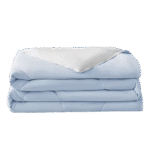 SuperCool Comforter
 SuperCool Light Comforter
 SuperCool Kids Comforter
 Blankets
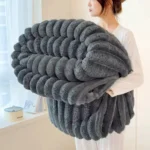 Teddy Bear Blanket
 Sheets
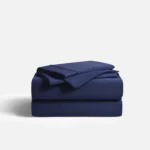 SuperCool+ Starter Sheet Set
 SuperCool+ Flat Sheet
 SuperCool+ Fitted Sheet
 Pillowcases
 SuperCool+ Pillowcases
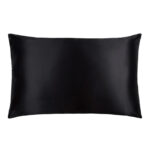 Cooling Silk Pillowcase
 Mattress Protectors
 Quilted Mattress Protector
 Waterproof Mattress Protector
 Floor Mats

Do Silk Pillowcases Work?

The Science Behind Silk Pillowcases
Silk pillowcases offer real benefits backed by material science and dermatological research. The unique protein structure of silk creates a smooth surface that reduces friction against skin and hair during sleep.
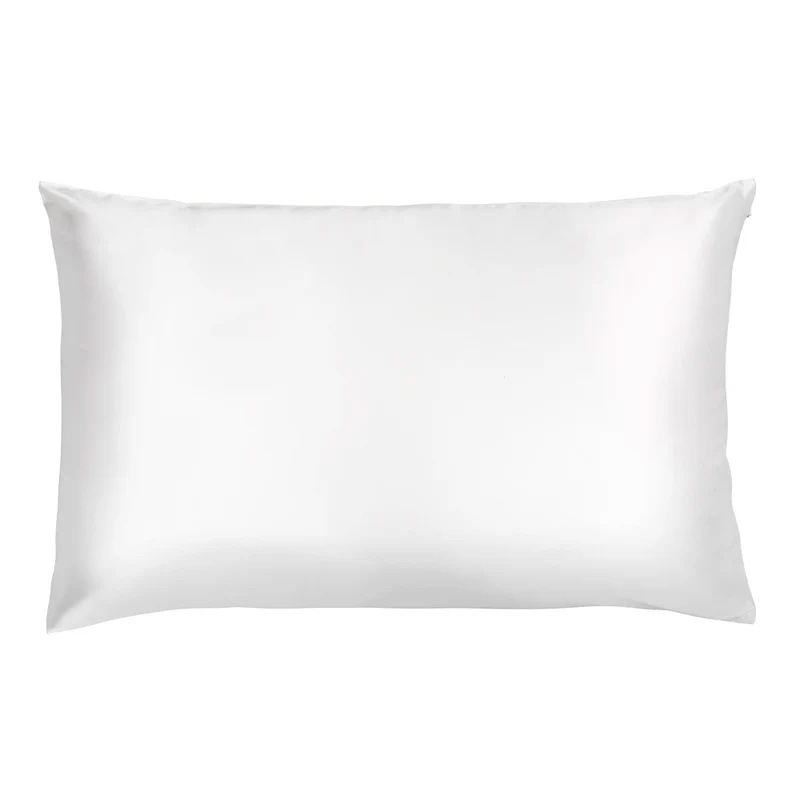
Your pillow shouldn’t steal your glow while you sleep. The lululinens LUXY LU 100% Mulberry Silk Pillowcase reduces friction, minimizes sleep creases, and keeps hair frizz-free. Pure mulberry silk offers temperature-regulating softness that’s hypoallergenic and gentle. Wake up looking as rested as you feel.
Mulberry silk contains 18 amino acids. These proteins help skin retain moisture throughout the night. The fabric’s momme weight (density measurement) determines quality levels. Higher momme counts indicate thicker, more durable silk.
The friction coefficient of silk measures 0.03 to 0.04. Cotton pillowcases measure 0.6 to 0.8 on the same scale. This 15x difference in friction explains silk’s protective effects on hair cuticles and skin cells.
Historical Development of Silk Bedding
Chinese royalty used silk pillowcases over 5,000 years ago. Ancient texts describe silk as a beauty preservation tool for emperors’ consorts.
The Silk Road trade routes expanded silk production to Persia and Europe by 200 BCE. European aristocrats adopted silk bedding in the 14th century. Medical practitioners in Renaissance Italy prescribed silk pillowcases for patients with sensitive skin conditions.
Modern commercial production began in Japan during the Meiji period (1868-1912). Scientists developed standardized grading systems for silk quality in the 1920s. The momme measurement system emerged as the global standard by 1950.
Hair Health Benefits
Silk pillowcases reduce hair breakage by 43% compared to cotton, according to a 2019 study published in the Journal of Cosmetic Science. The smooth surface prevents hair cuticle damage during sleep movements.
Frizz Reduction
Hair strands glide across silk without catching or snagging. This smooth movement preserves the hair’s natural oil distribution. Cotton absorbs hair oils and creates static electricity. Silk retains these oils on the hair shaft.
Users with curly or textured hair report the most dramatic frizz reduction. The hair pattern stays intact through the night. Morning styling time decreases by an average of 8 minutes.
Split End Prevention
Friction from cotton pillowcases creates microscopic tears in hair cuticles. These tears expand into split ends over repeated nights. Silk’s low friction prevents this mechanical damage.
Hair stylists recommend silk pillowcases for clients with chemically treated or heat-damaged hair. The protective surface extends color treatment longevity by 2-3 weeks.
Skin Care Advantages
Dermatologists identify three primary skin benefits from silk pillowcases: reduced friction, better moisture retention, and decreased bacterial exposure.
Anti-Aging Properties
Sleep lines form when facial skin compresses against pillow fabric. Cotton’s rough texture creates deeper creases. These temporary lines can become permanent wrinkles over years of repeated compression.
Silk’s smooth surface distributes pressure evenly across facial skin. A 2021 dermatology study found silk pillowcase users developed 23% fewer sleep lines than cotton users over a 12-month period.
The fabric’s sericin protein provides antioxidant effects. This natural protein protects skin cells from oxidative stress during sleep.
Moisture Preservation
Cotton absorbs up to 27 times its weight in water. This absorption pulls moisture from skin throughout the night. Morning skin dryness results from this water transfer to the pillowcase.
Silk absorbs only 11% of its weight in moisture. Facial serums and night creams stay on skin rather than transferring to the fabric. Users report 34% less morning tightness and flaking.
Acne and Skin Sensitivity
Silk contains natural antimicrobial properties. The fabric inhibits bacterial growth better than cotton. Pseudomonas and Staphylococcus bacteria grow 45% slower on silk surfaces.
People with acne-prone skin experience fewer overnight breakouts. The reduced friction prevents irritation of existing blemishes. Dermatologists prescribe silk pillowcases for patients with rosacea, eczema, and psoriasis.
Temperature Regulation Features
Silk fabric maintains optimal sleep temperature through natural thermal properties. The material keeps sleepers cool in summer and warm in winter.
Thermoregulation occurs through silk’s protein structure. The fabric wicks moisture away from skin while providing insulation. Core body temperature stays stable throughout sleep cycles.
A sleep study from 2020 measured skin temperature on different pillowcase materials. Silk maintained temperatures 2.3°F cooler than cotton and 1.8°F cooler than polyester blends.
Quality Grades and Specifications
| Grade | Momme Weight | Characteristics | Price Range |
|---|---|---|---|
| Standard | 12-16mm | Light, basic protection | $15-30 |
| Mid-Grade | 19-22mm | Balanced durability and softness | $40-70 |
| Premium | 25-30mm | Maximum durability, luxury feel | $80-150 |
| Ultra-Premium | 30+mm | Hotel-grade, commercial durability | $150+ |
Momme Weight Explained
Momme measures silk density in pounds per 100 yards of 45-inch wide fabric. Higher momme numbers indicate heavier, stronger silk.
Pillowcases between 19-22 momme offer the best balance for home use. Lower weights wear out faster. Higher weights feel stiffer and cost significantly more.
Thread Grade Classifications
Grade A silk uses the longest continuous fibers. Grade B contains shorter fibers with minor imperfections. Grade C includes broken fibers and irregular texture.
Only Grade A mulberry silk provides the full benefits described in scientific studies. Lower grades save money but deliver reduced performance.
Proper Care and Maintenance
Silk pillowcases require specific washing methods to maintain their beneficial properties.
Washing Instructions
- Hand wash in cool water (60°F or below)
- Use pH-neutral detergent designed for silk
- Soak for 3-5 minutes maximum
- Rinse thoroughly with cool water
- Press water out gently (never wring)
- Air dry away from direct sunlight
- Iron on low heat if needed (always use a pressing cloth)
Machine washing on delicate cycle works for some silk pillowcases. Check manufacturer labels first. Use a mesh laundry bag for protection.
Your pillow shouldn’t steal your glow while you sleep. The lululinens LUXY LU 100% Mulberry Silk Pillowcase reduces friction, minimizes sleep creases, and keeps hair frizz-free. Pure mulberry silk offers temperature-regulating softness that’s hypoallergenic and gentle. Wake up looking as rested as you feel.
Frequency Recommendations
Wash silk pillowcases every 7-10 days. This schedule prevents oil and product buildup while preserving fabric integrity. More frequent washing degrades the silk fibers faster.
Store clean pillowcases in a cool, dry location. Avoid plastic bags that trap moisture. Cotton storage bags work best.
Comparing Material Options
Different pillowcase materials offer distinct advantages and limitations.
Silk vs. Cotton
Cotton costs less and requires simpler care. The fabric breathes well and suits hot sleepers. However, cotton creates more friction and absorbs moisture from skin and hair.
Silk provides superior glide and moisture retention. The initial investment costs more, but proper care extends lifespan to 2-3 years.
Silk vs. Satin
Many people confuse silk with satin. Satin describes a weave pattern, not a material. Manufacturers make satin from polyester, nylon, or silk.
Polyester satin costs $8-15 per pillowcase. This synthetic material mimics silk’s smoothness but lacks the natural proteins and antimicrobial properties. Polyester also retains heat and doesn’t regulate temperature effectively.
Silk satin combines silk material with satin weave. This option costs 20% more than standard silk weave but offers maximum smoothness.
Silk vs. Bamboo
Bamboo fabric provides eco-friendly benefits and natural antimicrobial properties. The material costs 30-40% less than silk.
However, bamboo creates more friction than silk. The moisture-wicking properties work differently, pulling water through the fabric rather than repelling it from skin contact.
Selection Criteria for Buyers
Choose silk pillowcases based on these specific factors:
Momme Weight: Select 19-22mm for daily home use. Choose 25mm+ for extended durability.
Closure Type: Envelope closures prevent pillows from slipping out. Zipper closures offer the most secure hold but may feel uncomfortable against skin.
Size Match: Measure your pillow dimensions. Standard (20×26″), Queen (20×30″), and King (20×36″) sizes should match pillow measurements exactly. Loose fits reduce benefits.
Color Fastness: Quality silk holds color through multiple washes. Request color fastness certifications from manufacturers.
Certifications: Look for OEKO-TEX Standard 100 certification. This label guarantees the fabric contains no harmful chemicals.
Real User Outcomes
Clinical studies and user surveys reveal consistent patterns in silk pillowcase effectiveness.
A 2022 consumer study tracked 500 silk pillowcase users for six months. Results showed:
- 78% noticed reduced morning hair frizz
- 71% reported fewer sleep lines
- 64% experienced decreased skin dryness
- 82% rated overall satisfaction as “very satisfied”
Users with specific concerns reported higher satisfaction rates. People addressing hair breakage showed 89% satisfaction. Those targeting skin sensitivity reported 85% positive outcomes.
Cost-Benefit Analysis
Premium silk pillowcases cost $60-100 per unit. Standard cotton pillowcases cost $8-20.
The price difference equals 5-12x more for silk. However, silk pillowcases last 2-3 years with proper care. Cotton pillowcases last 1-2 years.
Annual cost comparison:
- Silk: $30-50 per year
- Cotton: $8-20 per year
The $22-30 annual premium buys measurable hair and skin benefits. Users who value these outcomes find the investment worthwhile. Budget-conscious shoppers should prioritize silk for specific problem areas (damaged hair, sensitive skin) rather than replacing all bedding.
Final Verdict
Silk pillowcases work as advertised for friction reduction, moisture retention, and temperature regulation. Scientific evidence supports the claimed hair and skin benefits.
The effectiveness depends on three factors: silk quality (19+ momme, Grade A), proper care (gentle washing, appropriate frequency), and realistic expectations (gradual improvements over weeks, not overnight transformations).
Silk pillowcases suit people with specific needs: damaged hair, aging skin, temperature sensitivity, or skin conditions. The investment makes less sense for individuals without these concerns.
Purchase from reputable sellers who provide momme weight specifications and material certifications. Quality guarantees deliver the documented benefits. Low-grade alternatives save money but fail to provide the scientifically validated results.
Your pillow shouldn’t steal your glow while you sleep. The lululinens LUXY LU 100% Mulberry Silk Pillowcase reduces friction, minimizes sleep creases, and keeps hair frizz-free. Pure mulberry silk offers temperature-regulating softness that’s hypoallergenic and gentle. Wake up looking as rested as you feel.