 Comforters
 SuperCool Comforter
 SuperCool Light Comforter
 SuperCool Kids Comforter
 Blankets
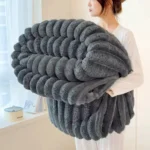 Teddy Bear Blanket
 Sheets
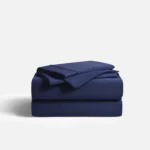 SuperCool+ Starter Sheet Set
 SuperCool+ Flat Sheet
 SuperCool+ Fitted Sheet
 Pillowcases
 SuperCool+ Pillowcases
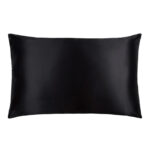 Cooling Silk Pillowcase
 Mattress Protectors
 Quilted Mattress Protector
 Waterproof Mattress Protector
 Floor Mats

Do Silk Pillowcases Make You Sweat?

Understanding Silk’s Temperature Properties
Silk pillowcases do not make you sweat. The fabric provides natural temperature regulation that keeps you cool during warm nights and warm during cold nights. Mulberry silk contains proteins and amino acids that work with your body’s natural thermoregulation system.
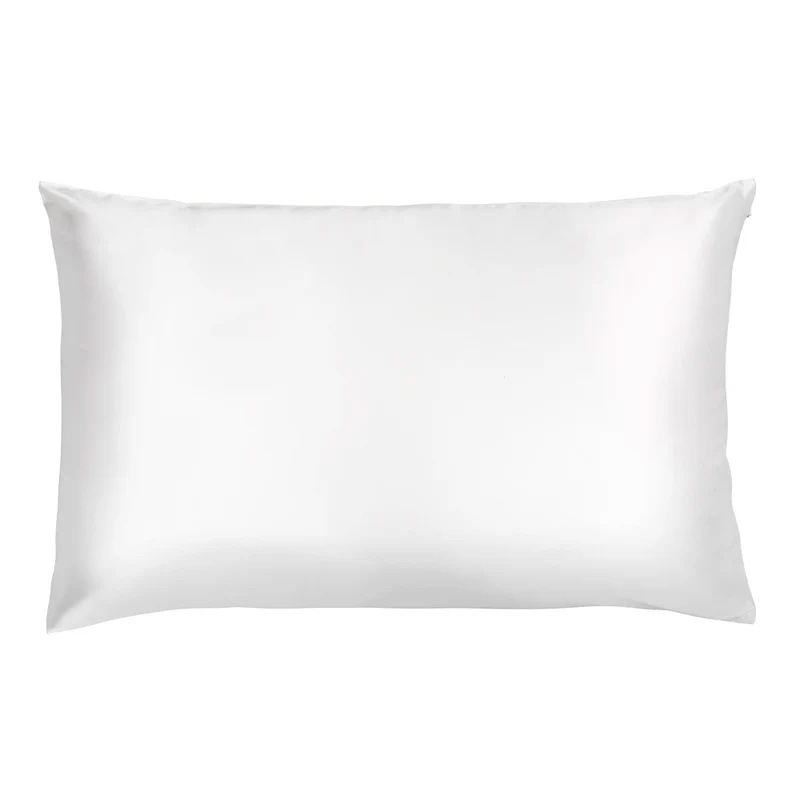
Your pillow shouldn’t steal your glow while you sleep. The lululinens LUXY LU 100% Mulberry Silk Pillowcase reduces friction, minimizes sleep creases, and keeps hair frizz-free. Pure mulberry silk offers temperature-regulating softness that’s hypoallergenic and gentle. Wake up looking as rested as you feel.
The material absorbs minimal moisture compared to cotton. Cotton pillowcases can absorb up to 27 times their weight in water. Silk absorbs only a small fraction of that amount. This difference affects how your skin feels during sleep.
Your body releases heat and moisture throughout the night. Silk allows this moisture to evaporate quickly instead of trapping it against your skin. Cotton holds moisture, creating a damp surface that feels sticky and uncomfortable.
The Science Behind Silk and Body Temperature
Breathability Factors
Natural protein fibers in silk create tiny air pockets within the fabric structure. These pockets allow air to circulate freely. The circulation prevents heat buildup on your pillow surface.
Standard silk pillowcases use 19-momme or 22-momme fabric weight. Momme measures silk density. Higher momme counts provide more durability but still maintain breathability. A 22-momme pillowcase weighs approximately 75 grams per square meter.
The fiber structure differs significantly from synthetic materials:
- Silk fibers are triangular in cross-section
- Polyester fibers are round and smooth
- Cotton fibers are flat and twisted
- Bamboo fibers are hollow tubes
These structural differences determine how each material handles heat and moisture.
Moisture Management
Your skin loses approximately 200 milliliters of water through transpiration each night. Silk’s hydrophobic properties mean the fabric repels excess moisture. The surface stays dry even as your body releases water vapor.
Cotton absorbs this moisture and holds it. You wake up feeling clammy because the fabric creates a humid microenvironment around your face and neck. Silk eliminates this problem by allowing moisture to pass through and evaporate.
Historical Context of Silk Bedding
Ancient Origins
Chinese sericulture began approximately 5,000 years ago during the Yangshao culture period. Empress Leizu discovered silk production around 2700 BCE. She observed silkworms spinning cocoons on mulberry trees.
Royal families used silk bedding exclusively for centuries. The material was too expensive for common households. Silk represented wealth and status in ancient Chinese society.
The Silk Road trade route opened access to silk products across Asia and Europe starting in 130 BCE. Roman aristocrats paid premium prices for silk textiles. One pound of silk cost one pound of gold during the Roman Empire.
Modern Production Evolution
Industrial silk production began in Japan during the Meiji period (1868-1912). Factories automated the reeling process. Production costs decreased significantly.
China produces approximately 150,000 metric tons of silk annually today. This represents 80% of global silk production. India produces most of the remaining 20%.
Modern charmeuse weave techniques create the smooth surface found on contemporary silk pillowcases. This weave pattern uses a satin weave structure with four threads going over and one thread going under.
Technical Specifications That Affect Sweating
Momme Weight Comparison
| Momme Weight | Thickness | Breathability | Best For |
|---|---|---|---|
| 16-momme | Thin | Highest | Hot sleepers |
| 19-momme | Medium | High | General use |
| 22-momme | Thick | Good | Durability focus |
| 25-momme | Very thick | Moderate | Cold climates |
Lower momme weights provide maximum airflow. Hot sleepers benefit from 16-momme or 19-momme pillowcases. The thinner fabric allows more heat dissipation.
Weave Patterns
Charmeuse weave creates a glossy front surface and matte back. The smooth surface reduces friction against your skin. Less friction means less irritation and heat generation from movement.
Habotai weave provides a lighter alternative. This plain weave pattern costs less but offers similar cooling properties. The fabric feels slightly less smooth than charmeuse.
Crepe de chine uses a tighter weave. This creates a slightly textured surface. The texture provides more grip but may feel warmer than charmeuse.
Why Some People Think Silk Causes Sweating
Common Misconceptions
Many people confuse silk with synthetic satin. Polyester satin looks similar to silk but performs very differently. Polyester traps heat and moisture. This creates the sweating problems people attribute to silk.
True silk and polyester satin differ in composition:
- Silk: Natural protein fiber from silkworm cocoons
- Satin: Weave pattern that can use any fiber
- Polyester satin: Synthetic petroleum-based material
Always check the label. Products labeled “satin” without specifying “silk” usually contain polyester.
Personal Sensitivity Variables
Individual responses to silk vary based on several factors. Your baseline body temperature affects how you experience different fabrics. People who naturally sleep hot may need lower momme weights.
Hormonal fluctuations influence temperature regulation. Menopause and pregnancy increase night sweats. Silk helps manage these symptoms better than cotton but cannot eliminate them completely.
Medical conditions affect perspiration levels:
- Hyperhidrosis causes excessive sweating
- Thyroid disorders alter temperature regulation
- Sleep apnea increases night sweating
- Certain medications trigger perspiration
Silk provides benefits for these conditions but consult medical professionals for treatment.
Comparing Silk to Other Pillowcase Materials
Cotton Performance
Egyptian cotton and standard cotton both absorb moisture readily. The absorption keeps moisture against your skin. You feel warmer as the damp fabric reduces evaporative cooling.
Cotton thread counts range from 200 to 800. Higher thread counts feel softer but trap more heat. A 600-thread-count cotton pillowcase creates more warmth than a 300-thread-count version.
Cotton requires frequent washing because bacteria thrive in the damp environment. Silk’s natural antimicrobial properties resist bacterial growth.
Synthetic Material Issues
Polyester pillowcases cost less than silk. The savings come with significant drawbacks. Polyester fibers cannot absorb moisture. Sweat pools on the surface.
The material generates static electricity. This attracts dust and allergens to your face during sleep. Silk’s natural properties eliminate static buildup.
Microfiber pillowcases use ultra-fine polyester fibers. Manufacturers claim these provide silk-like benefits. Testing shows microfiber still traps more heat than genuine silk.
Linen Characteristics
Linen provides excellent breathability. The fabric comes from flax plant fibers. Linen absorbs moisture like cotton but dries faster.
The texture feels rougher than silk. Linen creates more friction against skin and hair. This friction generates minor heat through mechanical action.
Linen wrinkles easily. The creases create uneven surfaces that may feel less comfortable. Silk maintains a smooth surface without ironing.
Your pillow shouldn’t steal your glow while you sleep. The lululinens LUXY LU 100% Mulberry Silk Pillowcase reduces friction, minimizes sleep creases, and keeps hair frizz-free. Pure mulberry silk offers temperature-regulating softness that’s hypoallergenic and gentle. Wake up looking as rested as you feel.
Benefits Beyond Temperature Control
Skin Health Advantages
Silk contains 18 amino acids that support skin health. The smooth surface reduces friction that causes sleep lines and wrinkles. Dermatologists recommend silk for people with sensitive skin conditions.
The hypoallergenic properties prevent allergic reactions. Dust mites cannot penetrate silk fibers easily. Cotton weaves provide more spaces for allergen accumulation.
Silk does not absorb skincare products. Your night creams and serums stay on your face instead of soaking into your pillowcase. This maximizes product effectiveness.
Hair Protection
The smooth surface eliminates friction that causes hair breakage. Cotton’s rough texture creates tangles and split ends. Silk allows hair to glide freely during sleep movements.
The material does not absorb natural hair oils. Your hair retains moisture and shine. Cotton strips these oils, leaving hair dry and brittle.
Hairstylists recommend silk for people with:
- Curly or textured hair
- Chemical treatments
- Hair extensions
- Thinning hair
Proper Care for Maximum Cooling Performance
Washing Guidelines
Hand wash silk pillowcases in cool water using pH-neutral detergent. Hot water damages protein fibers. Standard laundry detergents contain enzymes that break down silk proteins.
Machine washing works if you use these precautions:
- Place pillowcase inside a mesh laundry bag
- Select delicate cycle with cold water
- Use silk-specific or gentle detergent
- Skip the spin cycle or use lowest setting
Never use bleach on silk. The chemicals destroy fiber structure and eliminate cooling properties.
Drying Methods
Air drying preserves silk quality. Hang pillowcases away from direct sunlight. UV rays degrade protein fibers over time.
Avoid machine drying. High heat causes shrinkage and damages the fiber structure. Even low heat settings risk harming the material.
Iron silk on the lowest heat setting while slightly damp. Place a cloth between the iron and silk. Direct heat contact can scorch the fabric.
Selection Guide for Hot Sleepers
Identifying Quality Silk
Genuine mulberry silk comes from silkworms fed exclusively on mulberry leaves. This produces the finest quality fibers. Wild silk comes from silkworms that eat various plants. Wild silk feels rougher and provides less temperature regulation.
Check for these quality indicators:
- OEKO-TEX Standard 100 certification
- 6A grade silk rating
- Seamless envelope closure
- Hidden zipper option
Price reflects quality. Authentic 22-momme mulberry silk pillowcases cost $50-$80 for standard size. Products priced significantly lower likely contain polyester or low-grade silk.
Size and Fit Considerations
Pillowcases should fit snugly without excess fabric. Loose fabric bunches up and reduces the cooling effect. Measure your pillow dimensions before purchasing.
Standard sizes include:
- Standard: 20 x 26 inches
- Queen: 20 x 30 inches
- King: 20 x 36 inches
Envelope closures prevent pillows from slipping out. This design eliminates the need for zippers that may feel uncomfortable against your face.
Color and Dye Effects
Darker colors absorb more heat than light colors. Choose white, cream, or pastel shades for maximum cooling. The dye process also affects breathability.
Natural dyes preserve silk’s properties better than synthetic dyes. Heavy synthetic dyes can coat fibers and reduce breathability. Check whether manufacturers use non-toxic dyes.
Cost-Benefit Analysis
A quality silk pillowcase costs 5-10 times more than cotton. The investment provides measurable benefits. Silk pillowcases last 3-5 years with proper care. Cotton pillowcases typically last 1-2 years.
Calculate the annual cost:
- Silk: $70 ÷ 4 years = $17.50 per year
- Cotton: $15 ÷ 1.5 years = $10 per year
The difference of $7.50 annually provides significant improvements in sleep quality, skin health, and hair condition.
Making Your Final Decision
Silk pillowcases prevent sweating rather than cause it. The material’s natural properties manage moisture and regulate temperature effectively. People who experience sweating with silk likely purchased polyester satin products or have underlying medical conditions affecting perspiration.
Hot sleepers gain the most benefit from switching to silk. The breathable fabric creates a cooler sleep surface throughout the night. Your body maintains a more stable temperature without excess heat buildup.
Start with one pillowcase to test how your body responds. Most people notice immediate improvements in comfort. The smooth, cool surface feels noticeably different from the first night of use.
Your pillow shouldn’t steal your glow while you sleep. The lululinens LUXY LU 100% Mulberry Silk Pillowcase reduces friction, minimizes sleep creases, and keeps hair frizz-free. Pure mulberry silk offers temperature-regulating softness that’s hypoallergenic and gentle. Wake up looking as rested as you feel.