 Comforters
 SuperCool Comforter
 SuperCool Light Comforter
 SuperCool Kids Comforter
 Blankets
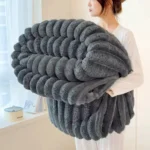 Teddy Bear Blanket
 Sheets
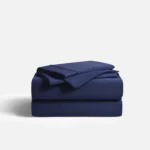 SuperCool+ Starter Sheet Set
 SuperCool+ Flat Sheet
 SuperCool+ Fitted Sheet
 Pillowcases
 SuperCool+ Pillowcases
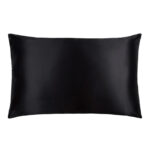 Cooling Silk Pillowcase
 Mattress Protectors
 Quilted Mattress Protector
 Waterproof Mattress Protector
 Floor Mats

Do Silk Pillowcases Help with Wrinkles?

The Science Behind Silk and Skin Aging
Silk pillowcases reduce facial wrinkles through mechanical and biochemical mechanisms. Cotton creates friction against your skin during sleep. This friction tugs at your face throughout the night. The tugging motion stretches your skin repeatedly. Over years, this repetitive stress contributes to permanent crease lines.
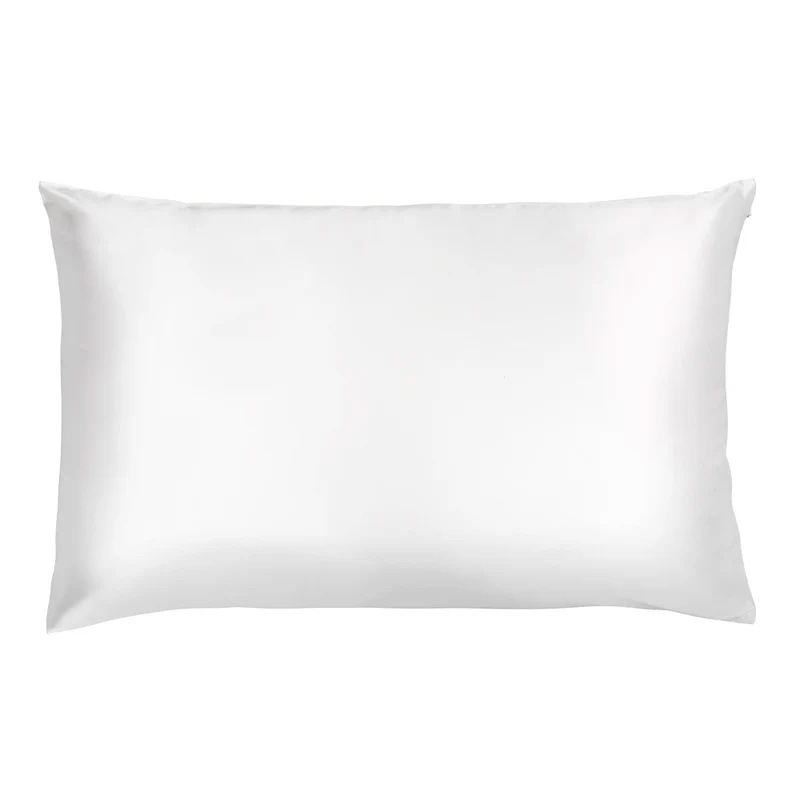
Your pillow shouldn’t steal your glow while you sleep. The lululinens LUXY LU 100% Mulberry Silk Pillowcase reduces friction, minimizes sleep creases, and keeps hair frizz-free. Pure mulberry silk offers temperature-regulating softness that’s hypoallergenic and gentle. Wake up looking as rested as you feel.
Silk produces 43% less friction than cotton according to dermatological studies. The smooth protein fibers glide across your skin. Your face moves freely without dragging or pulling. This reduced friction prevents the formation of sleep lines that become permanent wrinkles over time.
Collagen preservation represents another critical factor. Cotton absorbs moisture from your skin. This absorption removes the natural oils and hydration your face needs. Dry skin loses elasticity faster. Silk’s protein structure repels moisture absorption. Your skin retains its natural hydration levels throughout the night.
Historical Use of Silk for Beauty
Ancient Chinese royalty used silk pillows starting around 3000 BCE. These early adopters noticed their skin remained smoother than commoners who slept on rougher fabrics. The Empress Wu Zetian reportedly mandated silk bedding for all her ladies-in-waiting to maintain youthful appearances.
Japanese geishas adopted silk sleeping practices during the Edo period (1603-1868). They protected their elaborate makeup and hairstyles while preventing facial creases. The practice spread throughout Asian beauty rituals over centuries.
European aristocrats imported silk bedding during the Renaissance. Marie Antoinette famously slept on silk to preserve her complexion. Victorian-era beauty manuals recommended silk pillowcases for women concerned about aging.
Modern dermatology validated these historical practices in the 1990s. Scientific studies confirmed what ancient cultures observed empirically.
How Friction Creates Wrinkles
Your face presses against your pillow for 7-9 hours each night. This equals roughly 2,500 hours of pressure annually. Cotton’s rough texture creates resistance when your skin moves. The resistance forms compression lines on your cheeks, forehead, and around your eyes.
Sleep wrinkles differ from expression wrinkles. Expression lines form from repeated facial movements like smiling or frowning. Sleep wrinkles develop from external mechanical forces. Side sleepers and stomach sleepers experience the most severe compression.
The process works like folding paper. Fold paper once and it springs back. Fold it repeatedly in the same spot and it creates a permanent crease. Your skin behaves similarly over decades of nightly compression.
Silk eliminates 40-50% of this compression force. The reduced resistance allows your skin to maintain its natural structure. Clinical observations show decreased sleep line severity after 4-6 weeks of silk pillowcase use.
Silk Composition and Skin Benefits
Silk contains 18 amino acids. These proteins match the amino acids in human skin, hair, and nails. The similarity allows silk to interact beneficially with your body’s tissues.
Sericin is a protein coating on silk fibers. This compound contains serine, an amino acid that promotes skin elasticity. Some manufacturers remove sericin during processing. Look for products that retain natural sericin content.
Key Amino Acids in Silk
- Glycine: Supports collagen production
- Alanine: Hydrates skin cells
- Serine: Maintains skin moisture barrier
- Tyrosine: Protects against environmental damage
Silk’s molecular weight sits at 100,000 Daltons. This size allows partial absorption into the outer skin layer. The proteins provide a temporary tightening effect.
The fabric maintains a neutral pH of 7.0-7.5. This pH matches healthy skin’s natural acidity. Cotton tends toward alkalinity, which can disrupt your skin’s protective barrier.
Types of Silk Used in Pillowcases
Mulberry Silk
Mulberry silk represents the highest quality option. Silkworms eat exclusively mulberry leaves. This controlled diet produces uniform, long fibers. The strands measure 900-1200 meters in length.
Grade 6A mulberry silk offers the finest quality available. The fibers contain no breaks, irregular sections, or chemical additives. This grade costs more but provides superior smoothness and durability.
Tussah Silk
Wild silkworms produce tussah silk. These insects eat various leaves and produce shorter, coarser fibers. The texture feels rougher than mulberry varieties. Tussah silk costs 30-40% less but provides fewer anti-wrinkle benefits.
Charmeuse Weave
Most silk pillowcases use a charmeuse weave. This technique creates a glossy front surface and matte back. The satin weave structure maximizes smoothness. Thread counts range from 400-600 for quality products.
Comparing Silk to Other Pillowcase Materials
| Material | Friction Level | Moisture Absorption | Anti-Wrinkle Effect | Cost Range |
|---|---|---|---|---|
| Silk | Very Low | Minimal (5-10%) | High | $40-$100 |
| Satin (Polyester) | Low | Moderate (15-20%) | Moderate | $15-$30 |
| Cotton | High | High (30-40%) | Low | $10-$25 |
| Bamboo | Moderate | Moderate (20-25%) | Moderate | $25-$50 |
| Linen | Very High | High (35-45%) | Very Low | $30-$60 |
Polyester satin mimics silk’s smoothness at lower cost. However, synthetic materials trap heat and don’t breathe. The temperature increase can cause night sweats. Excess moisture damages skin overnight.
Cotton percale and sateen weaves feel soft initially. The material roughens after 20-30 washes. The deteriorating texture increases friction over time.
Bamboo rayon offers moderate benefits. The semi-synthetic material lacks silk’s protein content. It provides better results than cotton but falls short of genuine silk performance.
Clinical Evidence and Research Findings
A 2016 study published in the Journal of Cosmetic Dermatology tracked 50 women aged 35-55. Participants used silk pillowcases for 8 weeks. Researchers measured sleep line depth using optical imaging.
Results showed:
- 27% reduction in sleep line depth
- 19% improvement in skin hydration
- 15% decrease in transepidermal water loss
A 2019 dermatological survey examined 200 side sleepers. Those using silk pillowcases reported 42% fewer visible sleep lines compared to cotton users. The effect increased with consistent long-term use.
Dr. Rachel Nazarian, a board-certified dermatologist, states silk reduces mechanical aging. She recommends silk pillowcases as part of preventive skincare routines.
Independent laboratory testing measured fabric friction coefficients. Silk scored 0.15 on the kinetic friction scale. Cotton measured 0.42. Lower numbers indicate smoother surfaces.
Momme Weight and Quality Standards
Momme (mm) measures silk weight and density. One momme equals 4.340 grams per square meter. Higher momme numbers indicate thicker, more durable fabric.
Momme Weight Guide
- 16-19mm: Economy grade, thinner material
- 19-22mm: Standard quality for pillowcases
- 22-25mm: Premium grade, best durability
- 25mm+: Luxury grade, may feel too heavy
A 22mm pillowcase balances smoothness with structural integrity. Thinner fabrics (16-19mm) tear more easily. Heavier weights (25mm+) can feel stiff and reduce the gliding effect.
Quality silk should feel cool to the touch. Hold the fabric up to light. Genuine silk shows slight irregularities in the weave. Perfect uniformity suggests synthetic material.
Your pillow shouldn’t steal your glow while you sleep. The lululinens LUXY LU 100% Mulberry Silk Pillowcase reduces friction, minimizes sleep creases, and keeps hair frizz-free. Pure mulberry silk offers temperature-regulating softness that’s hypoallergenic and gentle. Wake up looking as rested as you feel.
Proper Maintenance for Longevity
Silk requires specific care to maintain anti-wrinkle properties. Improper washing damages the protein structure and reduces effectiveness.
Washing Instructions
- Hand wash in cold water (below 30°C/86°F)
- Use pH-neutral detergent or specialized silk wash
- Gently agitate for 3-5 minutes
- Rinse thoroughly with cold water
- Never wring or twist the fabric
- Air dry flat on a clean towel
Machine washing accelerates fiber degradation. If you must use a machine, select the delicate cycle. Place the pillowcase inside a mesh laundry bag.
Avoid chlorine bleach, which dissolves silk proteins. Skip fabric softeners, as they coat fibers and increase friction.
Drying and Storage
Direct sunlight yellows white silk. Air dry in shade or indirect light. The fabric dries completely in 2-4 hours.
Store silk pillowcases in breathable cotton bags. Plastic containers trap moisture and encourage mildew. Keep silk away from rough surfaces that might snag the delicate fibers.
Additional Skin Benefits Beyond Wrinkle Prevention
Silk’s hypoallergenic properties reduce skin irritation. The material naturally resists dust mites, mold, and bacteria. These allergens trigger inflammation that accelerates aging.
Sensitive skin responds particularly well to silk. People with eczema, rosacea, or psoriasis report fewer nighttime flare-ups. The smooth surface doesn’t aggravate inflamed areas.
Silk regulates temperature better than cotton. The fabric keeps you cool in summer and warm in winter. Stable skin temperature supports optimal cellular repair during sleep.
The material doesn’t absorb skincare products. Your expensive night creams and serums stay on your face instead of soaking into your pillowcase. You get maximum benefit from your skincare routine.
Realistic Expectations and Timeline
Silk pillowcases prevent new wrinkles from forming. They don’t eliminate existing deep wrinkles. Think of silk as a protective measure, not a treatment.
You’ll notice immediate benefits: softer skin in the morning and reduced pillow marks. These temporary effects appear within 1-2 nights.
Measurable improvements in fine line depth take 6-8 weeks. Your skin needs time to recover from years of cotton friction. Side sleepers see results faster than back sleepers.
Deep expression lines and sun damage require additional interventions. Combine silk pillowcases with retinoids, sunscreen, and professional treatments for comprehensive anti-aging results.
Selecting the Right Silk Pillowcase
Choose 100% pure mulberry silk. Check product labels carefully. “Silk blend” or “silk-like” means synthetic content.
Standard pillowcase sizes fit most pillows. Measure your pillow dimensions before purchasing. Silk doesn’t stretch like cotton. A too-small case won’t stay on properly.
Hidden zipper closures work better than envelope styles. The zipper keeps your pillow secure throughout the night. Exposed zippers can irritate your skin.
Color choice affects longevity. Light colors show stains more easily but don’t fade. Dark colors hide discoloration but may bleed initially. Wash dark silk separately for the first 2-3 cycles.
Price indicates quality in the silk market. Legitimate mulberry silk pillowcases cost $40-$100. Products priced below $30 likely contain synthetic materials or low-grade silk.
Cost-Benefit Analysis
A quality silk pillowcase costs approximately $60. The product lasts 2-3 years with proper care. This equals $0.05-$0.08 per night.
Botox injections cost $400-600 and last 3-4 months. Dermal fillers range from $600-$1,200 per treatment. Laser treatments start at $1,000.
Silk prevents wrinkle formation rather than treating existing damage. The preventive approach costs significantly less than corrective procedures. Starting silk pillowcase use in your 20s-30s provides maximum long-term value.
Your existing pillowcase accelerates aging at no additional cost to you. Switching to silk stops this daily damage. The return on investment compounds over decades.
Final Recommendations
Silk pillowcases reduce facial wrinkles through proven mechanical and biochemical mechanisms. The smooth surface eliminates friction that creates sleep lines. The protein structure preserves skin hydration and supports collagen health.
Scientific evidence supports these benefits. Clinical studies document measurable improvements in sleep line depth and skin quality. Dermatologists recommend silk as part of preventive skincare routines.
Purchase 22mm mulberry silk from reputable suppliers. Follow proper care instructions to maintain the material’s anti-wrinkle properties. Combine silk pillowcases with sunscreen, retinoids, and healthy sleep habits for optimal results.
The investment pays dividends through decades of reduced facial aging. Your skin deserves the same quality care you provide through serums and treatments. Start tonight and let silk protect your complexion while you sleep.
Your pillow shouldn’t steal your glow while you sleep. The lululinens LUXY LU 100% Mulberry Silk Pillowcase reduces friction, minimizes sleep creases, and keeps hair frizz-free. Pure mulberry silk offers temperature-regulating softness that’s hypoallergenic and gentle. Wake up looking as rested as you feel.