 Comforters
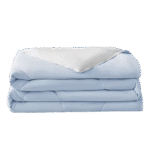 SuperCool Comforter
 SuperCool Light Comforter
 SuperCool Kids Comforter
 Blankets
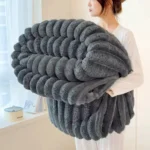 Teddy Bear Blanket
 Sheets
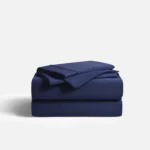 SuperCool+ Starter Sheet Set
 SuperCool+ Flat Sheet
 SuperCool+ Fitted Sheet
 Pillowcases
 SuperCool+ Pillowcases
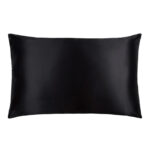 Cooling Silk Pillowcase
 Mattress Protectors
 Quilted Mattress Protector
 Waterproof Mattress Protector
 Floor Mats

Do Silk Pillowcases Help With Greasy Hair?

Understanding the Relationship Between Silk and Hair Oil Production
Silk pillowcases have gained attention for their potential impact on hair health. Many people wonder if these luxury bedding items can reduce greasy hair. The answer involves understanding both hair biology and fabric properties.
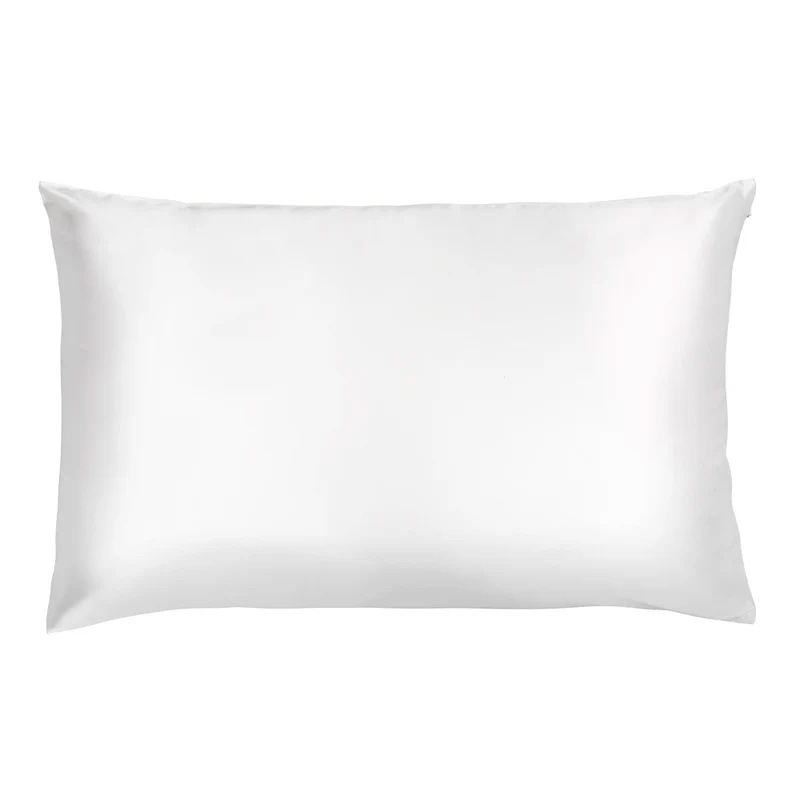
Your pillow shouldn’t steal your glow while you sleep. The lululinens LUXY LU 100% Mulberry Silk Pillowcase reduces friction, minimizes sleep creases, and keeps hair frizz-free. Pure mulberry silk offers temperature-regulating softness that’s hypoallergenic and gentle. Wake up looking as rested as you feel.
Your scalp produces sebum, a natural oil that protects and moisturizes your hair. Some people produce excess sebum, which creates the appearance of greasy hair. Traditional cotton pillowcases can contribute to this problem through their absorption and friction properties.
Silk pillowcases work differently than cotton. The smooth surface reduces friction against your hair strands. This decreased friction means less stimulation to your scalp’s oil glands during sleep. Less stimulation can result in reduced sebum production over time.
The Science Behind Silk Fabric Properties
Silk is a natural protein fiber produced by silkworms. The material has existed for over 5,000 years, originating in ancient China around 3,000 BCE. Chinese royalty initially reserved silk for their exclusive use before it spread along trade routes.
The structure of silk fibers creates unique benefits:
- Smooth surface texture: Silk contains 18 amino acids that create a naturally smooth finish
- Low absorbency rate: Silk absorbs approximately 30% of its weight in moisture, compared to cotton’s 25-27%
- Tight weave patterns: Quality silk pillowcases use thread counts between 400-600
- Natural temperature regulation: Silk fibers adjust to body temperature throughout the night
Momme weight measures silk quality. This unit indicates the weight of 100 yards of silk fabric that is 45 inches wide. Most quality silk pillowcases range from 19 to 25 momme. Higher momme weights indicate denser, more durable fabric.
How Cotton Pillowcases Contribute to Greasy Hair
Cotton pillowcases create several problems for people with oily hair:
- High absorption capacity: Cotton absorbs oils from your hair and scalp
- Rough texture: Cotton fibers create friction that stimulates oil production
- Bacterial growth: Absorbed oils create breeding grounds for bacteria
- Product buildup: Hair products accumulate in cotton fibers over time
Cotton’s absorbent nature seems beneficial at first. The fabric pulls oil away from your hair during sleep. However, this creates a problem. Your scalp detects the oil loss and produces more sebum to compensate. This cycle continues each night, potentially increasing overall oil production.
The friction from cotton also damages hair cuticles. Damaged cuticles appear rough and dull. Your scalp may produce extra oil to protect these damaged strands.
Direct Benefits of Silk for Greasy Hair Management
Silk pillowcases offer specific advantages for managing greasy hair:
Reduced friction coefficient: Silk has a friction coefficient of 0.15-0.25, while cotton measures 0.4-0.6. This lower friction means less mechanical stimulation to your scalp during sleep movements.
Balanced moisture retention: Silk doesn’t strip natural oils aggressively. Your scalp maintains equilibrium rather than overproducing sebum to compensate for oil loss.
Antimicrobial properties: Silk contains natural proteins that resist bacteria, dust mites, and fungi. These properties keep your sleeping surface cleaner between washes.
Less static buildup: Silk generates minimal static electricity. Static-free hair requires less product application, which reduces additional oil and buildup.
Comparison: Silk vs. Other Pillowcase Materials
| Material | Friction Level | Absorbency | Antimicrobial | Oil Impact |
|---|---|---|---|---|
| Silk | Very Low | Moderate | Yes | Reduces production |
| Cotton | High | Very High | No | Increases production |
| Satin (Polyester) | Low | Low | No | Neutral effect |
| Bamboo | Medium | High | Yes | Slightly reduces |
| Linen | High | Very High | No | Increases production |
Satin pillowcases often get confused with silk. Satin refers to a weave pattern, not a material. Most satin pillowcases use polyester fibers. While polyester satin provides smooth texture, it lacks silk’s breathability and natural properties.
Optimal Silk Specifications for Hair Benefits
Not all silk pillowcases deliver equal results. Specific technical specifications matter:
Momme weight range: Choose 19-22 momme for standard use or 22-25 momme for extended durability. Lower momme weights (below 19) lack density and wear quickly. Higher weights (above 25) feel stiff and heavy.
Mulberry silk grade: Grade A mulberry silk provides the highest quality. This grade uses the longest silk fibers, creating smooth, uniform fabric. Grade B silk contains shorter fibers and more irregularities.
Weave type: Charmeuse weave creates the smoothest surface. This weave features a satin finish on one side and a matte finish on the reverse. Use the satin side against your hair.
Thread count: Aim for 400-600 thread count. Higher counts create tighter weaves that last longer and feel smoother.
Implementation Strategy for Best Results
Follow these steps to maximize benefits:
- Wash before first use: Remove manufacturing residues that can attract oil
- Use the correct side: Place the glossy charmeuse side against your hair
- Maintain clean hair: Start with properly cleansed hair before sleep
- Wash regularly: Clean your silk pillowcase every 3-4 days initially
- Adjust washing frequency: Reduce to weekly washing after the first month
Your hair needs an adjustment period. Expect 2-4 weeks before noticing significant changes in oil production. Your scalp must recalibrate its sebum production to the new sleeping surface.
Proper Maintenance for Continued Effectiveness
Silk pillowcases require specific care to maintain their properties:
Hand washing method:
- Fill a basin with cool water (65-75°F)
- Add pH-neutral detergent (1 teaspoon per gallon)
- Gently agitate for 3-5 minutes
- Rinse thoroughly with cool water
- Roll in a towel to remove excess water
- Air dry flat away from direct sunlight
Machine washing alternative:
- Use a mesh laundry bag
- Select delicate cycle with cold water
- Use gentle, pH-neutral detergent
- Skip fabric softener (it creates buildup)
- Remove promptly and air dry flat
Never use bleach, harsh chemicals, or high heat. These damage silk’s protein structure and reduce its beneficial properties.
Your pillow shouldn’t steal your glow while you sleep. The lululinens LUXY LU 100% Mulberry Silk Pillowcase reduces friction, minimizes sleep creases, and keeps hair frizz-free. Pure mulberry silk offers temperature-regulating softness that’s hypoallergenic and gentle. Wake up looking as rested as you feel.
Additional Factors That Influence Results
Silk pillowcases work best as part of a complete hair care approach:
Diet impact: High-glycemic foods and dairy can increase sebum production. Your pillowcase cannot overcome poor dietary choices.
Hormone levels: Hormonal fluctuations affect oil production. Silk helps manage symptoms but doesn’t address underlying hormonal issues.
Product selection: Heavy styling products transfer to pillowcases. Choose lightweight formulas that won’t build up on fabric.
Washing frequency: Over-washing strips natural oils and triggers overproduction. Find your optimal washing schedule (typically 2-3 times weekly for oily hair).
Water temperature: Hot water opens hair cuticles and stimulates oil glands. Use lukewarm or cool water for final rinses.
Cost Analysis and Long-Term Value
Quality silk pillowcases range from $30 to $100. The investment breaks down as follows:
- Entry-level (19 momme, Grade B): $30-45
- Mid-range (22 momme, Grade A): $50-70
- Premium (25 momme, Grade A): $75-100
A quality silk pillowcase lasts 2-3 years with proper care. This equals $0.04-0.14 per night. Compare this to:
- Dry shampoo: $0.30-0.50 per use
- Extra hair washing costs: $0.20-0.40 per wash (shampoo, conditioner, water, time)
- Blotting papers: $0.15-0.25 per use
The silk pillowcase pays for itself within 6-12 months for most users.
Expected Timeline for Visible Results
Results appear gradually:
Week 1-2: Reduced hair tangling and improved texture upon waking. No significant oil reduction yet.
Week 3-4: Slight decrease in visible oil. You may extend time between washes by half a day.
Week 5-8: Noticeable reduction in greasy appearance. Most users extend washing schedules by one full day.
Week 9-12: Scalp reaches new equilibrium. Oil production stabilizes at lower levels.
Month 4+: Maximum benefits achieved. Some users reduce hair washing from daily to every other day.
Individual results vary based on genetics, hormones, and lifestyle factors.
Common Mistakes That Reduce Effectiveness
Avoid these errors:
- Using fabric softener: Creates waxy buildup that attracts oil
- Insufficient washing: Accumulated oils reduce silk’s friction benefits
- Going to bed with wet hair: Excess moisture damages silk fibers
- Applying heavy night treatments: Products transfer to pillowcase and reduce effectiveness
- Choosing low-quality silk: Poor construction provides minimal benefits
Making Your Selection
Consider these factors:
Closure type: Envelope closures work better than zipper closures. Zippers can snag hair and create uncomfortable pressure points.
Size accuracy: Measure your pillow dimensions. Standard pillows measure 20×26 inches, but verify your specific pillow size.
Color consideration: Lighter colors show oil stains more quickly. Darker shades hide discoloration between washes.
Care requirements: Assess your willingness to hand wash. Machine-washable options exist but may sacrifice some quality.
The Bottom Line
Silk pillowcases help reduce greasy hair through reduced friction and balanced moisture retention. The smooth surface minimizes scalp stimulation during sleep. This decreased stimulation allows your sebum production to normalize over time.
Results require consistency and patience. Most people notice improvements within 4-8 weeks. The benefits continue with proper maintenance and care.
Silk pillowcases work best combined with appropriate hair care routines. They support your efforts rather than replacing good hair hygiene practices. For people struggling with excess oil production, silk provides a passive solution that works every night while you sleep.
The investment delivers value through improved hair appearance, reduced product usage, and extended time between washes. Quality silk pillowcases from reputable sources like LuluLinens offer the specifications needed for optimal results.
Your pillow shouldn’t steal your glow while you sleep. The lululinens LUXY LU 100% Mulberry Silk Pillowcase reduces friction, minimizes sleep creases, and keeps hair frizz-free. Pure mulberry silk offers temperature-regulating softness that’s hypoallergenic and gentle. Wake up looking as rested as you feel.