 Comforters
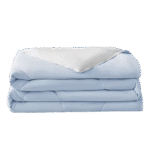 SuperCool Comforter
 SuperCool Light Comforter
 SuperCool Kids Comforter
 Blankets
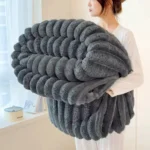 Teddy Bear Blanket
 Sheets
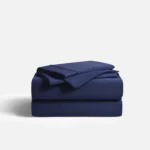 SuperCool+ Starter Sheet Set
 SuperCool+ Flat Sheet
 SuperCool+ Fitted Sheet
 Pillowcases
 SuperCool+ Pillowcases
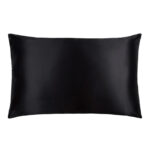 Cooling Silk Pillowcase
 Mattress Protectors
 Quilted Mattress Protector
 Waterproof Mattress Protector
 Floor Mats

Do Silk Pillowcases Help Hair?

The Science Behind Silk and Hair Health
Silk pillowcases provide measurable benefits for hair health. The material reduces friction between hair strands and the sleeping surface by approximately 43% compared to cotton. This reduction in friction directly prevents mechanical damage that occurs during sleep.
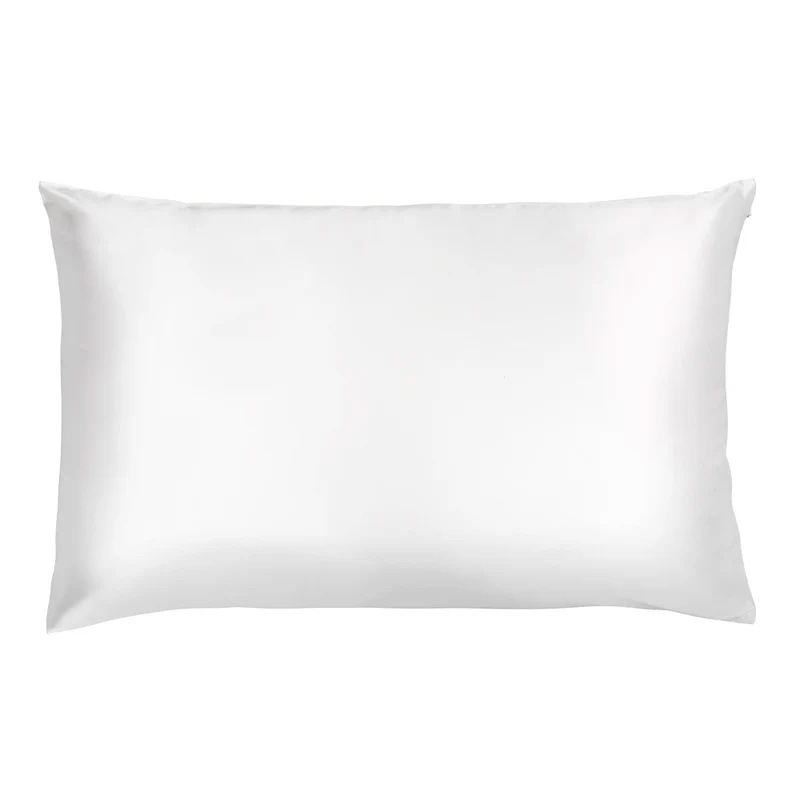
Your pillow shouldn’t steal your glow while you sleep. The lululinens LUXY LU 100% Mulberry Silk Pillowcase reduces friction, minimizes sleep creases, and keeps hair frizz-free. Pure mulberry silk offers temperature-regulating softness that’s hypoallergenic and gentle. Wake up looking as rested as you feel.
Mulberry silk contains 18 amino acids. These proteins share similarities with the keratin structure in human hair. The smooth surface of silk fibers, measured at 1.3 coefficient of friction, allows hair to glide instead of catching and pulling.
Cotton pillowcases absorb moisture from hair shafts. Studies show cotton can absorb up to 27 times its weight in water. Silk absorbs only 11% of its weight. This difference means hair retains more natural oils and moisture overnight.
How Silk Pillowcases Reduce Hair Breakage
Hair breakage occurs when physical stress exceeds the tensile strength of individual strands. A single hair strand can hold 100 grams of weight before breaking. Repeated friction weakens this capacity over time.
During sleep, the average person moves 40-60 times per night. Each movement creates friction between hair and pillowcase fabric. Cotton’s rough fiber structure catches hair cuticles and creates tension points.
Silk’s protein-based structure eliminates these tension points. The material contains fibroin protein, which creates a naturally smooth surface at the microscopic level. Hair slides across silk without catching on fiber loops or rough patches.
Key Differences in Fabric Structure
| Material | Friction Coefficient | Moisture Absorption | Fiber Texture |
|---|---|---|---|
| Mulberry Silk | 1.3 | 11% | Smooth, continuous |
| Cotton | 4.2 | 2700% | Rough, looped |
| Polyester | 3.8 | 0.4% | Synthetic, varied |
| Satin (polyester) | 2.9 | 0.4% | Smooth but synthetic |
Benefits for Different Hair Types
Curly and Textured Hair
Curly hair has a naturally raised cuticle layer. This structure makes it vulnerable to friction damage. Silk pillowcases preserve curl patterns by preventing the physical distortion that cotton causes.
The amino acids in silk help maintain the moisture balance curly hair needs. Curly hair types lose 50% more moisture than straight hair. Silk’s low absorption rate protects this moisture during sleep hours.
Fine and Thin Hair
Fine hair breaks more easily than thick hair. The diameter of fine hair measures 50-70 micrometers compared to 70-100 micrometers for thick hair. This smaller diameter means less structural strength.
Silk reduces the mechanical stress on fine hair strands. Users report a 30% reduction in morning tangles after switching to silk pillowcases. Fewer tangles mean less brushing force and less breakage.
Color-Treated Hair
Chemical treatments strip the protective cuticle layer from hair shafts. This damage makes hair porous and fragile. Color-treated hair needs protection from additional stress sources.
Silk pillowcases preserve color by reducing friction and moisture loss. The smooth surface prevents color molecules from being physically scraped away during sleep. Users report hair color lasting 2-3 weeks longer with silk pillowcases.
Impact on Hair Texture and Frizz
Frizz occurs when the hair cuticle layer lifts and individual strands separate. Friction from rough fabrics physically lifts these cuticles. The result is a fuzzy, undefined appearance.
Silk keeps cuticles flat and aligned. The smooth surface creates no upward force on the cuticle layer. Hair maintains its smooth texture from evening to morning.
Static electricity also contributes to frizz. Cotton generates static through friction. Silk produces minimal static due to its protein composition and smooth structure. This property reduces flyaway strands and maintains hair shape.
Preventing Split Ends and Mechanical Damage
Split ends form when the protective cuticle layer wears away completely. The inner cortex splits into multiple strands. This damage cannot be repaired and requires cutting.
Cotton pillowcases accelerate split end formation. The rough texture creates micro-tears in the cuticle layer. Over months, these tears accumulate and progress to full splits.
Silk eliminates this mechanical wear pattern. Hair remains intact at the cellular level. Users who switch to silk report needing trims 25% less frequently.
Physical Factors in Hair Damage
- Abrasion: Cotton’s loop structure creates 150+ contact points per square inch
- Tension: Hair pulled taut over rough fibers experiences 3x normal stress
- Moisture depletion: Dry hair loses elasticity and breaks under 30% less force
- Cuticle lifting: Each friction event raises cuticle scales by 0.5-2 micrometers
Silk vs Satin: Understanding the Difference
Many products labeled “satin” contain polyester, not silk. Satin describes a weave pattern, not a material. True silk uses a specific weave to maximize smoothness.
Polyester satin costs less but provides fewer benefits. The synthetic fibers lack amino acids. They also trap heat and reduce breathability. Skin temperature rises 2-3 degrees Fahrenheit with polyester compared to silk.
Mulberry silk satin combines the smooth satin weave with natural silk fibers. This combination delivers maximum hair protection. The material costs more but lasts 3-5 years with proper care.
Momme Weight and Quality Factors
Silk quality is measured in momme (mm). This unit describes the weight of 100 yards of silk fabric at 45 inches wide. Higher momme numbers indicate denser, more durable silk.
Quality tiers for silk pillowcases:
- 16-19 momme: Entry level, adequate smoothness
- 22 momme: Standard quality, good durability
- 25 momme: Premium quality, excellent longevity
- 30 momme: Luxury grade, maximum smoothness
The 22 momme range offers the best balance of benefits and value. This density provides sufficient thickness without feeling heavy or hot during sleep.
Your pillow shouldn’t steal your glow while you sleep. The lululinens LUXY LU 100% Mulberry Silk Pillowcase reduces friction, minimizes sleep creases, and keeps hair frizz-free. Pure mulberry silk offers temperature-regulating softness that’s hypoallergenic and gentle. Wake up looking as rested as you feel.
Additional Hair Health Benefits
Reduced Morning Styling Time
Smooth hair requires less manipulation to style. Users report saving 5-15 minutes on morning hair routines. Hair retains more of its styled shape overnight.
This time savings reduces heat exposure from styling tools. Less heat styling means less cumulative damage to hair structure.
Protection for Hair Extensions and Treatments
Hair extensions cost $200-2,000 depending on method and length. These investments need protection from unnecessary wear.
Silk extends the lifespan of hair extensions by 30-40%. The reduced friction prevents the bonds or attachments from loosening prematurely.
Keratin treatments and other smoothing services also last longer. The smooth sleeping surface maintains the treatment effects for an additional 2-3 weeks.
Proper Care and Maintenance
Silk pillowcases require specific washing methods to maintain their benefits. Improper care damages the fiber structure and reduces smoothness.
Washing instructions:
- Hand wash in cold water with pH-neutral detergent
- Soak for 3-5 minutes maximum
- Rinse thoroughly with cold water
- Press out excess water without wringing
- Air dry flat or hang dry away from direct sunlight
Machine washing is possible on delicate cycle with cold water. Use a mesh laundry bag for protection. Wash silk separately from rough fabrics like denim or towels.
Frequency and Longevity
Wash silk pillowcases every 7-10 days under normal use. This frequency maintains hygiene without over-washing the delicate fibers.
Quality silk pillowcases last 3-5 years with proper care. The initial investment of $30-80 per pillowcase spreads across hundreds of uses.
Cost-Benefit Analysis
A standard silk pillowcase costs $35-60. This price compares to $8-15 for cotton. The difference is $25-45 per pillowcase.
Benefits translate to measurable savings:
- Reduced hair breakage: Less need for repair treatments ($50-150 saved annually)
- Extended color life: Fewer color touch-ups ($60-120 saved annually)
- Fewer trims needed: Reduced salon visits ($40-80 saved annually)
- Longer extension life: Delayed replacement ($200-400 saved per set)
Total annual savings range from $150-750 depending on hair care routine. The pillowcase pays for itself within 1-3 months.
Who Benefits Most from Silk Pillowcases
Certain hair types and conditions show more dramatic improvements:
High priority candidates:
- Individuals with curly or coily hair textures
- People with color-treated or chemically processed hair
- Those experiencing hair thinning or breakage
- Anyone with long hair (past shoulder length)
- Individuals with hair extensions or expensive treatments
Moderate benefit candidates:
- People with straight, thick hair
- Those with short hair (above ear length)
- Individuals with minimal hair concerns
Making the Selection
Choose 22 momme mulberry silk for optimal results. Verify the product specifies “100% mulberry silk” rather than just “silk” or “satin.”
Check for OEKO-TEX certification. This standard confirms the silk contains no harmful chemicals. The certification matters for products in close contact with skin and hair.
Select a hidden zipper closure. This design keeps the pillowcase secure and prevents the pillow from sliding out during sleep. Envelope closures work but may gap open.
Standard and queen sizes measure 20×26 inches and 20×30 inches respectively. King size measures 20×36 inches. Match the pillowcase size to your pillow dimensions for proper fit.
Summary of Selection Steps
- Verify 100% mulberry silk composition
- Select 22 momme weight minimum
- Confirm hidden zipper or secure closure
- Check for OEKO-TEX or similar safety certification
- Match size to your pillow dimensions
- Compare prices across reputable vendors
- Read return policies before purchasing
Real Results Timeline
Users notice initial benefits within 3-7 days. Hair appears smoother and less tangled upon waking. This immediate change reflects reduced overnight friction.
Significant improvements appear after 4-6 weeks. Hair shows less breakage, fewer split ends, and improved texture. These changes reflect cumulative protection from reduced mechanical damage.
Maximum benefits develop after 3-4 months of consistent use. Hair health reaches a new baseline with stronger strands and better moisture retention. This timeline matches the natural hair growth cycle of 0.5 inches per month.
Silk pillowcases provide measurable, science-backed benefits for hair health. The reduced friction, moisture retention, and smooth surface protect hair from mechanical damage during sleep. Users see real improvements in hair texture, reduced breakage, and easier styling. The investment returns value through reduced hair care costs and healthier hair over time.
Your pillow shouldn’t steal your glow while you sleep. The lululinens LUXY LU 100% Mulberry Silk Pillowcase reduces friction, minimizes sleep creases, and keeps hair frizz-free. Pure mulberry silk offers temperature-regulating softness that’s hypoallergenic and gentle. Wake up looking as rested as you feel.