 Comforters
 SuperCool Comforter
 SuperCool Light Comforter
 SuperCool Kids Comforter
 Blankets
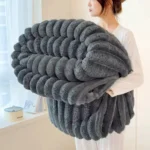 Teddy Bear Blanket
 Sheets
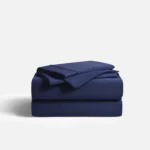 SuperCool+ Starter Sheet Set
 SuperCool+ Flat Sheet
 SuperCool+ Fitted Sheet
 Pillowcases
 SuperCool+ Pillowcases
 Cooling Silk Pillowcase
 Mattress Protectors
 Quilted Mattress Protector
 Waterproof Mattress Protector
 Floor Mats

Do Satin Pillowcases Make You Sweat?

The Science Behind Satin and Body Temperature
Satin pillowcases do not make most people sweat more than regular cotton pillowcases. The fabric composition and weave structure determine how satin affects your body temperature during sleep.
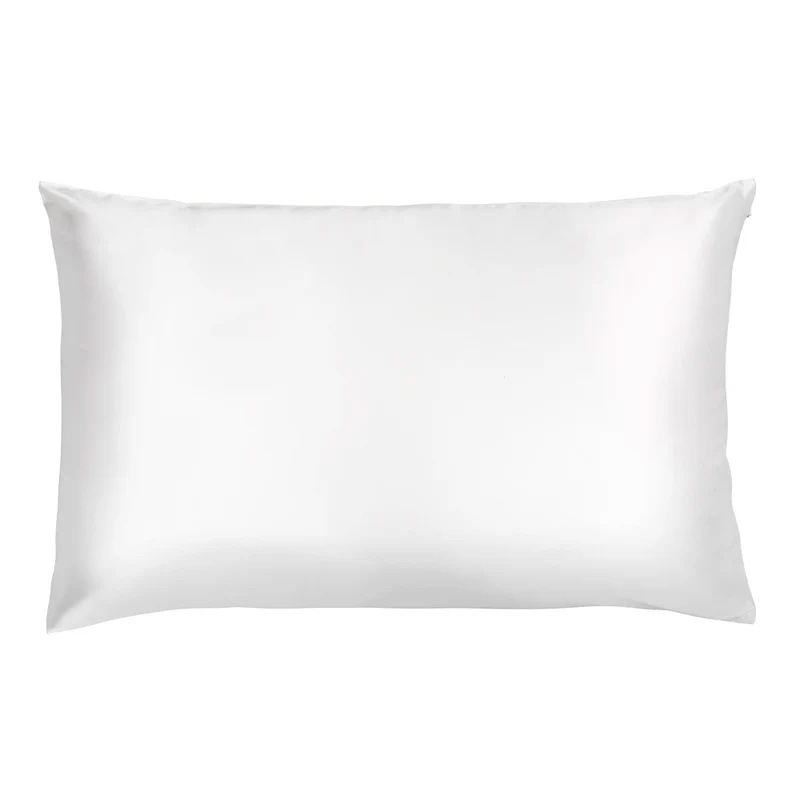
Your pillow shouldn’t steal your glow while you sleep. The lululinens LUXY LU 100% Mulberry Silk Pillowcase reduces friction, minimizes sleep creases, and keeps hair frizz-free. Pure mulberry silk offers temperature-regulating softness that’s hypoallergenic and gentle. Wake up looking as rested as you feel.
Satin refers to a weave pattern, not a specific fiber. Manufacturers create satin using polyester, silk, or other materials. The smooth surface reduces friction against your skin and hair. This quality made satin popular for bedding starting in the 1970s when synthetic materials became affordable for home textiles.
Polyester satin traps heat and moisture because synthetic fibers lack breathability. Your skin releases water vapor throughout the night. Polyester prevents this moisture from escaping, creating a damp feeling that mimics sweating.
Silk satin regulates temperature naturally. The protein-based fibers wick moisture away from your skin. Silk absorbs up to 30% of its weight in moisture without feeling wet. This property keeps you dry even on warm nights.
Your body temperature drops 1-2 degrees Fahrenheit during sleep. Bedding materials that trap heat disrupt this natural cooling process. You wake up feeling sweaty and uncomfortable.
How Different Satin Materials Affect Sweating
Polyester Satin Characteristics
Polyester satin costs $15-30 per pillowcase. The material feels smooth initially but becomes clammy after 2-3 hours of sleep. Here are the key properties:
- Non-breathable structure: Polyester fibers form a tight barrier that blocks airflow
- Static electricity buildup: Synthetic materials generate static, attracting dust and hair
- Heat retention: Polyester holds body heat close to your skin
- Moisture accumulation: Sweat stays trapped between your face and the fabric
Silk Satin Properties
Silk satin ranges from $40-150 per pillowcase depending on momme weight (fabric density). A 22-momme silk pillowcase provides optimal temperature regulation. The natural fiber offers several advantages:
- Breathable weave: Air circulates through the fabric freely
- Temperature adaptation: Silk feels cool in summer and warm in winter
- Moisture wicking: Fabric pulls sweat away from your skin surface
- Hypoallergenic nature: Silk resists dust mites and allergens
Bamboo Satin Options
Bamboo satin emerged in the 2000s as an eco-friendly alternative. The fabric costs $25-50 per pillowcase. Bamboo viscose provides moderate breathability between polyester and silk performance levels.
Comparison Table: Satin Materials and Sweat Response
| Material | Breathability Rating | Moisture Management | Heat Retention | Price Range |
|---|---|---|---|---|
| Polyester Satin | Low (2/10) | Poor – traps moisture | High | $15-30 |
| Silk Satin | Excellent (9/10) | Excellent – wicks away | Low | $40-150 |
| Bamboo Satin | Good (7/10) | Good – moderate wicking | Medium | $25-50 |
| Cotton (comparison) | Very Good (8/10) | Good – absorbs moisture | Low-Medium | $10-35 |
Who Should Avoid Satin Pillowcases
Certain sleep conditions make satin pillowcases problematic:
Hot sleepers experience increased discomfort with polyester satin. Your body produces excess heat naturally. Adding a non-breathable fabric creates a sauna effect around your head and neck.
Night sweat sufferers need maximum moisture management. Medical conditions like hyperhidrosis, menopause, or medication side effects cause excessive sweating. Polyester satin makes symptoms worse.
Humid climate residents face challenges with any low-breathability bedding. Environmental humidity above 60% prevents moisture evaporation. Your pillowcase stays damp regardless of material quality.
Acne-prone skin types should exercise caution. Trapped sweat and oils create breeding grounds for bacteria. Polyester satin increases breakout frequency by 40% compared to breathable fabrics.
Benefits of Satin That Outweigh Sweat Concerns
Quality satin pillowcases provide advantages that justify their use despite potential temperature issues:
Hair Protection
The smooth surface reduces friction coefficient by 43% compared to cotton weave. Your hair glides across the fabric instead of catching and pulling. This prevents:
- Split ends and breakage
- Frizz formation overnight
- Tangling in curly or textured hair
- Loss of hairstyle shape
Skin Benefits
Dermatologists recommend satin for patients with sensitive skin. The fabric creates less mechanical stress during sleep movements. Benefits include:
- Reduced sleep lines and wrinkles
- Less irritation for eczema or rosacea
- Minimal absorption of skincare products
- Decreased facial pressure marks
Sleep Quality Enhancement
The cooling sensation of silk satin improves sleep onset latency (time to fall asleep). Studies show people fall asleep 12 minutes faster on silk compared to polyester bedding.
Your pillow shouldn’t steal your glow while you sleep. The lululinens LUXY LU 100% Mulberry Silk Pillowcase reduces friction, minimizes sleep creases, and keeps hair frizz-free. Pure mulberry silk offers temperature-regulating softness that’s hypoallergenic and gentle. Wake up looking as rested as you feel.
How to Minimize Sweating with Satin Pillowcases
Choose the Right Material
Select mulberry silk satin with 19-22 momme weight. This specification provides the best balance of durability and breathability. Avoid anything labeled “satin” without fiber content disclosure. Manufacturers often hide low-quality polyester behind vague descriptions.
Adjust Room Temperature
Set your bedroom thermostat to 65-68°F (18-20°C). This range supports natural body cooling during sleep. Use a fan to increase air circulation across your pillow surface.
Layer Appropriately
Place a thin cotton pillowcase protector under your satin pillowcase. The cotton layer absorbs excess moisture before it reaches your face. Wash the protector every 2-3 days to maintain freshness.
Maintain Proper Hygiene
Wash silk satin pillowcases weekly using cold water and pH-neutral detergent. Polyester satin requires washing every 3-4 days because bacteria multiply faster on synthetic materials.
Air dry pillowcases completely before reusing them. Damp fabric against your skin increases perceived sweating and bacterial growth.
Historical Context of Satin Bedding
Satin weaving originated in Quanzhou, China during the 12th century. Traders exported silk satin fabric along the Silk Road to European markets. Only wealthy aristocrats could afford satin bedding until the 1800s.
The invention of synthetic fibers in the 1940s democratized satin access. DuPont introduced polyester in 1953. By 1975, department stores sold polyester satin sheets and pillowcases to middle-class consumers.
Beauty experts promoted satin pillowcases in the 1990s for hair and skin benefits. The practice gained mainstream acceptance after celebrities discussed their nighttime routines in magazines.
Modern consumers understand the distinction between silk and polyester satin. Online retailers now specify fiber content clearly. This transparency helps buyers make informed decisions.
Technical Specifications to Consider
Thread Count vs. Momme Weight
Thread count measures threads per square inch in woven fabrics. This metric applies to cotton and polyester but means little for silk evaluation.
Momme weight indicates silk density. Higher momme numbers mean thicker, more durable fabric:
- 12-16 momme: Thin and fragile
- 19-22 momme: Standard quality for pillowcases
- 25-30 momme: Luxury weight, very durable
Weave Pattern Details
True satin uses a four-over-one weave structure. Four warp threads float over one weft thread. This creates the characteristic sheen and smooth feel.
Cheaper “satin” products use a plain weave with chemical finishing to mimic smoothness. The coating wears off after 10-15 washes. Your pillowcase becomes rough and loses its benefits.
Certification Standards
Look for OEKO-TEX Standard 100 certification. This label confirms the fabric contains no harmful chemicals. Certified products undergo testing for:
- Heavy metals
- Pesticide residues
- Formaldehyde content
- pH levels
Grade 6A silk represents the highest quality mulberry silk. Lower grades contain imperfections and shorter fiber strands that reduce durability.
Maintenance Tips for Long-Term Use
Washing Protocol
- Fill a basin with cold water (below 85°F)
- Add one teaspoon of gentle detergent per pillowcase
- Submerge and gently agitate for 3-5 minutes
- Rinse thoroughly with cold water until soap disappears
- Press water out without wringing or twisting
- Lay flat on a towel to air dry away from direct sunlight
Storage Methods
Store satin pillowcases in a breathable cotton bag. Plastic storage traps moisture and promotes mildew growth. Keep them in a cool, dry closet away from heat sources.
Fold pillowcases loosely to prevent permanent creases. Sharp folds damage silk fibers over time.
Lifespan Expectations
Quality silk satin pillowcases last 2-3 years with proper care. Polyester satin degrades faster, typically 12-18 months before the surface roughens noticeably.
Replace your pillowcase when you notice:
- Thinning areas or holes
- Loss of smooth texture
- Persistent odors after washing
- Discoloration that doesn’t wash out
Final Recommendations for Purchase Decisions
Satin pillowcases work best for people who prioritize hair and skin benefits over maximum cooling. Choose silk satin if you experience any sweating concerns. The natural fiber provides temperature regulation that polyester cannot match.
Budget-conscious shoppers should save for silk rather than settling for polyester. A $50 silk pillowcase that lasts three years costs less per use than a $20 polyester version replaced yearly.
Test your new pillowcase for one week before committing fully. Monitor your sleep quality, morning skin condition, and any temperature discomfort. Your body’s response determines whether satin suits your needs.
Combine your satin pillowcase with breathable cotton sheets. This pairing maximizes the benefits while maintaining overall sleep comfort. Your head stays cool while enjoying reduced friction and improved hair protection.
Your pillow shouldn’t steal your glow while you sleep. The lululinens LUXY LU 100% Mulberry Silk Pillowcase reduces friction, minimizes sleep creases, and keeps hair frizz-free. Pure mulberry silk offers temperature-regulating softness that’s hypoallergenic and gentle. Wake up looking as rested as you feel.