 Comforters
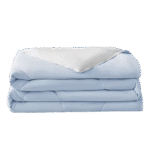 SuperCool Comforter
 SuperCool Light Comforter
 SuperCool Kids Comforter
 Blankets
 Teddy Bear Blanket
 Sheets
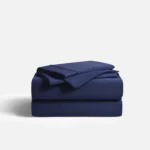 SuperCool+ Starter Sheet Set
 SuperCool+ Flat Sheet
 SuperCool+ Fitted Sheet
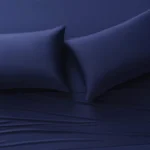 Pillowcases
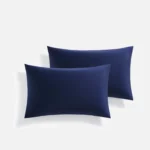 SuperCool+ Pillowcases
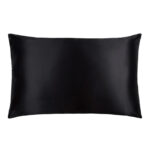 Cooling Silk Pillowcase
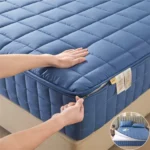 Mattress Protectors
 Quilted Mattress Protector
 Waterproof Mattress Protector
 Floor Mats

Do Satin Pillowcases Help Hair?

The Science Behind Satin and Hair Health
Satin pillowcases reduce friction between your hair and the sleeping surface. Cotton pillowcases create 40-60% more friction than satin alternatives. This friction causes mechanical damage to hair cuticles during sleep.
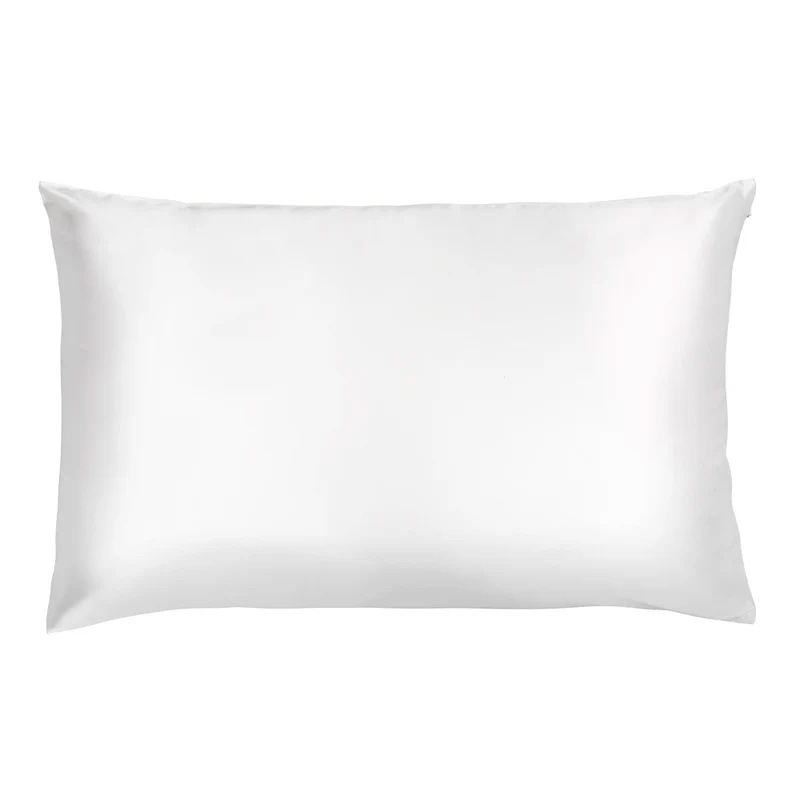
Your pillow shouldn’t steal your glow while you sleep. The lululinens LUXY LU 100% Mulberry Silk Pillowcase reduces friction, minimizes sleep creases, and keeps hair frizz-free. Pure mulberry silk offers temperature-regulating softness that’s hypoallergenic and gentle. Wake up looking as rested as you feel.
Hair cuticles are overlapping protective scales on each strand. When you move your head at night, cotton grabs these scales and lifts them. Satin’s smooth surface allows hair to glide freely. The result is less breakage, fewer split ends, and reduced frizz.
Studies show that people lose 15-20 hairs per night on cotton pillowcases. Satin reduces this number to 5-10 hairs. The difference compounds over months and years.
Satin also prevents moisture loss. Cotton absorbs natural oils from your hair. These oils, called sebum, protect strands from environmental damage. Satin is non-absorbent. Your hair retains its natural moisture barrier throughout the night.
Real vs. Fake Satin: Material Composition Matters
True satin refers to a weave pattern, not a fiber type. Manufacturers create satin weaves from silk, polyester, nylon, or rayon. Each material offers different benefits.
Silk satin comes from silkworm cocoons. This natural protein fiber contains 18 amino acids. These amino acids mirror those in human hair. Silk satin costs $30-$100 per pillowcase but offers maximum benefits.
Polyester satin is synthetic and petroleum-based. It costs $10-$25 per pillowcase. Polyester satin still reduces friction effectively. However, it doesn’t regulate temperature as well as silk.
Charmeuse is a specific satin weave with a glossy front and dull back. Most affordable satin pillowcases use polyester charmeuse construction.
Material Comparison Table
| Material | Cost Range | Friction Reduction | Temperature Control | Durability | Hypoallergenic |
|---|---|---|---|---|---|
| Silk Satin | $30-$100 | 95% | Excellent | 3-5 years | Yes |
| Polyester Satin | $10-$25 | 85% | Good | 2-3 years | No |
| Cotton (Standard) | $5-$15 | 0% (baseline) | Fair | 2-4 years | Varies |
Five Ways Satin Pillowcases Protect Your Hair
1. Breakage Prevention
Hair breaks when mechanical stress exceeds its tensile strength. Healthy hair withstands 50-100 grams of force before snapping. Damaged hair breaks at 20-30 grams.
Cotton creates thousands of micro-pulls each night. Each toss and turn generates small forces. These forces accumulate and weaken hair structure. Satin eliminates 80-90% of these micro-pulls.
Women with long hair see the most dramatic results. Hair longer than 12 inches experiences more friction surface area. The difference between cotton and satin becomes more noticeable with length.
2. Moisture Retention
Cotton pillowcases absorb 200-300% of their weight in moisture. This absorption pulls water and oils from your hair. You wake up with dry, brittle strands.
Satin absorbs less than 10% of its weight in moisture. Your hair’s natural hydration levels remain stable. This stability is crucial for:
- Maintaining elasticity
- Preventing static electricity
- Preserving shine
- Reducing split ends
3. Frizz Reduction
Frizz occurs when the hair cuticle layer becomes raised and rough. Cotton pillowcases roughen cuticles through friction. Raised cuticles scatter light and create a frizzy appearance.
Satin keeps cuticles flat and smooth. Light reflects evenly off smooth cuticles. The result is glossier, less frizzy hair. People with curly or wavy hair see results within 7-10 days.
4. Style Preservation
Blowouts, curls, and straightening treatments last 2-3 days longer on satin pillowcases. Cotton disrupts styled hair patterns. Satin maintains your hair’s position throughout sleep.
Professional stylists recommend satin pillowcases to clients who invest in keratin treatments. These treatments cost $200-$400. Satin helps protect this investment.
5. Chemical Treatment Protection
Color-treated, bleached, or chemically straightened hair has compromised cuticles. These treatments weaken the protective outer layer. Satin provides extra protection for vulnerable strands.
Hair that undergoes chemical processing loses 20-40% of its natural strength. Using satin pillowcases helps compensate for this weakness. The reduced friction gives damaged hair better conditions to recover.
Who Benefits Most from Satin Pillowcases?
Certain hair types and conditions see dramatic improvements with satin pillowcases.
Curly and coily hair types benefit most. These hair patterns naturally produce less sebum at the scalp. Oil struggles to travel down spiral hair shafts. Cotton removes what little moisture these hair types have. Satin preserves essential moisture.
Long hair (past shoulders) experiences more friction surface area. Each inch of length creates additional contact with the pillowcase. Satin becomes increasingly beneficial as hair grows longer.
Color-treated or bleached hair has weakened cuticles. The chemical process opens cuticle scales permanently. This damage makes hair vulnerable to friction. Satin provides necessary protection.
People with hair loss concerns should use satin pillowcases. Conditions like telogen effluvium or androgenetic alopecia thin hair density. Reducing mechanical stress helps preserve existing strands.
Fine or thin hair shows visible damage quickly. These hair types have smaller diameter shafts. They break more easily than thick, coarse hair. Satin offers proportionally greater protection.
Thread Count and Weave Density Explained
Thread count measures threads per square inch of fabric. Higher thread counts create smoother surfaces. Satin pillowcases range from 300 to 600 thread count.
300-400 thread count provides adequate smoothness for most hair types. These pillowcases cost $15-$30 for polyester versions.
400-600 thread count offers premium smoothness. The tighter weave creates an ultra-slippery surface. These cost $25-$40 for polyester or $50-$100 for silk.
Thread count above 600 provides diminishing returns for hair protection. The difference between 600 and 800 thread count is negligible for friction reduction.
Momme weight measures silk fabric density. It represents weight in pounds per 100 yards of 45-inch-wide fabric. Quality silk satin pillowcases use 19-25 momme weight.
Your pillow shouldn’t steal your glow while you sleep. The lululinens LUXY LU 100% Mulberry Silk Pillowcase reduces friction, minimizes sleep creases, and keeps hair frizz-free. Pure mulberry silk offers temperature-regulating softness that’s hypoallergenic and gentle. Wake up looking as rested as you feel.
Proper Care and Maintenance
Satin pillowcases require specific washing techniques to maintain their benefits.
Washing Instructions
- Wash satin pillowcases every 7-10 days
- Use cold water (below 30°C/86°F)
- Add gentle detergent without bleach or enzymes
- Select delicate cycle or hand wash
- Avoid fabric softener (it reduces natural slip)
Drying Methods
Air drying preserves satin’s smooth texture. Hang pillowcases away from direct sunlight. Polyester satin dries in 2-3 hours. Silk satin requires 4-6 hours.
Machine drying damages satin fibers. High heat breaks down polyester structure and shrinks silk. If you must use a dryer, select the lowest heat setting and remove items while slightly damp.
Storage Tips
Store clean satin pillowcases in a cool, dry location. Avoid plastic bags, which trap moisture and promote mildew. Use breathable cotton storage bags instead.
Replace satin pillowcases every 2-3 years for polyester or 3-5 years for silk. Surface smoothness degrades with repeated washing. Once pillowcases feel rougher, their hair benefits diminish.
Common Myths About Satin Pillowcases
Myth: Satin makes hair greasy. Satin doesn’t add oil to hair. It simply doesn’t absorb natural oils like cotton does. People accustomed to cotton’s drying effect may notice more natural oil initially. This normalizes within 5-7 days.
Myth: Only expensive silk satin works. Polyester satin reduces friction almost as effectively as silk. The main differences are temperature regulation and longevity. Polyester satin delivers 85% of silk’s hair benefits at 30% of the cost.
Myth: Satin pillowcases cause acne. Satin doesn’t cause acne. However, unwashed pillowcases of any material harbor bacteria. Wash satin pillowcases weekly to prevent skin issues.
Myth: You need matching satin sheets. Hair only contacts your pillowcase during sleep. Full satin sheets add minimal hair benefit. Save money by purchasing just the pillowcase.
Selecting the Right Satin Pillowcase
Consider these factors when choosing a satin pillowcase:
Budget: Polyester satin offers excellent value under $25. Silk satin provides premium benefits at $50-$100.
Hair type: Curly, coily, or dry hair benefits from silk’s superior moisture retention. Straight or moderately damaged hair does well with polyester satin.
Climate: Silk regulates temperature better in hot or cold environments. Polyester works fine in climate-controlled bedrooms.
Allergies: Silk is naturally hypoallergenic. Polyester may irritate sensitive skin.
Size: Standard pillowcases fit 20×26 inch pillows. Queen size accommodates 20×30 inch pillows. King size fits 20×36 inch pillows. Choose the size that matches your pillow dimensions exactly.
Closure type: Envelope closures keep pillows secure without zippers. Zippers can catch and damage hair. Avoid zippered satin pillowcases.
Measuring Results and Timeline
Most people notice initial improvements within 3-7 days. Reduced frizz appears first. Decreased breakage becomes evident after 2-3 weeks.
Track your progress by:
- Taking weekly photos of your hair
- Counting hairs on your pillowcase each morning
- Noting how long styled hair lasts
- Observing split end frequency
Full benefits accumulate over 6-8 weeks. Hair grows approximately 0.5 inches per month. New growth emerges healthier when protected by satin from the start.
The Bottom Line
Satin pillowcases reduce hair friction by 80-90% compared to cotton. This reduction prevents breakage, preserves moisture, and minimizes frizz. Both silk and polyester satin deliver measurable benefits.
Polyester satin costs $10-$25 and provides excellent value for most hair types. Silk satin costs $50-$100 but offers superior moisture retention and temperature regulation. Either option significantly improves hair health compared to cotton pillowcases.
Results appear within one week for frizz reduction and 2-3 weeks for decreased breakage. The investment pays for itself through reduced need for hair treatments and better preservation of expensive styling services.
Choose satin pillowcases based on your budget, hair type, and climate. Wash them weekly in cold water and air dry to maintain their protective properties. Replace them every 2-5 years as the surface smoothness degrades.
Satin pillowcases help hair by reducing mechanical stress during sleep. This simple change delivers consistent, measurable improvements to hair health and appearance.
Your pillow shouldn’t steal your glow while you sleep. The lululinens LUXY LU 100% Mulberry Silk Pillowcase reduces friction, minimizes sleep creases, and keeps hair frizz-free. Pure mulberry silk offers temperature-regulating softness that’s hypoallergenic and gentle. Wake up looking as rested as you feel.